PA
San Blas Islands
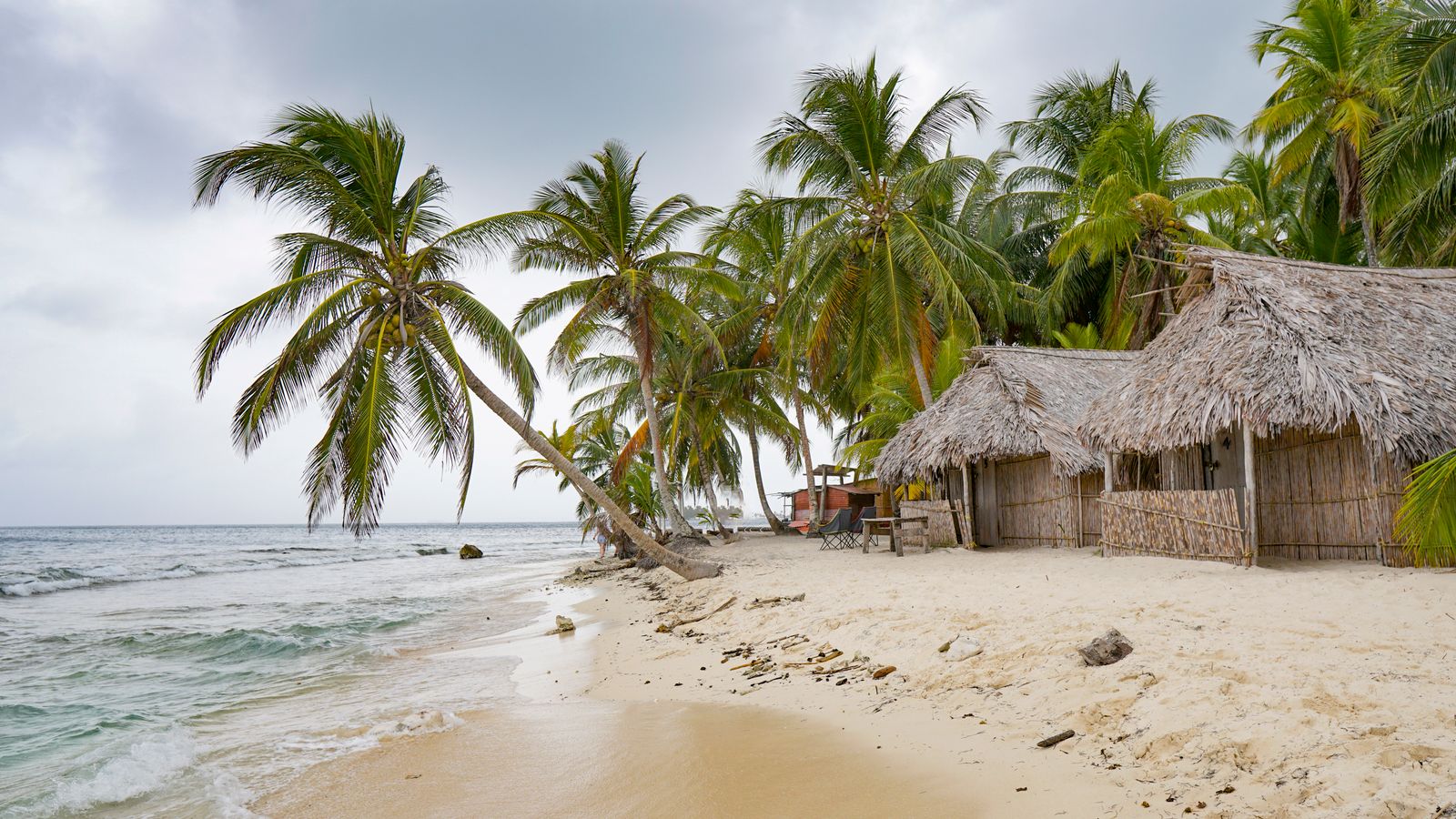
Guna-governed islands of white sand
Guna-governed islands of white sand
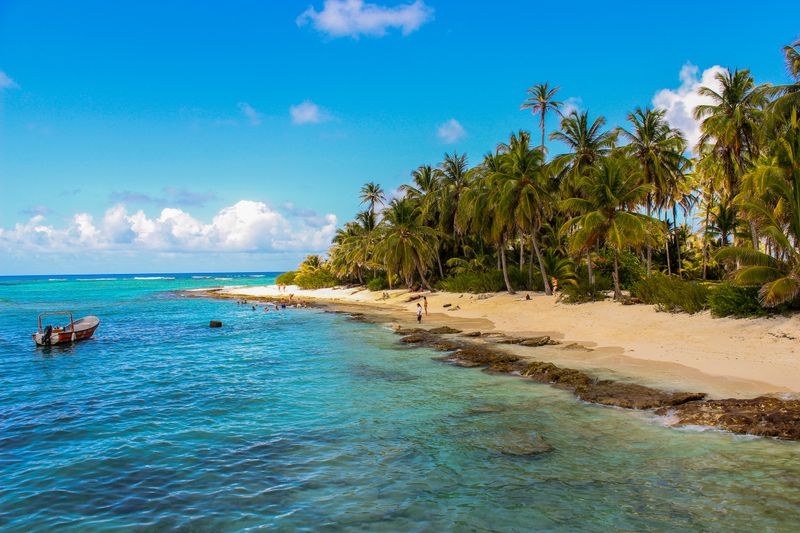
The heart of any San Blas trip is boating between the archipelago’s tiny cays — islands of pure white sand and a few coconut palms rising from turquoise water, some with a single Guna family, many with nobody at all. Days are spent swimming, sunbathing on empty sand and hopping to the next impossibly perfect speck.
💡 Most stays include daily boat trips to different islands — the classic circuit takes in a starfish-strewn shallow, a natural pool and a deserted sandbank for lunch.
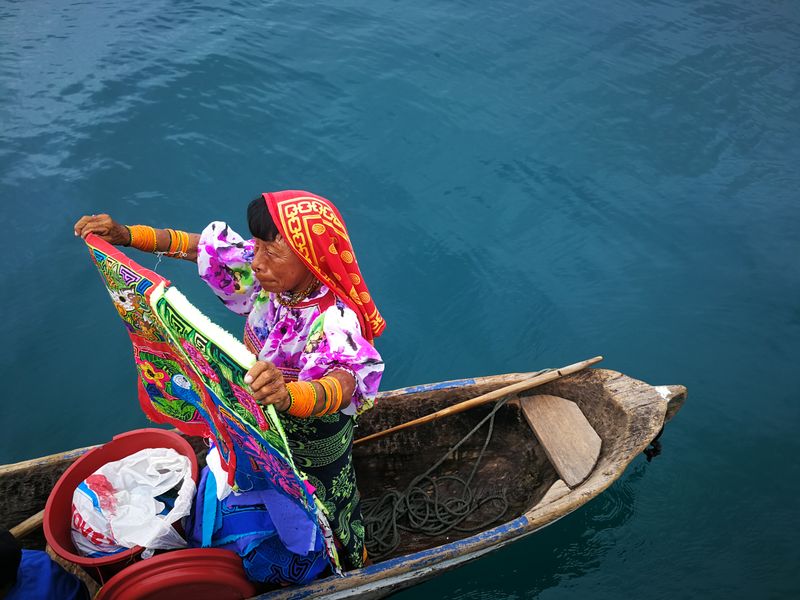
San Blas is a living indigenous nation. The Guna govern the islands autonomously, and a visit means being a guest in their world — staying in their cabins, eating their catch, and buying their molas, the vivid layered-cloth panels sewn by Guna women that are among the finest folk art in the Americas. Some islands have communities you can respectfully visit.
💡 Buy molas directly from the women who make them — it’s the fairest support for the community; always ask before photographing people.
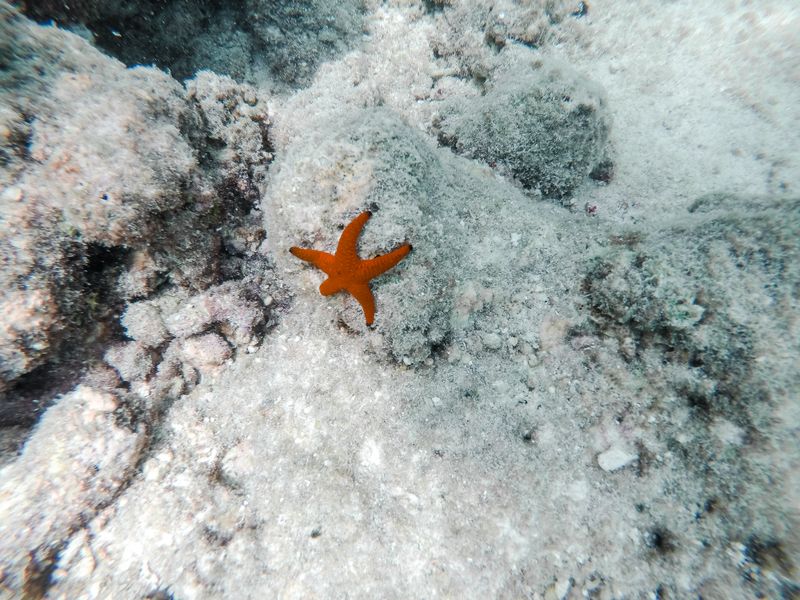
The shallow reefs and a few shipwrecks scattered through the archipelago make for gentle, brilliant snorkelling — starfish gardens, coral heads thick with fish, and warm, glass-clear water. There’s no dive industry to speak of, so it’s mask-and-fins simplicity, often with a whole reef to yourself.
💡 Bring your own mask and fins — rentals are scarce; the natural pools and starfish shallows are the easy highlights for all swimmers.
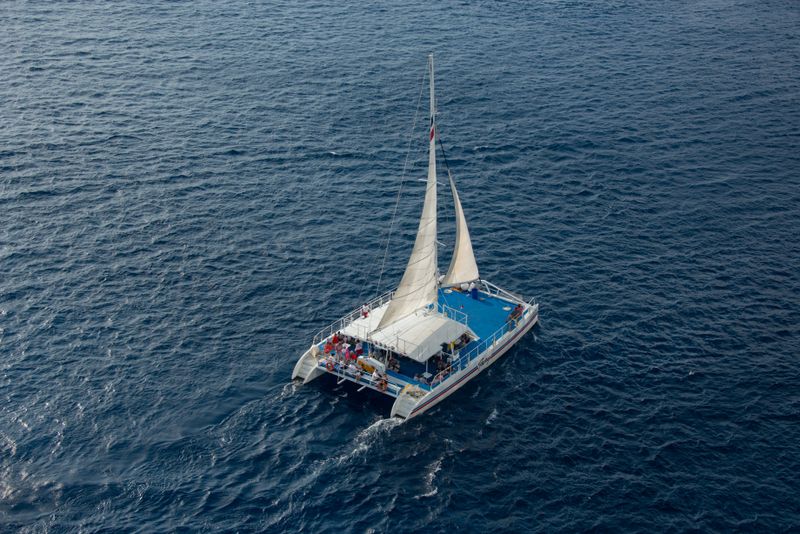
San Blas is also a legendary sailing ground — catamarans and monohulls anchor among the cays, and the archipelago is the celebrated first (or last) leg of the backpacker sailboat crossing between Panama and Colombia, a multi-day passage through the islands and open Caribbean that’s a rite of passage for some travellers.
💡 A day sail or overnight on a catamaran is a wonderful way to see more islands; the Panama–Colombia crossing is an adventure — vet the boat and captain carefully.
Eating in San Blas is simple, fresh and defined by what the Guna boats bring in: lobster (in season and astonishingly cheap by island standards), whole fried or grilled fish, octopus and king crab, served with coconut rice, patacones and whatever the day offers. Meals come with your cabin stay — there are no restaurants as such — and portions revolve around the catch. Coconuts are currency and refreshment both (they’re sacred to the Guna, so don’t take them without asking). Bring your own snacks, water and any alcohol, as supplies on the islands are minimal and pricey. It’s not gourmet, but fresh lobster on a deserted beach at sunset needs no improvement.
A morning boat from your Guna cabin to the first sandbanks — empty islands of white sand and palms, swimming in bathwater-warm shallows before the day’s heat.
Snorkel a starfish-strewn shallow or float in a mid-ocean natural pool, then a beach lunch of fresh-grilled fish on a deserted cay.
Visit a Guna community island respectfully — meet the women sewing molas, buy a panel direct, and learn a little of the nation that governs these waters.
Back at your cabin, fresh lobster or crab on the sand as the sky turns, no wifi and no crowds — just the lap of the Caribbean and a sky thick with stars.
San Blas is autonomous indigenous territory — respect local rules, pay the entry fee, ask before photographing people, and never take coconuts (they’re owned and sacred).
Reaching San Blas means a 2–3 hour 4×4 over a wild mountain road from Panama City plus a boat — book transfers through your lodge; it’s an adventure, not a quick hop.
Electricity is limited and wifi essentially nonexistent — bring cash, a power bank, and the mindset for a genuine off-grid escape.
Accommodation is simple sand-floor cabins, not resorts — that’s the deal that keeps San Blas unspoiled; come for the islands, not the amenities.
There are no ATMs — bring all the cash you’ll need (US dollars) for fees, crafts, extra food and tips before you leave the mainland.
December–April brings the calmest seas and clearest water — crossings can get rough and trips cancelled in the wettest months.
Plan the Panama City transfer and route — download offline, as there’s no signal on the islands.
Free
For getting around Panama City before your 4×4 transfer to the coast.
Free
How lodges and transfer operators take bookings — arrange everything before you lose signal.
Free
Multi-currency card for the mainland — but bring physical US-dollar cash for San Blas itself.
Free
The canal-side skyline of Panama City, the Caribbean isles of Bocas del Toro, highland Boquete, the Guna-governed San Blas and historic Portobelo — Panama packs two oceans of variety into one isthmus.