MU
Chamarel
Coloured earth, waterfalls and rum
Coloured earth, waterfalls and rum
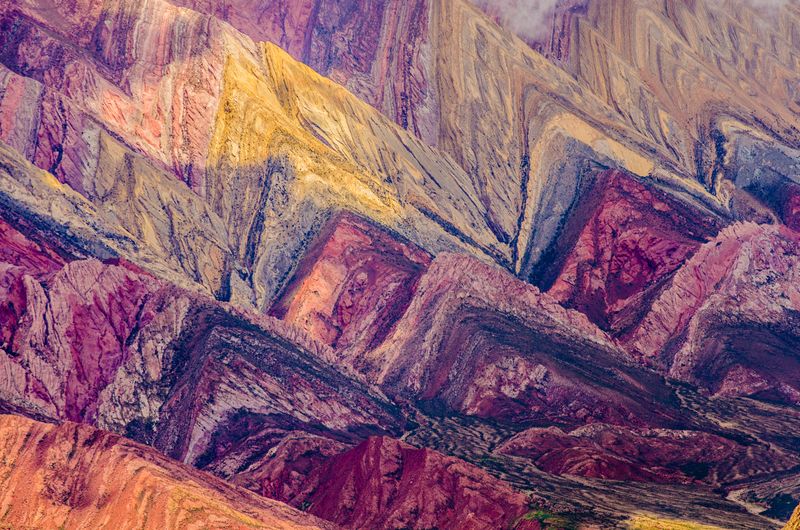
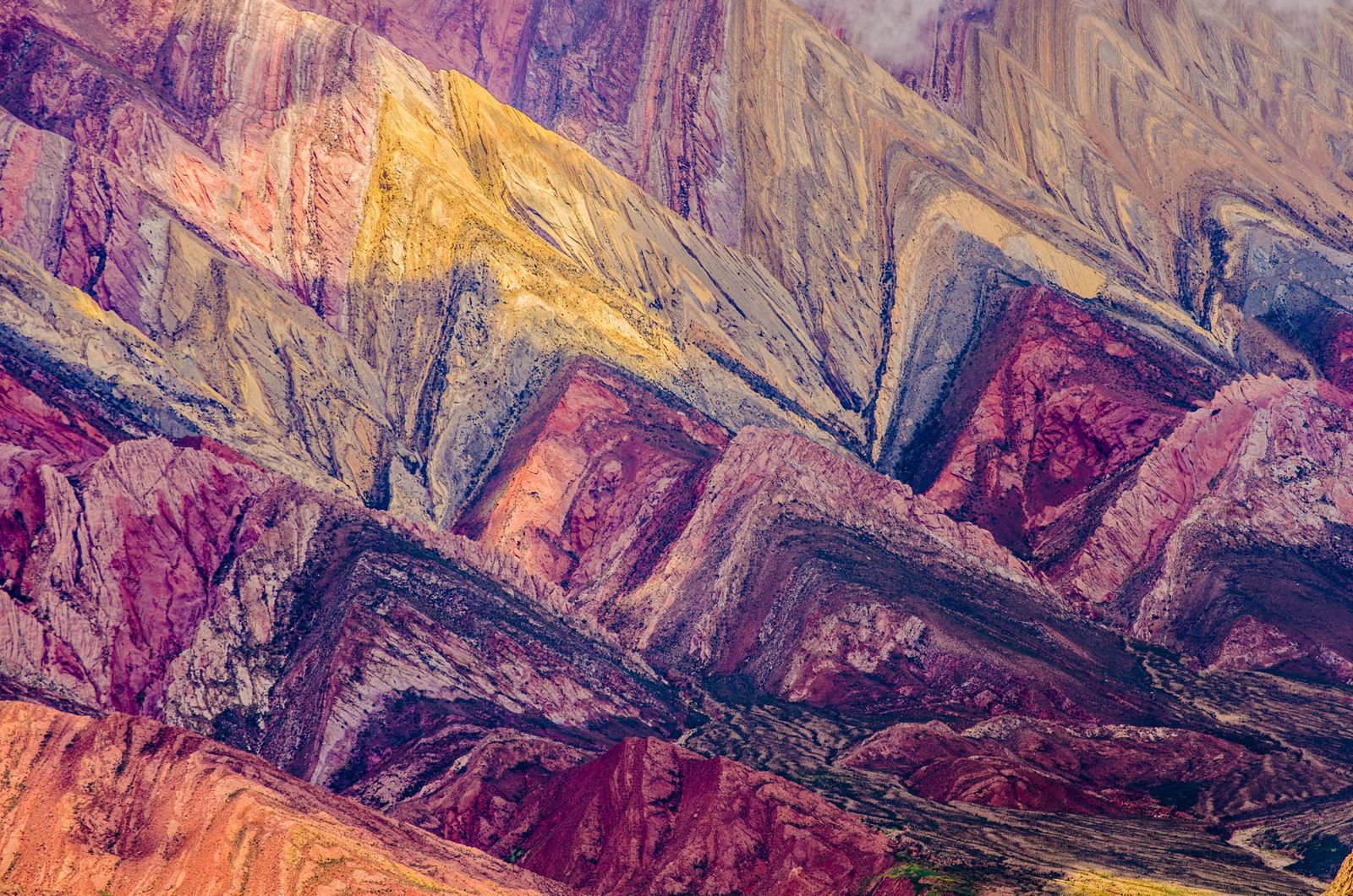
Chamarel’s signature wonder — a small area of undulating volcanic dunes striped in seven distinct colours, from brick-red and ochre to purple and green, created by weathered basalt and iron and aluminium oxides. The sands famously refuse to mix even when stirred together, and the surreal, moon-like landscape is unlike anything else on the island. Giant tortoises roam the surrounding park.
💡 Go in the morning light when the colours are most vivid, and combine it with the waterfall in the same ticketed park — the tortoise enclosure delights kids.
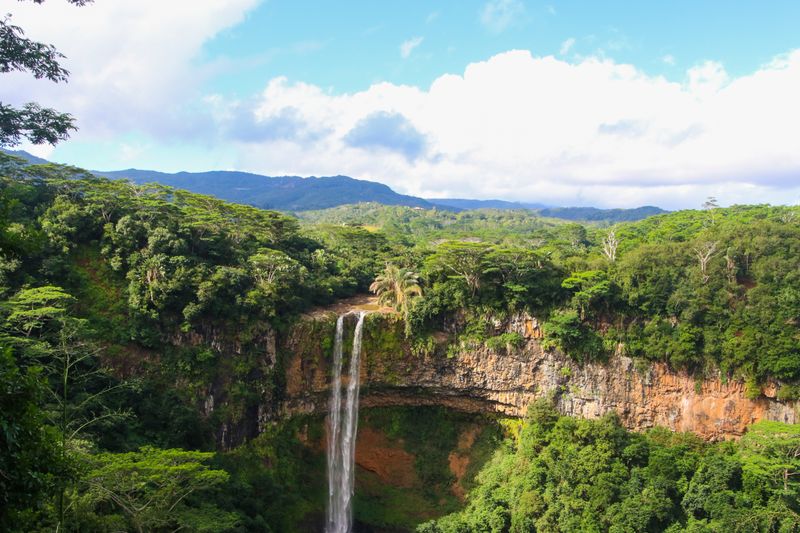
The island’s tallest single-drop waterfall — the Rivière du Cap plunging around 100 metres in a single ribbon into a forested gorge, viewed from a platform in the same park as the Coloured Earths. Framed by dense green rainforest and often catching a rainbow in its spray, it’s one of Mauritius’s most photographed natural sights.
💡 The main viewpoint is an easy walk from the car park; the falls run fullest and most dramatic in the wetter summer months.
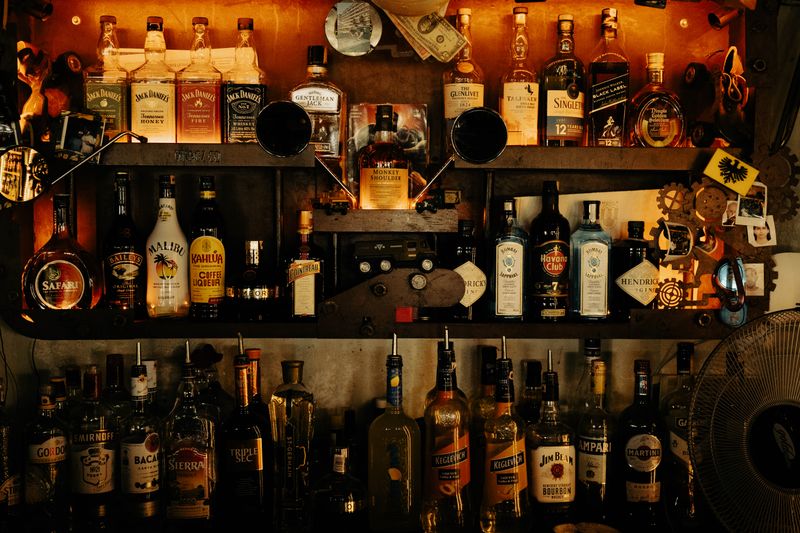
A beautiful estate distillery set among its own sugarcane fields, producing award-winning agricole rum distilled directly from fresh cane juice rather than molasses. Tours walk you through the fields, the distillation and the ageing cellars, ending with a guided tasting of white, aged and spiced rums — and there’s an excellent table-d’hôte restaurant on site.
💡 Book the tour-and-tasting, and stay for lunch at the estate restaurant — the rum-paired Creole menu is one of the best meals in the highlands.
Chamarel sits on the edge of Black River Gorges National Park, the island’s great swathe of native rainforest, laced with hiking trails and dotted with viewpoints. The nearby Chamarel and Gorges viewpoints look out over forested valleys to the coast, and the park protects Mauritius’s endemic birds — the pink pigeon, echo parakeet and Mauritius kestrel among them, all brought back from the brink.
💡 The Gorges viewpoint on the road is a free, spectacular stop; for hiking, the Black River Gorges trails range from short strolls to full-day treks — start early.
Chamarel punches well above its size for food, thanks to a cluster of celebrated table-d’hôte restaurants — intimate, often family-run places serving multi-course Creole feasts of smoked marlin, palm-heart salad, wild boar or venison from the surrounding hunting estates, chicken in rum, and garden vegetables, frequently paired with the local rum. The Rhumerie de Chamarel’s estate restaurant is a destination in itself. It’s a genuine highland cuisine — cooler-climate produce, game, and the agricole rum that the village is famous for — and a welcome change from coastal seafood. Book ahead, as the best tables d’hôte are small and popular. For a lighter bite, the village has cafes and the park has snack options, but Chamarel is really about a long, rum-accented Creole lunch with a mountain view.
Arrive early for the Seven Coloured Earths at their most vivid, the towering Chamarel Waterfall and the giant tortoises — the village’s natural wonders in one park.
Tour the Rhumerie de Chamarel among its cane fields, taste the agricole rums, then a long table-d’hôte Creole lunch — smoked marlin, game, rum-paired — the highland specialty.
Drive to the Black River Gorges and Chamarel viewpoints for sweeping rainforest-to-coast panoramas, or hike a forest trail among Mauritius’s rare endemic birds.
Wind back down the scenic road as the light softens — or stay overnight in a highland lodge for the cool air and the quiet, a world away from the beach.
At ~300m Chamarel is noticeably cooler and greener than the coast — a refreshing change; bring a light layer, especially in the winter months.
Public transport to Chamarel is minimal — a hire car or a driver/tour is the practical way to visit; the winding uphill road is scenic but slow. Drive on the left.
Chamarel’s rum is distilled from fresh cane juice, not molasses — a distillery tour and tasting is a highlight; don’t drive straight after.
The village’s small family-run Creole restaurants are among the island’s best eating — reserve ahead, as they fill and cook to order.
Chamarel pairs naturally with Le Morne, the Black River Gorges and the sacred lake of Grand Bassin — build a full inland-and-coast day.
The Chamarel Waterfall is fullest in the wetter summer (Dec–Mar); the cooler dry months give clearer views and better hiking — pick your priority.
Essential for the winding highland roads — download offline maps; they drive on the left.
Free
How guesthouses, drivers, distilleries and restaurants take bookings.
Free
Convert Mauritian rupee prices for park entry, tours and meals.
Free
Multi-currency card with strong rates for rupee card payments and ATM withdrawals.
Free
The multicultural capital Port Louis, lively Grand Baie, the sacred mountain of Le Morne, the sunset beach of Flic en Flac and the coloured earths of Chamarel — small Mauritius holds a whole world.