UY
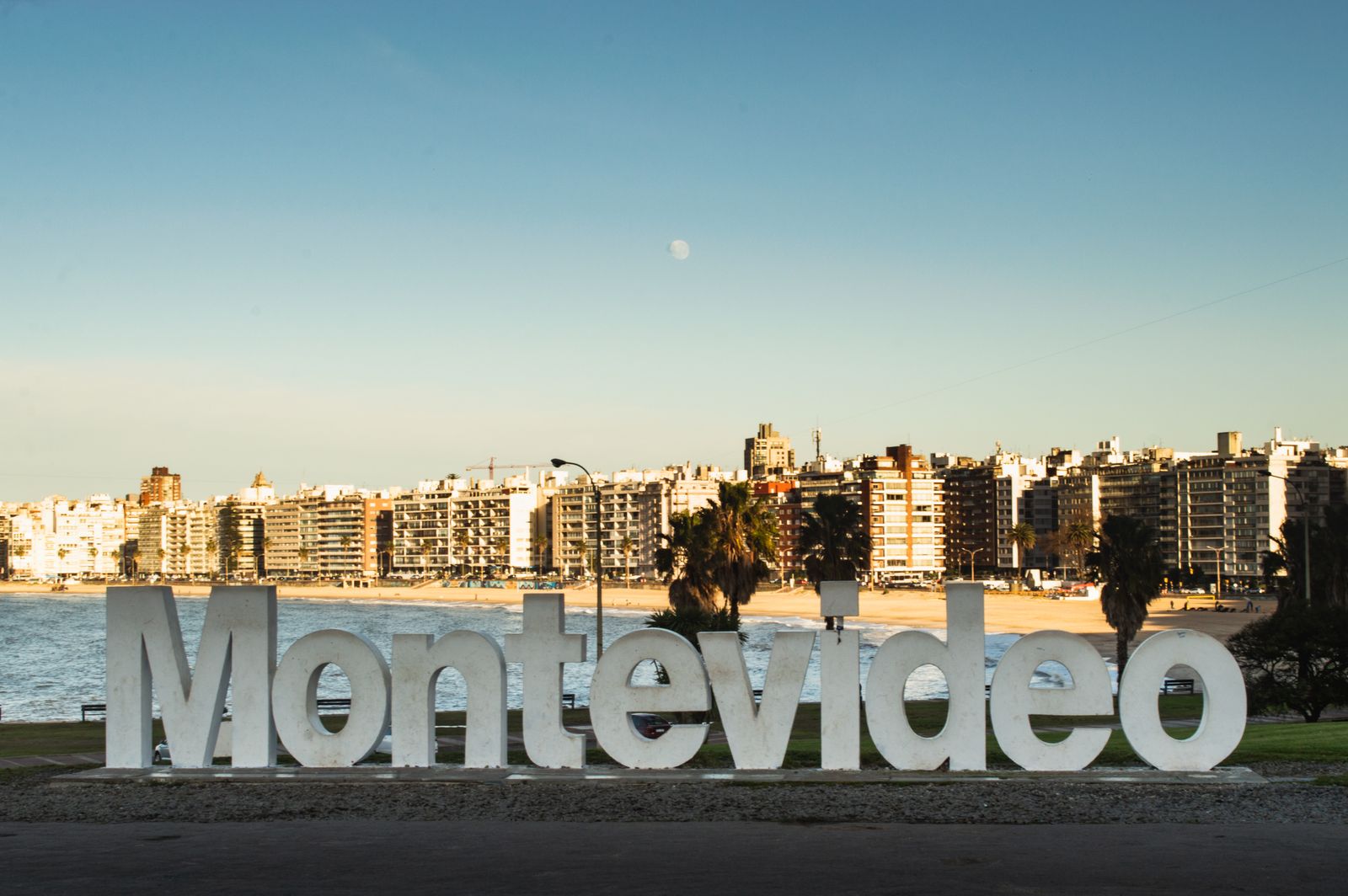
Montevideo
Easygoing capital of mate and murals
Easygoing capital of mate and murals
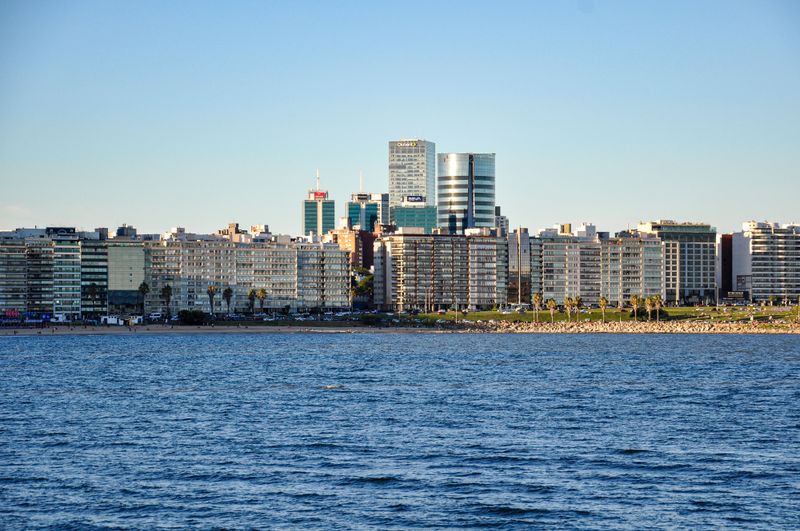
The old town is Montevideo’s historic heart — a grid of colonial and belle-époque buildings, some grandly restored, others romantically faded, threaded with street art, museums, cafes and the pedestrian Sarandí street. It opens onto Plaza Independencia, the city’s grand main square, dominated by the towering Palacio Salvo (once South America’s tallest building) and the mausoleum of national hero Artigas.
💡 Wander Sarandí and the old town’s plazas by day (it’s quieter at night); don’t miss the Andes-to-Atlantic view from the Palacio Salvo if tours are running.
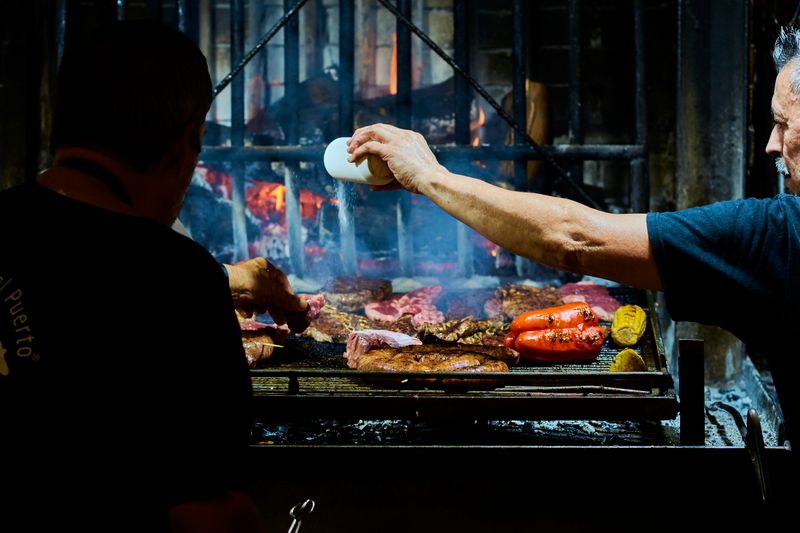
A magnificent 19th-century iron market hall by the port, now the temple of the Uruguayan asado (barbecue) — a smoky, atmospheric cavern of parrillas where whole grills sizzle with beef, sausages, sweetbreads and provoleta cheese. It’s touristy but wonderful, especially at a busy weekend lunch, and the essential place to feast on Uruguay’s world-class beef.
💡 Come hungry for a weekend lunch, sit at a grill counter, and order a parrillada (mixed grill) with a glass of medio y medio (the local sparkling-wine cooler).
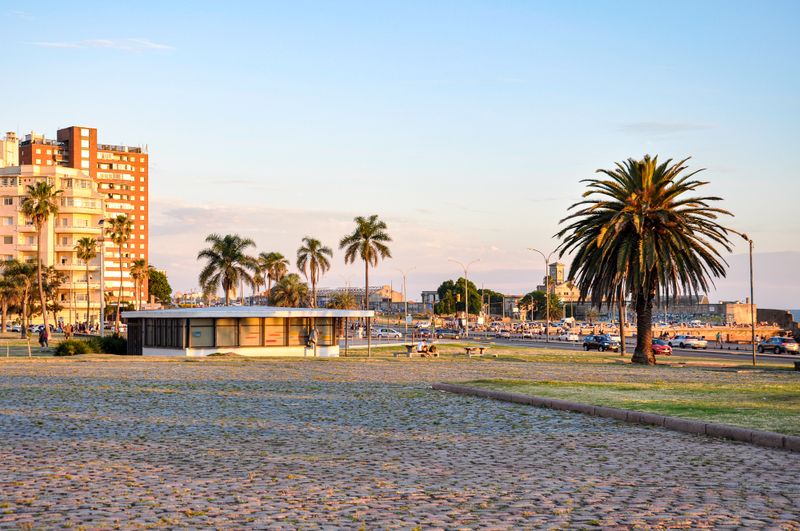
Montevideo’s soul is its Rambla — a 22-kilometre riverside promenade curving past beaches, parks and neighbourhoods, where the whole city walks, jogs, fishes, sips mate and watches the sunset over the vast River Plate. City beaches like Pocitos and Ramírez fill on summer afternoons, and the Rambla stroll at dusk, mate in hand, is the most Montevidean thing you can do.
💡 Join the sunset paseo along the Rambla with a mate — Pocitos beach is the liveliest; it’s how locals unwind and the best free experience in the city.
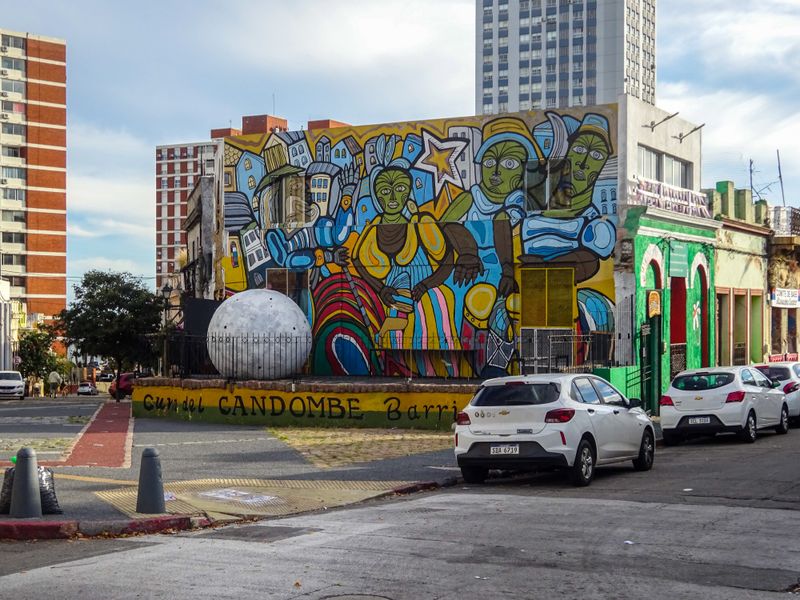
Montevideo shares tango’s birthright with Buenos Aires (the classic ‘La Cumparsita’ was written here), and its milongas and old cafes keep it alive; but its own beating heart is candombe, the Afro-Uruguayan drumming brought by enslaved Africans, whose barrel-drum comparsas parade through neighbourhoods like Barrio Sur, especially in Carnival. The city’s museums, theatres and the vast Teatro Solís add to a deep, accessible cultural scene.
💡 If you can, catch a Sunday-evening candombe rehearsal drumming through Barrio Sur or Palermo — electrifying and free; Montevideo’s Carnival (the world’s longest) is a spectacle.
Uruguay is beef country, and Montevideo is where you feast on it — the asado (wood-fired barbecue) is a national institution, and a parrillada piled with beef cuts, chorizo, morcilla (blood sausage), sweetbreads and provoleta is the essential meal, best at the Mercado del Puerto or a neighbourhood parrilla. Beyond the grill, try the chivito — a monstrous, glorious steak sandwich loaded with ham, cheese, egg and salad, the national fast food — plus milanesas, empanadas, and the Italian-influenced pasta and pizza of a strongly Italian-descended city. Mate, the bitter green tea sipped from a shared gourd, is everywhere and central to daily life. Wash meals down with Tannat, Uruguay’s signature robust red wine, or medio y medio. Finish with dulce de leche in everything, or an alfajor. Prices are higher than much of South America but the beef and wine are world-class — a Montevideo asado with a bottle of Tannat is the definitive Uruguayan meal.
Explore the Ciudad Vieja — Sarandí street, the plazas, street art and belle-époque facades — out to grand Plaza Independencia and the Palacio Salvo.
Feast at the Mercado del Puerto’s smoky grills — a parrillada of Uruguay’s superb beef with a medio y medio — the essential Montevideo lunch.
Walk or cycle the riverside Rambla past the beaches and neighbourhoods, mate in hand like the locals, out toward Pocitos and Punta Carretas.
Catch candombe drumming through Barrio Sur or a tango milonga, then dinner with a bottle of Tannat — the easygoing cultural heart of the capital.
The shared gourd of bitter mate is central to Uruguayan life — you’ll see thermoses everywhere; being offered a sip is a gesture of friendship, so accept warmly.
Uruguay’s grass-fed beef is world-class — the asado, the chivito sandwich and a bottle of Tannat are the essential tastes; the Mercado del Puerto is the classic spot.
Montevideo’s Carnival is the longest in the world (about 40 days, Jan–Mar), starring candombe drumming and murga theatre — a joyous, only-here spectacle.
Uber works well in Montevideo — cheap and easy; the compact old town and Rambla are walkable, and buses are inexpensive.
Uruguay is one of South America’s safest, most stable countries but also one of its more expensive — still good value for the quality; carry some cash and a card.
Seasons are reversed — the warm beach months are December to March; winter (Jun–Aug) is cool and grey, quieter but with the city’s culture in full swing.
Reliable bus and walking directions across Montevideo and the Rambla.
Free
The easy, cheap way around Montevideo (and Punta del Este) — widely used and reliable.
Free
Multi-currency card with strong rates for peso card payments and ATM withdrawals.
Free
Easygoing Montevideo, glamorous Punta del Este, colonial Colonia del Sacramento, off-grid Cabo Polonio and vintage Piriápolis — small Uruguay packs in a whole coast of moods.