GH
Accra
Ghana's high-energy capital of history, markets and Atlantic surf
Ghana's high-energy capital of history, markets and Atlantic surf
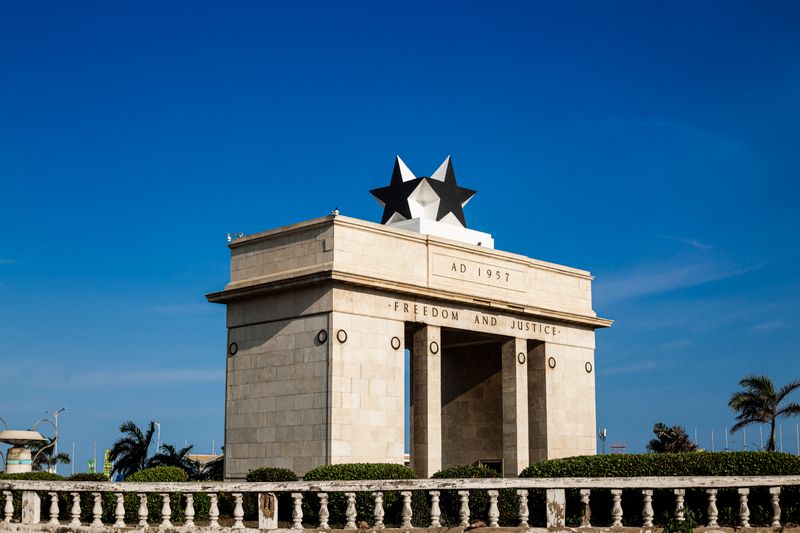
One of the largest public squares in Africa, dominated by the Black Star Gate and Independence Arch, a proud monument to Ghana becoming the first sub-Saharan nation to win independence.
💡 Visit in the morning before the heat and combine with the nearby coast.
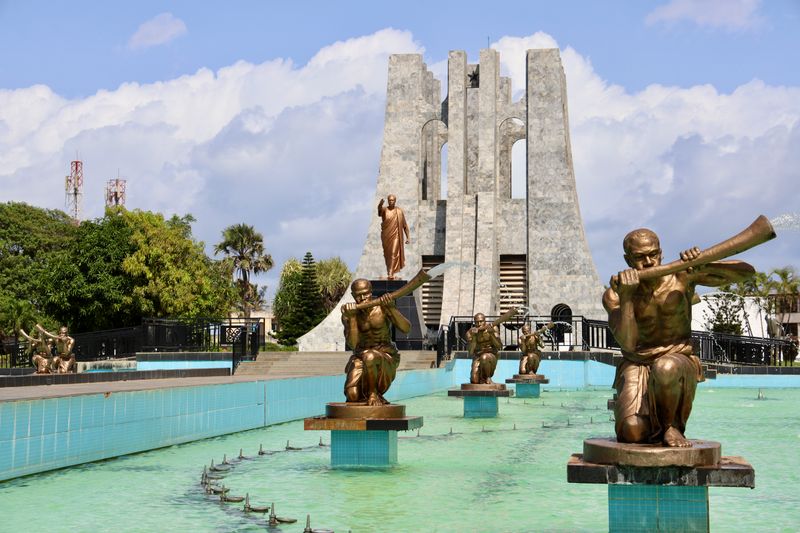
This landscaped park and mausoleum honours Ghana’s founding president and pan-African hero, with a striking monument, fountains and a museum of his life.
💡 The small museum adds context to Ghana’s independence story.
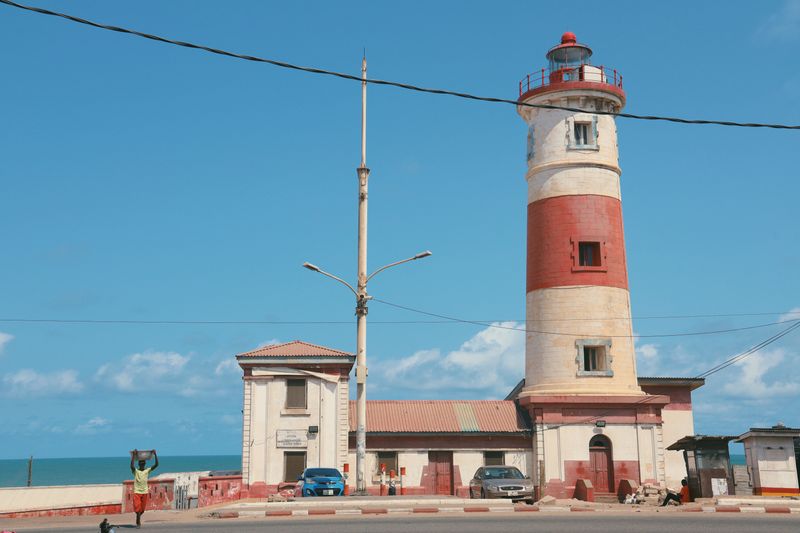
Accra’s oldest district is a vibrant, weather-worn fishing community around a colonial lighthouse and fort, famous for its street art, boxing gyms and annual festival.
💡 Take a guided walk to meet the community and climb the lighthouse.
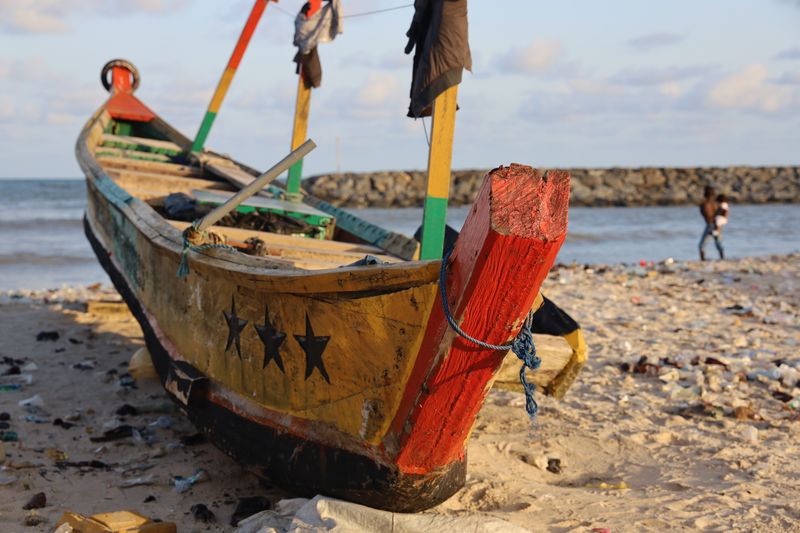
The city’s liveliest beach comes alive at weekends with drumming, dancing, horse rides and food stalls, a great place to feel Accra’s social pulse.
💡 There is a small entry fee; weekends are busiest and most fun.
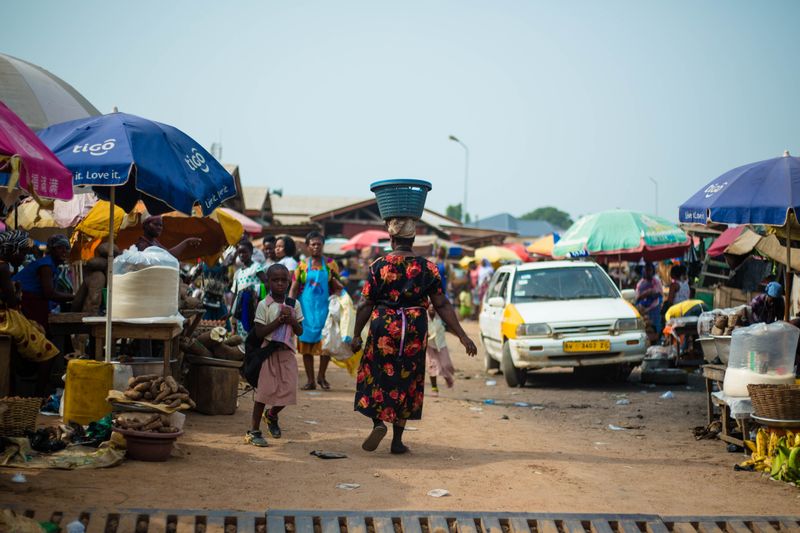
Accra’s great central market is a whirl of colour and commerce where traders sell everything from fabrics and beads to food and household goods.
💡 Go with a light bag, keep valuables close and embrace the chaos.
Ghanaian food is bold and satisfying: try jollof rice (and join the friendly rivalry over whose is best), groundnut and light soups with fufu, grilled tilapia with banku, and spicy kelewele fried plantain. Accra has excellent local chop bars, a rising fine-dining and cafe scene, and beachside spots for fresh seafood. Wash it down with sobolo hibiscus drink or a cold Star beer.
See Independence Square and the Kwame Nkrumah Memorial, then take a guided walk through historic Jamestown and its lighthouse.
Dive into Makola Market, sample street food, then relax and people-watch at lively Labadi Beach into the evening.
Take a day trip west to Cape Coast Castle and the Kakum canopy walk, or slow down over Accra’s cafes and art galleries.
Ride-hailing with Bolt is cheap and avoids haggling over taxi fares; trotros are cheapest but confusing for newcomers.
Cards work in hotels and malls, but you need cash for markets, trotros and street food.
November to March is drier and best; the wettest months are May, June and October.
Accra is welcoming and relatively safe; still watch belongings in crowded markets and at night.
Mobile money is widely used in Ghana for payments and transfers.
Free
High-energy Accra, the castles of Cape Coast and Elmina, Ashanti Kumasi and the savanna safari at Mole — history, culture and wildlife across Ghana.