CL
Santiago
Andean Capital at the Edge of the World
Andean Capital at the Edge of the World

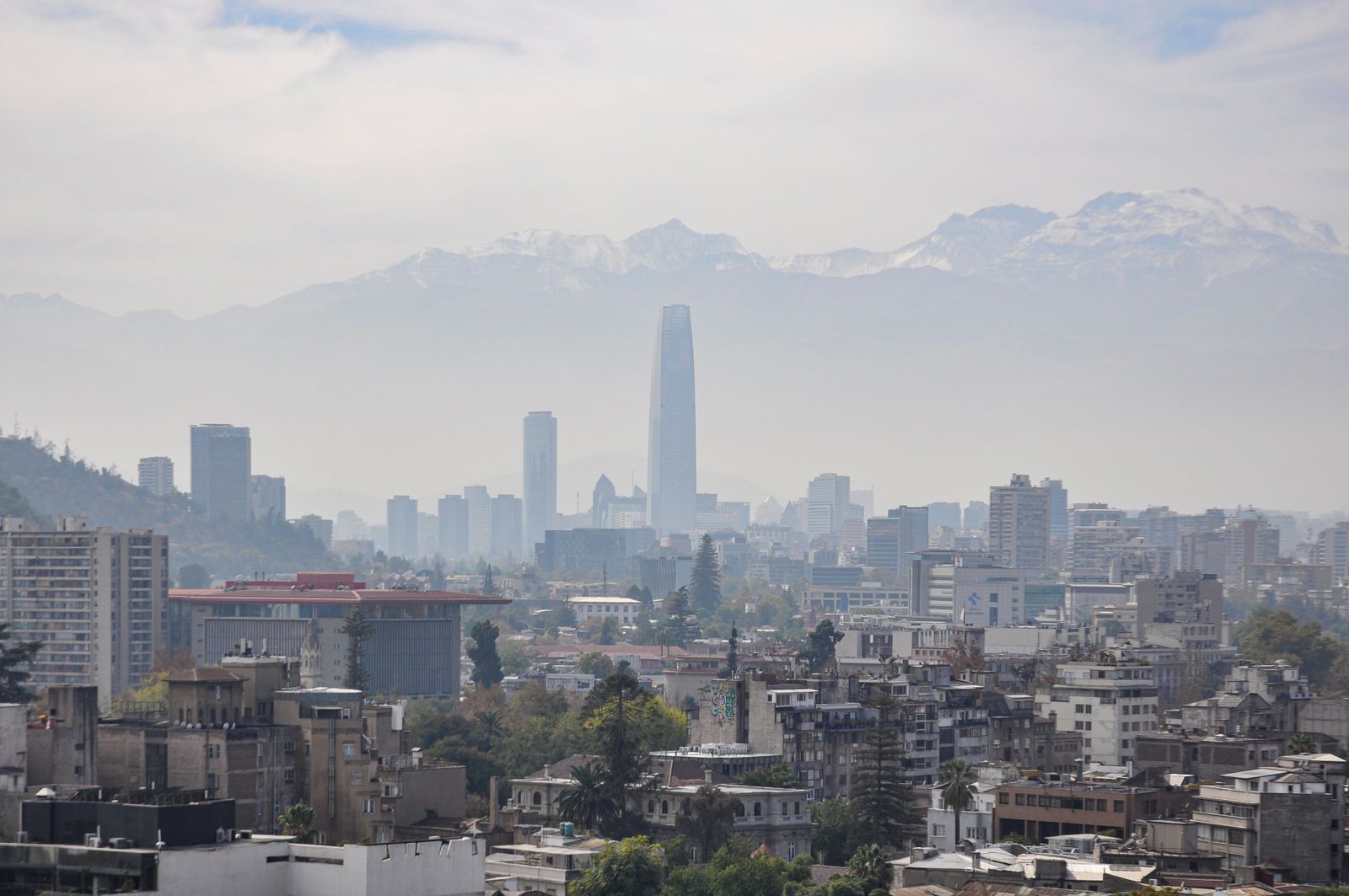
Cerro San Cristóbal (872m; Metropolitan Park; free pedestrian access or funicular CLP 3,000 return from Bellavista; open 8:30am–8pm) is the finest panoramic viewpoint in Santiago — a forested hill rising above the Bellavista neighbourhood with a 360-degree view of the city grid, the Andes Cordillera immediately to the east, and the Pacific haze to the west. On clear winter days (June–August; when the smog has dissipated; the finest Andes views of the year) the snow-capped peaks of Aconcagua (6,961m; visible on the clearest days), Tupungato, and Tupungatito are extraordinary from the summit statue of the Virgin Mary.
💡 Take the funicular (CLP 3,000 return; every 15 mins) from Plaza Caupolicán in Bellavista. Alternatively, hike up from any of the park entrances (1–1.5h; well-signed paths). The summit viewpoint is best before 10am (before the smog builds) or on winter days (June–September) when the air is clear. The adjacent Santiago Zoo (CLP 5,500; 9am–5pm) is included in the park area.
Barrio Lastarria (the neighbourhood around Lastarria street and Plaza Mulatén; 10 minutes from Plaza de Armas Metro; free to explore; the finest walking neighbourhood in Santiago) is a dense area of 19th-century townhouses converted into cafes, restaurants, bookshops, independent theatres, and design boutiques. The neighbourhood is the social and cultural centre of Santiago for the city’s creative class and home to the finest breakfast cafes, best lunch restaurants, and the most active evening bar scene in the city.
💡 The Galeria Gabriela Mistral (Barrio Lastarria; free art exhibitions; Mon–Fri 10am–8pm) and the Museo de Artes Visuales (MAVI; CLP 2,000; Tues–Sun) are the two most accessible art institutions in the neighbourhood. The Lastarria Sunday flea market (antiques, books, and local crafts; Sundays from 10am; the best in Santiago) is the finest free morning activity.
Plaza de Armas (the central colonial square of Santiago; free; open all hours; the mandatory first stop) is surrounded by the Metropolitan Cathedral (free; colonial baroque; the most significant Catholic church in Chile), the National Historical Museum (free Sundays; CLP 1,500 otherwise), and the Central Post Office building (the finest neo-classical facade in Santiago). The Mercado Central (2 blocks north; the finest covered market in Chile; fresh seafood from CLP 8,000–15,000 for a full lunch; the ceviche and caldillo de congrio — conger eel soup — are the essential orders).
💡 The Mercado Central (open daily 6am–5pm; the covered iron-and-glass market is a Santiago landmark in itself; the restaurant stalls inside serve the finest fresh market seafood lunch in the city from CLP 8,000–15,000) is the non-negotiable lunch stop for any Santiago visit. The caldillo de congrio (the conger eel soup made famous by Pablo Neruda’s ode to the dish) is the most distinctively Chilean meal available.
Cerro Santa Lucía (a small rocky hill rising from the middle of central Santiago; free; open 9am–6pm; 5 minutes from Lastarria Metro) is a landscaped urban garden on a historical promontory where Spanish captain Pedro de Valdivia founded the city of Santiago in 1541. The hilltop terrace (15-minute walk up) provides an excellent view of the city centre and the Andes. Adjacent, La Chascona (Pablo Neruda’s Santiago house; CLP 9,000; guided tour; Tue–Sun 10am–6pm; the most visited literary home in Chile) reveals Neruda’s extraordinary personal collections and the baroque decoration style he applied to all his houses.
💡 Visit La Chascona on a weekday morning (book online in advance; the tours fill quickly in high season; the guided English tour explains both the house’s architecture and Neruda’s life and poetry). The house overlooks Barrio Bellavista; the roof terrace and the nautical-themed living room are the two most extraordinary spaces.
Santiago has evolved into one of South America’s finest food cities. The essential experiences: Mercado Central (covered market; fresh seafood; caldillo de congrio and ceviche; CLP 8,000–15,000 for a full lunch). Barrio Italia neighbourhood restaurants (the most interesting food concentration in the city; anything from Peruvian to Japanese to modern Chilean; dinners CLP 12,000–25,000). The Vega Central market (the main wholesale and retail fruit and vegetable market; breakfast empanadas and fresh fruit juices from CLP 1,000–2,000; the most Chilean morning experience in the city). Pisco sour (the national cocktail; pisco brandy + lemon + egg white; CLP 4,000–8,000 at any bar) is the mandatory pre-dinner drink. Chilean wine (Carmenere is the indigenous grape variety found only in Chile; available at any supermarket from CLP 3,000 a bottle; in restaurants from CLP 12,000) is the finest food-wine pairing in South America at the price point.
The Santiago smog (caused by thermal inversions trapping vehicle emissions in the valley between the Andes and the coastal hills) is worst in autumn and winter (April–August).
The Santiago Metro (CLP 900–1,000 per ride; 6 lines; open 5:30am–11pm Mon–Fri; Bíp! card required at CLP 1,550 from any station) is clean, fast, and covers Cerro San Cristóbal, Bellavista, and the historic centro.
Pullman Bus or Turbus (CLP 6,000–9,000 each way; 1h 20 mins; multiple daily departures from the Alameda bus terminal) makes Valparaíso an excellent day trip from Santiago.
Pisco sour (the national cocktail; the Chilean version uses Peruvian pisco brandy, fresh lemon, sugar, and egg white; frothy, tart, and stronger than it appears; CLP 4,000–8,000 at any bar or restaurant) should be the first drink of any Santiago evening.
Mercado Central (the covered iron market; weekday lunch 12:30pm before tour groups arrive; the caldillo de congrio CLP 8,000–12,000; order at the counter restaurants, not the hawked tables at the entrance) is the finest Santiago lunch.
Santiago’s metered taxis (yellow with black roof) are safe and widely available but do not always run the meter; agree the price before getting in.
9am: Mercado Central (Metro Plaza de Armas; fresh market exploration; breakfast fruit juice CLP 1,500; the iron-and-glass market structure). 10:30am: Plaza de Armas (Metropolitan Cathedral free; 30 mins). Cerro Santa Lucía (15 min walk; hilltop terrace; city view; free; 45 mins). La Chascona Neruda house (book online; CLP 9,000; guided tour 12pm; 1h). Lunch: Barrio Lastarria neighbourhood cafe (CLP 8,000–12,000). Afternoon: Barrio Italia exploration (street art; independent cafes; the most interesting afternoon walk in Santiago). Pisco sour at sunset (Barrio Bellavista bar; CLP 6,000). Dinner in Lastarria (CLP 15,000–25,000).
9am: Cerro San Cristóbal funicular (CLP 3,000; Bellavista; Andes panorama from the summit). Return to Alameda bus terminal by 11am. Pullman Bus to Valparaíso (CLP 7,000; 1h 20 mins). Valparaíso afternoon: Cerro Alegre funicular + street art + seafood lunch at the port market. Return bus to Santiago 7pm. Dinner or next-day flight to San Pedro de Atacama (1h 40 mins; LATAM) or Easter Island (5h).
Official Santiago Metro route planner and schedule. Integrated with the Bip card system. Download route maps before arrival.
Free
Ride-hailing throughout Santiago. InDriver (the Chilean equivalent; allows price negotiation) is often cheaper than Uber. Both are safer than unmarked taxis.
Free
Download Santiago offline. Metro integration works in Google Maps for Chile.
Free
Multi-currency CLP card. Best exchange rate for peso withdrawals. Use any Banco de Chile or Santander ATM.
Free
From the Atacama Desert to Patagonia’s granite towers and Easter Island’s moai — the world’s longest country rewards the traveller..