BO
Santa Cruz
Bolivia's Tropical Boom City
Bolivia's Tropical Boom City
Plaza 24 de Septiembre (the main square of Santa Cruz; the neoclassical Cathedral of Santa Cruz — founded 1605; current building 1838; the white-and-rose facade; free; the most important church in the eastern lowlands; the Art Museum in the Casa de la Cultura on the plaza) is the social and architectural centre of the casco viejo. The Los Portales arcade (the covered colonnade surrounding the plaza; the social gathering point from 6pm–midnight; fresh juices and street food from BOB 8–15) is the most pleasant outdoor space in Santa Cruz.
💡 Walk the casco viejo in the evening (7–9pm; the heat has subsided slightly; the plaza is active; the street food vendors set up around the fountain; the cathedral illuminated). The free evening in Plaza 24 de Septiembre (juice, street food, and the cathedral lights; BOB 20 for a full evening of food and drinks) is the finest free activity in Santa Cruz.
The Jesuit Missions Circuit (6 UNESCO-listed baroque churches in the Chiquitania lowlands; 200–600km east of Santa Cruz; the finest colonial baroque churches in the Americas outside Peru and Mexico; built between 1696 and 1760 by Jesuit missionaries working with indigenous Chiquitano craftsmen; the most significant UNESCO World Heritage Site in Bolivia; tours 3–5 days from Santa Cruz) covers San Xavier (the oldest; 1691), Concepción (the finest restoration), San Ignacio, Santa Ana, San Miguel, and San Rafael. The churches’ UNESCO designation recognises both the architecture (the carved wooden baroque facades; the painted interiors) and the Jesuit social system that built them.
💡 Book a Jesuit Missions Circuit tour through a Santa Cruz agency (Amazónica or Ruta Verde; 3–5 days; USD 200–500 all-inclusive; departure by minibus from Santa Cruz). The most accessible single mission: San Xavier (224km from Santa Cruz; 3h by bus; the oldest Jesuit mission in Bolivia; the interior frescoes are the finest; BOB 20 entry; the annual San Francisco Xavier festival in December is extraordinary). Alternatively, the music festival at Concepción (the annual FESFICH international baroque music festival; July; the finest early music event in South America; performances in the 18th-century church).
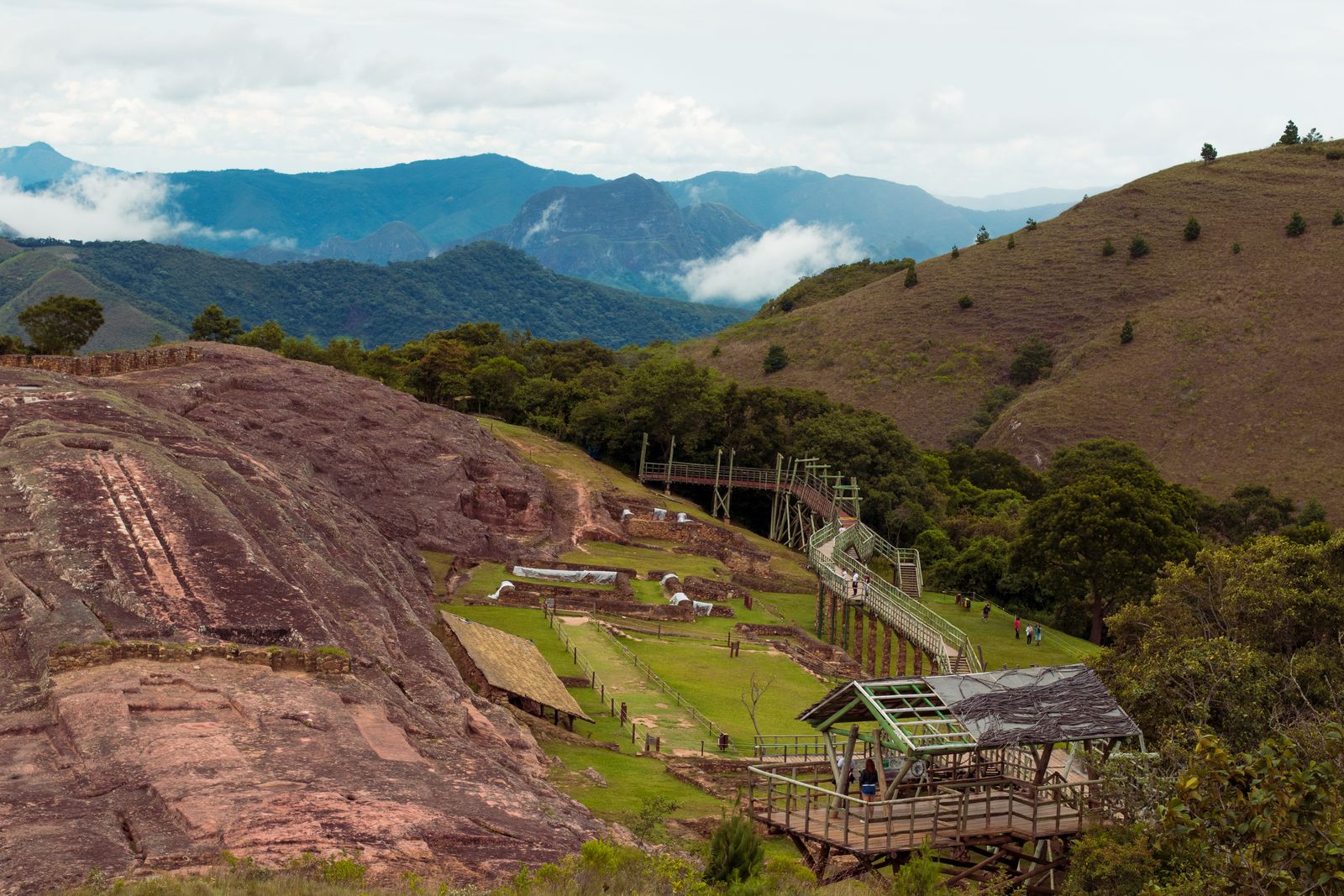
Amboro National Park (165km northwest of Santa Cruz; the world’s most biodiverse accessible national park; 637,600 hectares of cloud forest, subtropical lowland forest, and the unique “eyebrow of the jungle” transition zone where Andean and Amazonian species overlap; spectacled bear, puma, ocelot, tapir, and hundreds of bird species including the critically endangered Horned Curassow) is Bolivia’s finest nature destination accessible from Santa Cruz. The park has 2 main access points: Buena Vista (the northern entry; 4h from Santa Cruz; the cloud forest zone; most wildlife) and Samaipata (the south; El Fuerte; 2h from Santa Cruz).
💡 The 2-day Amboro cloud forest tour (from Santa Cruz; Ruta Verde or Amazónica; USD 80–150 including transport, guide, accommodation, and meals) covers the finest wildlife trail networks and the cloud forest zone above 1,500m. Independent visitors: bus to Buena Vista (3h; BOB 25) and hire a local guide (USD 30–50/day; required by the park; the guides at the SERNAP office are well-trained in wildlife tracking).
Equipetrol (the upscale residential and restaurant neighbourhood; 5km from the plaza by Uber; BOB 15; the finest dining and nightlife district in Bolivia) is Santa Cruz at its most sophisticated: the Brazilian churrasco restaurants (the “rodizio” all-you-can-eat grilled meat; USD 20–35 per person; the best beef outside Argentina in South America), the sushi bars (Santa Cruz has the largest Japanese community in Bolivia), and the club scene (the biggest nightlife in Bolivia; starting at midnight; running until dawn). The Biocentro Guembe (10km from the city; a resort complex with butterfly gardens, bird aviaries, and swimming pools; USD 15 entry; the most family-friendly attraction near Santa Cruz) is the best half-day excursion.
💡 Dinner in Equipetrol (arrive 8–9pm; the neighbourhood is most active from 8pm–2am; the rodizio restaurants fill by 9pm; book ahead on weekends; Mostaza and Le Petit Paris are the two most recommended fine dining options) is the finest dining experience in Bolivia. The Santa Cruz food scene (the most international in Bolivia; more variety in 3km of Equipetrol than in all of La Paz) reflects the city’s economic boom and Brazilian and Argentine immigration.
Santa Cruz has the finest and most international food scene in Bolivia. Mostaza (Equipetrol; the finest restaurant in Santa Cruz; creative Bolivian-contemporary cuisine; USD 25–50) and the Brazilian rodizio restaurants (all-you-can-eat grilled meat; USD 20–35; the “espada” sword service; the finest beef in Bolivia) are the two standout experiences. The Plaza 24 de Septiembre street food (fresh tropical juices — mango, guanabana, camu camu — BOB 8–12 per glass; the finest fresh fruit juice availability in Bolivia) and the covered Mercado Los Pozos (the finest covered market in Santa Cruz; fresh tropical produce; the “majadito” — the Santa Cruz signature dish of dried beef with rice; BOB 20–30) are the essential local food experiences.
Viru Viru Airport (VVI; Santa Cruz) is Bolivia’s primary international hub: flights from Miami (American Airlines), Madrid (Iberia; seasonal), Buenos Aires (Aerolineas; Latam), São Paulo (Latam), and Lima (Latam).
After La Paz, Potosí, or Uyuni, arriving in Santa Cruz (416m) feels like removing a heavy pack. The altitude relief is immediate — appetite returns, headaches disappear, and breathing normalises within hours.
Uber operates throughout Santa Cruz at local prices (BOB 15–30 for city journeys; significantly safer than street taxis; the app works reliably in the city centre and the Equipetrol restaurant district).
The Jesuit Missions Circuit (6 UNESCO baroque churches in the Chiquitos region; 220–500km east of Santa Cruz; accessible by day trip or 3-day circuit; Concepción and San Javier are the finest) is extraordinary.
Santa Cruz at 416m in the tropical lowlands reaches 35–40°C with 80–90% humidity in December–March. Even in the dry season (May–October), daytime temperatures reach 30–35°C.
Fresh juices from the Plaza 24 de Septiembre street stands (BOB 8–12 per large cup; mango, papaya, maracuyá, and tumbo; blended to order; most stands open from 7am) are the finest Santa Cruz food experience.
8am: historic centre morning walk (Plaza 24 de Septiembre; Cathedral; the arcade; tropical juice at BOB 10). Biocentro Guembe (10km by Uber USD 3; butterfly garden + bird aviary + pool; USD 15; 3h). Return 1pm. Mercado Los Pozos (majadito lunch; BOB 25). Rest during midday heat. Equipetrol dinner 8pm (Mostaza or rodizio; USD 25–40; book ahead).
7am bus to San Xavier (224km; 3h; BOB 25). San Xavier Jesuit Church (BOB 20; the oldest Jesuit mission in Bolivia; frescoes; 2h with guide). Local almuerzo (BOB 25). Bus return 3pm (arrives Santa Cruz 6pm). OR: Amboro 2-day tour (book previous day; Ruta Verde; USD 100; depart 7am; cloud forest + wildlife). Evening: Equipetrol or early airport departure.
Best taxi option in Santa Cruz. Significantly cheaper and safer than street taxis.
Free
Download Santa Cruz offline. Navigate Equipetrol and the casco viejo.
Free
Multi-currency BOB and USD card. USD widely accepted in Santa Cruz hotels and restaurants.
Free
Wildlife identification in Amboro National Park and the Biocentro Guembe butterfly garden.
Free
From the world’s highest capital to the infinite salt flats, colonial silver cities, and ancient Andean ruins.