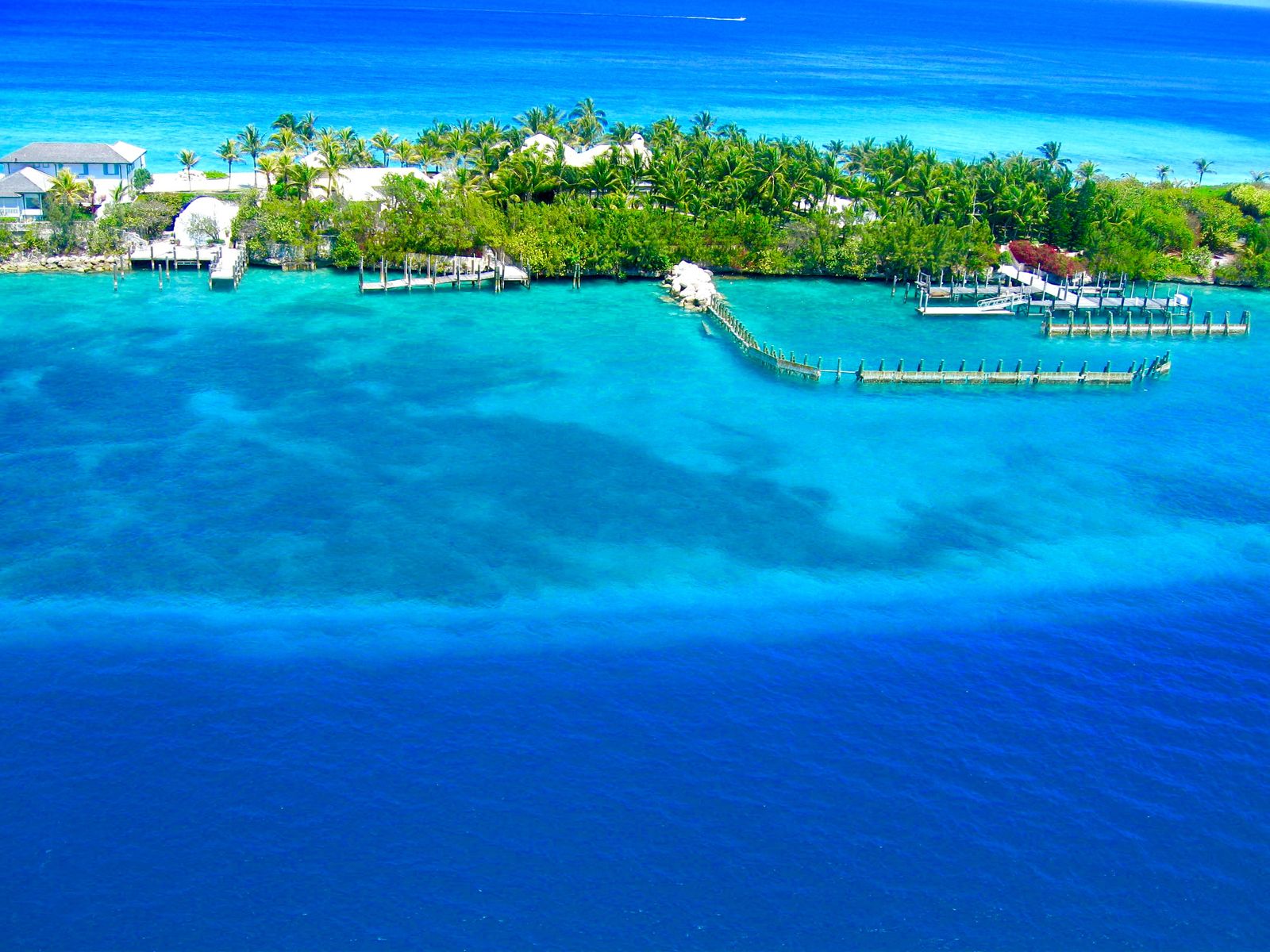
BS
Nassau
Pastel colonial capital of the Bahamas
Pastel colonial capital of the Bahamas
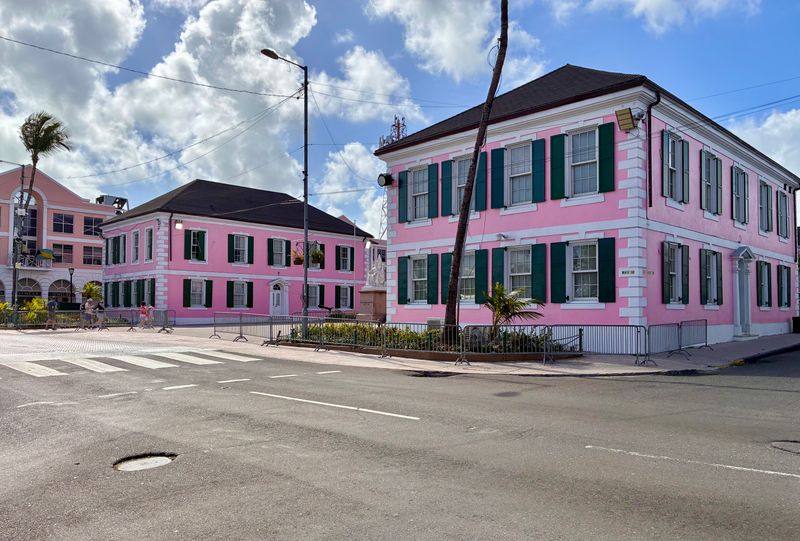
Nassau’s historic centre of pastel buildings, the pink Government House and colonial landmarks — a photogenic reminder of the island’s British and pirate past.
💡 The pink colonial buildings are the classic Nassau photo — go early before the crowds.
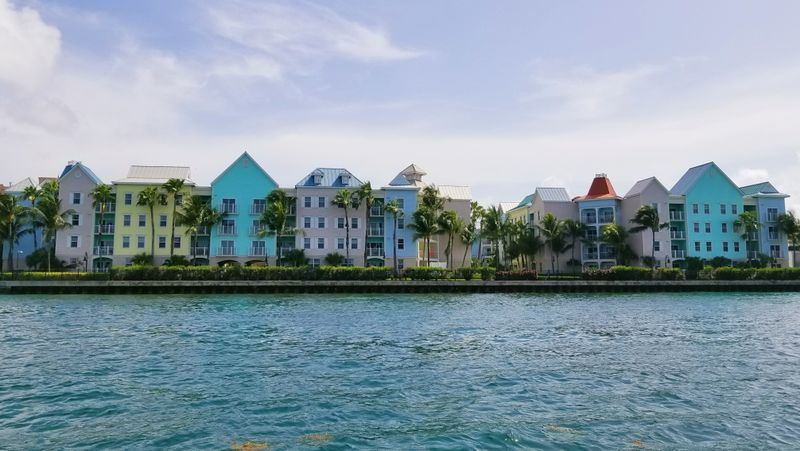
The main artery of downtown, running along the harbour past shops, the straw market and the cruise port — the busy, colourful core of the town.
💡 Dodge the midday cruise rush; mornings and late afternoons are calmer.
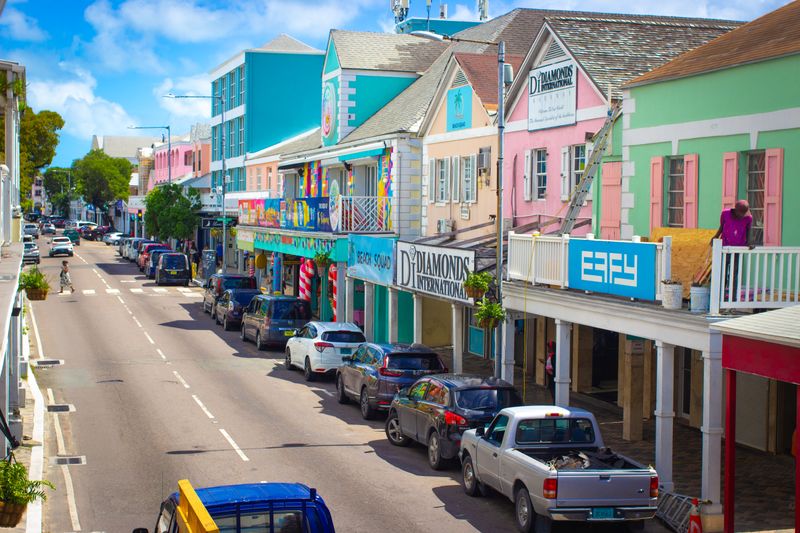
The famous straw market and the duty-free shops of Bay Street — a riot of colour, crafts, souvenirs and haggling in the heart of the old town.
💡 Haggle politely at the straw market — it is expected.
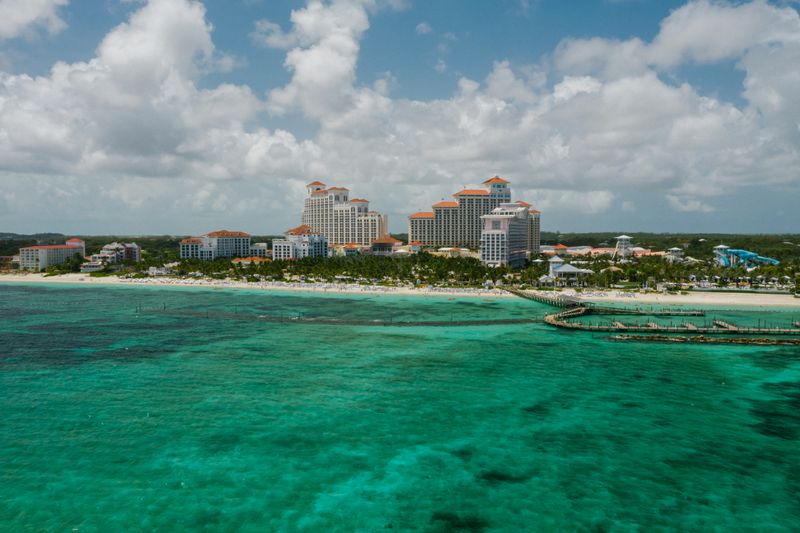
Just beyond downtown lie Cable Beach and Junkanoo Beach, and across the bridge the resort sands — classic Bahamian turquoise water and white sand.
💡 Junkanoo Beach is the closest to downtown for a quick swim.
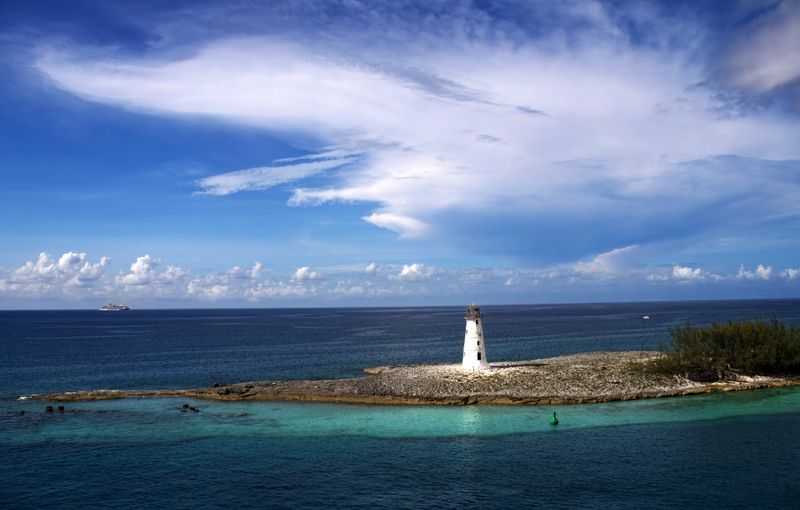
The hilltop forts — Fort Fincastle and Fort Charlotte — and the harbour lighthouse recall Nassau’s strategic, piratical history, with views over the town and sea.
💡 Climb the Queen’s Staircase up to Fort Fincastle for the view.
Bahamian food is built around the sea, and conch is king. Try conch salad (diced raw conch cured in citrus with peppers and onion), cracked conch (breaded and fried), conch fritters, plus fresh grouper, spiny lobster and peas ‘n’ rice. The place to eat it is Arawak Cay — the ‘Fish Fry’ — a strip of colourful shacks serving the freshest conch and cold Kalik and Sands beer. Downtown has everything from cruise-crowd cafes to smart resort dining, but the fish fry is the authentic, affordable heart of Nassau eating. Wash it down with a rum punch or the local Bahamian sky-juice.
Downtown Nassau is compact and walkable, and most cruise passengers explore the old town and Bay Street on foot. For further afield, cheap shared jitney buses run along the main routes to Cable Beach and Arawak Cay, and taxis are plentiful (agree the fare first, as they are unmetered). Paradise Island is reached by taxi or water taxi across the bridge. To reach the Out Islands, small domestic flights and the mail boats leave from Nassau. From the airport, a set-fare taxi reaches downtown in about 20 minutes. Renting a car is possible but rarely needed for a Nassau stay — remember they drive on the left.
The colonial centre, the straw market, the Queen’s Staircase and Fort Fincastle, then conch at Arawak Cay.
A beach day at Cable Beach or across on Paradise Island, or a snorkelling boat trip on the turquoise water.
Downtown heaves when ships are in — head to a beach or an Out Island day trip on the busiest days.
Arawak Cay is where locals eat conch — fresher, cheaper and far more fun than the cruise-strip restaurants.
Taxis are unmetered — settle the price before you get in, and use cheap jitney buses for short hops.
Downtown is calmest when few ships are docked — check the port schedule to time your old-town visit.
Nassau is the hub for flights to the quieter islands — a day trip to the Exumas is unforgettable.
Quick answers to the questions travellers most often ask before visiting Nassau.
Yes — as the Bahamian capital it blends colonial old-town charm, forts and the famous straw market with beautiful beaches and turquoise water, plus easy access to Paradise Island and the Out Islands. It is busiest with cruise crowds by day but rewards those who explore beyond Bay Street.
Explore the pastel colonial old town and pink Government House, shop the straw market and Bay Street, climb the Queen’s Staircase to Fort Fincastle, eat conch at the Arawak Cay Fish Fry, swim at Cable or Junkanoo Beach, and take a snorkelling or Out Island boat trip.
Arawak Cay, known as the ‘Fish Fry’ — a strip of colourful shacks serving the freshest conch salad, cracked conch and fried fish with cold local beer. It is the authentic, affordable heart of Nassau dining.
December to April brings the warmest, driest and most reliable weather, and is peak season. June to November is hurricane season, hotter and wetter with some storm risk, but quieter and cheaper.
The pastel colonial capital, the turquoise cays and swimming pigs of the Exumas, and the resort beaches of Paradise Island — the essential Bahamas.