BO
Potosi
Silver Mountain and the City That Funded an Empire
Silver Mountain and the City That Funded an Empire
The Casa Real de la Moneda (the Royal Mint; Calle Ayacucho 47; USD 6; Mon–Sat 9am–5pm; the finest colonial building in South America; originally built 1572, rebuilt 1759–1773; where all Spanish colonial silver coins were minted; the building covers an entire city block; the mint machinery — the original rolling mills used to flatten silver into coin-thickness sheets; still operable; the coin press room; the assay room where the silver purity was tested) is the most significant heritage building in Bolivia. The guided tour (included in entry; 2h; Spanish; English tours at additional cost) covers the colonial minting process from raw silver ore to finished peso coin in extraordinary detail.
💡 Book the English-language guided tour (available specific times; call ahead or ask at the entrance; USD 8–10 for English; 2h) for the full Casa Real experience. The coin collection (the oldest surviving colonial coins minted in Potosí from 1574; the evolution of the “pieces of eight” — the most widely circulated currency in world history; the coins that funded the Spanish Armada, the European Renaissance, and the global slave trade) is the most significant numismatic collection in South America.
Cerro Rico (the Rich Hill above Potosí; visible from the city as a perfect cone of reddish rock at 4,800m; the source of 8 billion USD in silver extracted between 1546 and 1800) still has approximately 15,000 cooperative miners working in its tunnels today in conditions of extreme difficulty. The Cerro Rico mine tours (organised through Potosí tour agencies; USD 15–30 including hard hat, lamp, and mine suit; 3–4h; enter the working tunnels with a miner guide; the dynamite gift tradition — tourists buy dynamite from the miners’ market as a gift for miners passed in the tunnels) are the most morally complex and emotionally powerful tourism experience in Bolivia.
💡 The mine tour requires physical fitness, no claustrophobia (the tunnels narrow to 60cm in places), and a considered approach to the ethics of mining tourism — the tours support the cooperative miners directly (the dynamite and coca leaf gifts; BOB 30–50 per tourist; the guides are current or former miners). The conditions inside (temperatures reach 45°C; arsenic, asbestos, and silica dust are present; the miners work without full safety equipment) are genuinely shocking. Book through a reputable Potosí agency (Big Deal Tours; Koala Tours) that donates portions of the fee to miner health programmes.
Potosí’s 22 surviving colonial churches (the most concentrated ensemble of colonial baroque religious architecture in South America; UNESCO 1987; a 45-minute walk covers the 8 most significant in the city centre) include: the Cathedral of Potosí (Plaza 10 de Noviembre; free; the neoclassical facade with baroque towers; the finest colonial church exterior in Bolivia), the Church of San Lorenzo de Carangas (the finest ornate mestizo baroque facade in Bolivia; the vine and sun patterns that blend Spanish baroque with Andean symbolism; free externally), and the Church of San Francisco (1547; the oldest surviving church in Potosí; the roof walk provides the finest panorama of the city and Cerro Rico).
💡 Walk the Potosí colonial church circuit (a self-guided 3km walk; start at the Cathedral; free externally for all churches; entry €2–4 for interiors; the most important interiors: San Francisco roof and San Lorenzo facade) in 2–3 hours. The mestizo baroque architectural style (the fusion of Spanish Renaissance and Andean indigenous imagery visible on the facade of San Lorenzo) is the most significant indigenous contribution to colonial Latin American art history.
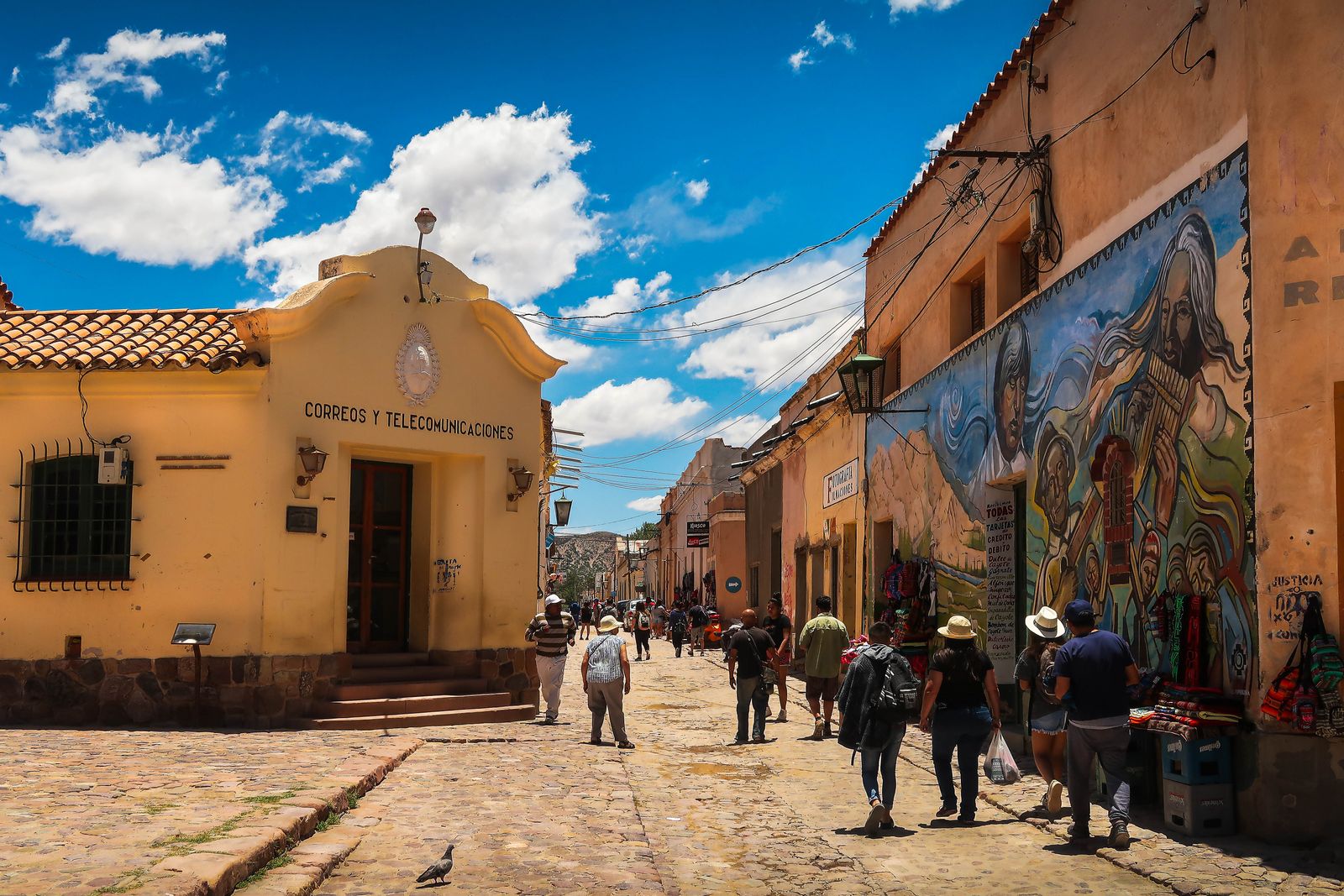
The Potosí historic centre (the 2km² UNESCO zone; a network of colonial streets around the Plaza 10 de Noviembre; substantially intact from the 17th–18th centuries; less polished and more genuinely lived-in than Sucre; the colonial architecture mixed with ordinary Bolivian urban life — the most authentic colonial city experience in Bolivia) and the Mercado Central (Horno 1; the covered market near the plaza; the best Potosí almuerzo del día at BOB 20–30; ch’uño — the freeze-dried potato of the Andes — available at every market stall; the most genuinely local food experience in the city) represent the non-museum Potosí experience.
💡 Walk the Potosí historic centre in the morning (before 10am; the streets are quiet; the colonial architecture visible without tour groups; the market setting up). The Mercado Central almuerzo del día (noon; BOB 25; soup + main + juice; the most filling and cheapest meal in Potosí; the Bolivian market lunch at its most authentic) is the essential food experience. Try ch’uño (the freeze-dried potato; blackened by repeated freeze-thaw cycles at altitude; the flavour is intensely earthy and the texture unique; available in the soups of virtually every market lunch).
Potosí’s food scene is functional rather than refined. The Mercado Central (the best almuerzo del día in Bolivia at BOB 20–30; the most authentic market lunch available) is the essential lunch stop. Kapac Restaurant (Calle Matos 6; the finest restaurant in Potosí; Bolivian cuisine with some international influence; USD 10–20 for a full dinner) is the best evening option. The colonial city’s specialities: api con pastel (the traditional Bolivian corn drink with fried dough; the warming morning drink at any market stall at BOB 8–12) is the essential Potosí breakfast. The altitude (4,090m; the world’s highest UNESCO city) means alcohol hits harder — one beer at 4,090m has the effect of two at sea level; drink cautiously.
Potosí at 4,090m is the world’s highest UNESCO city. Altitude sickness symptoms (headache, breathlessness, nausea) are normal for the first 24 hours. Rest, drink water, and avoid exertion on day 1.
Cerro Rico mine tours (USD 15–30; 4 hours; the working conditions inside are brutal; choose an agency that employs former miners as guides and pays them directly; bring coca leaves and dynamite as gifts).
The Royal Mint tour (English-language; USD 8–10; available specific times daily; the silver coin production 1572–1951; the Masque de Baco over the entrance) is the finest guided experience in Bolivia.
The Potosí–Sucre circuit (minibus; 3 hours; BOB 25–40; multiple daily departures from the Potosí bus terminal) is the natural two-city Bolivia highlands itinerary. Both cities reward 2 nights each.
The Church of San Lorenzo de Carangas (Calle Quijarro; free externally; the finest Mestizo baroque stone portal in South America; combining Spanish Baroque with indigenous Andean motifs) is 10 minutes from the main plaza.
Potosí drops to 0–5°C at night year-round. Pack a proper fleece and windproof jacket. Hotels are often cold inside — the thin air makes heating expensive and few invest sufficiently in insulation.
Arrive Potosí (3h bus from Uyuni or Sucre). Rest 2h at hotel (coca tea; no exertion; 4,090m). 2pm: Casa Real de la Moneda (English tour USD 10; 2h; the Royal Mint; coin collection). Colonial church circuit (San Lorenzo facade; Cathedral; San Francisco; 1.5h; free externally). Mercado Central almuerzo (BOB 25; noon or late lunch). Kapac dinner (USD 15–20). Early sleep.
8:30am: Cerro Rico mine tour (book previous evening; USD 20; 3h; hard hat + lamp + suit provided; buy dynamite at the miners’ market BOB 30; a morally important but physically demanding experience). Return noon. Market lunch. Historic centre afternoon walk (Horno 1 market; the colonial lanes; api con pastel at BOB 10). 3pm minibus to Sucre (3h; BOB 35; arrive 6pm).
Download Potosí offline. Navigation for the church circuit and Casa Real.
Free
Download Spanish offline. Mine guides speak limited English; basic Spanish is very useful.
Free
Multi-currency BOB. ATMs in the Plaza 10 de Noviembre area. Carry cash for the mine market.
Free
Bolivia-specific safety and practical tips from travellers. Mine tour agency recommendations and scam warnings.
Free
From the world’s highest capital to the infinite salt flats, colonial silver cities, and ancient Andean ruins.