TZ
Zanzibar
The Spice Island and Stone Town
The Spice Island and Stone Town

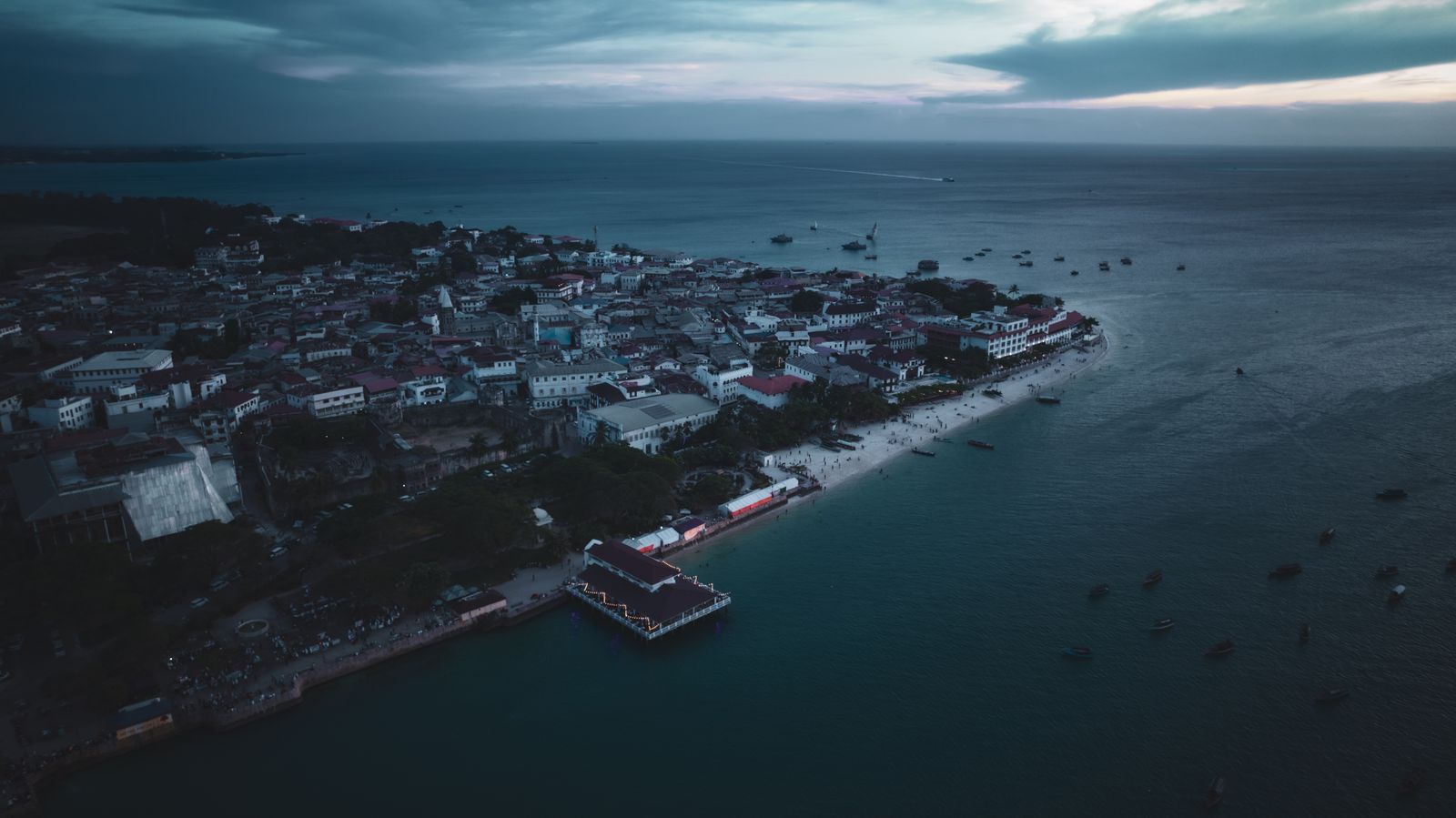
Stone Town (the UNESCO historic centre of Zanzibar City; the labyrinthine medieval lanes — too narrow for cars; the coral-stone buildings with their famous carved wooden doors — over 500 unique examples; the Persian, Arab, Indian, and European architectural mix; the Old Fort — Ngome Kongwe; the House of Wonders — Beit Al Ajaib; the Palace Museum; the slave chambers — the most harrowing and essential stop in Stone Town; the Cathedral Anglican Church built on the site of the final slave market in East Africa; and the Darajani market — the spice and food market; free to walk; the most complex historic city in East Africa) requires 2–3 hours of wandering to experience.
💡 Explore Stone Town at 6:30am (the lanes empty; the fishermen returning to the Forodhani Gardens waterfront; the early morning dhow traffic on the harbour; the ancient architecture without the tourist groups). The slave chambers (the basement cells where hundreds of enslaved people were held before auction; now within the Anglican Cathedral complex; USD 3; the most sobering 30 minutes in Zanzibar; essential for understanding the context of the Stone Town) and the Darajani market (the morning spice market; the cloves, cinnamon, and cardamom; the most fragrant market in East Africa; free) are the two essential morning stops.
The Zanzibar spice farm tour (the interior plantations; taxi from Stone Town USD 40–60 for a half-day including guide; the clove trees — the most important 19th-century export; the vanilla vines; the nutmeg; the cinnamon bark; the black pepper; the ylang-ylang perfume flower; the guide demonstrates the smell and taste of each spice in its growing environment; the freshest cinnamon and cloves available anywhere in the world; USD 5–10 for the tour plus purchase) is the finest agricultural tourism experience in East Africa and the most distinctively Zanzibari activity.
💡 The spice tour (arrange through your Stone Town hotel; the tour departs 9am from Stone Town; the half-day circuit covers 2–3 plantation farms; the guide breaks open nutmeg, cinnamon, vanilla, and clove for tasting and smelling in their growing environment; the lemongrass grass hat weaving; the coconut palm climbing demonstration by a local boy; the fresh coconut water at the end; USD 20–30 per person all-inclusive for a group tour; USD 40–60 for a private tour) is a genuinely memorable experience distinct from any other spice tour in the world.
Nungwi (the northern tip of Zanzibar; 60km from Stone Town; taxi 1h or daladala minibus GTK 30–40; the most popular beach in Zanzibar; the finest dhow boats visible offshore; the traditional dhow-building village; the sea turtle sanctuary — free; the most active beach scene with the widest range of water sports — snorkelling, diving, and kite surfing) and Kendwa (3km west of Nungwi; the calmer water — protected from the tidal variation that affects the Nungwi main beach; the finest swimming beach in Zanzibar; the Full Moon parties — the most celebrated beach event in East Africa; the sand bar accessible at low tide; excellent resort hotels) are the two finest north-coast beach destinations.
💡 Take the morning daladala from Stone Town to Nungwi (TZS 3,000; 1.5h; departs from the Darajani station; the most budget-friendly option; the local Zanzibari bus experience). The Nungwi beach morning (9–11am; the tide in; the Indian Ocean warm at 27–29°C; the dhow boats visible offshore; the fishing village active to the west of the beach; the turtle sanctuary — free; rehabilitating hawksbill and green sea turtles; visible at 1m distance in the lagoon enclosure) is the finest north-coast morning in Zanzibar.
Jozani-Chwaka Bay National Park (the only national park on Zanzibar; 30km from Stone Town; USD 10 entry; the last remaining indigenous coral rag forest in Zanzibar; the home of the Zanzibar red colobus monkey — the rarest primate in Africa; found only on Zanzibar island; approximately 3,000 individuals remaining; endemic subspecies; the monkeys are habituated and approach visitors at 1–2m distance in the Jozani Forest canopy walk; the mangrove boardwalk; the Sykes’ monkey and the blue monkey also present) is the finest wildlife experience available on Zanzibar and the best place to see the endemic red colobus in the world.
💡 Combine Jozani Forest with the east coast beach (Paje or Jambiani; 10km from Jozani; the finest east-coast kitesurfing beach; USD 3–5 kitesurf lesson per hour; or snorkelling in the turquoise Jambiani lagoon; USD 15–20 half-day) in a single day trip from Stone Town (taxi from Stone Town USD 50–70 for the Jozani + east coast circuit; 6 hours).
Zanzibar’s food scene is the finest in East Africa. The Forodhani Night Market (Stone Town waterfront; 6–10pm daily; the finest street food market in East Africa; the Zanzibar pizza — the thin bread filled with meat, egg, cheese, and vegetables and fried on a hot plate; TZS 3,000–5,000; the octopus skewers; the sugarcane juice; the urojo — the Zanzibar coconut curry soup; the most animated evening outdoor eating in Tanzania) is the essential dinner experience. The Emerson Spice rooftop restaurant (the finest restaurant in Stone Town; USD 25–45; Swahili fusion; the rooftop views over the Stone Town rooftops; book ahead). The Darajani market (the morning fresh fruit; jackfruit, mango, and passion fruit; TZS 1,000–2,000 per fruit; the finest tropical fruit breakfast in Tanzania) and the spice tea (the Zanzibar chai — clove, cardamom, ginger, and cinnamon; TZS 1,000; at any Stone Town cafe) are the essential morning food experiences.
Stone Town is most photogenic at 6:30am before tour groups from beach resorts arrive. Walk the Hurumzi and Gizenga alleys for the finest carved door collection in Zanzibar.
The slave chambers beneath Christ Church Cathedral (USD 3; guided tour; open 8am–5pm) held enslaved people awaiting Indian Ocean transport. The guide’s account is essential — allow 30 minutes.
Zanzibar is predominantly Muslim (97% of the population; the Islamic tradition dating from the 8th-century Arab traders; the call to prayer 5 times daily; Ramadan observed strictly).
Zanzibar spice farms (USD 15–25; 3 hours; best in the morning; book through your hotel; Kizimbani and Kidichi are the most established) identify 20+ spices growing in situ. Genuinely educational.
Forodhani Gardens Night Market (Stone Town waterfront; 6–10pm; Zanzibar pizza stall; fresh seafood grill; sugarcane juice) is the finest evening in Stone Town. Arrive at 6pm as stalls set up.
The Zanzibar red colobus (endemic; Jozani Forest; USD 8; 30km south of Stone Town; daytime visits) allows observation at under 3m from the forest floor. The only place on earth to see them.
6:30am: Stone Town dawn walk (free; 90 mins; carved doors; Darajani market). 9am: Anglican Cathedral slave chambers (USD 3; 30 mins). Darajani spice market (free; TZS 5,000 fresh spices). Old Fort (free externally). House of Wonders (exterior). Spice chai lunch (TZS 5,000). Forodhani Night Market dinner (6:30pm; TZS 20,000; Zanzibar pizza + octopus skewers + sugarcane juice).
9am: spice farm tour (USD 25; 4h; cloves, vanilla, nutmeg, cinnamon; fresh coconut). 1pm: Jozani Forest (taxi USD 10; USD 10 entry; the red colobus at 1m; mangrove walk; 2h). 3:30pm: Paje east coast (kitesurfing USD 30 lesson; or Jambiani lagoon snorkel USD 15). Sunset dinner at east coast hotel. Overnight east coast.
8am: taxi to Nungwi (USD 30; 1h). Turtle sanctuary (free; the hawksbill and green turtles). Nungwi beach morning swim (Indian Ocean 28°C; the finest beach in Zanzibar). Lunch at Nungwi beach restaurant (fresh grilled octopus; USD 12). Sunset dhow cruise (Nungwi dhow; USD 20–30; 2h; the Indian Ocean sunset from a traditional sail-powered dhow; sundowner drinks). Return Stone Town for flights.
Download Zanzibar Island offline for Stone Town navigation (the lanes are complex; even locals get lost) and beach routes.
Free
Download Swahili offline. “Jambo” (hello), “asante” (thank you), and “karibu” (welcome) are the essential Swahili greetings; they will delight local people.
Free
Multi-currency USD/TZS. ATMs in Stone Town; none at the beaches. Carry USD cash (small bills) for all beach and resort payments.
Free
Marine wildlife identification for snorkelling (sea turtles, octopus, starfish) and the Jozani red colobus monkey identification.
Free
Quick answers to the questions travellers most often ask before visiting Zanzibar.
The dry seasons — June to October and December to February — are best for the beaches and diving. The long rains fall from March to May, with shorter rains in November.
Four to seven days to combine Stone Town and a spice tour with time on the beaches at Nungwi, Kendwa or Paje — often as a relaxing add-on after a mainland safari.
Stone Town is walkable; taxis and shared dala-dalas connect the island, and transfers reach the spread-out beach resorts, with boats for the offshore trips.
The UNESCO-listed Swahili-Arab old city of Stone Town, its spice plantations (it’s the “Spice Island”), idyllic Indian Ocean beaches and turquoise water, dhow sailing and diving — the classic post-safari beach escape.
From the Serengeti Great Migration and the Ngorongoro Crater to Zanzibar’s spice island beaches, Kilimanjaro’s summit, and the safari capital of Arusha.