TZ
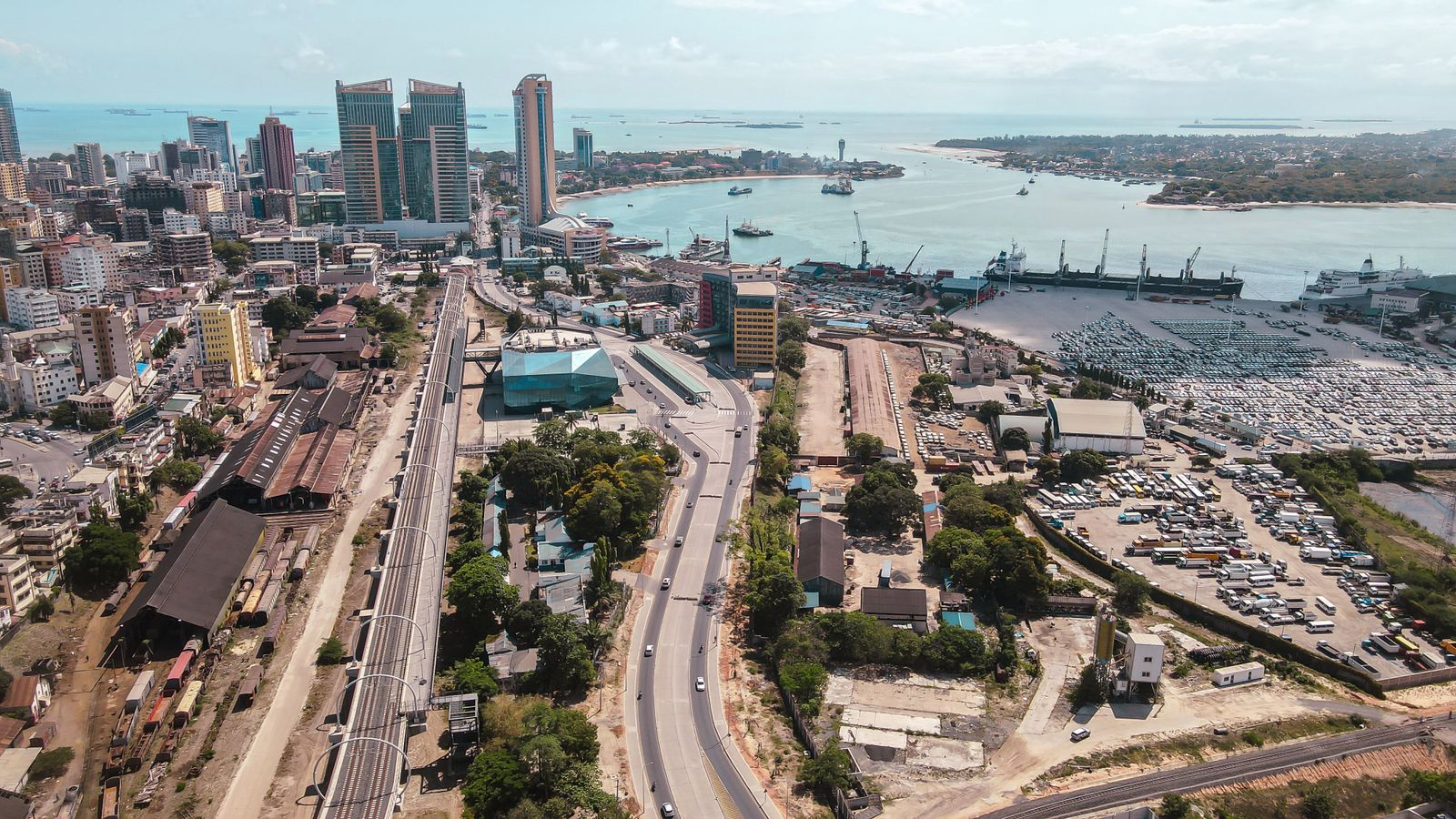
Dar es Salaam
Tanzania's Indian Ocean Gateway
Tanzania's Indian Ocean Gateway

The National Museum of Tanzania (Shaaban Robert Street; USD 5; Mon–Fri 9:30am–6pm; Sat–Sun 9:30am–5pm; the most important museum in Tanzania; the natural history, cultural history, and archaeology of Tanzania from the Dinosaur Age to independence; the fossil collection from Tendaguru — the world’s finest collection of Late Jurassic African dinosaur fossils; the hominin fossil casts from Olduvai Gorge including the “Zinj skull” — the Paranthropus boisei skull Mary Leakey discovered in 1959; the colonial history collection; the independence movement archive; and the German East Africa collection from the 1880–1918 colonial period) is the finest single museum in East Africa.
Allow 2–3 hours for the National Museum (the dinosaur fossil room — the Brachiosaurus and Dicraeosaurus bones from Tendaguru; the hominin fossil cast room — the Zinj skull; the Laetoli footprints cast; the Homo habilis collection; the cultural history room — the traditional dugout canoe from Lake Tanganyika; the German colonial maps; the Tanganyika African National Union independence display). The museum provides the most comprehensive overview of Tanzania’s natural and cultural history available in the country.
Photo: Jaba1977, CC BY-SA 4.0

Kariakoo Market (the Kariakoo neighbourhood; free entry; open daily 6am–6pm; the largest covered and outdoor market in East Africa; 4 city blocks of stalls selling: fresh tropical produce (the finest mango, jackfruit, and coconut in Dar es Salaam), dried fish (the dagaa — the tiny Lake Tanganyika sardines — in 50kg sacks), fresh spices (the finest clove and cardamom outside Zanzibar), fabric and batik kanga cloth (the printed East African wrap; the finest selection in Tanzania), secondhand clothes, electronics, and hardware) is the definitive market experience in Tanzania and the finest free urban exploration in Dar es Salaam.
The Kariakoo market at 7–9am (the most active; the fresh produce arriving; the freshest fish; the market women in kanga wraps arranging the spice stalls; the daladala minibuses unloading market-bound traders) is the finest time. Bring a guide or confident Swahili (the market is genuine; not tourist-oriented; a local guide from your hotel — USD 10–20 for 2h — provides cultural context and prevents the occasional overcharging of tourists unfamiliar with local prices). Budget TZS 10,000 for a bag of fresh fruit and spices.
Photo: Moongateclimber, Public domain
The Dar es Salaam to Zanzibar ferry (the Azam Marine or Kilimanjaro Fast Ferries; USD 35 tourist class; USD 25 economy class; departures daily at 7:30am, 9:30am, 12pm, and 3pm; the 2-hour crossing on the Indian Ocean; the Dar es Salaam skyline receding; the Zanzibar archipelago approaching; the dhow traffic on the ocean; the flying fish alongside the hull; the most scenic and practical transport in Tanzania) is the finest single mode of transport in East Africa and the essential Zanzibar approach for travellers based in Dar es Salaam.
Book the Zanzibar ferry at least 2 days ahead online (the Azam Marine website; the 7:30am departure reaches Zanzibar by 9:30am and allows a full day in Stone Town; the 9:30am departure arrives by 11:30am — better for accommodation check-in; tourist class is USD 35 for an air-conditioned cabin section; economy class USD 25 for the open deck). The ferry terminal (the Kivukoni ferry terminal; 20 minutes by taxi from the Msasani hotels; the immigration and customs checkpoint on arrival in Zanzibar; carry your passport).

The Slipway complex (the Msasani Peninsula; 10km north of the city centre by taxi; USD 5–10; the finest waterfront dining and craft market in Dar es Salaam; the dhow-building yard visible from the complex; the Indian Ocean sunset over the Msasani Bay; the restaurant cluster — the Waterfront Restaurant (the finest seafood in Dar es Salaam; USD 20–40; the fresh catch: lobster, red snapper, and prawns in the finest Swahili coconut sauce); the small craft market with Tingatinga art — the Tanzanian folk painting tradition using bright enamel paint; the finest Tingatinga originals in Dar es Salaam) is the finest evening destination in the city.
Taxi from your Dar es Salaam hotel to the Slipway (USD 5–10; 20–30 minutes; the Msasani Peninsula road; the most upscale neighbourhood in Dar es Salaam; the embassies, international schools, and expatriate compounds). The Slipway sunset (the Indian Ocean horizon to the west; the dhow-building yard active in the late afternoon; the fishing boats returning; the craft market open from 4pm) followed by the Waterfront Restaurant dinner (the fresh catch of the day; the coconut fish curry; the prawn piri piri; USD 25–40; the finest meal in Dar es Salaam) is the essential Dar es Salaam evening programme.
Photo: Xiaotong Gao, CC BY-SA 3.0
Dar es Salaam has the finest food scene in Tanzania (the international expat community, the Indian Ocean seafood supply, and the widest range of cuisines in the country). The Waterfront Restaurant at the Slipway (the finest seafood in East Africa; USD 20–40; the fresh-catch lobster and coconut fish curry), Karambezi Café at the Sea Cliff Resort (the finest Indian Ocean view restaurant in Dar es Salaam; USD 15–30; the sunset is extraordinary), and the Kariakoo market mandazi (the Swahili fried dough; TZS 200 each; the finest fried morning snack in Dar es Salaam) are the three defining food experiences. Ugali with mchuzi wa samaki (maize porridge with coconut fish curry; the Tanzanian national meal; available at any Kariakoo neighbourhood restaurant for TZS 3,000–5,000; the most authentic Dar es Salaam food experience) and the Dar es Salaam fresh coconut water (TZS 500–1,000 for a green coconut from any street vendor; the most refreshing hydration in the tropical heat) are the essential street food experiences.
🛂 Entry rules: visa and new visitor insurance
Most visitors need a Tanzania visa; apply online through the official Immigration e-visa portal before you travel.
New from 1 October 2026: all foreign non-resident visitors to mainland Tanzania must buy a US$44 visitor insurance policy from the state National Insurance Corporation, even if they already have travel insurance. Visitors arriving directly in Zanzibar buy the equivalent Zanzibar policy, required there since October 2024.
Official information: Tanzania Immigration: e-visa · Reviewed September 2026
Julius Nyerere International Airport (DAR; 3 terminals; USD 15–20 taxi to Msasani; 40 minutes) is Tanzania’s main gateway. Most visitors connect onward to Kilimanjaro (JRO) or Zanzibar the next day.
The Zanzibar fast ferry (IFC or Azam; 2 hours; from USD 35; departs Dar es Salaam port at 7am, 10am, 12:30pm, and 3pm daily) is the most direct connection. Book 1 day ahead at the port terminal.
Msasani Peninsula (Sea Cliff Hotel; the Slipway; Oyster Bay restaurants) is the safest and most comfortable Dar es Salaam district. Most business travellers and UN agency staff stay here.
Dar es Salaam seafood (the Dar Waterfront restaurants; the Msasani Slipway seafood grill; USD 15–30 per plate) is excellent and very fresh — prawns, lobster, and kingfish from the Indian Ocean.
The National Museum (USD 5; Shaaban Robert Street; Tue–Sun 9:30am–6pm; 2–3h) has the Zinj skull (1.8m years old; the most important paleoanthropology find in East Africa) and dinosaur bones.
Established Dar es Salaam taxis (white with black markings; USD 10–25 city journeys) are identifiable at the airport and port. Bolt and SafeBoda apps now operate in the city. Avoid unmarked vehicles.
Dar es Salaam is Tanzania’s biggest city and main port, and its traffic is heavy, so allow time. Around town you use taxis and the Uber and Bolt apps, three-wheeled bajaji, shared dala-dala minibuses, and the modern DART bus rapid transit along the main corridors; passenger rail is limited. The city is the springboard for Zanzibar — fast ferries cross to Stone Town in about two hours from the downtown terminal, and the airport has quick island flights. If driving, Tanzania is on the left. The shilling is the currency, with US dollars accepted for many tourist services; agree fares before rides.
9:30am: National Museum (USD 5; 2.5h; the Zinj skull; the Tendaguru dinosaurs; the Swahili history). Taxi to Kariakoo (USD 5; the market 11:30am; mandazi breakfast TZS 1,000; fresh mango and coconut; TZS 3,000; kanga fabric shopping; 1.5h). Taxi to Msasani (USD 5). Hotel rest in midday heat. 5pm: Slipway complex (the sunset; the dhow yard; the Tingatinga art market; 1.5h). Waterfront Restaurant dinner (fresh lobster or coconut fish curry; USD 30; the Indian Ocean sunset).
ZANZIBAR: 6am taxi to Kivukoni ferry terminal (USD 10; 20 mins). 7:30am Azam ferry (USD 35; 2h; Stone Town 9:30am). Or: Coco Beach morning (the Msasani beach; the coconut water; the morning fish grills). Airport transfer (Julius Nyerere; 25km from Msasani; 30–45 mins by taxi USD 15; allow 2.5h before departure).
Uber operates in Dar es Salaam and is the safest and most transparent transport option. Use for all journeys including airport transfer.
Free
Download Dar es Salaam offline. Navigate the Msasani Peninsula, Kariakoo, the ferry terminal, and the National Museum.
Free
Download Swahili offline. Kariakoo market vendors speak Swahili primarily; basic phrases for greetings and prices are essential.
Free
Multi-currency USD/TZS. ATMs in Msasani. The Slipway and hotel restaurants accept cards; Kariakoo is cash only.
Free
Quick answers to the questions travellers most often ask before visiting Dar es Salaam.
The dry seasons — June to October and December to February — are the most comfortable. The long rains fall from March to May, and it’s hot and humid year-round.
One to two days for the beaches, the fish market and the National Museum — most travellers pass through en route to Zanzibar or the safari parks.
Traffic is heavy; use taxis, ride apps like Bolt, three-wheeled bajaji, and the BRT rapid-bus system. Ferries to Zanzibar leave from the city’s port.
Tanzania’s largest city and main port — a busy, humid coastal hub with beaches and markets, and the primary gateway, by ferry or flight, to Zanzibar and the country’s safari circuit.
From the Serengeti Great Migration and the Ngorongoro Crater to Zanzibar’s spice island beaches, Kilimanjaro’s summit, and the safari capital of Arusha.
Planning a wider trip? Our Tanzania travel guide covers getting there, costs, when to go and more.