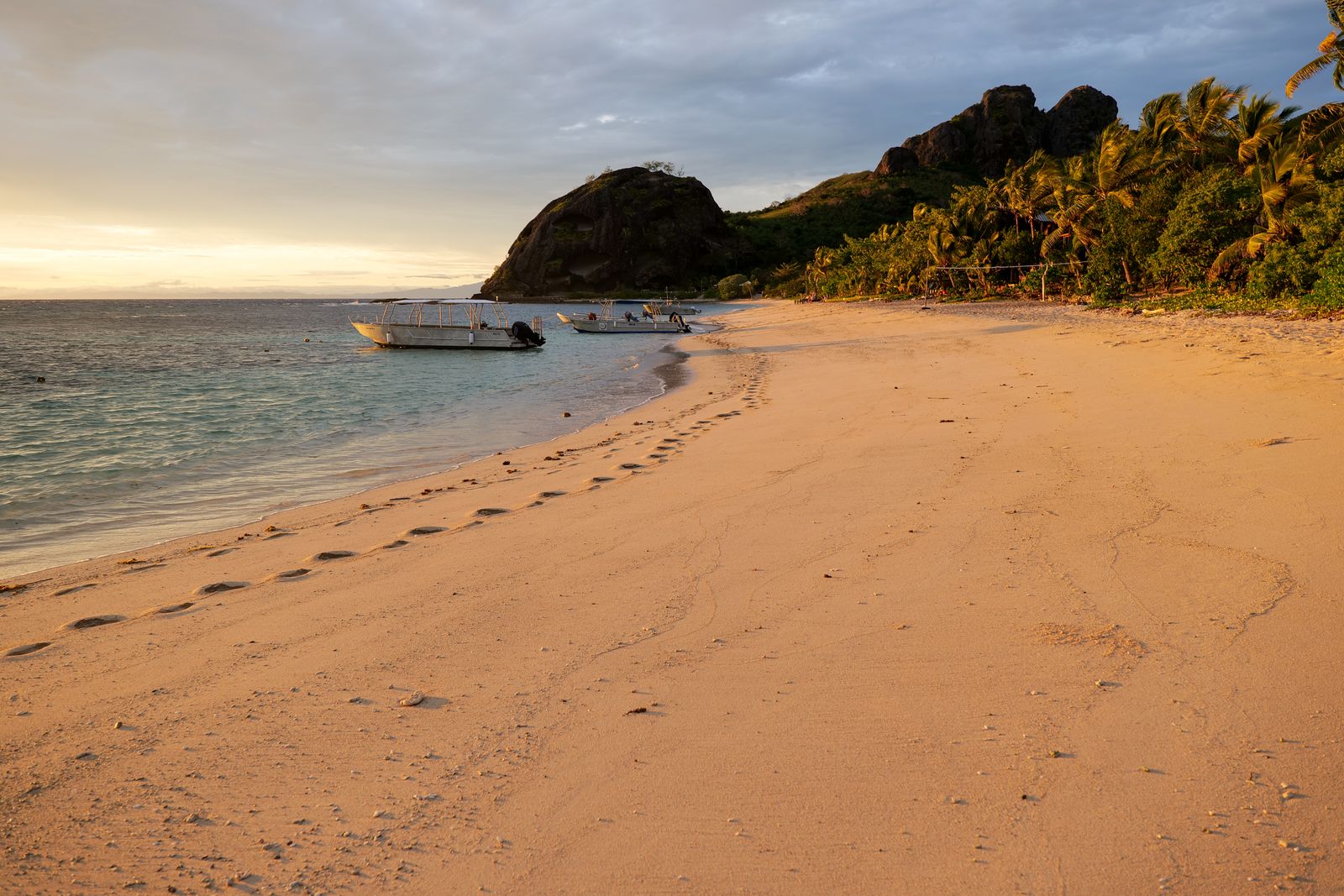
FJ
Yasawa Islands
Remote volcanic isles and the Blue Lagoon
Remote volcanic isles and the Blue Lagoon
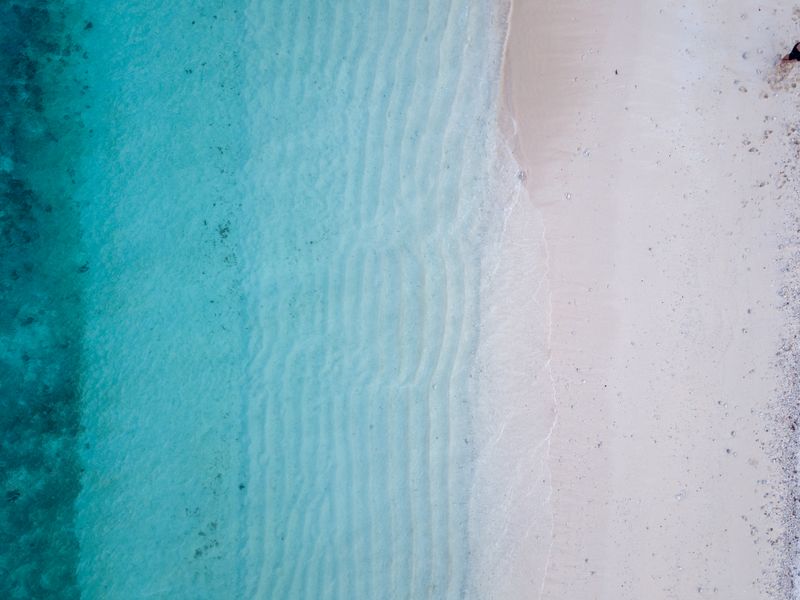
The stretch of impossibly turquoise water around Nanuya Lailai and the northern Yasawas that gave the Blue Lagoon films their name — sheltered, luminous and ringed by white sand and green peaks. It’s the archetypal Fiji swimming spot, backed by beaches and a handful of resorts, and remains as dreamlike as the movies made it look.
💡 Several islands claim a ‘Blue Lagoon’ — the classic is around Nanuya Lailai/Nacula in the north; swim, snorkel and paddle in some of Fiji’s clearest water.
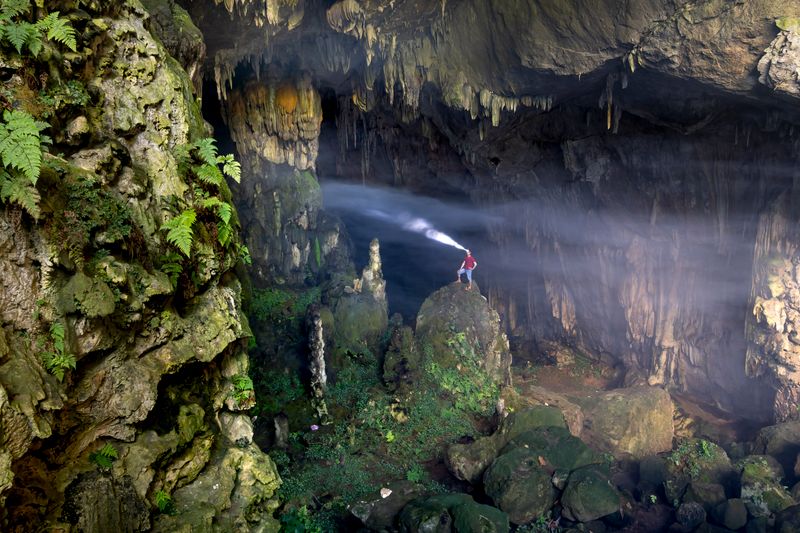
Beneath a limestone island in the northern Yasawas lie the sacred Sawa-i-Lau caves — a great domed grotto of clear water you swim into, lit by a shaft from above, with a second chamber reached by a short underwater passage for the brave. Long a spiritual site for local villages, it’s the Yasawas’ most atmospheric natural wonder.
💡 Boat trips from northern resorts include the caves and a village visit — the second, dark chamber is an optional short duck-dive with a guide; respect the site’s sacredness.
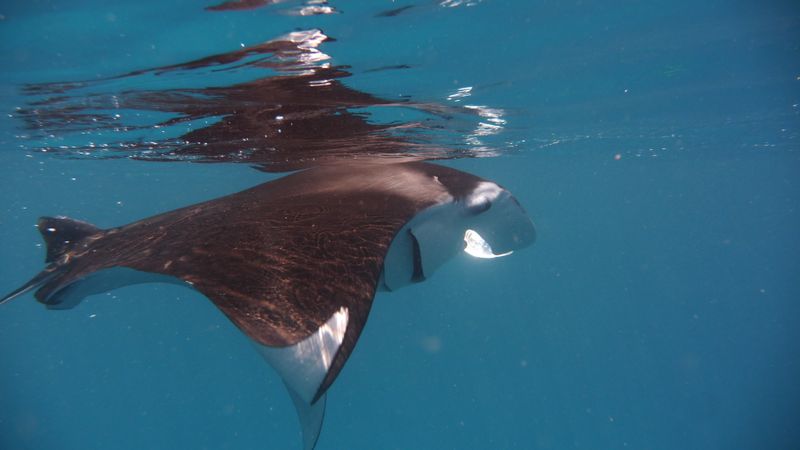
Between roughly May and October, giant manta rays funnel through the channels of the central Yasawas (around Naviti and the Manta Ray resorts) to feed, and snorkelling alongside these gentle giants is a Yasawa highlight. Year-round, the islands’ reefs and coral gardens offer brilliant snorkelling and diving straight from the beach.
💡 For mantas, base near Naviti in the season and heed the ‘manta!’ call — boats run out when they’re spotted; snorkel respectfully and never touch or chase them.
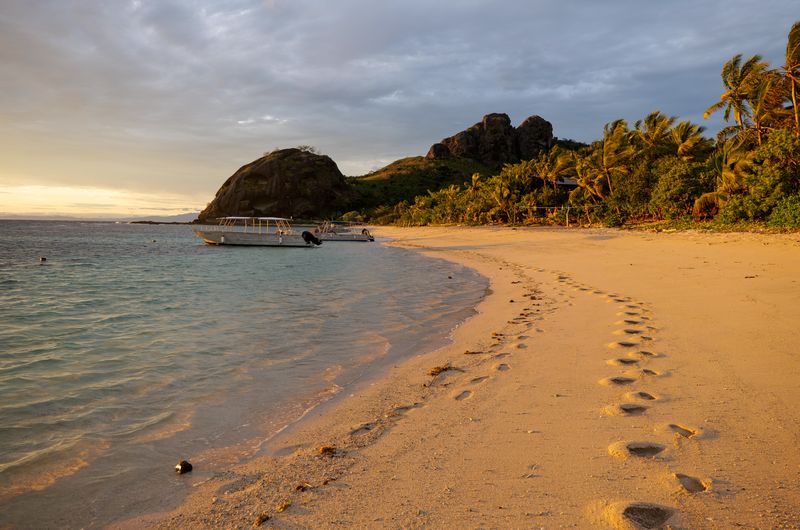
With no towns or roads, Yasawa life centres on its villages, and a visit — with the sevusevu kava ceremony, a church service’s glorious singing, or a meke performance — is the cultural heart of any stay. The islands’ volcanic ridges invite short, steep hikes to summit viewpoints over the whole turquoise-laced chain, and the sunsets and star-fields are extraordinary.
💡 Join a Sunday church service for the singing, bring a kava gift for village visits, dress modestly, and climb a ridge for sunset over the island chain.
Eating in the Yasawas means your resort or village homestay — there are no restaurants, shops or towns — so meals are included and island-simple, built on what the sea and gardens provide. Expect fresh reef fish and lobster, kokoda (raw fish in lime and coconut cream), root vegetables (cassava, taro), tropical fruit, coconut in everything, and the weekly lovo earth-oven feast and meke night. Backpacker resorts serve hearty buffet meal packages; upscale hideaways do more refined island cuisine, still seafood-led. There’s little choice and prices are high (everything arrives by the Flyer catamaran), so meal packages are the norm. Cool it with a Fiji Bitter, a fresh coconut, or — the real Yasawa ritual — a bowl of kava shared with your hosts and fellow guests as the stars come out. Simple, fresh and communal, it’s dining as part of island life.
In season, answer the ‘manta!’ call and boat out to snorkel alongside giant manta rays gliding through the channels — the Yasawas’ unforgettable wildlife encounter.
Swim and snorkel the luminous Blue Lagoon, then a beach lunch — kokoda and fresh fish — in water and scenery straight off a film set.
Boat to the domed Sawa-i-Lau grotto for a swim into the sacred limestone cave, paired with a village visit and the warm welcome of a kava ceremony.
A lovo feast and meke dancing, then a bowl of kava shared with hosts and fellow travellers beneath a Yasawa sky ablaze with stars — island life at its purest.
The daily Yasawa Flyer catamaran threads the whole chain from Denarau — island-hop with a ‘Bula Pass’ or ride to a single hideaway; there are no roads or cars.
Manta rays gather around the central Yasawas roughly May–October — base near Naviti in season for the chance to snorkel with them.
No towns, shops, ATMs or (often) reliable wifi — bring cash, essentials and a relaxed mindset; this is deliberately away-from-it-all Fiji.
Bring a kava sevusevu gift, dress modestly, remove hats in villages, and join a Sunday service for the singing — Yasawa culture is warm and central to a stay.
With no restaurants, resorts include meals — factor this into budgets; backpacker islands are surprisingly affordable all-in.
The films were shot here — the scenery lives up to it; pick your island by vibe (party backpacker vs. quiet luxury), as you’re committed once you arrive.
Plan the Denarau departure — the islands themselves run on the Yasawa Flyer timetable.
Free
How island resorts and boat operators take bookings and coordinate transfers.
Free
Convert Fijian dollar prices for transfers and island extras — carry cash, as ATMs are absent.
Free
Multi-currency card for the mainland — but bring physical Fijian-dollar cash for the islands.
Free
The gateway of Nadi, the real-Fiji capital Suva, the family-friendly Coral Coast, the postcard Mamanucas and the remote Yasawas — Fiji runs from mainland to castaway.