FJ
Coral Coast
Viti Levu's resort-lined southern shore
Viti Levu's resort-lined southern shore
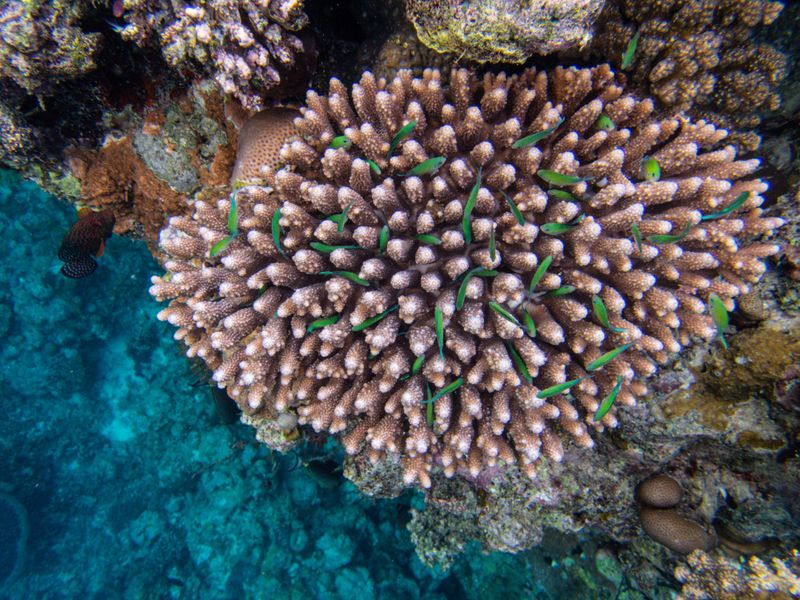
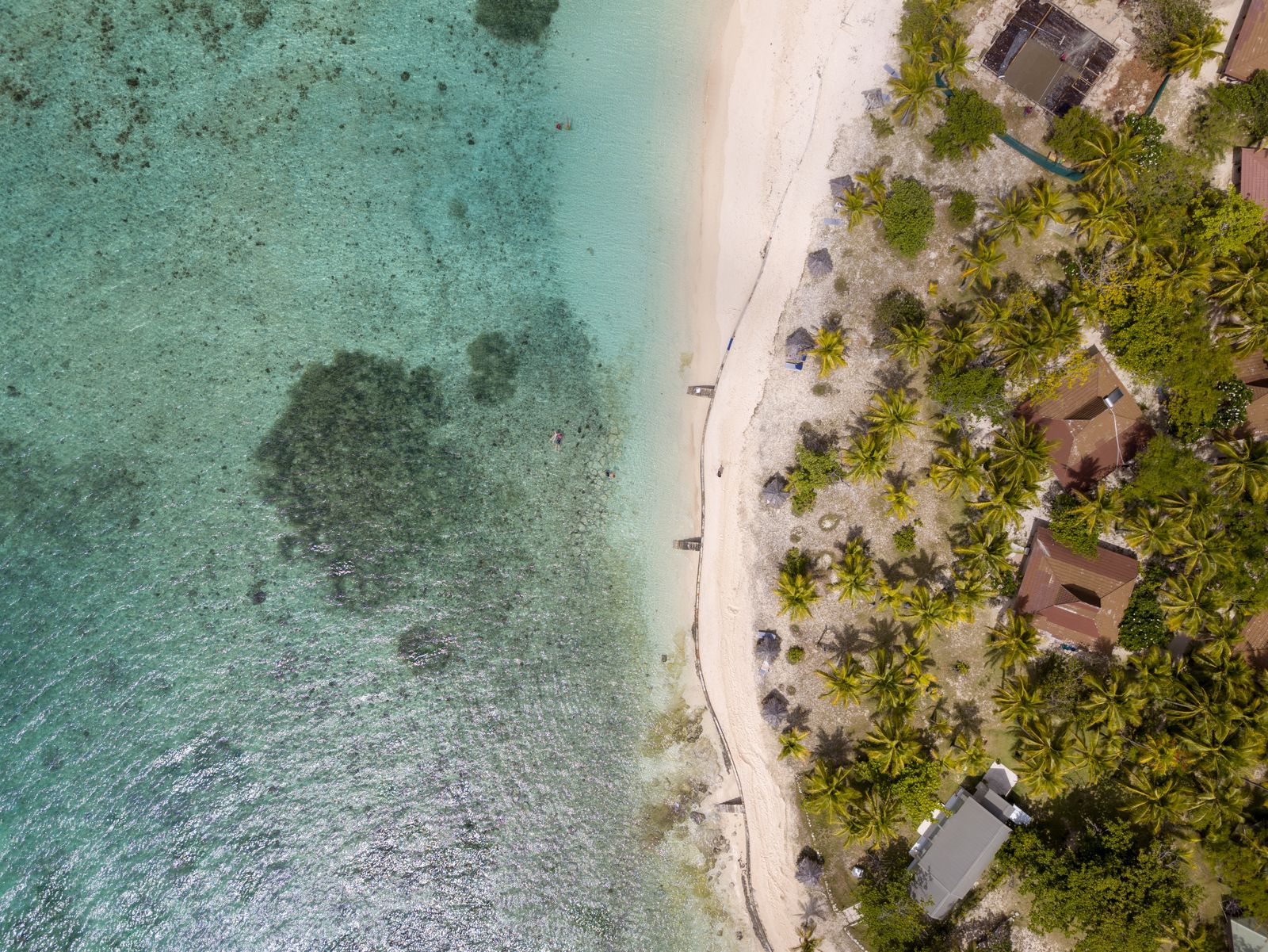
The Coral Coast is named for the reef that runs just off its shore, and snorkelling it is the daily pleasure — shallow coral gardens teeming with fish reachable straight from the beach at many resorts, and boat trips to the outer reef and the deep-blue drop-offs beyond. At low tide the reef flats become a walkable wonderland of coral, sea cucumbers and darting fish.
💡 Check the tides — snorkelling is best at higher water; reef shoes protect against sharp coral on the flats, and never stand on living coral.
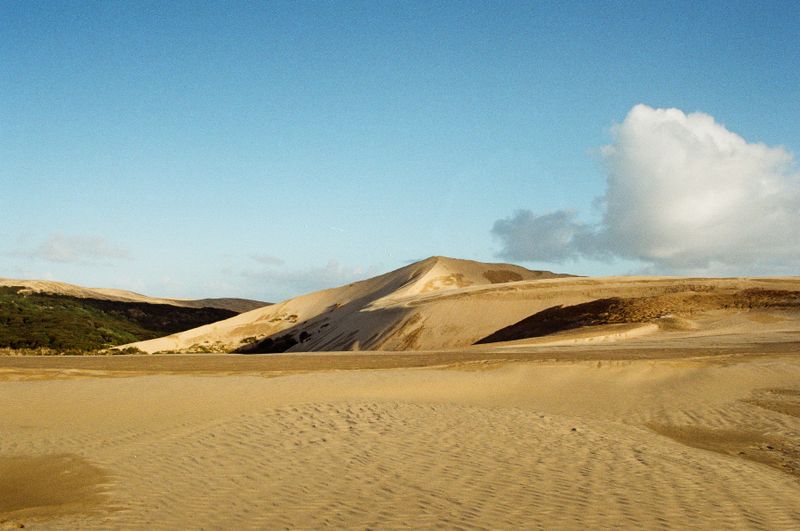
Behind the coast, the Sigatoka Sand Dunes — Fiji’s first national park — rise in great wind-sculpted ridges above the river mouth, hiding one of the Pacific’s most important archaeological sites, with 2,600-year-old pottery and burials eroding from the sand. The Sigatoka River valley inland is ‘Fiji’s salad bowl’, its villages reached by jet-boat ‘river safari’ trips.
💡 Walk the dunes early or late (it’s hot and exposed); a Sigatoka River jet-boat safari with a village visit is one of the Coral Coast’s best day trips.
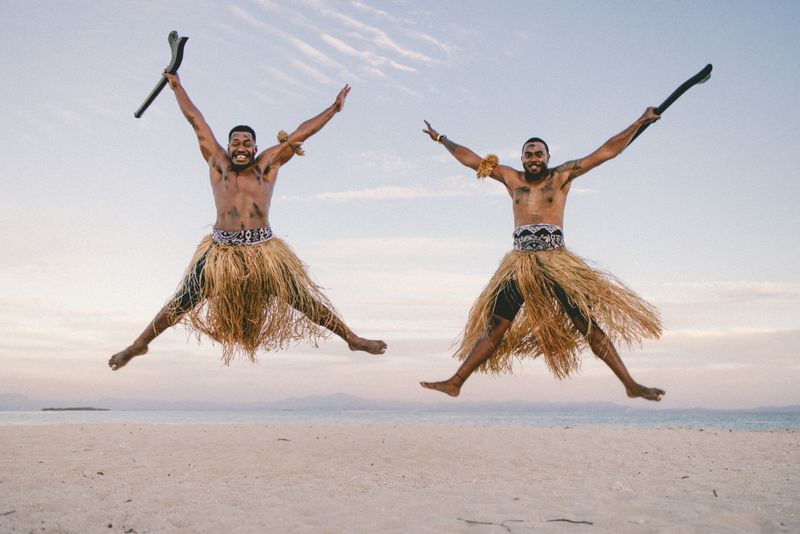
The Coral Coast’s villages open their doors to visitors for genuine cultural experiences — the sevusevu kava ceremony of welcome, meke song-and-dance, lovo earth-oven feasts, and, at Beqa-linked communities, the astonishing fire-walking tradition of walking barefoot over white-hot stones. It’s Fiji’s most accessible cultural immersion.
💡 Visit a village with a guide or your resort, bring a bundle of kava as a sevusevu gift, dress modestly (cover shoulders and knees), and remove hats in the village.
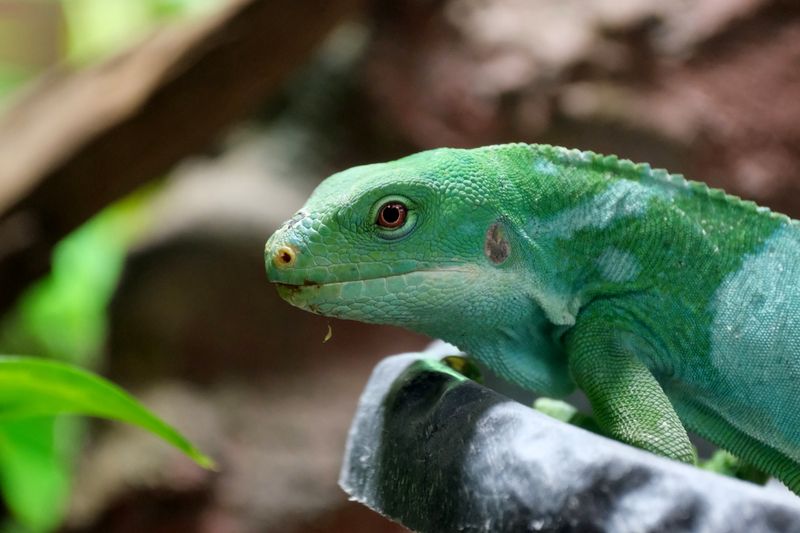
A conservation park on the coast where you can meet Fiji’s unique wildlife — the spectacular crested and banded iguanas, flying foxes, native birds and reef fish — amid rainforest, with zip-lines and waterslides for families. It’s the best place to see the endemic species you won’t spot on the beach, and supports their breeding and protection.
💡 Great for families and a rainy-day option — the crested iguana breeding programme is a highlight; combine with a beach afternoon.
The Coral Coast eats mostly at resorts and their restaurants, with a scattering of roadside cafes, curry houses and village stalls in and around Sigatoka town for cheaper, more local flavours. The Fijian classics are the thing to seek out: kokoda (raw fish in lime and coconut cream), lovo feasts of meat and root vegetables cooked in an earth oven (often a weekly resort ‘island night’), rourou (taro leaves in coconut), and fresh reef fish and lobster. Sigatoka town has good, cheap Indo-Fijian curries and a lively market. Resorts do everything from beach barbecues to buffets and ‘island nights’ with meke dancing. Cool it with a Fiji Bitter, fresh coconut, or the ceremonial kava. Self-caterers find supermarkets in Sigatoka; otherwise, a resort island-night lovo-and-meke evening is the essential Coral Coast meal.
Snorkel the fringing reef straight off the beach at high tide, or walk the wind-sculpted Sigatoka Sand Dunes national park with its ancient pottery and ocean views.
Take a jet-boat safari up the Sigatoka River into ‘Fiji’s salad bowl’, stopping at an interior village for a warm welcome and lunch — the real Fiji behind the coast.
Meet crested iguanas and flying foxes at Kula Wild Adventure Park, or join a coastal village’s kava ceremony and, at some, the astonishing fire-walking.
An ‘island night’ at your resort — a lovo feast from the earth oven and meke song-and-dance under the palms — the essential Coral Coast evening.
The Coral Coast strings resorts, villages and sights along one scenic coastal highway between Nadi and Suva — easy by hire car or the cheap express buses.
The fringing reef is shallow — snorkel at higher tide, wear reef shoes on the flats, and never walk on living coral; resorts post the day’s tide times.
For village visits bring a kava sevusevu gift, dress modestly, remove hats, and follow your host’s lead — Fijian welcome is warm and worth honouring.
The Coral Coast is the place to witness Fijian fire-walking — barefoot over white-hot stones; some resorts host it on ‘island nights’.
With beaches, reefs, wildlife parks and no boat transfers, the Coral Coast is Fiji’s easiest base for families and first-timers.
May to October is sunny and cooler; the wet season (Nov–Apr) is hotter and cyclone-prone, though prices drop.
Directions along the Coral Coast highway and into the Sigatoka valley.
Free
How resorts, tour operators and drivers communicate and take bookings.
Free
Multi-currency card with strong rates for Fijian dollar card payments and ATM withdrawals.
Free
The gateway of Nadi, the real-Fiji capital Suva, the family-friendly Coral Coast, the postcard Mamanucas and the remote Yasawas — Fiji runs from mainland to castaway.