FJ
Suva
The lively South Pacific capital
The lively South Pacific capital
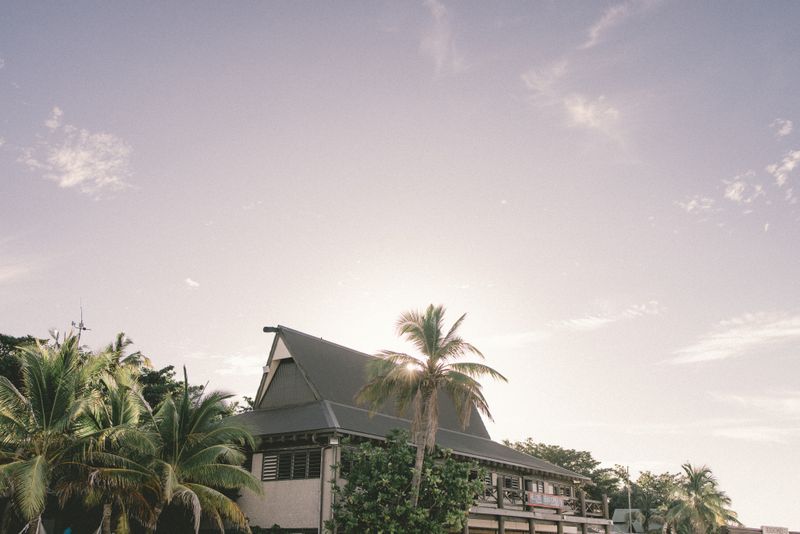
Set in the lush colonial-era Thurston Botanical Gardens, the Fiji Museum holds the finest collection of Fijian and Pacific artefacts anywhere — great double-hulled voyaging canoes (drua), war clubs, cannibal forks, the rudder of HMS Bounty, and 3,700 years of island history. It’s the single best place to grasp Fijian and wider Pacific culture.
💡 Give it a couple of hours — the drua canoe and the exhibits on the missionary era and Indo-Fijian arrival are highlights; the gardens are a shady stroll around it.
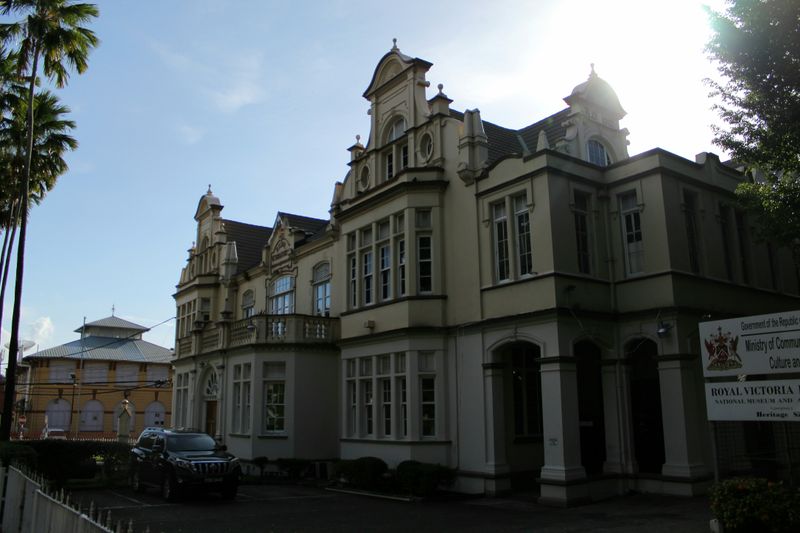
Suva’s centre is a rare, walkable ensemble of South Pacific colonial architecture — the grand Government Buildings, the old Grand Pacific Hotel restored to its former glory on the seafront, the Roman Catholic cathedral and streets of verandahed shophouses. The harbour-front promenade and the buzzing shopping streets show the modern city at work.
💡 Stroll the seafront to the restored Grand Pacific Hotel for a colonial-era drink; the compact centre is best explored on foot despite the humidity.
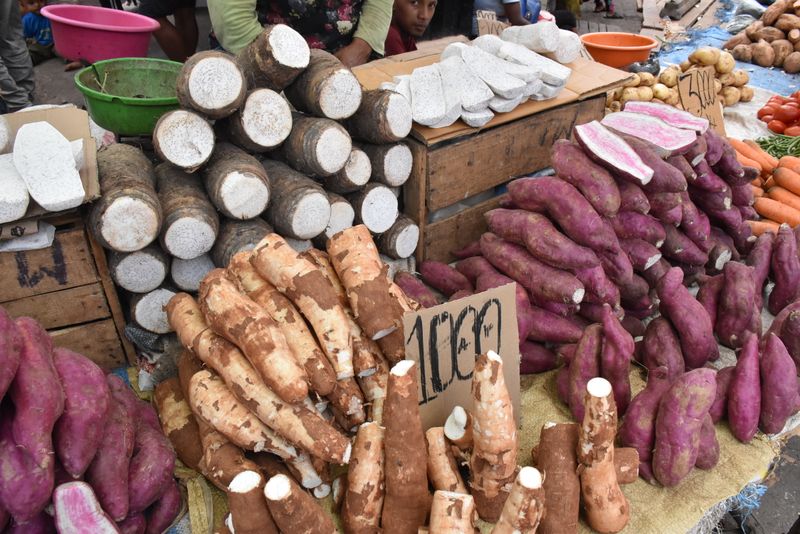
One of the largest and liveliest produce markets in the South Pacific — a sensory overload of taro, cassava, tropical fruit, seafood, spices, and mountains of kava root, spread over an airy hall and spilling into the surrounding streets. It’s the beating heart of everyday Suva and the best window into island and Indo-Fijian food culture.
💡 Go on a Saturday morning when it’s at its fullest; the upstairs kava section is where you’ll see the mountains of yaqona root that fuel Fijian social life.
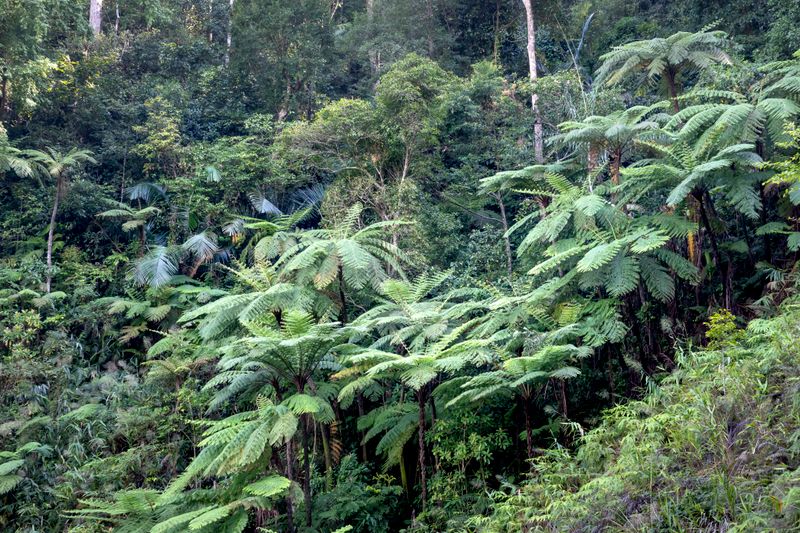
Just outside the city, the Colo-i-Suva Forest Park is a cool, green escape — rainforest trails winding to natural swimming pools and waterfalls beneath towering mahogany, alive with birdsong and butterflies. It’s the antidote to the humid streets, and proof of why this side of Viti Levu is so lush.
💡 Take a guide or go in a group (and mind belongings); the natural pools with rope swings are a refreshing dip after the humid city.
Suva is Fiji’s true food capital, and its diversity is the draw — the country’s best Indian restaurants (the Indo-Fijian community is strong here), Chinese eateries, Pacific-Islander cooking and a young cafe scene fed by the university crowd. Fill up on cheap, superb curries and roti; try Fijian staples like kokoda (lime-and-coconut raw fish), rourou (taro leaves in coconut cream), and lovo-cooked meats; and graze the market’s food stalls. The seafront and central streets have everything from hole-in-the-wall curry houses to smarter restaurants and the colonial grandeur of the Grand Pacific Hotel for a splurge. Cool it with a Fiji Bitter, fresh coconut, or a bowl of kava in a local nakamal. Rainy, humid Suva eats better and cheaper than anywhere in the country — a real highlight for food-minded travellers.
Start at the Fiji Museum in Thurston Gardens — the great voyaging canoes and 3,700 years of Pacific history — the best cultural primer in the country.
Walk the colonial centre to the restored Grand Pacific Hotel and the seafront, then dive into the huge municipal market for produce, kava and a cheap curry lunch.
Head to Colo-i-Suva Forest Park just outside town for rainforest trails, waterfalls and natural swimming pools — a cool green break from the humid city.
Back in the city for Fiji’s best Indian food or fresh kokoda, and — if invited — a welcoming bowl of kava, the social heart of Fijian evenings.
Suva is the green, urban, multicultural capital — wetter and realer than the resort coast; come to see everyday Fiji and its best museum and food.
Suva is one of the wettest cities in the Pacific — humid and showery even in the ‘dry’ season; pack a light rain layer and embrace the lushness.
The Indo-Fijian community makes Suva the country’s curry capital — cheap, superb roti and curry; the market food stalls are a bargain too.
Suva is 3–4 hours by road from Nadi/the airport around Viti Levu — an easy add-on if you have time, but most beach trips skip it; buses are cheap.
Suva is the heart of kava culture — the market’s yaqona mountains say it all; a nakamal kava session is a genuine local experience.
Suva is Fiji’s most affordable base — markets, curries and buses cost little; carry Fijian dollars for the market and small eateries.
How guesthouses, drivers and tour operators communicate and take bookings.
Free
Convert Fijian dollar prices for the market, taxis and tours.
Free
Multi-currency card with strong rates for Fijian dollar card payments and ATM withdrawals.
Free
The gateway of Nadi, the real-Fiji capital Suva, the family-friendly Coral Coast, the postcard Mamanucas and the remote Yasawas — Fiji runs from mainland to castaway.