FJ
Nadi
Fiji's gateway and island springboard
Fiji's gateway and island springboard
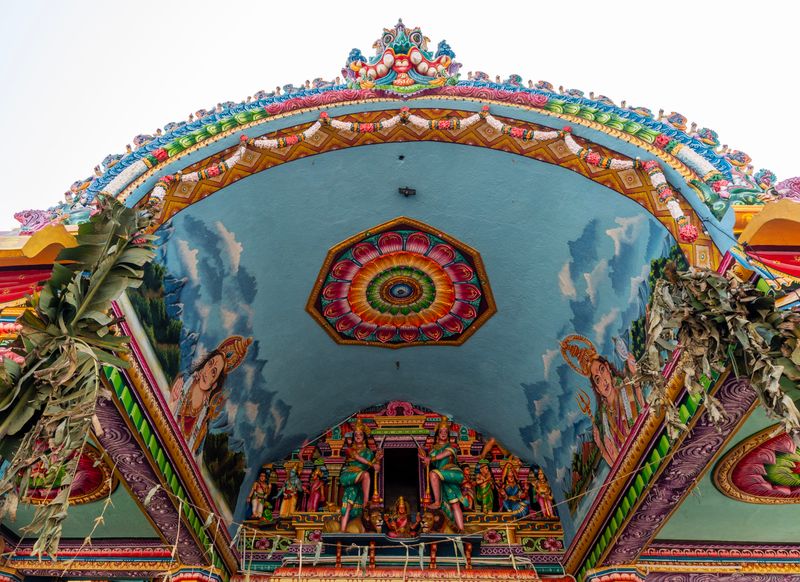
At the end of Nadi’s main street rises the largest Hindu temple in the southern hemisphere — a riot of colourful South-Indian Dravidian architecture, its gopuram towers covered in vividly painted deities, honouring the god Murugan. A rare and beautiful reminder that Fiji is home to a large Indo-Fijian community descended from indentured labourers, it’s a serene, fascinating stop.
💡 Dress modestly (sarongs provided), remove shoes, and no photography is allowed inside the shrine — the exterior towers are the visual highlight.
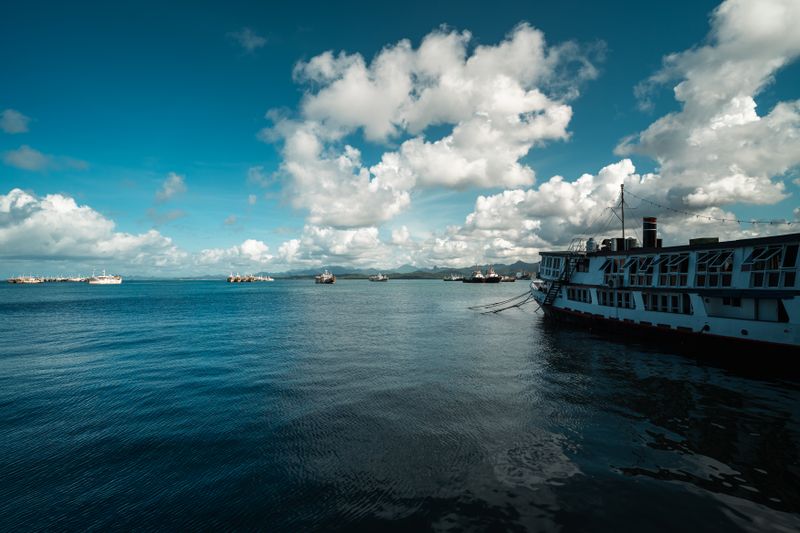
A short drive from town, Port Denarau is the beating heart of Fiji tourism — the marina where the South Sea and Awesome Adventures catamarans depart for the Mamanuca and Yasawa islands, ringed by restaurants, bars and shops. The adjoining Denarau Island is a manicured enclave of big-name resorts, a golf course and a calm (if not spectacular) beach.
💡 This is where you’ll catch your island ferry — arrive early, and the marina’s restaurants make a pleasant last-night dinner before or after the islands.
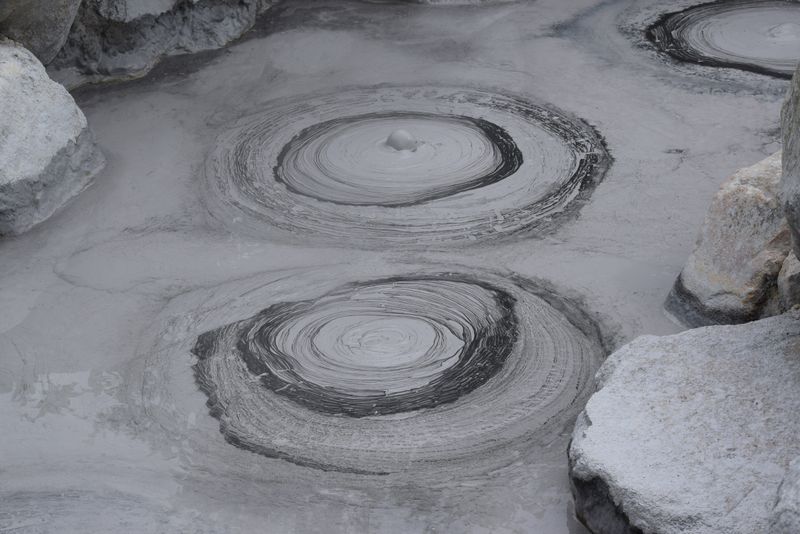
In the hills behind Nadi, the Sabeto (Sleeping Giant) hot springs and mud pools are a gloriously messy local favourite — you coat yourself in warm mineral mud, let it dry, then rinse off in a series of hot thermal pools. It’s cheap, fun and good for the skin, often combined with the nearby Sleeping Giant orchid gardens.
💡 Wear a swimsuit you don’t mind staining, bring a towel, and combine it with the Garden of the Sleeping Giant orchids for an easy half-day out of town.
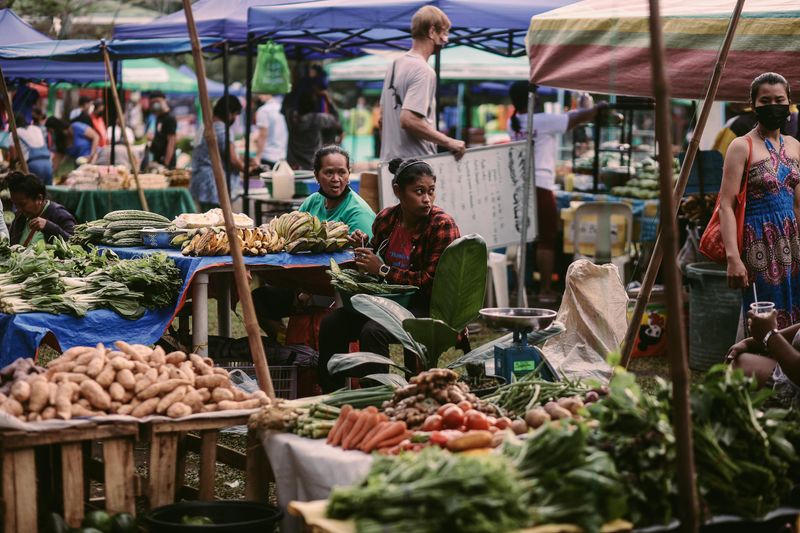
Nadi’s main street and covered market are a slice of everyday Fiji — stalls of tropical produce, kava root, spices and handicrafts, tailors and duty-free shops, and the friendly ‘Bula!’ greeting everywhere. It’s a good place to buy provisions and souvenirs (and a bundle of kava as a village gift) before heading to the islands.
💡 Buy a bundle of waka (kava root) at the market as a sevusevu — the traditional gift to present when visiting a Fijian village; the market is liveliest on Saturday.
Nadi’s food reflects Fiji’s mix — Fijian, Indian and Chinese — and it’s where you’ll eat the country’s best and cheapest curries, thanks to the large Indo-Fijian community. Try a roti parcel or a fiery goat curry, alongside Fijian dishes like kokoda (the local ceviche of raw fish ‘cooked’ in lime and coconut cream), lovo (food cooked in an earth oven), and cassava and taro sides. Nadi town has cheap curry houses and cafes; Denarau has pricier resort restaurants and international options for a last-night treat. Wash it down with a cold Fiji Bitter or Fiji Gold beer, fresh coconut water, or — for the full experience — a bowl of kava (yaqona), the earthy, mildly numbing national drink shared in a ceremony of welcome. Eat curries in town to save; the islands ahead will be pricier.
Start at the vivid Sri Siva Subramaniya temple, the southern hemisphere’s largest, then Nadi’s market for produce, kava and souvenirs — and a curry-house roti for lunch.
Head into the Sabeto hills for a messy soak in the hot mud pools and thermal springs, paired with the orchids of the Garden of the Sleeping Giant.
Over to Port Denarau to sort island logistics, wander the marina shops and restaurants, and (if not sailing today) a swim at the resort beach.
A last-night dinner — fiery Indo-Fijian curry or fresh kokoda — and, if you can, a welcoming bowl of kava before the islands call in the morning.
Nadi is Fiji’s arrival hub and island springboard rather than a beach destination — plan a night here for logistics, but the islands are the real prize.
Boats to the Mamanucas and Yasawas depart Port Denarau — book island transfers and ‘Bula Pass’ hopping tickets ahead, especially in peak season.
Kava (yaqona) is central to Fijian welcome — buy a bundle as a sevusevu gift for village visits, and accept a bowl graciously with a clap and a ‘Bula!’
Nadi has Fiji’s best and cheapest Indian food thanks to the Indo-Fijian community — fill up on roti and curry in town before the pricier islands.
May to October is dry, sunny and cooler — ideal; November to April is hotter, wetter and cyclone-prone, though deals abound.
Cover shoulders and knees, remove shoes, and don’t photograph inside the shrine — sarongs are provided at the entrance.
How resorts, transfer operators and tours communicate and take bookings.
Free
Multi-currency card with strong rates for Fijian dollar card payments and ATM withdrawals.
Free
The gateway of Nadi, the real-Fiji capital Suva, the family-friendly Coral Coast, the postcard Mamanucas and the remote Yasawas — Fiji runs from mainland to castaway.