EC
Guayaquil
Ecuador's Pacific Port and Malecon City
Ecuador's Pacific Port and Malecon City

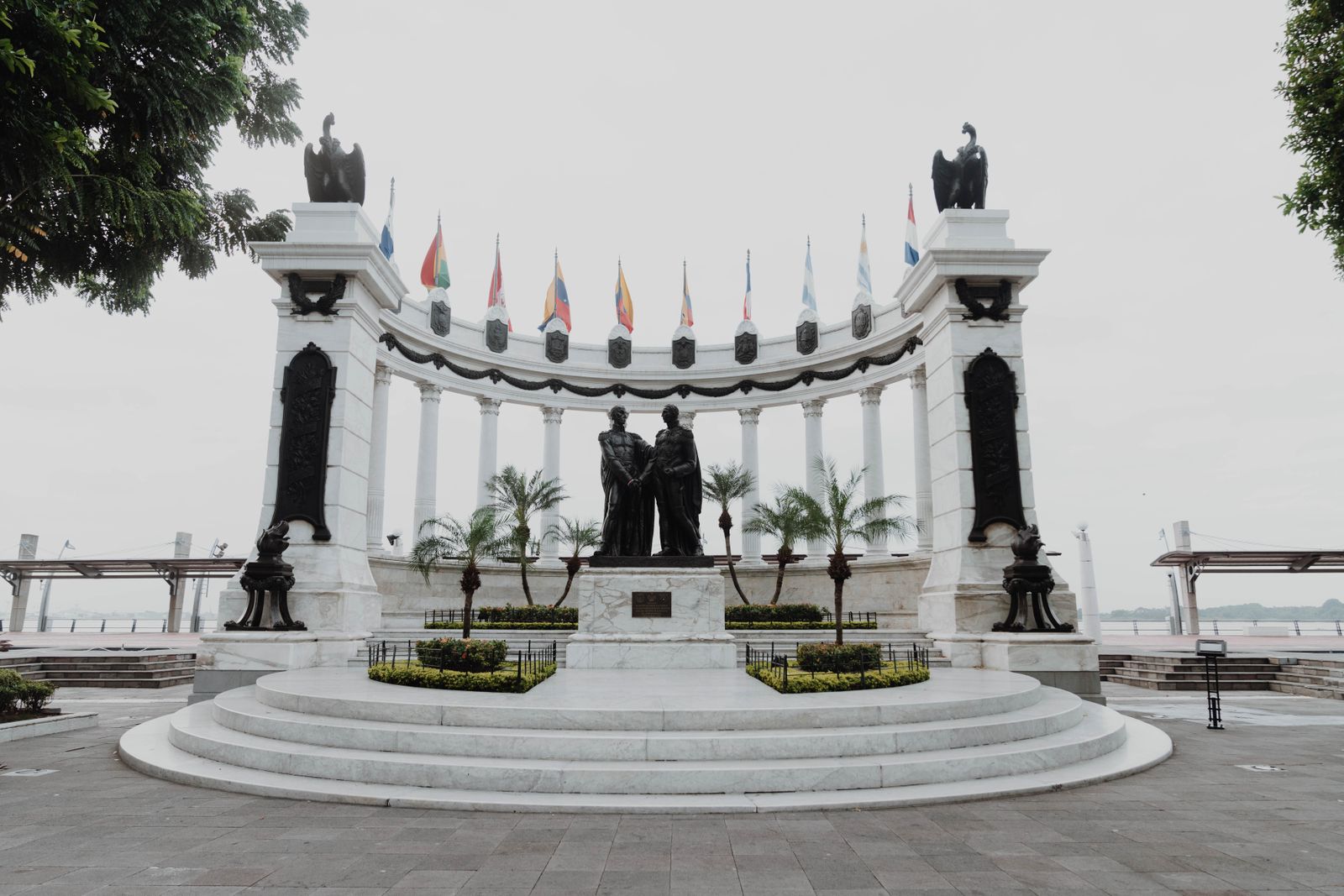
The Malecón 2000 (the 2.5km riverside promenade along the western bank of the Río Guayas; completed in 2000; the most celebrated urban regeneration project in South America; the former derelict port area transformed into a public park, outdoor museum, and leisure promenade; free access; the MAAC (Museo Antropológico y de Arte Contemporáneo; USD 1.50; the finest anthropological and contemporary art museum in Ecuador); the Rotonda monument (the Bolívar and San Martín meeting statue); and the viewing deck at the north end) is the finest public space in Ecuador and the most important single intervention in Ecuadorian urban history.
💡 Walk the Malecón 2000 in the early evening (5–7pm; the river breeze; the traffic noise of the city dampened by the park trees; the Río Guayas visible in the last light; the families and couples on the benches; the MAAC museum open until 5:30pm). The full Malecón promenade (2.5km; start at the Rotonda and walk north to the MAAC and Las Peñas lighthouse; 45 minutes at a strolling pace; the finest free evening walk in Guayaquil).
Las Peñas (the historic hilltop neighbourhood of Cerro Santa Ana; adjacent to the north end of the Malecón 2000; a 1.5km promontory of 444 numbered painted steps ascending from the Malecón; each step with a different colour and house number; the oldest surviving colonial architecture in Guayaquil; cafes, galleries, craft shops, and restaurants climbing the stairway; the lighthouse at the top — the finest single panorama of Guayaquil, the Río Guayas, and the surrounding gulf — free) is the most photogenic neighbourhood in Ecuador.
💡 Ascend the 444 steps of Las Peñas in the late afternoon (4–5pm; the light is directional; the painted houses catch the colour; the Río Guayas visible through gaps in the houses as you climb; the lighthouse panorama in the golden hour at the top). Stop at one of the mid-climb cafes (step ~200; the view tables overlooking the steps below and the river; fresh ceviche and cold beer; USD 8–12) before completing the ascent. Descend by 7pm when the neighbourhood is safest.
The Parque Histórico Guayaquil (Av. Esmeraldas; 15 minutes by taxi from the city centre; USD 3; Tue–Sun 9am–4:30pm; a 5-hectare ecological and historical park on the Río Daule estuary outside Guayaquil; the wildlife zone has free-roaming caimans, tapirs, river otters, monkeys, and the spectacular scarlet macaws; the colonial zone has reconstructed 19th-century Guayaquil streets and architecture including a historic bank, a balconied townhouse, and a sugar cane press) is the finest family and wildlife attraction in Guayaquil and one of the finest urban wildlife parks in South America.
💡 The Parque Histórico wildlife zone (the free-roaming caiman enclosure — the caimans are genuinely large; 1.5–2m; visible from the boardwalk at 2–3m distance; the otter pool; the tapir paddock; the macaw aviary with free-flying scarlet macaws) is the finest concentration of Ecuadorian lowland wildlife accessible near any Ecuadorian city. Go in the morning (9–11am; the animals are most active; the macaws are in flight; the otters are feeding; the caimans are sunning on the bank).
Ecuador is the world’s finest cacao-producing country (the “Nacional” cacao variety; the “flor de arriba” flavour; the most complex and fine cacao in the world; Ecuador supplies approximately 60% of the world’s fine cacao; the cacao is exported through Guayaquil port) and the city has the best access to the raw cacao supply chain. The República del Cacao chocolate shop (Malecón 2000; and the Urdesa neighbourhood branch; the finest Ecuadorian single-origin chocolate brand; the tasting bar; cacao products from USD 3–15; cacao nibs, drinking chocolate, and the full bar range) is the finest chocolate destination in Guayaquil.
💡 Visit the República del Cacao on the Malecón 2000 (the tasting bar; try 3 different single-origin Ecuador bars comparing the Arriba Nacional, the Manabí, and the Amazonian varieties; USD 5 for a tasting flight; buy 5–10 bars for travel; the chocolate keeps well; the finest Ecuador souvenir).
Guayaquil has the finest and most varied food scene in Ecuador after Quito. Alemán (the finest restaurant in Guayaquil; Urdesa neighbourhood; contemporary Ecuadorian; USD 30–60; the best ceviche and encocado in the city) and Marithea (the finest ceviche restaurant; Calle Escobedo; the classic Guayaquil ceviche — shrimp in a tomato-citrus broth; USD 8–12 per portion; not the Peruvian variety — the Ecuadorian ceviche is served at room temperature) are the two essential dining experiences. The El Fortín market (Calle Manuel Galecio; the finest informal food market in Guayaquil; seco de pollo; encocado de camarón; caldo de bola; USD 3–8 per dish) is the best budget lunch option. The Urdesa neighbourhood (the finest restaurant street in Guayaquil; from the Circunvalación to the mall; international and Ecuadorian; active from 7pm–midnight) is the dining and nightlife centre.
Guayaquil (GYE) is 2h 30m from Galapagos Baltra or San Cristóbal by domestic flight (versus 3h from Quito UIO).
Uber operates throughout Guayaquil at local prices (USD 3–8 for city journeys; significantly safer than street taxis; app works well throughout Guayaquil and the Samborondón district).
Las Peñas (colonial painted houses on 444 steps up Cerro Santa Ana; free; views over the Guayas River) and the Malecón 2000 riverside boardwalk are Guayaquil’s two finest free experiences — do both in one evening.
Ecuadorian ceviche (shrimp or conch in tomato sauce rather than citrus; served with popcorn and plantain chips; USD 5–8) is completely different from Peruvian ceviche and equally excellent. Order at any cevichería.
The Parque Histórico Guayaquil (free; Tue–Sun 9am–5pm; bus from downtown) has the finest collection of Ecuadorian wildlife (spectacled caiman, river otters, spider monkeys) in a free riverside setting.
República del Cacao (airport and Malecón 2000; 70% Nacional Arriba bars; USD 5–8) is Ecuador’s finest chocolate brand. Buy at the Guayaquil airport before departure for the freshest stock.
9am: Parque Histórico (Uber USD 8; USD 3 entry; caimans + macaws + tapirs; 2h). 11:30am: Uber to Malecón 2000 (USD 4). Malecón walk (MAAC museum USD 1.50; Rotonda monument; 1.5h). 2pm: ceviche lunch at Marithea (USD 10). Afternoon rest. 4pm: Las Peñas ascent (444 steps; coffee at mid-climb; lighthouse panorama; 1.5h). República del Cacao tasting on Malecón (USD 5; 3 bars). 7pm: Urdesa dinner (Alemán or ceviche; USD 20–35; Uber USD 5). Return hotel 9pm.
Essential in Guayaquil. Safer and more transparent than street taxis throughout the city.
Free
Download Guayaquil offline. Navigate the Malecón, Las Peñas, and Urdesa.
Free
Wildlife identification at Parque Histórico (caimans, macaws, tapirs, otters).
Free
USD in Ecuador. ATMs throughout Guayaquil. The Malecón and Urdesa restaurants are card-friendly.
Free
From the Galápagos Islands to the colonial baroque of Quito, the Otavalo market, and the adventure roads of Baños.