EC
Quito
The UNESCO Baroque Capital on the Equator
The UNESCO Baroque Capital on the Equator
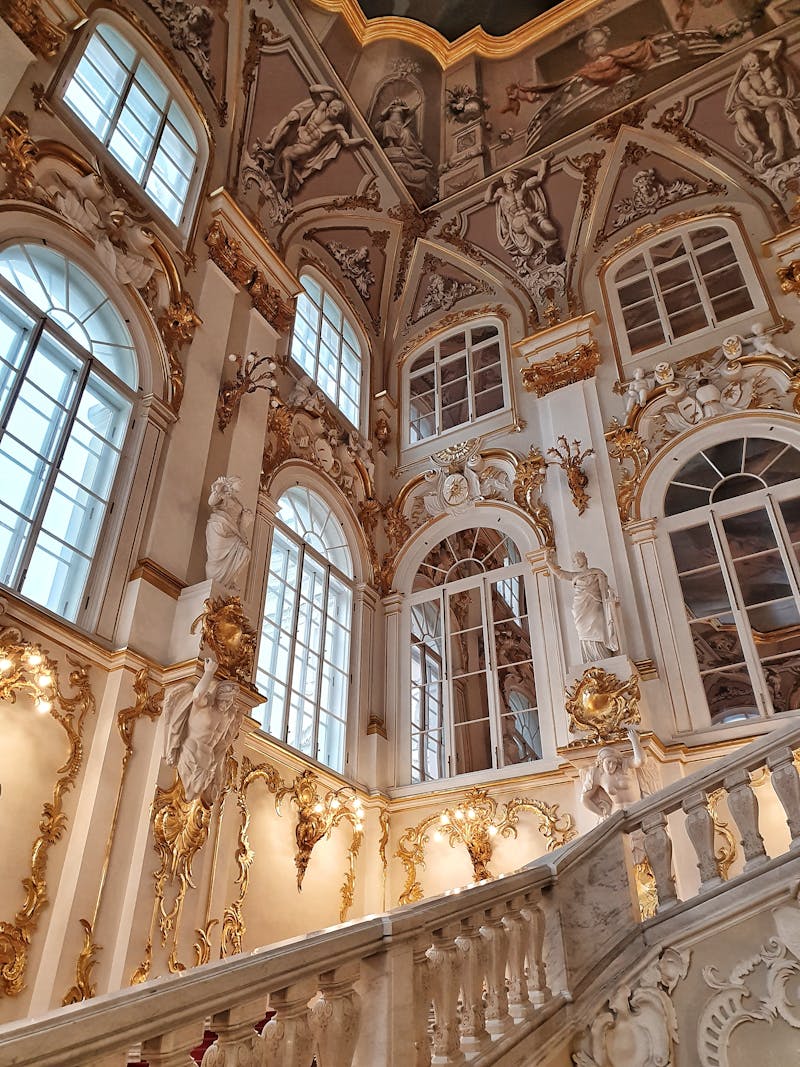
La Compañía de Jesús (Calle García Moreno; USD 4; Mon–Sat 9:30am–6:30pm; Sun 12:30–4pm; the finest baroque church in the Americas; built 1605–1765; the facade of the church in Plaza de San Francisco is considered the greatest baroque facade in the Americas; the interior is encased in an estimated 7 tonnes of gold leaf applied to every surface — the altarpieces, the walls, the columns, the ceiling; the resulting effect of total gold luminosity is unlike anything else in South America) is the most visited single building in Ecuador.
💡 Visit La Compañía in the morning (9:30am opening; before the tour groups; the gold interior in the morning light entering through the side windows creates the most extraordinary luminosity). The admission queue (USD 4; no online booking; arrive before 10am or after 4pm to avoid tour groups). The exterior facade (visible from the Plaza de la Compañía; free; photographed at any time) in the afternoon light is the finest baroque stone facade in the Americas.
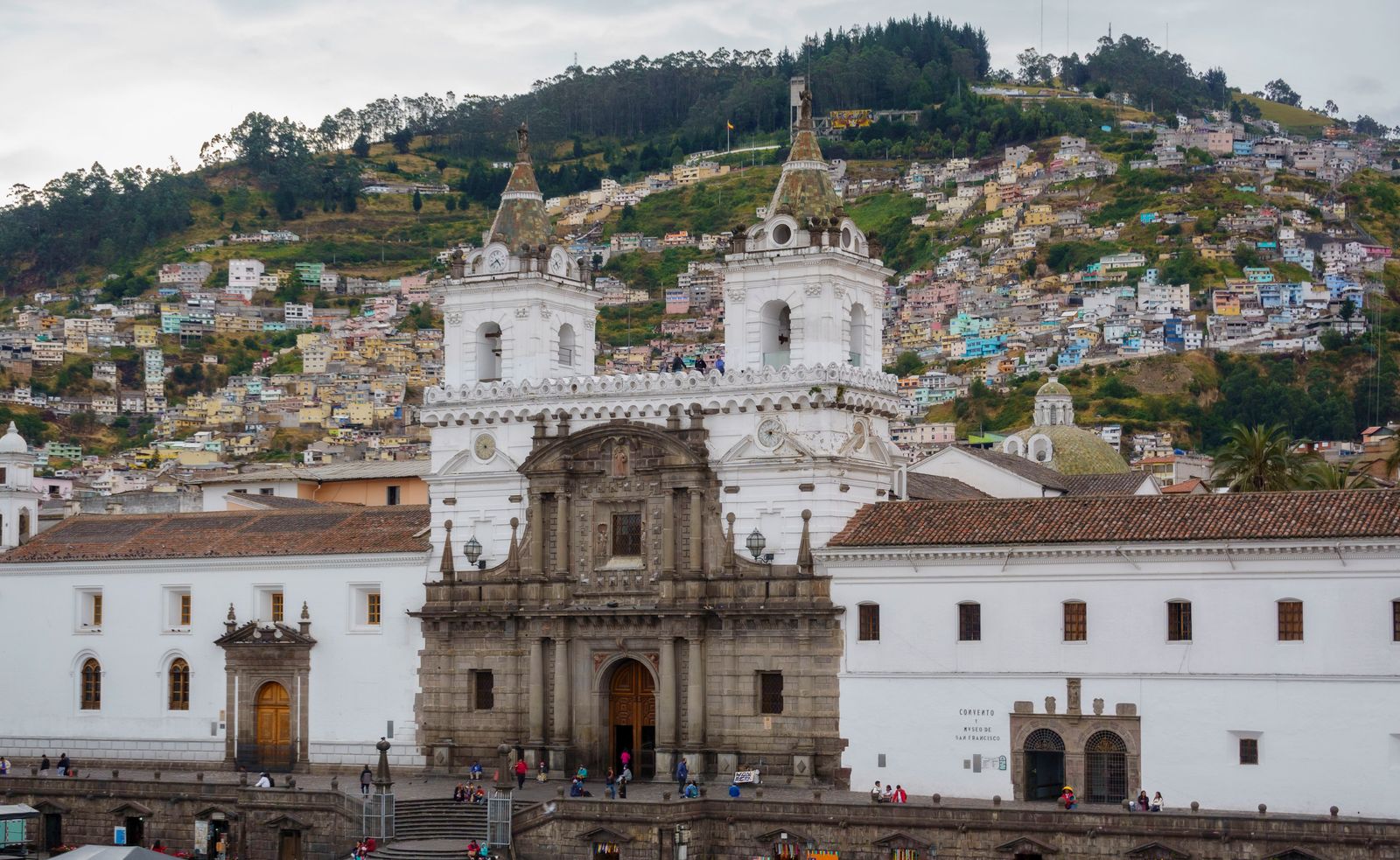
Quito’s Old Town (the 320-hectare UNESCO historic centre; the largest and best-preserved colonial Spanish baroque urban centre in Latin America; free to walk; the Plaza Grande — the main square with the Government Palace, the Archbishop’s Palace, and the Metropolitan Cathedral; the Plaza San Francisco with the earliest church built in the Americas by the Spanish — the Franciscan church begun in 1537; the Plaza Santo Domingo; and the 86 churches, convents, and monasteries within the historic centre) is the finest colonial city in South America.
💡 Walk the Quito Old Town circuit (Plaza Grande; La Compañía; Plaza San Francisco; Santo Domingo; the Ronda Street — Calle La Ronda; the most atmospheric colonial street in Quito; 17th-century buildings converted into cafes and craft shops; 3–4h; free externally; entry to key churches USD 2–5). The guard change at the Government Palace (daily at noon; the Plaza Grande; the most theatrical military ceremony in Ecuador) is the finest free spectacle.
The Quito Teleférico (Av. Occidental; USD 8.50; daily 9am–8pm; a cable car ascending from 2,950m at the city to 4,100m on the flank of Pichincha Volcano in 8 minutes; the finest panorama of Quito — the colonial city visible from above with the surrounding Andean volcanoes — Cotopaxi, Cayambe, and Antisana — visible on clear days) is the single best overview of Quito and its extraordinary geographic setting: a city in a narrow Andean valley, flanked by volcanoes, strung along a north–south ridge.
💡 The Teleférico in the morning (departing 9am; the first cable car; Quito in the morning light; the Andean volcanoes clear before the cloud builds; arrive at the station at 8:30am) is the finest time. At 4,100m, the air is genuinely thin; acclimatise in Quito (2,850m) for 24h before ascending. The hike from the Teleférico summit to the Ruco Pichincha peak (4,698m; 2–3h return from the cable car top station; a marked trail; bring warm layers and rain gear) is accessible without a guide on clear days.
The Mitad del Mundo (the Middle of the World; 22km north of Quito; USD 4; daily 9am–6pm; a 30-metre monument marking the calculated position of the equator by the French Geodesic Mission in 1736; the tourist complex includes a small ethnographic museum and the opportunity to stand with one foot in each hemisphere) and the adjacent Intinan Museum (USD 5; the real GPS-confirmed equator location, 240m from the monument; interactive demonstrations of equatorial phenomena: water draining in different directions; balancing an egg on a nail at the equator) are the two equator experience options, 22km north of central Quito.
💡 The Intinan Museum (the small private museum at the GPS-confirmed equatorial latitude; USD 5; the interactive demonstrations — water rotating in opposite directions on either side of the equator line; the egg-balance on a nail — are scientifically accurate at the equator latitude and are genuinely remarkable) is more interesting than the main monument. Take the Mitad del Mundo bus from La Ofelia bus terminal (USD 0.25; 45 mins each way; the most budget-friendly option) and visit both.
Quito has one of the finest restaurant scenes in South America. Nuema (Pasaje Arzobispado; the finest restaurant in Ecuador; indigenous ingredients and modern technique; USD 50–80 for a tasting menu; Michelin-level; book 1 week ahead) and Zazu (the finest mid-range; Calle Marcos Joffre 249; USD 30–50; Ecuadorian bistro in a colonial house) are the two best dinner options. La Ronda street (the atmospheric colonial street in the Old Town; street food from USD 2–5 per dish; the “hornado” roast pork; the “fritada” fried pork; the “llapingachos” potato cakes) is the essential Old Town food walk. Ecuadorian cacao chocolate (Ecuador is the world’s finest cacao producer; the “Pacari” chocolate bars available at any supermarket or the Old Town chocolatiers; some of the finest chocolate available anywhere) and fresh tropical juices (the fruit variety at any Quito market — naranjilla, tomate de árbol, babaco — is the finest in the world) are the essential food experiences.
Quito is the natural Ecuador entry point: international flights from the USA (JFK; MIA; IAH), Europe (Amsterdam; Madrid), and South America (BOG; LIM; SCL; GRU).
Uber operates in Quito at local prices (USD 2–5 for most city journeys).
Quito’s Old Town (UNESCO; La Compañía de Jesús at 7am is most photogenic in direct morning light; Plaza de la Independencia empty before 8am) is finest on a Tuesday or Wednesday morning.
Otavalo market (Saturday largest; weekday smaller markets daily; USD 2 bus from Quito’s Ofelia terminal; 2 hours) has the finest artisan textile selection in South America. Go Saturdays before 9am.
Ecuador’s Nacional Arriba cacao (grown in Manabí and Esmeraldas; República del Cacao shops throughout Quito; 70% dark bars from USD 5) is the finest chocolate souvenir you can buy.
Quito at 2,850m causes mild altitude effects in the first 24 hours for many visitors (mild headache; breathlessness on exertion; fatigue).
7am: Uber to Old Town (USD 2.50 from La Mariscal). Old Town walk (Plaza Grande; Government Palace guard change at noon; San Francisco; 2h). La Compañía de Jesús (USD 4; 9:30am; the gold interior; 45 mins). Calle La Ronda (hornado pork; fritada; street food walk; USD 5–10). Pacari chocolate shop. Return Uber. Zazu dinner (USD 30–45; book ahead).
8:30am: Teleférico (USD 8.50; 8-min cable car to 4,100m; Andean panorama; 1.5h). 11am: Mitad del Mundo (taxi USD 20 return; Intinan Museum USD 5; 2h). Return 2pm. OR: Bus to Otavalo (La Ofelia; USD 2.50; 2h; Plaza de Ponchos market; best on Saturday). Return 7pm. Nuema dinner (tasting menu; book 1 week ahead; USD 60–80).
Best taxi option in Quito. Significantly safer than street taxis; avoid hailing street taxis at night.
Free
Download Quito offline. Transit integration for buses; Uber integration for taxis.
Free
Spanish offline. Most Quito tourist services speak English but local restaurants and markets are Spanish-only.
Free
Wildlife identification in the Mindo cloud forest (30+ hummingbird species) and for the Galápagos.
Free
From the Galápagos Islands to the colonial baroque of Quito, the Otavalo market, and the adventure roads of Baños.