
SE
Gothenburg
Sweden's Seafood Capital
Sweden's Seafood Capital

Liseberg (the finest amusement park in Northern Europe; open May–September and the Christmas season; the Balder — the finest traditional wooden rollercoaster in Europe; the Helix — the finest steel rollercoaster in Scandinavia; the Universeum — the Gothenburg natural history and science museum adjacent (195 kr)) is the most visited attraction in Sweden.
Fesköröka (Fish Church; the finest fish market in Sweden; Tue–Fri 10am–6pm, Sat 10am–3pm; the räkor, hummer, gravlax) — arrive before 11am when the freshest stock is still on the slabs.

Haga (the 19th-century wooden house quarter; the finest urban café culture in Sweden; the Haga Nygata café strip from 8am; the hagabulle (the largest cinnamon bun in Sweden; 45 kr at Café Husaren); the finest preserved 19th-century wooden town houses in Sweden) and the Fesköröka (Fish Church; the 1874 Gothic revival fish market; the finest fish market in Sweden) are the two essential free Gothenburg experiences.
Hagabulle at Café Husaren in Haga (45 kr; the largest cinnamon bun in Sweden; the 1960s recipe; open from 9am) is the single most famous food experience in Gothenburg.

The Gothenburg Archipelago (the Sty̆rsö Islands; the Båtluffarkort day ferry pass (145 kr; valid all day on all island ferries from Saltholmen); Vrångö (the finest hiking and wild swimming on the Swedish west coast); Sty̆rsö (the finest traditional fishing village; the finest west coast seafood restaurant)) is the finest afternoon from Gothenburg in summer.
Gothenburg Archipelago day ferry (Båtluffarkort; 145 kr; from Saltholmen; Vrångö for hiking and wild swimming; Sty̆rsö for the finest west coast seafood) is the finest afternoon from Gothenburg.
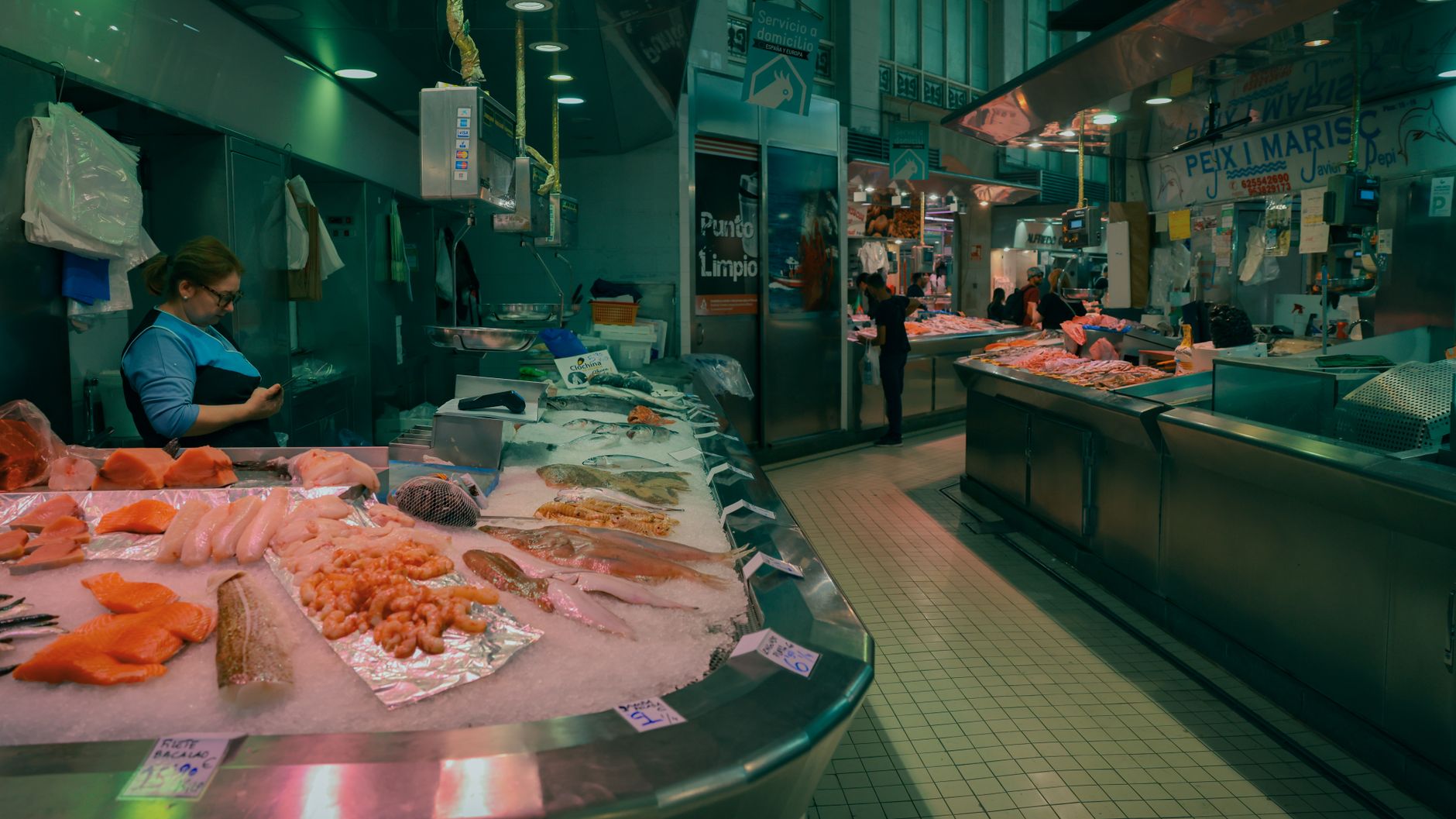
The Gothenburg food scene (more Michelin stars per capita than any other Scandinavian city; the New Nordic cuisine; the west coast seafood tradition (räkor, hummer, kräftor, halibut); the Fesköröka vendor stalls) makes Gothenburg the finest food city in Sweden and the finest Nordic cuisine destination in Scandinavia.
Liseberg (the finest amusement park in Northern Europe; day ticket from 395 kr; the Balder wooden rollercoaster; open May–September) is the most visited attraction in Sweden.
Gothenburg is Sweden’s finest seafood city: the langoustine plate at the Feskekôrka (180–280 SEK; the most specifically Göteborg meal), the Haga kanelbulle (35–55 SEK; the biggest in Sweden), the Swedish west coast oyster (15–25 SEK each), and the September Gothenburg Food Festival (the largest food festival in Scandinavia; the waterfront; the Swedish and international chefs; free entry to the outdoor areas) define the food identity.
The Fesköröka (Fish Church; the 1874 Gothic revival fish market on the Rosenlund canal; the finest fish market in Sweden).
The hagabulle (the largest cinnamon bun in Sweden; 45 kr; the Haga district; available at every café in the Haga Nygata; the finest version at Café).
The Gothenburg Archipelago (the Sty̆rsö Islands; the Vrångö (the southernmost island; the finest hiking and wild swimming on the Swedish west coast); the Sty̆rsö).
Haga (the cobblestone district of 17th-century wooden houses; the Haga Café kanelbulle freshest at 8:30am; order the classic with cardamom; Haga Nygata 22; 5 minutes from the tram stop) is Gothenburg’s finest morning.
June–August for the archipelago. September for the food festival. December for the Liseberg Christmas market.
Haga (the hagabulle at Café Husaren; the Haga Nygata café strip from 9am). Fesköröka (the Fish Church; the finest fish market in Sweden; Tue–Sat). Gothenburg Archipelago (the Båtluffarkort 145 kr; from Saltholmen; Vrångö or Sty̆rsö).
Gothenburg is 3h by SJ train from Stockholm (from 295 kr; book ahead for the 89 kr “First Come” fare) and 3h from Copenhagen (from 295 kr; the Öresund–X2000 connection).
The Göteborg City Card (549 SEK/24h; € 48) covers all trams, the archipelago ferry, Liseberg unlimited rides (695 SEK value), and 20 museums.
Marstrand (the most beautiful small town in western Sweden; 40 min from Gothenburg by express bus; 100 SEK return; the 17th-century Carlsten Fortress — free entry; the summer sailing regatta — the most celebrated sailing event)
Way Out West (the annual Gothenburg music festival; held in Slottsskogen park in August; the most celebrated indie and electronic music festival in Scandinavia; 3 days; 1,500–3,000 SEK for the 3-day pass; artists of the calibre of)
🛂 Entry rules: EES and ETIAS
Sweden is in the Schengen area, which has two EU border systems for non-EU visitors.
EES (in force): since 10 April 2026 the EU’s Entry/Exit System registers non-EU visitors’ passport details, fingerprints and a photo the first time they enter the Schengen area, replacing passport stamps. Allow extra time at the border on your first trip; later crossings are quicker. EU, EEA and Swiss citizens are not registered.
ETIAS (not yet running): a €20 online travel authorisation for visitors who don’t need a visa, such as UK, US, Canadian and Australian citizens. It hasn’t started and no start date has been confirmed, so nobody can apply yet; ignore websites that offer to “pre-register” you for a fee.
Visa-free visitors can stay up to 90 days in any 180-day period across the whole Schengen area, not per country.
Official information: EU: Travel to Europe (EES & ETIAS) · Reviewed September 2026
Liseberg (liseberg.se) for day ticket booking (from 395 kr) and ride wait time monitoring.
Free
Download the Gothenburg offline map before arrival — the Haga wooden quarter, the canal network, and the Saltholmen ferry terminal require offline navigation.
Free
Download the Swedish offline pack and use camera mode for menus and signs.
Free
Book tours, day trips and skip-the-line tickets in and around Gothenburg.
Free
Explore more of Sweden’s extraordinary cities and landscapes.
Planning a wider trip? Our Sweden travel guide covers getting there, costs, when to go and more.