IT
Italy
Every town has a masterpiece
Every town has a masterpiece

The Colosseum (completed 80 AD, construction begun c. 72 AD, capacity 80,000), the Roman Forum below it and the Palatine Hill above: the centre of the empire that shaped Western civilisation. Book timed-entry tickets in advance.
Photo: Carlo Labruzzo, CC0

The Uffizi Gallery holds Botticelli’s Birth of Venus and Primavera, Leonardo, Raphael and Michelangelo’s Tondo Doni in one building. The Duomo’s 15th-century dome by Brunelleschi was the largest in the world for 600 years.
Photo: MenkinAlRire, CC BY-SA 4.0
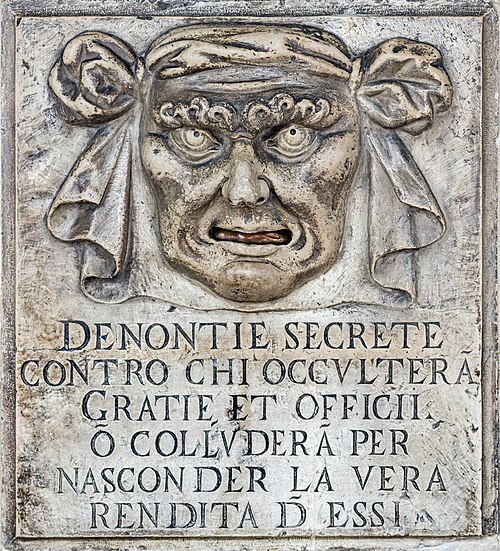
A city of 118 islands connected by 150 canals and 400 bridges: St Mark’s Basilica, the Grand Canal at dawn, the Rialto market. Visit in November or February for the most atmospheric experience with the fewest crowds.
Photo: Didier Descouens, CC BY-SA 4.0

Five pastel-coloured fishing villages clinging to cliffs above the Ligurian Sea. The Sentiero Azzurro coastal trail connects them. Extremely crowded in summer; take the first morning train.
Photo: Infrogmation, CC BY-SA 4.0

A 50km stretch of cliffs, lemon groves and pastel villages above the Tyrrhenian Sea: Positano, Amalfi and Ravello. Best explored by boat or local ferry rather than the impossibly narrow cliff road.
Photo: Bruno Rijsman, CC BY-SA 2.0

The most densely lived-in city in Europe, with the finest street food in Italy and the ruins of Pompeii 30 minutes away. The National Archaeological Museum holds the finest Roman mosaic collection on earth.
Photo: Commonists, CC BY-SA 4.0

Siena’s Piazza del Campo (site of the twice-yearly Palio horse race), the medieval towers of San Gimignano and the cypress-lined roads of the Val d’Orcia (UNESCO).
Photo: Lippo Memmi, CC BY-SA 4.0

A island of Norman-Arab-Byzantine architecture in Palermo, the Valley of the Temples at Agrigento (finest Greek ruins outside Greece) and Mount Etna – Europe’s largest active volcano.
Photo: gnuckx, CC BY 2.0
Roman pasta of Pecorino Romano and black pepper, forming a cream without any cream. Served with tonnarelli or spaghetti. One of the most technically demanding simple dishes in the world.
Neapolitan pizza is a UNESCO Intangible Cultural Heritage. The dough ferments 24-48 hours; the oven is 485C; the Margherita (tomato, fior di latte, basil) is cooked in 60-90 seconds.
Arborio or Carnaroli rice cooked with bone marrow, white wine, parmesan and saffron. The definitive Milanese dish, eaten alongside ossobuco.
A T-bone steak from Chianina cattle, 5cm thick, grilled over charcoal to rare (al sangue). Served without sauce. Ordered by weight (minimum 1.2kg). Florence’s greatest contribution to Italian food.
Barolo (Nebbiolo, the wine of kings), Brunello di Montalcino (Sangiovese, greatest Tuscan), Amarone della Valpolicella (dried grapes, intensely concentrated): the three peaks of Italian wine culture.
Italian espresso is a 25-second extraction of 7g of coffee under 9 bar of pressure. Drunk standing at a bar for less than EUR 1.50. Ordering a cappuccino after 11am marks you as a tourist.
Italian gelato has less air, less fat and more flavour intensity than ice cream. Pistachio, nocciola (hazelnut) and stracciatella are the benchmarks.
Parma ham aged 18-36 months and Parmigiano-Reggiano aged 24-36 months: the two great cured products of Emilia-Romagna, eaten together with a glass of Lambrusco.
Italy’s main international hub is Rome Fiumicino (FCO), with Milan Malpensa (MXP) as a secondary gateway. Frecciarossa and Italo high-speed trains connect all major cities — Rome to Florence in 1h30, Florence to Venice in 2h. For trip planning, see the official Italy tourism portal.
Open-jaw works well: fly into Rome, out of Venice (or vice versa) — same price as a return, no backtracking.
Rome FCO is Italy’s primary transatlantic gateway. Milan MXP also has direct US connections.
Venice Marco Polo (VCE), Naples (NAP) and Catania (CTA) also have extensive European connections — no need to transit Rome.
Book Frecciarossa on trenitalia.com or Italo on italotreno.it. Buy in advance for Super Economy fares — Rome to Florence from €9.
April to June and September to October give the best balance of weather and manageable crowds. July and August are peak season everywhere — Amalfi, Venice and Rome are extremely crowded. August is also very hot (35°C+ in Rome and the south).
📅 Italy is in its best season in April, May, June, September, October. See where else is good to go in those months, or browse where to go by month.
Italy spans a wide price range. Venice and the Amalfi Coast are the most expensive areas; Naples, Sicily and the south offer much better value. Estimates are per person per day for a couple.
The cornetto and espresso at a bar counter costs under €2 in most of Italy — ten times less than if you sit at a table.
Rome and Florence offer more value than Venice. A canal-adjacent hotel in Venice at the same standard costs 30–50% more.
Venice has some of the world’s finest luxury hotels — Cipriani, Aman, Gritti Palace. Prices start around €800/night.
Rome for antiquity, Florence for the Renaissance, Venice for the impossible. All three connected by Frecciarossa high-speed trains — no flights, no cars needed.
Walk the Forum and Palatine Hill first (buy online). You’re walking through the centre of a republic that lasted 500 years. The Pantheon is free — do it early morning before the crowds.
Book the Colosseum online. Arriving on the day, you’ll queue for an hour. Online, you walk in.
Book the Vatican Museums at least a week ahead. The Sistine Chapel is at the far end — don’t rush through. Afternoon in Trastevere: the most human-scale neighbourhood in Rome.
The best view of St Peter’s Square is from the dome of the Basilica — 551 steps, no queue, €8.
1h30 from Rome to Florence. The Uffizi (Botticelli’s Birth of Venus, Caravaggio) — book at least 2 weeks ahead. Evening: Piazzale Michelangelo for the city panorama at sunset.
The Accademia (Michelangelo’s David) requires advance booking too. Go early.
Rent a car or take the bus to Siena (1.5h). The Piazza del Campo is one of the world’s finest medieval squares. Or drive the Chianti road south through vineyards and hilltop villages.
The Siena Duomo has a floor made entirely of marble intarsia — one of Italy’s most underrated artistic achievements.
2h from Florence. Check in, then walk — just walk, without a map or plan. Venice reveals itself by getting lost. Avoid the Rialto Bridge at midday. Sunset from the Zattere.
Take the No.1 vaporetto the full length of the Grand Canal instead of a gondola. Same views, €9.50 instead of €80.
Murano for glass, Burano for the painted houses, Torcello for the empty Byzantine basilica and absolute quiet. The Burano-Torcello combination is the best half-day in Venice.
Torcello is Venice before Venice — the original settlement, founded in the 7th century, now home to fewer than 15 people and a mosaic-covered cathedral.
The fish market at Rialto is at its best before 9am. One last café standing at a bar near the train station. Then Frecciarossa back to Milan or Rome for your flight.
Venice Marco Polo airport is 12km from the city. Water taxi: €120. Public bus to Piazzale Roma + vaporetto: €15. Budget accordingly.
🛂 Entry rules: EES and ETIAS
Italy is in the Schengen area, which has two EU border systems for non-EU visitors.
EES (in force): since 10 April 2026 the EU’s Entry/Exit System registers non-EU visitors’ passport details, fingerprints and a photo the first time they enter the Schengen area, replacing passport stamps. Allow extra time at the border on your first trip; later crossings are quicker. EU, EEA and Swiss citizens are not registered.
ETIAS (not yet running): a €20 online travel authorisation for visitors who don’t need a visa, such as UK, US, Canadian and Australian citizens. It hasn’t started and no start date has been confirmed, so nobody can apply yet; ignore websites that offer to “pre-register” you for a fee.
Visa-free visitors can stay up to 90 days in any 180-day period across the whole Schengen area, not per country.
Official information: EU: Travel to Europe (EES & ETIAS) · Reviewed September 2026
The high-speed Frecciarossa (Rome to Milan: 2h45) and regional trains connect all Italian cities.
Both require timed-entry tickets that sell out. Book at coopculture.it and uffizi.it.
Uber operates in major Italian cities. Free Now (formerly mytaxi) is widely used.
A EUR 1-4 per person cover charge is standard at Italian restaurants. This is not a scam.
Both cities are extremely hot and very crowded. Many restaurants close for two weeks.
Buongiorno, grazie and prego go a very long way.
Use a money belt in Rome, Florence and Naples train stations. Keep phones in front pockets.
The Roma Pass includes metro travel and reduced entry to major sites.
Quick answers to the questions people most often ask before visiting Italy.
April to June and September to October give the best balance of weather and manageable crowds. July and August are peak season everywhere — Amalfi, Venice and Rome are extremely crowded.
Italy's main international hub is Rome Fiumicino (FCO), with Milan Malpensa (MXP) as a secondary gateway. Frecciarossa and Italo high-speed trains connect all major cities — Rome to Florence in 1h30, Florence to Venice in 2h.
Expect roughly €60–80 a day on a budget and €150–200 mid-range, or €350+ for a more luxurious trip, per person and excluding flights.
Italy uses the euro (€).
Plug types: Type C / F / L (mixed; bring universal adaptor).
Italy’s official rail app — book Frecciarossa high-speed and regional train tickets nationwide.
FreePrivate high-speed rail between Italian cities — often cheaper than Trenitalia for advance bookings.
FreeTransit navigation for Rome, Milan, Florence and all major Italian cities with live disruption alerts.
FreeReserve tables at thousands of Italian restaurants with instant confirmation and discounts.
FreeBook licensed taxis in Rome, Milan and Italian cities — legally metered, no surge pricing.
FreeSkip-the-line tickets for the Colosseum, Vatican Museums, Uffizi Gallery and top Italian sights.
FreeExplore Italy’s most striking destinations.
Italy sits within easy reach of several other destinations — each with a completely different character.