ES
Spain
Tapas hours and late-night plazas
Tapas hours and late-night plazas

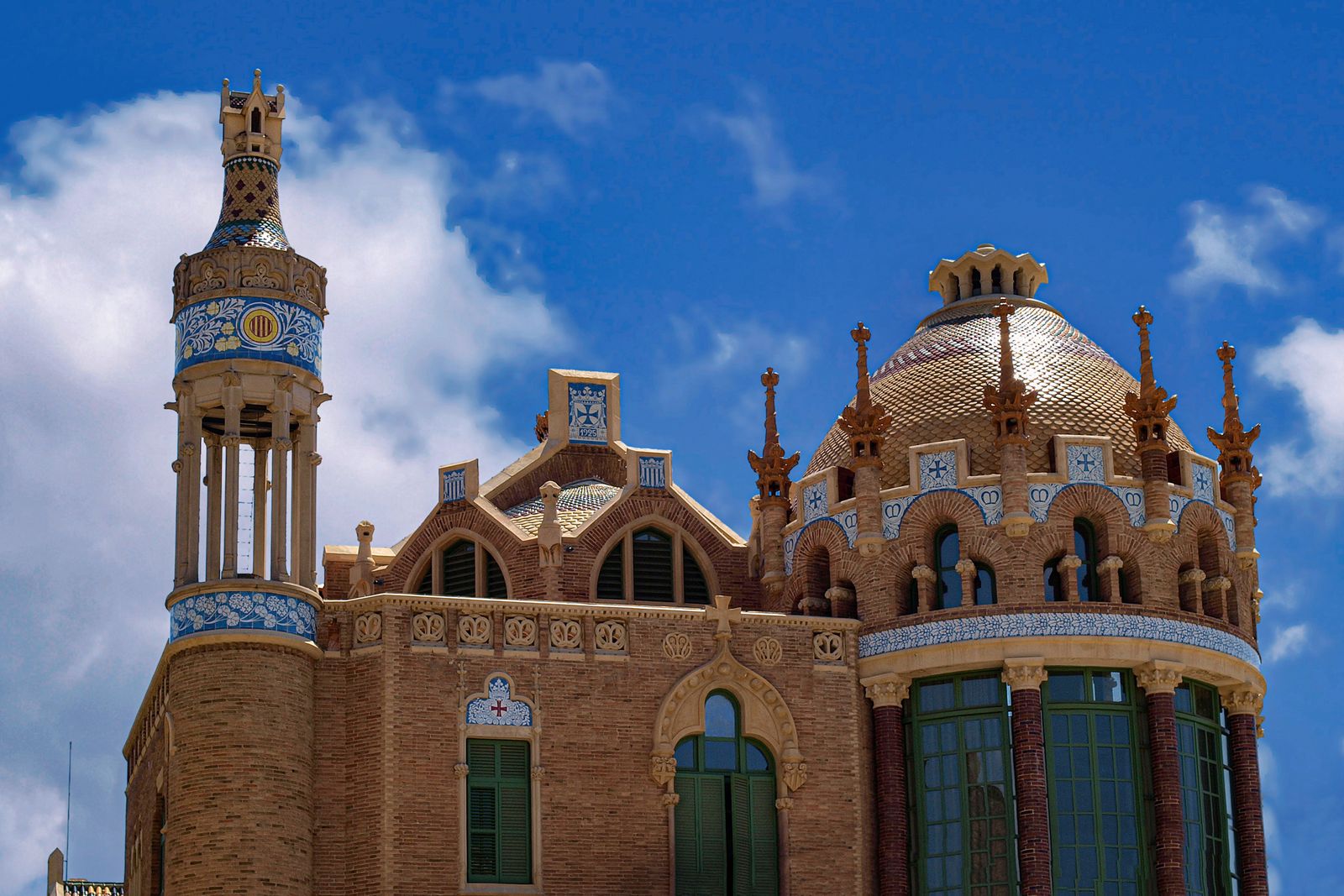
The Sagrada Familia (still under construction after 140 years), Park Guell’s mosaic terraces, Casa Batllo and Casa Mila: Antoni Gaudi’s architectural imagination defines Barcelona more completely than any single architect has defined any other city.
Photo: Sandra Cohen-Rose and Colin Rose from Montreal, Canada, CC BY 2.0

A Nasrid-era palace complex of intricate stucco, geometric tile and arabesques set above Granada with the Sierra Nevada behind it. The finest example of Islamic architecture in the western world.
Photo: Jebulon, Public domain

The Prado contains Velazquez, Goya and El Greco in quantities that overwhelm. The Reina Sofia has Picasso’s Guernica. The Thyssen-Bornemisza sits between them. A half-mile walk through 700 years of Western art.
Photo: Javier Perez Montes, CC BY-SA 4.0

The world’s largest Gothic cathedral (with Columbus’s tomb inside), the Giralda minaret-turned-bell-tower and the Royal Alcazar palace gardens. The setting for more operas than any other city.
Photo: Jebulon, CC0

The most food-concentrated city in the world per capita: more Michelin stars per square kilometre than anywhere else, and a pintxos bar culture in the Parte Vieja that operates all day.
Photo: Keta, CC BY-SA 2.5

The city of three cultures: a medieval hilltop city where Moorish, Jewish and Christian monuments coexist. The El Greco museum and the 13th-century cathedral are the centrepieces.
Photo: Chensiyuan, CC BY-SA 3.0

The ancient pilgrimage route ending at Santiago de Compostela’s cathedral, where the remains of St James are said to be interred. The Camino Frances (800km from the French border) takes 30-35 days on foot.
Photo: Diego Delso, CC BY-SA 4.0

Ibiza’s famous club culture and the undeveloped beaches of Formentera (the clearest water in the Mediterranean accessible by ferry) represent Spain’s two modes of summer tourism simultaneously.
Photo: Judo Chop!, CC BY 2.0
Acorn-fed black Iberian pig, cured for three to five years. The finest cured meat in the world. A plate of jamon iberico de bellota with a glass of Manzanilla sherry is the perfect Spanish aperitif.
Small dishes shared between the table: croquetas, patatas bravas, boquerones, tortilla espanola, gambas al ajillo. In Basque Country called pintxos. The culture of eating standing at a bar counter is one of Spain’s great contributions to civilised life.
Rice cooked in a flat pan with chicken, rabbit, green beans and saffron. The original, from Valencia: no seafood, no chorizo. Both additions are considered crimes in Valencia.
A slow-cooked chickpea and meat stew served in stages: first the broth with pasta, then the chickpeas and vegetables, then the meats. A Madrid winter lunch that takes three hours and requires no dinner.
Rioja (tempranillo, oak-aged), Ribera del Duero (concentrated, powerful), Priorat (Grenache, schist) and the fortified wines of Jerez (Fino, Manzanilla, Amontillado) represent the full range of Spain’s wine diversity.
Spain is the world’s largest per-capita gin and tonic market. The Spanish serve it in balloon glasses with artisanal tonics and botanical garnishes specific to the gin.
A potato omelette cooked in olive oil, served at room temperature. Eaten at any time of day. The debate over whether it should contain onion divides the country.
Espresso with hot milk, served in a glass. Drunk at 10am with a tostada (toast with olive oil and tomato). The Spanish mid-morning ritual.
Spain has two major hubs: Madrid Barajas (MAD) and Barcelona El Prat (BCN). Both are served by virtually every European budget carrier. The AVE high-speed rail connects all major cities — no internal flights needed. For trip planning, see the official Spain tourism portal.
Fly into Madrid, out of Barcelona — open-jaw tickets avoid backtracking and are usually the same price as a return.
Madrid Barajas is one of Europe’s best transatlantic gateways. Iberia’s hub handles the bulk of US traffic.
Barcelona and Madrid are both served by virtually every European budget carrier, often from under €40.
Book on renfe.com at least 2–3 weeks ahead for the cheapest Promo fares. Madrid–Barcelona from €14.
April, May, September and October are the sweet spot across most of Spain. In Andalusia, July and August are brutal — 40°C+ in Seville and Granada. The north (Galicia, Basque Country) is pleasant all summer.
📅 Spain is in its best season in April, May, June, September, October. See where else is good to go in those months, or browse where to go by month.
Spain is significantly cheaper than France, Germany or the UK. Estimates are per person per day for a couple travelling together.
The menú del día — 3 courses with wine and bread for €12–14 — is one of the best-value lunches in Europe.
Spain’s Parador network (government hotels in historic castles and monasteries) offers excellent value at this level — from €90/night.
San Sebastián has more Michelin stars per capita than almost any city on earth. A full menu at Arzak, Mugaritz or Akelarre runs €200–280 per person.
Madrid for culture, Toledo for depth, Andalusia for the Alhambra, Barcelona for Gaudí. This route runs entirely on AVE high-speed trains — no internal flights needed.
Walk the literary quarter and the Retiro Park. The Thyssen museum stays open late and rarely gets crowded after 5pm. Dinner on Calle de la Cava Baja.
The Retiro lake at dusk is one of Madrid’s great free hours.
Arrive at the Prado at 10am. Head straight for the Velázquez and Goya rooms. Afternoon: Guernica at the Reina Sofía, then rooftop drinks at the Círculo de Bellas Artes.
Don’t visit both museums the same morning — your eyes will give up around noon.
30-minute high-speed train from Madrid. Gothic cathedral, 10th-century synagogue, mosque and El Greco’s greatest paintings all within walking distance.
Toledo marzipan (Santo Tomé near the cathedral) is worth taking home.
AVE from Madrid to Seville (2h30). The Alcázar in the afternoon (book ahead). Evening in the Santa Cruz barrio. Tapas at El Rinconcillo, founded in 1670.
The Seville Cathedral has Columbus buried inside it. Climb the Giralda — it was originally a minaret.
Day trip or overnight from Seville (1.5h bus). Book Nasrid Palaces entry 6–8 weeks ahead — it sells out completely. Nothing else in Spain compares.
The Albaicín neighbourhood gives free views of the Alhambra at sunset that rival anything you’ll see from inside.
AVE or fly Madrid–Barcelona. Book the Sagrada Família timed entry. Gothic Quarter in the evening when the day-trippers have gone.
The best view of the Sagrada Família is free — from the park across Avinguda de Gaudí.
Park Güell timed entry (book ahead). Barceloneta beach. Lunch at the back of the Boqueria — avoid the tourist stalls at the front. Afternoon flight from BCN.
The bus from BCN airport to the city costs €6.90 and takes 35 minutes.
🛂 Entry rules: EES and ETIAS
Spain is in the Schengen area, which has two EU border systems for non-EU visitors.
EES (in force): since 10 April 2026 the EU’s Entry/Exit System registers non-EU visitors’ passport details, fingerprints and a photo the first time they enter the Schengen area, replacing passport stamps. Allow extra time at the border on your first trip; later crossings are quicker. EU, EEA and Swiss citizens are not registered.
ETIAS (not yet running): a €20 online travel authorisation for visitors who don’t need a visa, such as UK, US, Canadian and Australian citizens. It hasn’t started and no start date has been confirmed, so nobody can apply yet; ignore websites that offer to “pre-register” you for a fee.
Visa-free visitors can stay up to 90 days in any 180-day period across the whole Schengen area, not per country.
Official information: EU: Travel to Europe (EES & ETIAS) · Reviewed September 2026
Madrid to Barcelona: 2h30; Madrid to Seville: 2h20; Madrid to Valencia: 1h35. Book at Renfe.com.
A three-course menu del dia (lunch) costs EUR 10-15 throughout Spain, including wine.
Restaurants do not fill for dinner before 9pm. Eating at 7pm marks you as a tourist.
Hola, gracias and por favor open doors throughout Spain.
The cities are busy and the beaches are packed in August. June, September and October are significantly better.
Smaller shops and businesses close 2-5pm in much of Spain outside the main cities.
The Alhambra sells timed-entry tickets that sell out weeks or months ahead. Book at alhambra-patronato.es.
Spain has one of the warmest hospitality cultures in Europe.
Quick answers to the questions people most often ask before visiting Spain.
April, May, September and October are the sweet spot across most of Spain. In Andalusia, July and August are brutal — 40°C+ in Seville and Granada.
Spain has two major hubs: Madrid Barajas (MAD) and Barcelona El Prat (BCN). Both are served by virtually every European budget carrier. The AVE high-speed rail connects all major cities — no internal flights needed.
Expect roughly €50–70 a day on a budget and €120–160 mid-range, or €280+ for a more luxurious trip, per person and excluding flights.
Spain uses the euro (€).
Plug types: Type C / F (two-pin, 230V).
Spain’s national rail app — book AVE high-speed and regional train tickets across the country.
FreeSpain’s largest intercity bus network — essential for routes not covered by high-speed rail.
FreeTransit navigation for Madrid, Barcelona and all major Spanish cities with real-time updates.
FreeReserve tables at thousands of Spanish restaurants with instant confirmation and frequent discounts.
FreeRide-hailing across Madrid, Barcelona and major Spanish cities — more regulated than Uber in Spain.
FreeFood and goods delivery across Spanish cities with wide restaurant coverage.
FreeExplore Spain’s most striking destinations.
Spain sits within easy reach of several other destinations — each with a completely different character.


