XK
Gjilan
East Kosovo's Cultural Hub
East Kosovo's Cultural Hub
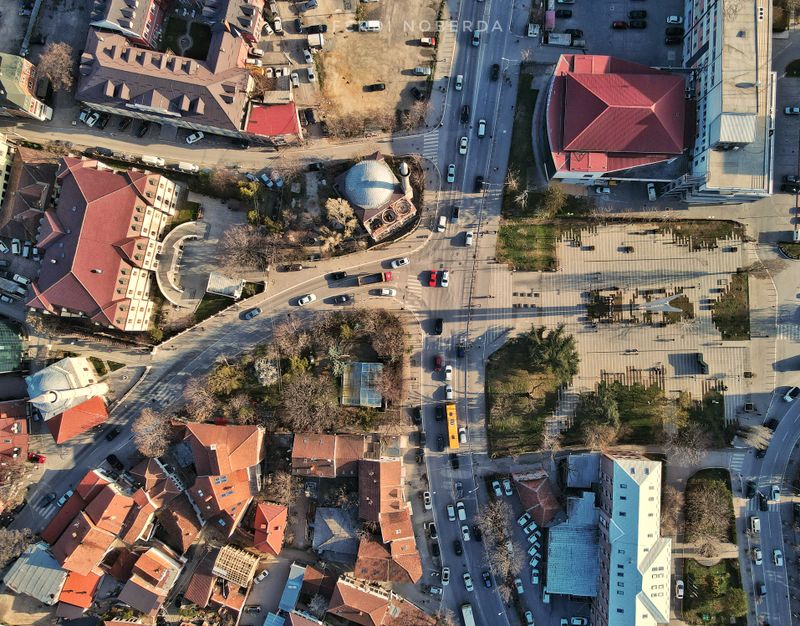
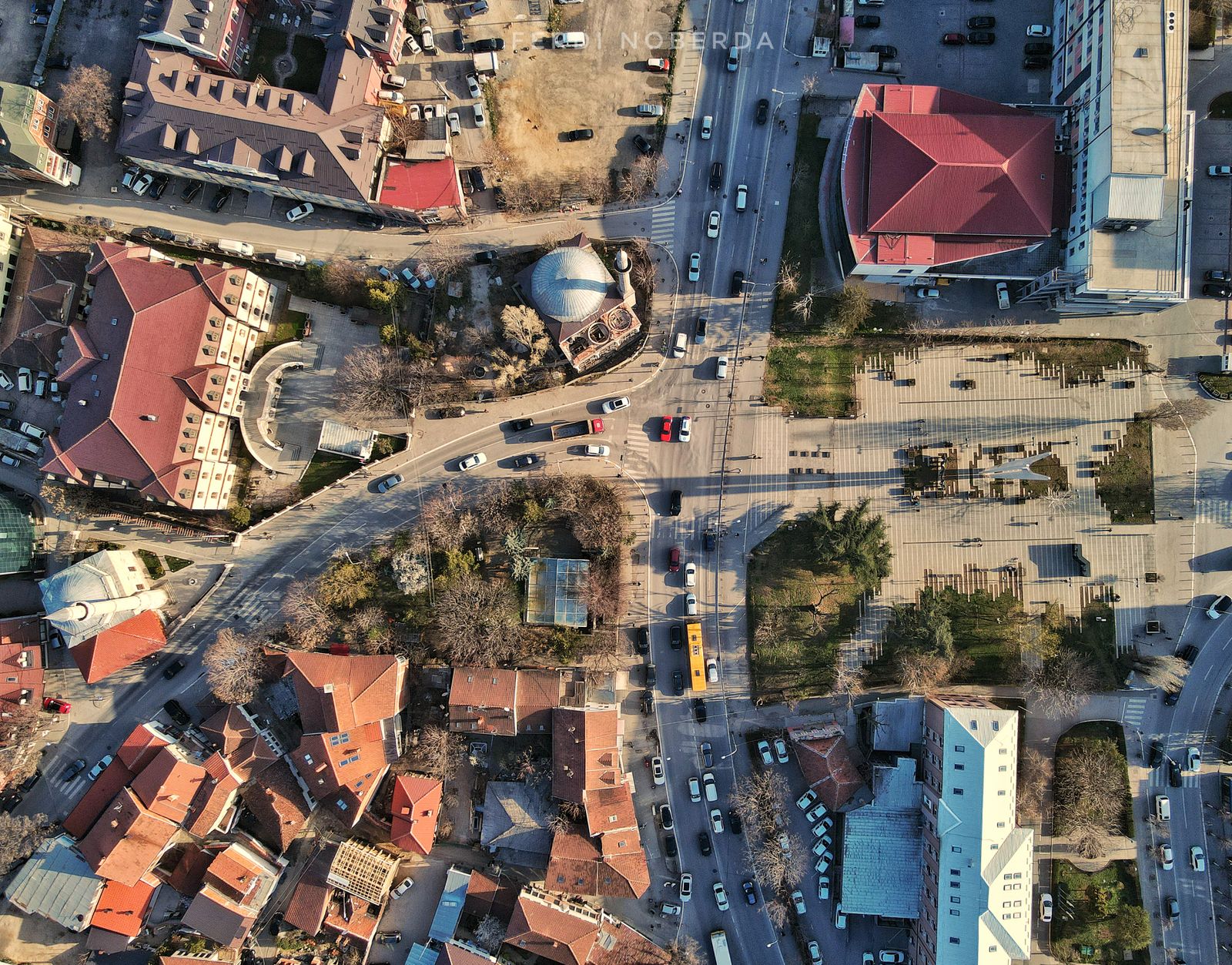
Gjilan’s old bazaar (Carshëja e Gjilanit; the central market area around Sheshi Skenderbeu) is a compact Ottoman-era market of traditional workshops and cafes, smaller than Gjakova’s but better integrated into everyday city life — the bazaar is also the main commercial street for Gjilan residents. The surrounding streets preserve several early 20th-century merchant townhouses with characteristic carved-wood balconies.
💡 Walk the bazaar in the morning (8–10am) when the fresh produce market is active: local cheeses, mountain honey from the Karadak (Skopska Crna Gora) range, and traditional Albanian metalwork. The coffee houses opening at 6am are the oldest continuously operating establishments in Gjilan.
The Gjilan Theatre (Teatro Qyteti i Gjilanit; Rr. Nene Tereza; the principal performing arts venue in eastern Kosovo; performances October–May; tickets €2–5 from the box office) has a reputation for serious theatrical programming disproportionate to the city’s size — a legacy of Gjilan’s long tradition as an educational and cultural centre in eastern Kosovo. The House of Culture (Shtëpia e Kulturës; adjacent to the theatre; gallery space; free; Tue–Sun 10am–5pm) hosts rotating contemporary art exhibitions.
💡 Check the Gjilan Theatre schedule at the box office on arrival. Albanian-language performances with no translation; but the theatrical quality and the experience of attending a provincial Kosovo theatre are worthwhile even without language comprehension.
The Karadak (Skopska Crna Gora) mountain range immediately south of Gjilan (accessible by car or taxi; 15–25km to the first mountain villages) forms the natural border with North Macedonia and offers excellent hiking on trails connecting traditional Albanian and Macedonian mountain villages. The Binacka Morava river valley (east of Gjilan; car or organised tour) has several traditional watermill complexes still in partial operation.
💡 Hire a local guide (€15–25/half day; arrange through your hotel) for the Karadak mountain trails — the paths crossing into North Macedonia are internationally recognised but border marking is inconsistent. The mountain ridge panorama over both Kosovo and the Skopje plain below is extraordinary on a clear day.
The Sv. Uros Monastery (3km south of Gjilan; taxi €3 return; €1 donation; the finest medieval Orthodox monument near Gjilan; 14th century) is a small Serbian Orthodox monastery with partially preserved Byzantine frescoes and an active monastic community of one or two monks. The monastery is in active use and under KFOR protection; visitors are welcomed with advance notification through the Serbian Orthodox Diocese.
💡 Contact the Diocese of Raška-Prizren (rpckg.org) 1 day ahead to arrange a monastery visit and guided frescoes viewing. The setting — in a small wooded valley south of the city — is peaceful and entirely different from the urban density of Gjilan itself.
Gjilan has a good provincial food scene with several reliable restaurants around Sheshi Skenderbeu. Restorant Panorama (Rr. Deshmoret e Kombit; traditional Kosovo food; €5–10) serves the finest tavë kosi and fresh trout from the surrounding rivers at prices lower than Pristina or Prizren. The bazaar morning market has excellent local produce: mountain honey (€4–5 for 250g), aged sheep’s cheese (€3–4/100g), and dried figs from the Karadak villages. Albanian macchiato at any city centre cafe is €0.70–0.90 — the cheapest in Kosovo. The evening terrace culture around the main square is lively from May through October.
Furgon from Pristina (45 mins; €3). Old bazaar morning market (buy honey and cheese; €5–10). Macchiato at a bazaar cafe (€0.80). Sv. Uros Monastery (3km south; taxi €3 return; if pre-arranged). Lunch at Restorant Panorama (€7–10). Afternoon: guide-led Karadak mountain walk (arrange through hotel; half-day; €15–25; mountain ridge views over Kosovo and North Macedonia). Return to Gjilan by 6pm. Gjilan Theatre performance if in season (Oct–May; €2–5; box office from 10am). Furgon back to Pristina or overnight in Gjilan.
The Gjilan Theatre (October–May season; €2–5 tickets from the box office) has serious theatrical programming — classical Albanian drama, contemporary Balkan works, and annual festival performances.
The mountain trails south of Gjilan cross an internationally recognised border with North Macedonia, but path marking is inconsistent.
The Kosovo furgon to Pristina departs frequently throughout the day from the Gjilan bus station (5 minutes from the bazaar).
The Gjilan morning market (bazaar area; 6am–noon; daily) has honey from Karadak beekeepers, sheep’s milk cheese from mountain villages, and dried figs at prices significantly below Pristina shops.
Travellers on the Pristina–Skopje route who stop in Gjilan for a night rather than transiting through consistently report it as unexpectedly worthwhile: the bazaar, the mountain access, and the evening square culture are distinctive, and the city is entirely off the Kosovo tourist trail.
Ali Podrimja (1942–2012), considered the finest Kosovo Albanian poet of the 20th century, was born in Gjilan. The public library (Biblioteka Publike; Rr.
Best EUR card for Kosovo. Most restaurants and hotels accept cards.
Free
Explore Kosovo’s remarkable cities.