NA
Lüderitz
Art Nouveau outpost and a ghost town in the sand
Art Nouveau outpost and a ghost town in the sand
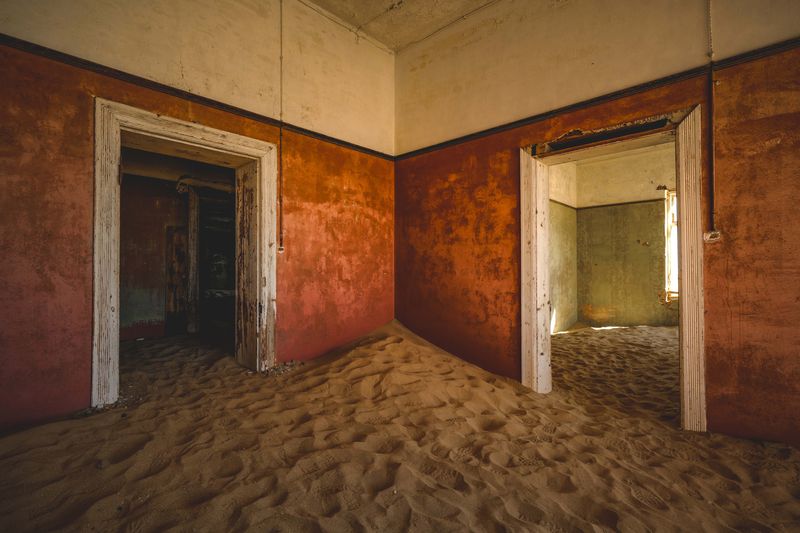
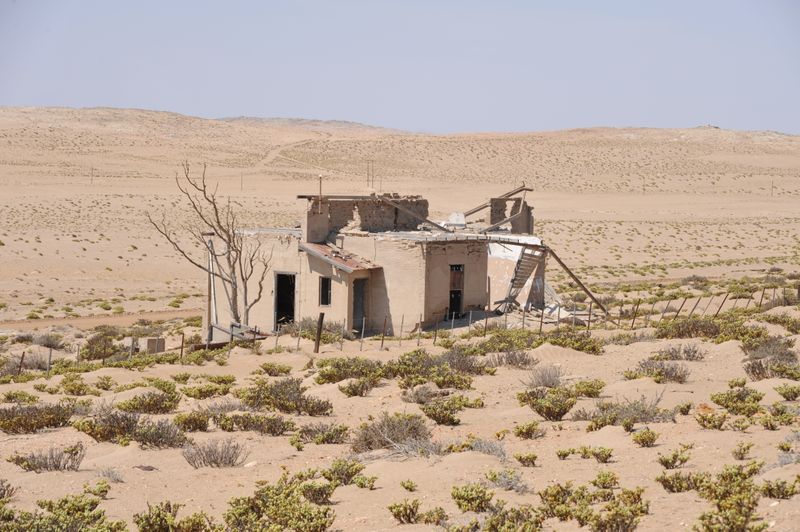
The star attraction — a grand diamond-boom town of the 1910s, complete with a ballroom, hospital, bowling alley and ice factory, abandoned when the diamonds ran out and now being reclaimed by the Namib. Sand pours through broken windows and fills the rooms of once-opulent houses in drifts, creating one of the most photogenic and haunting sights in Africa, especially in the early-morning light.
💡 Buy the permit in Lüderitz and go on the early photography ticket for the best light and empty rooms; a guided tour explains the boom-and-bust diamond story.
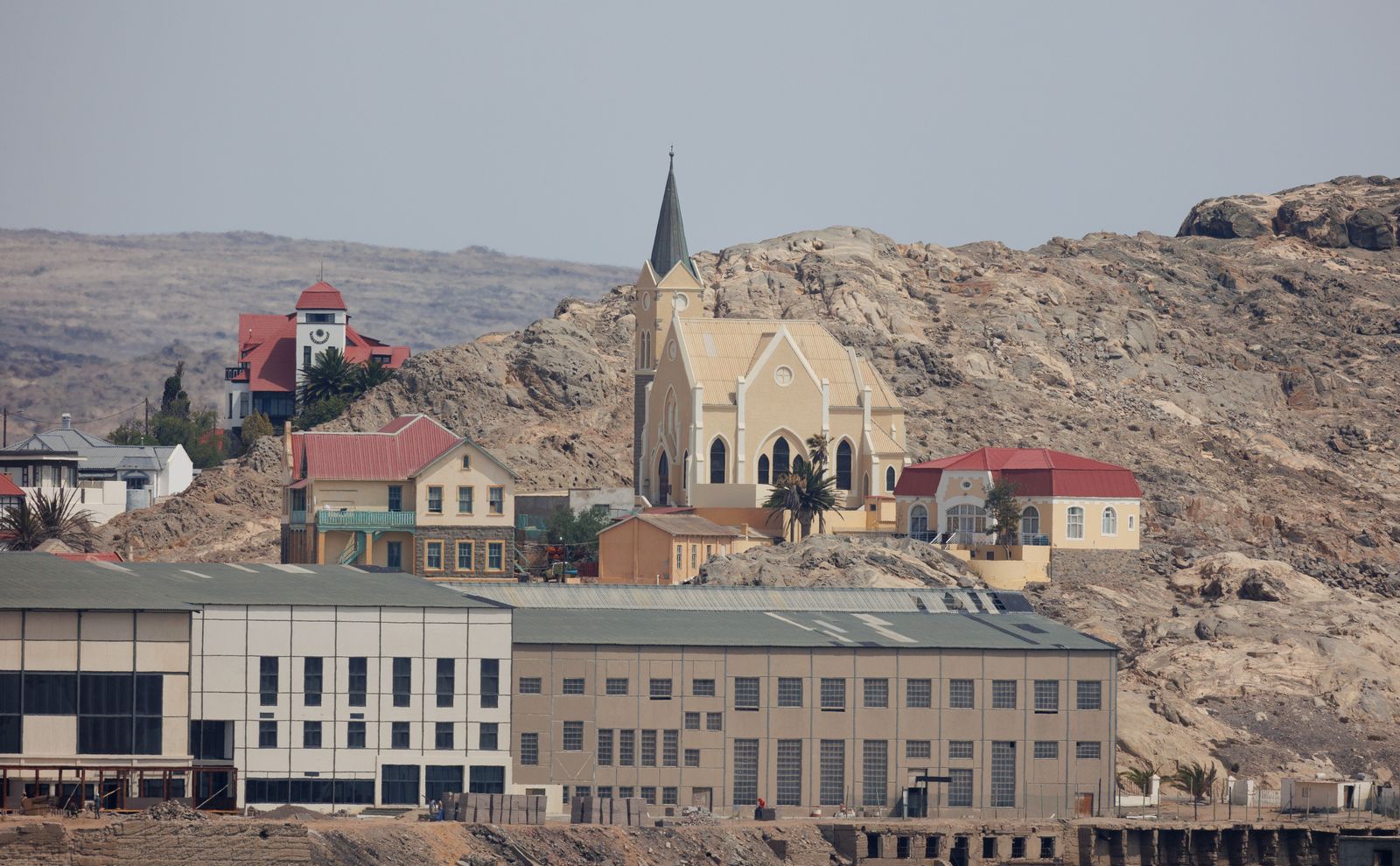
Lüderitz itself is a delightful oddity — a compact grid of German colonial architecture in Art Nouveau and Jugendstil styles, painted in cheerful pastels against the grey sea and rock. Landmarks include the hilltop Felsenkirche (Lutheran church) with its stained glass, the ornate Goerke Haus mansion, and rows of gabled merchants’ houses, all wonderfully out of place on this wild African shore.
💡 Climb to the Felsenkirche for sunset light through its stained glass and views over town and bay; the Goerke Haus and colonial streets are a charming short wander.
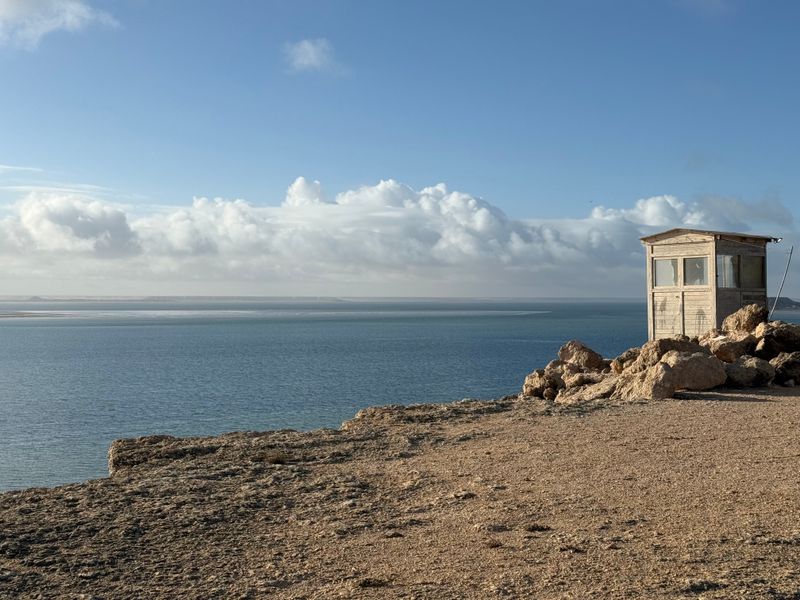
The Lüderitz peninsula runs out to Diaz Point, where a replica of the cross planted by Portuguese explorer Bartolomeu Dias in 1488 marks the windswept cape, with crashing surf, seals and dramatic coastal scenery. The rocky bays around — Agate Beach, Grosse Bucht — harbour flamingos, and the cold Atlantic light and wind give the whole coast a raw, elemental beauty.
💡 Drive the peninsula loop to Diaz Point and the bays for seals, flamingos and wild seascapes; it’s exposed and windy — wrap up warm even in summer.
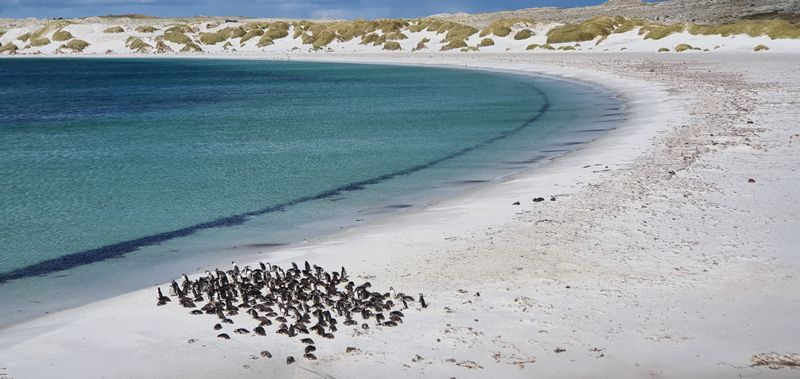
Off the peninsula, Halifax Island shelters a colony of African penguins, and boat trips from Lüderitz harbour cruise out to see them alongside Cape fur seals, Heaviside’s dolphins (endemic to this coast) and, in season, flamingos. It’s a wildlife-rich excursion on a cold, clear sea, and a reminder that this bleak-looking coast teems with life.
💡 A morning catamaran or schooner trip to Halifax Island for penguins, seals and endemic dolphins is the best of the coast’s wildlife — book ahead and dress warmly.
Lüderitz is a fishing town on a cold, rich sea, so seafood is the thing — above all its famous rock lobster (crayfish), landed here and served in the town’s restaurants, alongside fresh fish, kabeljou, oysters and mussels from the cold Atlantic. The German colonial heritage adds the usual schnitzel, wursts, eisbein and hearty cooking, plus proper coffee and cake, while Namibian game (oryx, springbok) appears on menus for a change from fish. The handful of restaurants cluster near the waterfront and in the old town, cosy against the ever-present wind, and a cold Windhoek Lager or a Namibian wine accompanies dinner. It’s not a big dining scene — Lüderitz is small and remote — but fresh crayfish and cold-water fish, eaten looking out at the wild grey sea, are the local treat. Stock up on other supplies, as choice is limited this far south.
Head to Kolmanskop on the early photography permit — sand pouring through the doorways of grand abandoned houses in the soft morning light, Africa’s most haunting ghost town.
Back in Lüderitz, wander the pastel Art Nouveau streets and the hilltop Felsenkirche, then a lunch of the town’s famous rock lobster by the wild grey sea.
Drive out to Diaz Point and the coastal bays for seals, flamingos, crashing surf and the windswept cross of the Portuguese explorers — raw, elemental coast.
A cosy seafood dinner against the ever-present wind — fresh crayfish or cold-water fish and a Windhoek Lager — in one of the strangest, most remote towns in Africa.
The sand-filled ghost town is one of Africa’s great photographic sights — buy the permit in town and go on the early ticket for the best light and empty rooms.
Lüderitz is famously, relentlessly windy, and the cold Benguela current keeps it cool — pack warm, windproof layers even in summer; it’s an elemental coast.
Lüderitz is remote — a long drive across the desert to reach it; fuel up, stock supplies, and it pairs well with the Fish River Canyon and the deep south.
Boat trips to Halifax Island reveal African penguins, seals and the endemic Heaviside’s dolphins — the cold sea is surprisingly full of life; book ahead.
The Sperrgebiet diamond area around town is restricted — don’t stray off permitted roads and areas; Kolmanskop and the coast are the accessible highlights.
Lüderitz rock lobster is the local delicacy, landed fresh — seafood is the reason to eat here; supplies are otherwise limited, so stock up elsewhere.
Offline maps for the long desert drive and the peninsula; signal is limited this far south.
Free
How guesthouses, tour and boat operators communicate and take bookings.
Free
Convert Namibian dollar prices (pegged to the South African rand).
Free
Multi-currency card with strong rates — useful for the region; carry cash for permits and small operators.
Free
The calm capital Windhoek, the red dunes of Sossusvlei, seaside Swakopmund, the wildlife of Etosha and the ghost-town coast of Lüderitz — Namibia is a vast self-drive dream.