QA
Al Khor
Mangrove kayaking, a UNESCO fort and Qatar's northern coast
Mangrove kayaking, a UNESCO fort and Qatar's northern coast
⚠️ Travel advisory: check before you go
In September 2026 the US raised its advice to “reconsider travel” for this region because of tensions involving Iran. Flights and tourism are operating normally, but airspace closures and cancellations can happen at short notice, so keep plans flexible and travel insurance in place.
Latest official advice: UK FCDO · US State Department · Reviewed September 2026
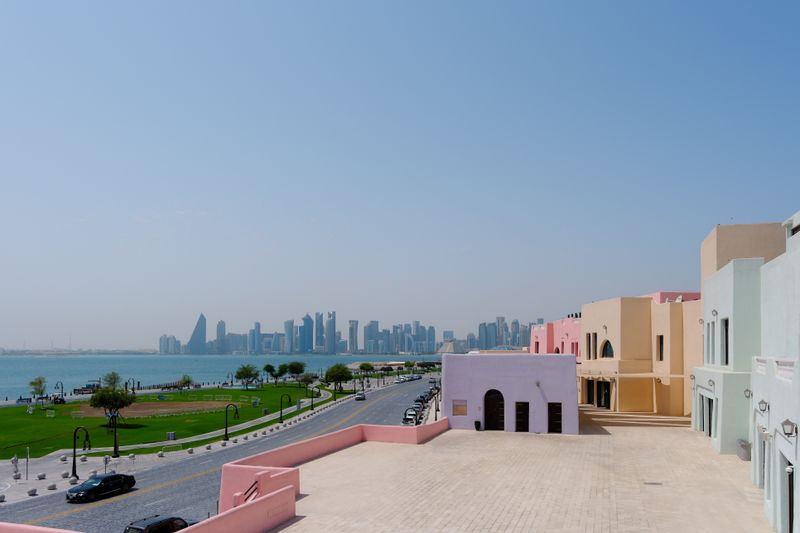
A relaxed waterfront of parks, playgrounds and a dhow-filled harbour, the corniche is where families gather at dusk and fishermen mend their nets, a slice of everyday coastal Qatar.
Sunset over the harbour dhows is the town’s best photo.
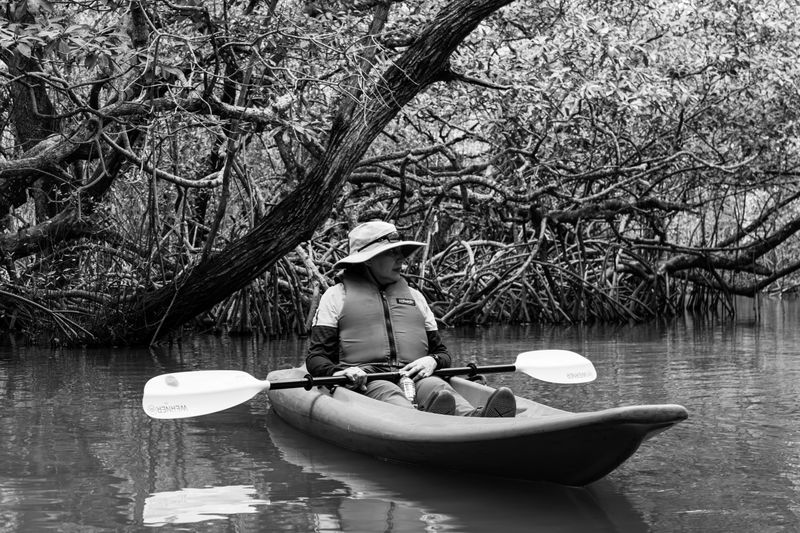
Just north of town, a labyrinth of tidal mangrove channels is best explored by kayak, gliding past herons, flamingos and crabs in Qatar’s largest mangrove forest.
Book a guided dawn kayak tour and go at high tide.
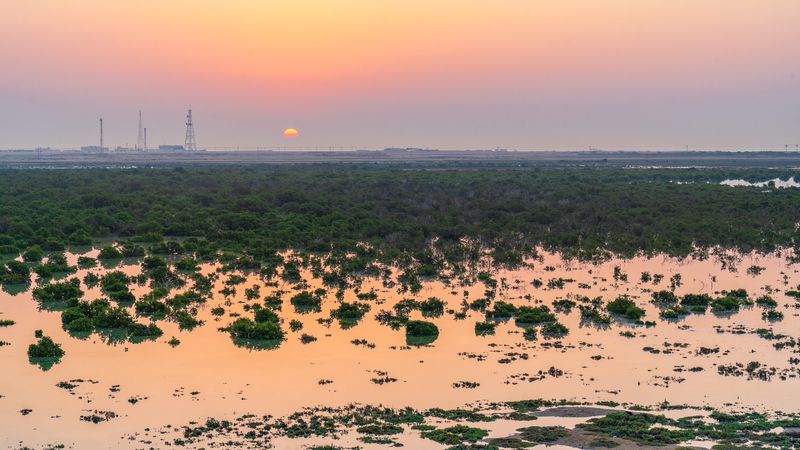
Also called Bin Ghannam Island, this small tidal island edged with mangroves was an ancient purple-dye production site; boardwalks and low hills give lovely coastal views.
Wear shoes you can get muddy and check the tide before crossing.
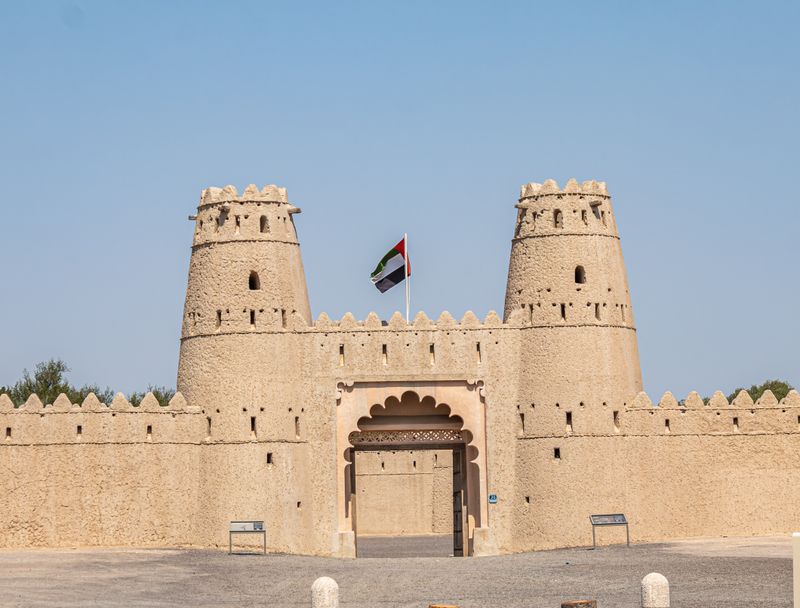
An hour northwest, this restored 1938 fort guards the ruins of a once-thriving pearling town, Qatar’s only UNESCO World Heritage Site and a evocative desert-coast landmark.
It is a longer drive; combine with the northern coast in one trip.
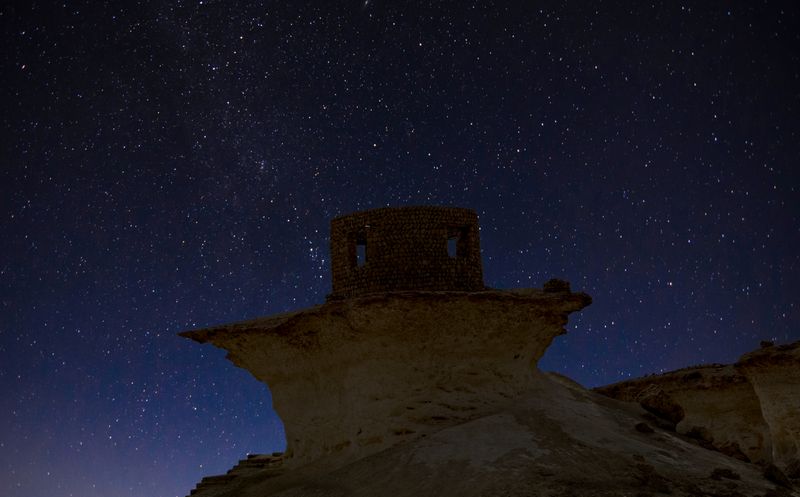
Three restored coral-stone watchtowers on a rise above town recall Al Khor’s defensive past and offer a panorama over the harbour and coast.
A quick stop; pair it with the corniche walk.
Al Khor’s food is simple and coastal. Harbourside restaurants grill hammour, prawns and crab, and machboos with fish or chicken is on most menus, while South Asian, Egyptian and Levantine cafeterias cater to the local community with biryani, falafel and shawarma. Stop at a roadside cafe for karak tea and fresh bread.
There are few places to eat near the mangroves and Purple Island, so bring water and snacks for kayaking. For a wider choice or fine dining, most visitors drive back to Doha or Lusail for dinner.
Al Khor is about 50 km north of Doha, roughly 45 to 60 minutes by car on the Al Khor Coastal Road. There is no Metro service, and buses are limited, so most visitors hire a car, take a Karwa taxi or ride-hailing app (and confirm the return), or join a tour. Kayak operators at Al Thakira can sometimes arrange transfers. Al Zubarah is a further hour’s drive northwest.
Qatar is expensive, but Al Khor itself costs little; transport and guided kayaking are the main outlays. Estimates are per person per day in USD; the Qatari riyal is pegged at about QR 3.64 to the dollar.
Al Zubarah Fort has generally been free to enter.
One full day covers Al Khor’s nature, the north coast’s history and a sunset on the corniche.
Start with a guided kayak through the Al Thakira mangroves, watching for herons and, in winter, flamingos, then walk the boardwalks of Purple Island.
Tours of about two hours run at high tide; book ahead.
Drive northwest to the UNESCO-listed Al Zubarah fort and the ruins of the old pearling town, one of the best-preserved in the Gulf.
Bring water; the archaeological site is exposed.
Return to Al Khor for the old watchtowers and dhows in the harbour at sunset, then have a seafood dinner before driving back to Doha.
The coast road back is quiet but dark; drive carefully.
Al Khor and the northern sights are spread out with little public transport; a rental car or driver is the practical way to explore.
The mangrove channels are best paddled at high tide; book a guided tour for the routes and wildlife.
November to March brings comfortable temperatures for kayaking and the exposed fort.
The mangroves, island and fort have little shelter; carry water, sun cover and sturdy shoes.
Quick answers to the questions people most often ask before visiting Al Khor.
Al Khor is about 50 km north of Doha — around 45 minutes by car. Public transport is limited, so a hire car or driver is the practical option.
Kayaking through the mangroves at Al Thakira, visiting Purple Island, and exploring the coast and the northern forts and heritage sites.
At high tide, when the channels are navigable — guided tours plan around the tides. November to March has the most comfortable temperatures.
November to March. Summers are extremely hot, and the mangroves and forts have very little shade.
Plenty of water, sun protection and a hat — there is little shelter at the mangroves, island and fort. The currency is the Qatari riyal (QAR).
Reliable driving directions to Al Khor, the mangroves and Al Zubarah.
Free
Download the Arabic offline pack and use camera mode for menus and signs.
Free
Book tours, day trips and skip-the-line tickets in and around Al Khor.
Free
Skyline-and-souq Doha, futuristic Lusail, old-town Al Wakrah, mangrove-lined Al Khor and the desert Inland Sea of Khor Al Adaid — five faces of Qatar.
Planning a wider trip? Our Qatar travel guide covers getting there, costs, when to go and more.