BG
Sofia
An ancient capital under Vitosha mountain
An ancient capital under Vitosha mountain
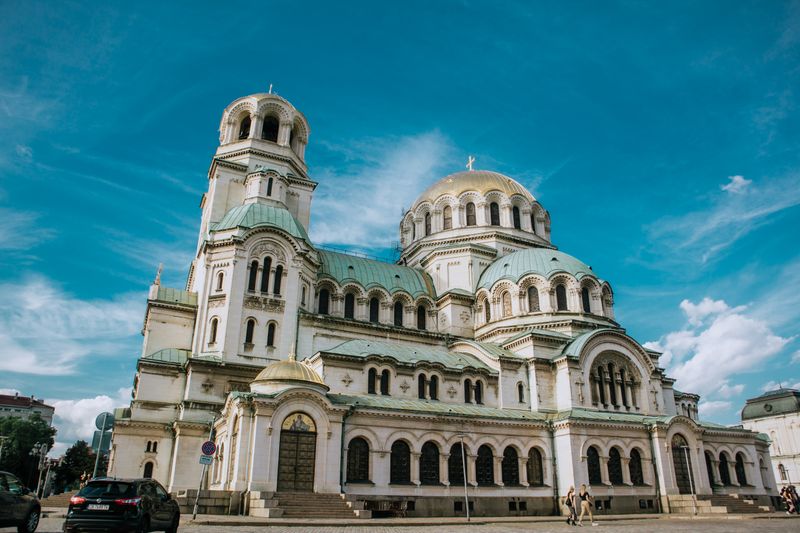
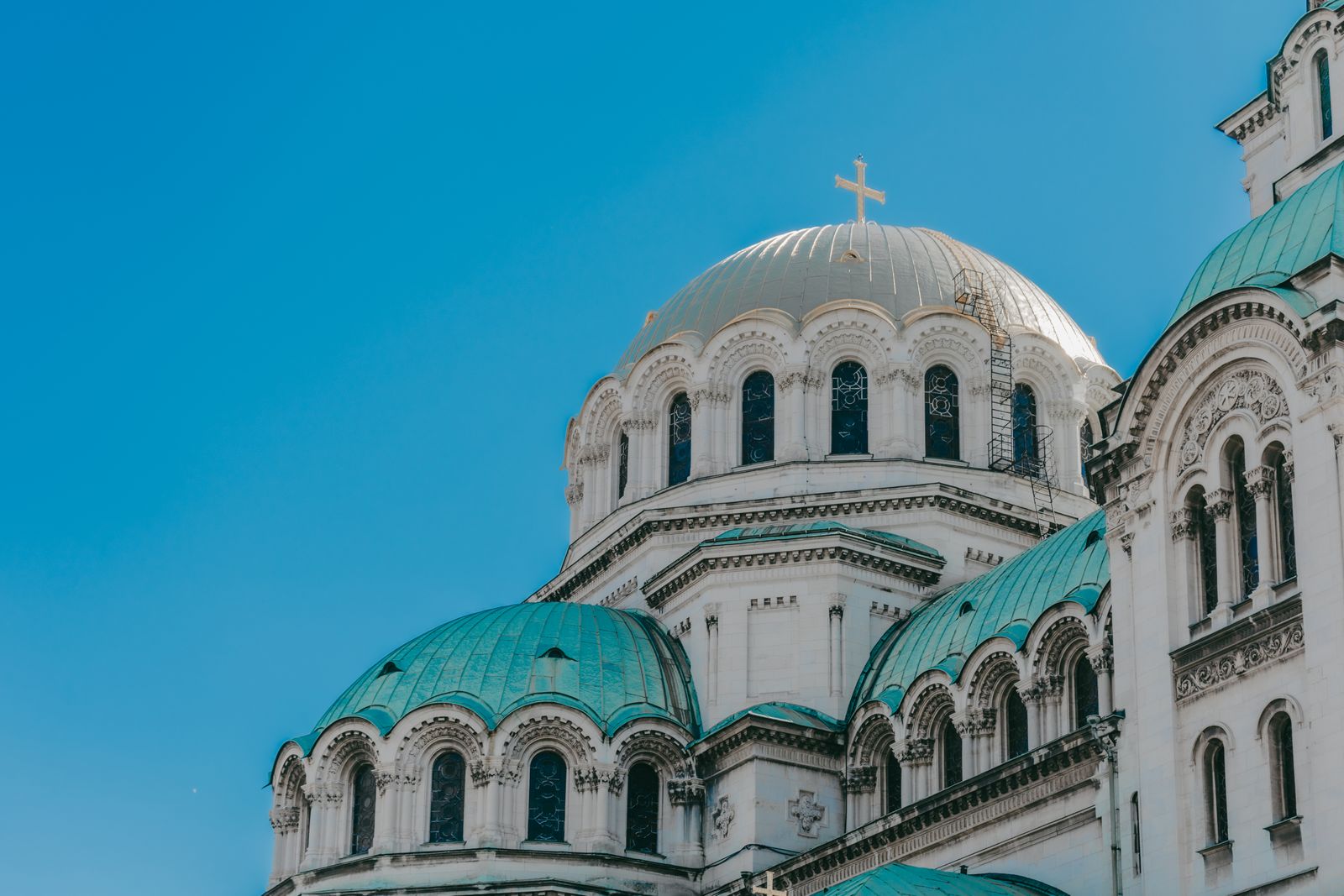
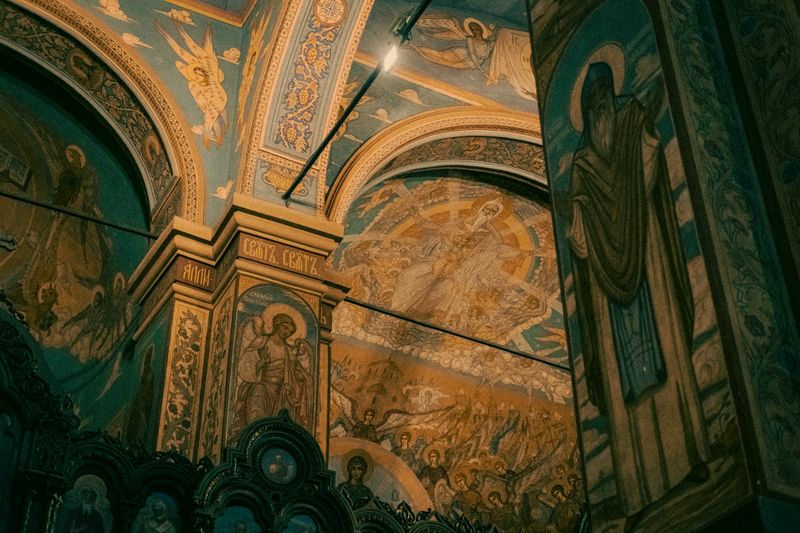
Sofia’s landmark — a vast neo-Byzantine cathedral of 1912 crowned with gilded and green domes, built to honour the Russian soldiers who died freeing Bulgaria from Ottoman rule. One of the largest Orthodox churches in the world, it holds up to 10,000 worshippers beneath glittering mosaics and murals, and its crypt houses a superb collection of Bulgarian icons.
💡 Step inside for the incense-scented, candle-lit interior, and visit the crypt’s icon museum; the square outside has a small antiques and Soviet-memorabilia market.
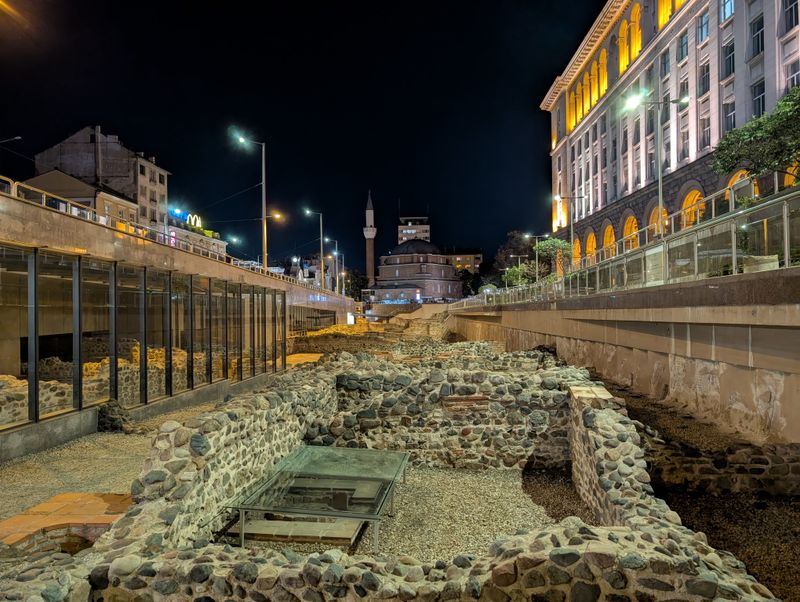
Sofia sits atop the Roman city of Serdica, and its remains are woven through the modern centre — excavated streets, an amphitheatre, and mosaics displayed beneath and beside the metro and public squares, free to wander. Above ground, the compact centre packs in the ancient St George Rotunda, the Ottoman Banya Bashi mosque, the synagogue, markets and grand boulevards — a walkable layer-cake of empires.
💡 Wander the open-air Serdica ruins around Serdika metro station and find the 4th-century St George Rotunda hidden in a courtyard — the city’s oldest building.
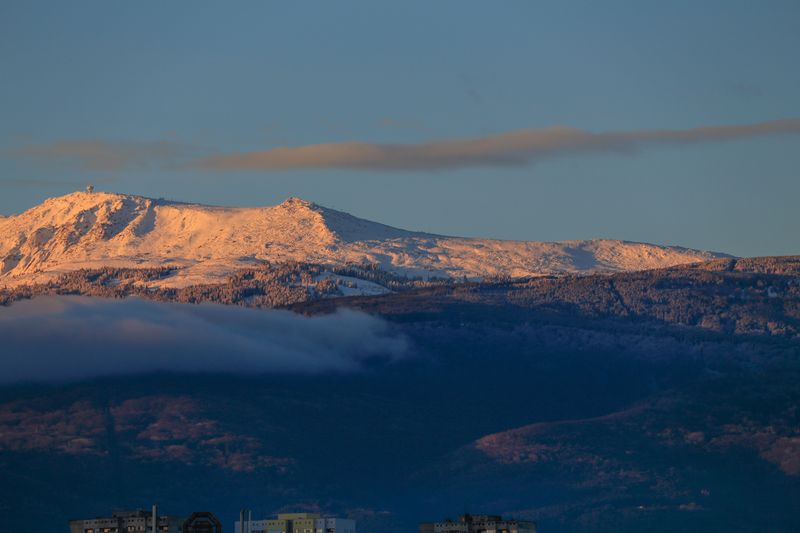
Few capitals have a mountain like this on their doorstep — Vitosha rises to 2,290 metres right at Sofia’s southern edge, a natural park reached by city bus and a lift. In summer it’s hiking, the eerie ‘Stone Rivers’ of tumbled boulders, and the Boyana waterfall; in winter it’s an actual ski resort you can reach in half an hour from the centre.
💡 Take a bus and the Simeonovo lift up for easy hiking and city views; in winter you can ski Vitosha and be back in a downtown cafe by evening.
On Vitosha’s lower slopes, the tiny medieval Boyana Church — a UNESCO World Heritage Site — holds astonishing 13th-century frescoes whose lifelike faces prefigure the Renaissance. Back in town, the National History Museum, the National Gallery in the former royal palace, and the excellent National Archaeological Museum fill in Bulgaria’s long, rich story, from Thracian gold to icons.
💡 Boyana’s frescoes are visits of just 10 minutes (to protect them) but unforgettable — combine with the nearby National History Museum on a Vitosha-foothills afternoon.
Bulgarian food is a delicious, underrated mix of Balkan, Ottoman and Slavic, and Sofia is the place to graze it cheaply. Start with a shopska salad — tomatoes, cucumber, peppers and grated white sirene cheese, the national dish — then grilled meats (kebapche, kyufte), banitsa (flaky cheese pastry) for breakfast, rich bean stew, stuffed peppers, and yogurt in everything (Bulgaria invented it). The city has a fast-growing scene of modern Bulgarian bistros, craft-beer bars and third-wave coffee alongside cheap mehana taverns with folk music and rakija. Wash it down with Bulgarian wine (an ancient wine country making excellent, cheap reds and whites), craft beer, or the fierce grape/plum rakija toasted with every meal. Portions are big, quality is high and prices are among the lowest in the EU — Sofia is a genuine bargain for food lovers.
Start at the gold-domed Alexander Nevsky cathedral, then wander the excavated Roman Serdica streets and the hidden St George Rotunda in the compact centre.
See the mosque, synagogue and markets of the layered centre, then a shopska salad and grilled kebapche in a folk-music mehana — Bulgarian eating at its cheapest and best.
Head to Vitosha’s foothills for the UNESCO frescoes of tiny Boyana Church and the National History Museum, then up the mountain for city views and fresh air.
Back downtown for the lively cafe-and-craft-beer scene along the boulevards, a modern Bulgarian dinner and a glass of the country’s excellent, cheap wine.
Vitosha rises right at the city edge — hiking in summer, skiing in winter, all reachable by city bus and lift; few capitals offer this.
Bulgaria is among the cheapest countries in the EU — huge, delicious meals with wine cost very little; shopska salad and a mehana dinner are essential.
Roman Serdica is woven through the modern centre, much of it free and open — look for ruins around the metro and squares; the Rotunda is the oldest building.
Sofia’s metro, trams and buses are cheap and reach the airport and Vitosha; the compact centre is very walkable, and Bolt covers the rest.
The spectacular Rila Monastery, Bulgaria’s most important, is a popular day trip from Sofia — book a tour or hire a car for the mountain drive.
Bulgarians traditionally shake the head for ‘yes’ and nod for ‘no’ — confusing at first; when in doubt, confirm verbally.
Reliable metro, tram and walking directions across Sofia and to Vitosha.
Free
The main ride-hailing app in Sofia — cheap, everywhere, and easier than street taxis.
Free
Cheap intercity coaches to Plovdiv, the coast, and across the Balkans.
Free
Multi-currency card with strong rates for Bulgarian lev payments and ATM withdrawals.
Free
Ancient Sofia under its mountain, seductive Plovdiv, the tsars’ city of Veliko Tarnovo, the ski town of Bansko and Black-Sea Nessebar — Bulgaria spans mountains, history and coast.