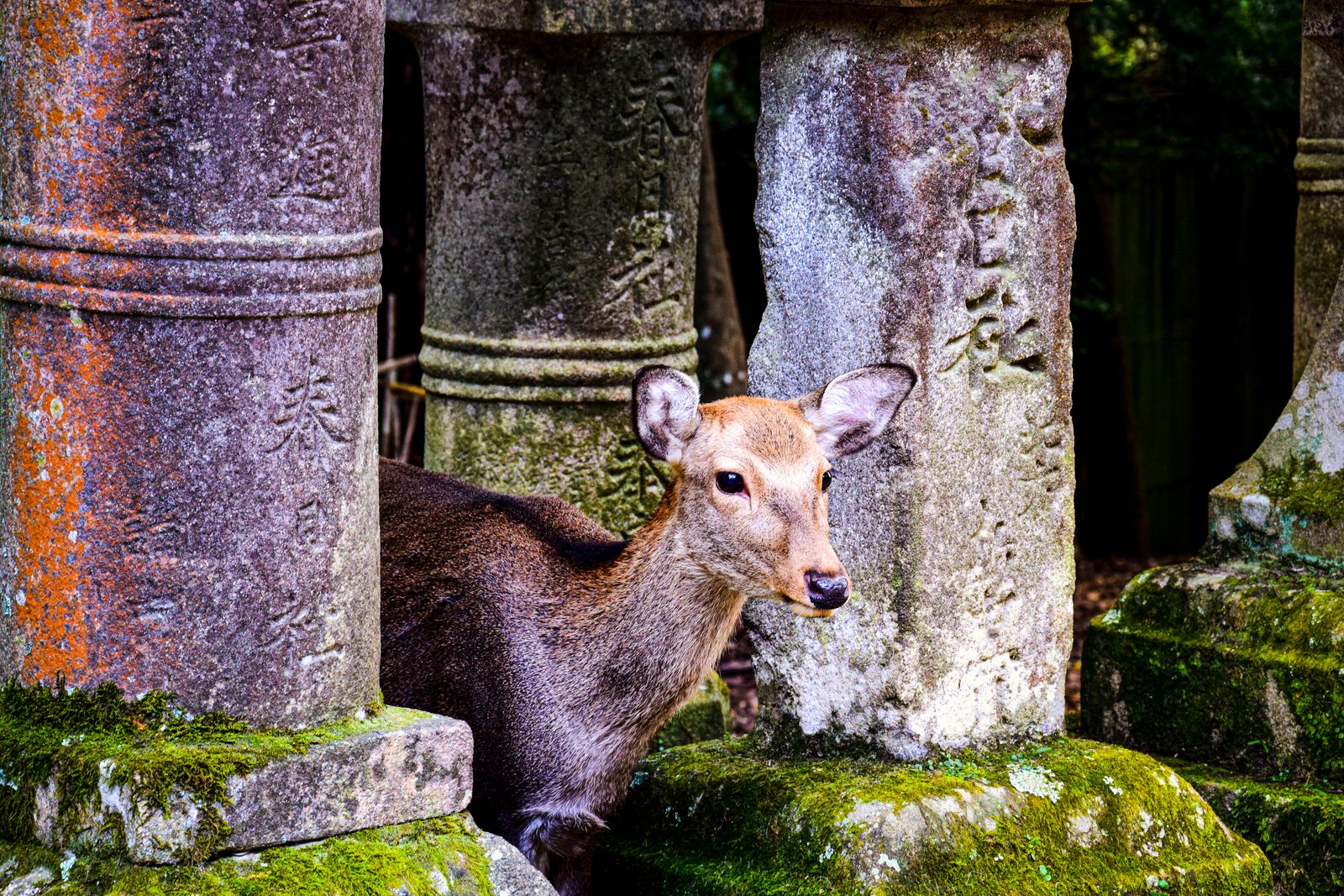
JP
Nara
Deer, Temples and Japan’s First Capital
Deer, Temples and Japan’s First Capital
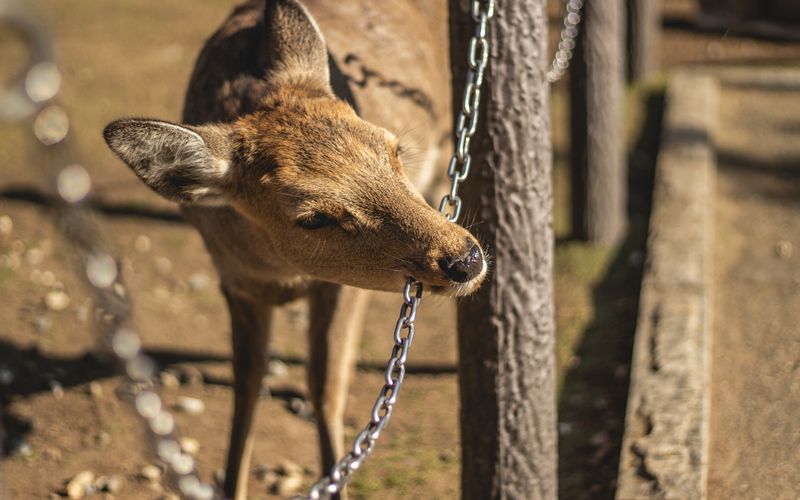
Approximately 1,200 Sika deer have roamed freely in Nara since the 8th century, designated national treasures and considered messengers of the Kasuga Taisha deity. They live in the park, at the temple gates, on the shopping streets and occasionally in the train station. Buy shika senbei (deer crackers, ¥200 a bundle) from vendors: hold one up, a deer will bow to you, you give it the cracker, and then ten more deer arrive. The deer are wild but gentle with people; they are not gentle with bags, maps or food.
Buy shika sembei (deer crackers; ¥200) from park vendors. The deer bow before receiving food — trained behaviour, not natural. Hold the crackers low; the deer will headbutt if you raise them. The bowing gesture is most reliable early morning before the deer are satiated.

Todai-ji (“Great Eastern Temple”) was completed in 752 AD and houses the world’s largest bronze Buddha: 15 metres tall, weighing 500 tonnes, seated inside the world’s largest wooden building (rebuilt in 1709 and still the largest wooden structure on earth). Entry ¥600. The scale of the Great Buddha (Daibutsu) inside the hall is not fully conveyed by photographs; it is considerably more imposing in person. The column with a hole at its base, the same diameter as the Buddha’s nostril, supposedly grants enlightenment to those who crawl through it.
Tōdai-ji entry (¥600; 8am–5pm) contains Vairocana Buddha at 15 metres, the world’s largest bronze statue. The wooden column inside has a hole the size of the Buddha’s nostril (37cm) that visitors traditionally squeeze through for good luck — adults can just fit.
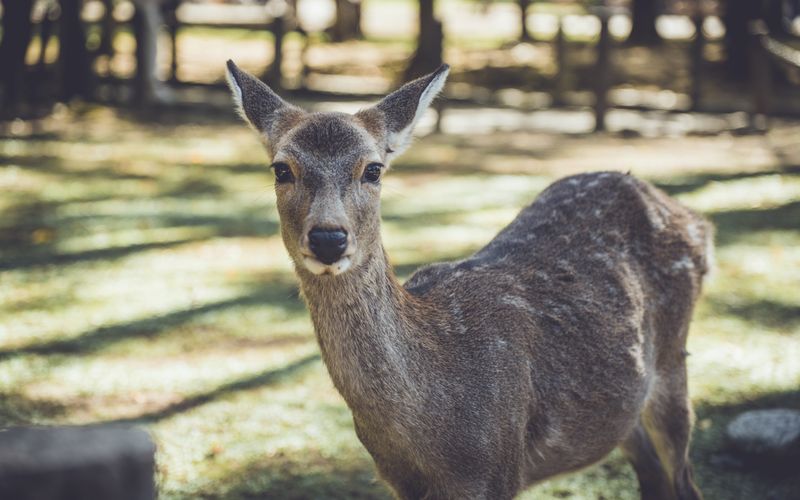
The 660-hectare park surrounding the temples is at its best in mid-November when the maple trees turn; the combination of orange and red leaves, the grey stone lanterns, and the deer wandering through the colour is one of Japan’s best autumn experiences. Cherry blossom in early April is equally celebrated but busier. Year-round, the park is free to walk; the temple interiors charge entry. The dawn walk through the park — deer in the morning mist — is the reason to stay overnight.
Nara in November (kōyō, autumn colour) is extraordinary: the maple trees of Yoshikien garden (free for international visitors) and the Ukimido pavilion in Sagi-ike lake are the finest views in Nara during peak autumn. Colour peaks mid-November.

Founded in 768 AD and rebuilt every 20 years until 1863, Kasuga Taisha is one of Japan’s most significant Shintō shrines and a UNESCO World Heritage Site. The approach path through the forest is lined with 2,000 stone lanterns donated by worshippers over centuries; 1,000 more bronze lanterns hang inside the shrine corridors. In February (Mantoro festival) and August, all 3,000 lanterns are lit simultaneously — the most dramatic evening in Nara. Entry to the outer precinct is free; the inner shrine costs ¥500.
Kasuga Taisha (¥500 inner garden; outer area free) has 3,000 bronze and stone lanterns. They are lit during the Mantoro festival in February and August — the most atmospheric event in Nara. The stone lanterns on foggy autumn mornings are extraordinary without a festival.
Nara’s food culture is modest compared to Kyoto or Osaka, but it has its specific dishes. Kakinoha-zushi is a type of pressed sushi wrapped in persimmon leaves, traditionally made in autumn when the persimmon harvest coincides with the fish-pickling season; it has a distinctive tannic quality from the leaf and is sold in wooden boxes throughout the city. Miwa sōmen (thin wheat noodles from the Miwa region, 20km south) are served cold with a dipping sauce and are the correct light lunch in warm weather.
The Naramachi neighbourhood — the preserved merchant district behind Higashimuki shopping arcade — has the best restaurants and coffee shops in Nara: converted machiya townhouses serving traditional Nara cuisine, craft beer from the local Nara Brewing, and cafes that double as gallery spaces. It’s a 10-minute walk south of the main park.
Nara is a walking city. Kintetsu Nara Station is the better-positioned of the two stations; from the exit you immediately encounter deer and the park. Todai-ji is 15 minutes on foot; Kasuga Taisha is 30 minutes. Cycle rental from several shops near the station (¥800–1,200/day) gives access to the wider park and the Naramachi neighbourhood. Horyu-ji (the oldest wooden building on earth, 12km west) requires Bus 97 from JR Nara Station: 50 minutes, ¥760.
Nara is excellent in any season but peaks in autumn (November) and spring (April). The deer are present year-round. The Kasuga Taisha lantern paths are most atmospheric in winter morning mist.
Nara is one of the most affordable major tourist destinations in Japan. The park is free; the main temple charges ¥600; the deer crackers cost ¥200. Day-tripping from Osaka or Kyoto keeps accommodation costs minimal. Per person per day.
Nara is one of the best-value day trips in Japan: the park, the deer and the lantern path are all free.
An overnight ryokan in Naramachi with the 6am park walk is the best value extended Japan experience.
The Nara Hotel (1909, where Einstein stayed) is the most historically significant Western-style hotel in Japan. Still operating, still atmospheric.
Nara works perfectly as a day trip from Kyoto or Osaka. One full day covers the main sights at a good pace. Staying overnight gives the dawn park experience and Horyu-ji the following morning.
Kintetsu Nara by 9am. Buy deer crackers immediately from a vendor. Walk to Todai-ji (15 min): see the Great Buddha, try the wooden column squeeze. Kasuga Taisha via the lantern-lined stone path (30 min walk). Nara Park in the afternoon: wander without agenda; let the deer intercept you. Naramachi in the evening for dinner. Return train to Kyoto or Osaka by 7pm, or stay the night.
Arrive early from Kyoto or Osaka (both 45 min). The deer are most active before 10am and after 4pm. The route from Kintetsu Nara station through the park to Tōdai-ji to Kasuga Taisha and back via Yoshikien garden covers all main sights in 4–5 hours.
Wake at 6am and walk to the park in the morning mist — deer in the empty park, lanterns, nobody else. Breakfast at a Naramachi café. Bus 97 from JR Nara Station to Horyu-ji (50 min): the oldest wooden structure on earth. 90 minutes minimum. Return and take the train to Kyoto or Osaka by 2pm.
Hōryû-ji (30 min by bus from Nara; ¥1,500) contains the oldest surviving wooden buildings in the world (607 AD). The Five-Story Pagoda and the Kondo (Golden Hall) are two of the most important structures in Japanese history. Allow 2 hours.
The shika senbei deer crackers (¥200 per bundle) are sold by vendors with baskets, not in shops.
Todai-ji opens at 7:30am in summer and 8am in winter.
Horyu-ji (12km west by bus from JR Nara Station) contains the oldest wooden structures in the world, dating to 607 AD.
The park in autumn: red and orange maple leaves, stone lanterns, deer with antlers in the rutting season (October–November the males are active), fewer foreign tourists than spring.
The park and deer at dawn — before 8am when the vendors and tourists arrive — is the most underrated experience in Nara.
Kasuga Taisha holds the Mantoro (All-Lantern) Festival twice yearly — February 3 and August 14–15 — when all 3,000 lanterns in the shrine are lit simultaneously at dusk.
Essential for shrine notices, ceremony announcements and restaurant menus in Naramachi. Download Japanese offline language pack.
Free
Download Nara offline. The park paths, Naramachi lanes and the bus route to Horyu-ji are easiest navigated with GPS. Mark Horyu-ji before you go — it is 12km outside the central park area.
Free
Restaurant guide for Naramachi. Search for kakinoha-zushi (persimmon-leaf sushi) and Miwa sōmen (regional noodles). Filter by Nara City for the main dining neighbourhood.
Free
Book tours, day trips and skip-the-line tickets in and around Nara.
Free
Quick answers to the questions travellers most often ask before visiting Nara.
Spring, for the cherry blossom, and autumn, for the foliage, are the most beautiful. Nara makes an easy day trip year-round from Kyoto or Osaka.
One day is enough for the highlights — Todai-ji’s Great Buddha, Nara Park and its deer, and the Kasuga Taisha shrine — making it a classic day trip.
The main sights cluster around Nara Park and are easily walkable; trains from Kyoto and Osaka take around 45 minutes, and local buses help with longer distances.
Being Japan’s first permanent capital — home to the giant bronze Buddha at Todai-ji, hundreds of tame, bowing deer roaming Nara Park, and ancient temples and shrines that are collectively a UNESCO World Heritage Site.
Discover more of Japan's great destinations.
Planning a wider trip? Our Japan travel guide covers getting there, costs, when to go and more.