PE
Machu Picchu
The Lost City of the Inca
The Lost City of the Inca
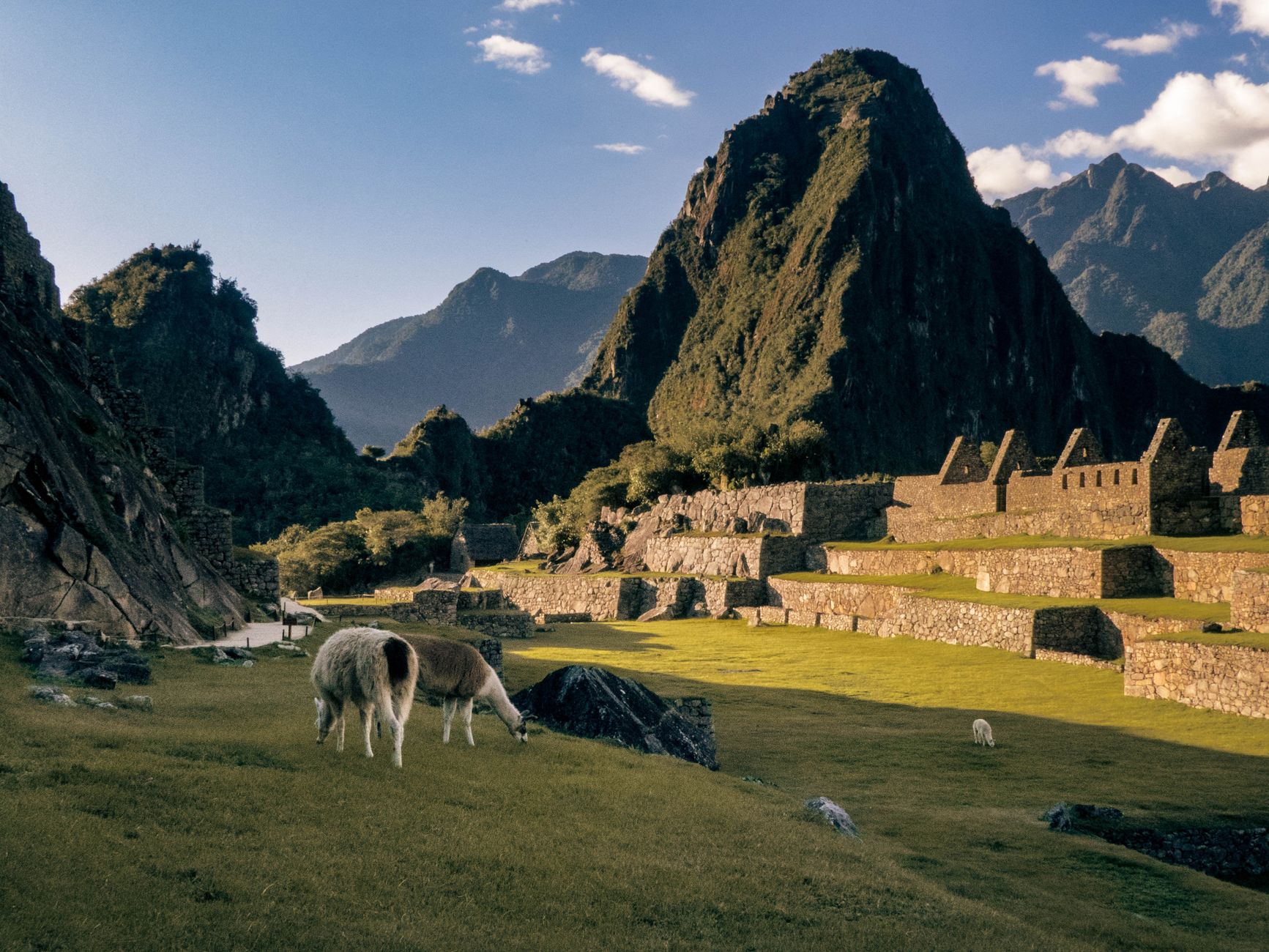
The Machu Picchu citadel (2,430m; built approximately 1450 AD; covering 13km²) divides between the urban sector (the Temple of the Sun, the Intihuatana astronomical post, and 140+ residential structures) and the agricultural sector (the terraces cascading down the ridge). Circuit 1 reaches the highest panoramic viewpoint, the classic photograph of the citadel in its entirety.
💡 Machu Picchu tickets sell out 3–6 weeks ahead in May–September — book at machupicchu.gob.pe as soon as the date is fixed. The 6am and 7am slots (the morning mist) are the most in demand.

Inti Punku (the Sun Gate; at 2,720m; 2h uphill walk from the citadel; the original Inca Trail terminus) was the gateway through which trail walkers would first see Machu Picchu at the summer solstice sunrise. Looking down the ridge from the Sun Gate threshold is the finest view in the Americas — the entire citadel, the Urubamba River horseshoe, and the surrounding mountains simultaneously.
💡 Circuit 1 at 6am or 7am gives the classic panoramic view in the morning mist — the llamas on the terrace, Huayna Picchu above, and the river gorge below are all visible simultaneously. The mist usually clears by 9am.

Huayna Picchu (the steep granite peak in the background of every Machu Picchu photograph; 2,720m; 45 min of near-vertical climbing from the citadel) gives the finest down-looking view of the citadel and the surrounding valley. Maximum 400 visitors/day in two slots (7am and 10am); books out months ahead in season.
💡 Inti Punku (Sun Gate; 2h uphill; free with site ticket) gives the finest panoramic view of Machu Picchu from above — start by 7am and reach the gate before the midday heat.
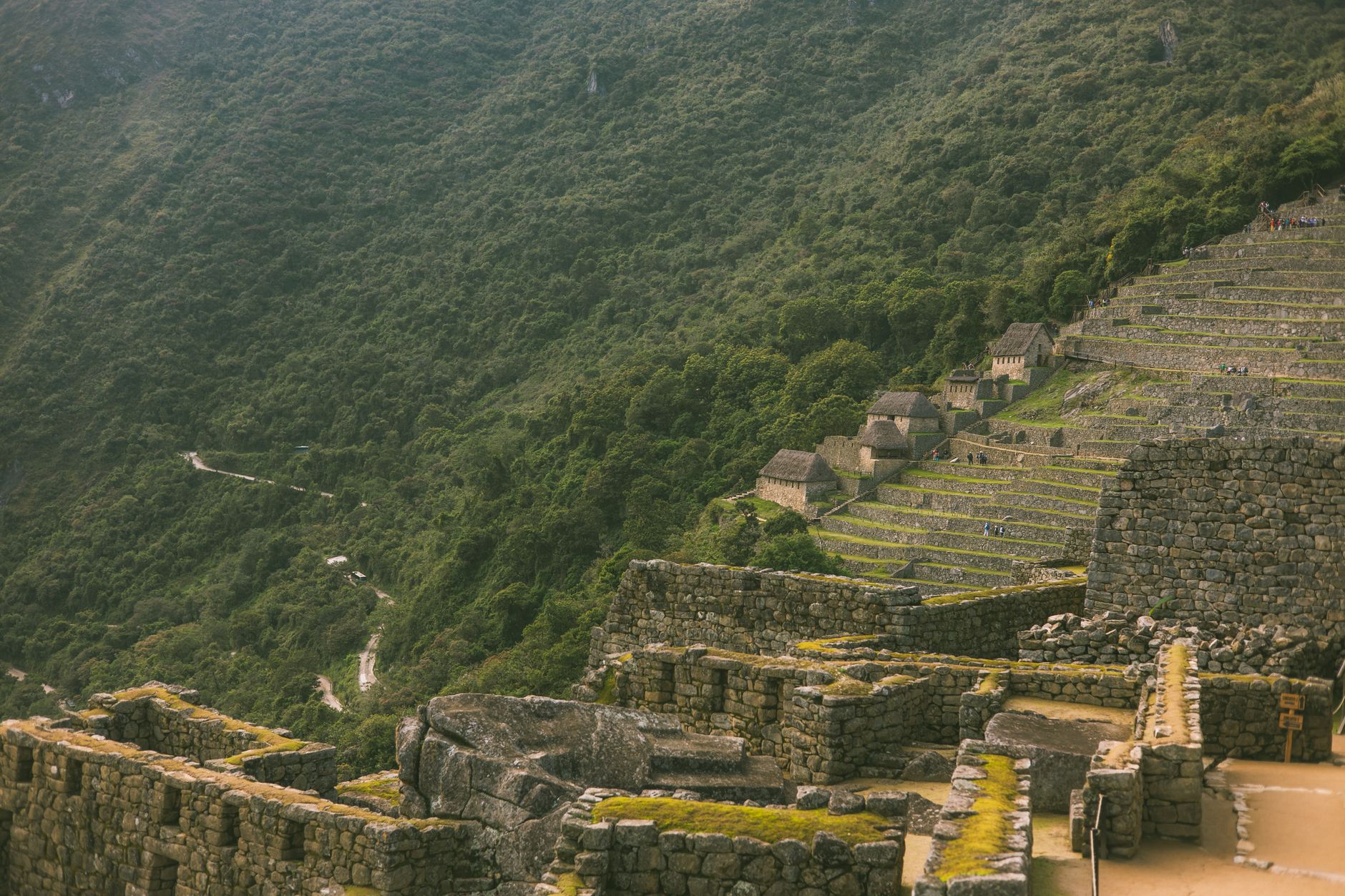
Aguas Calientes is the base town for Machu Picchu — a single pedestrian street of restaurants and hotels along a gorge between the Urubamba River and the mountain railway. The hot springs (baños termales; S/15; 5am–8pm) at the top of town are the finest post-citadel recovery; the Sunday market on Calle Comercio has Andean textiles at source prices.
💡 Huayna Picchu Mountain (S/150 additional; maximum 400/day; books out months ahead) has the finest downward view of the citadel — 45 minutes of near-vertical climbing on original Inca stone stairs.
The food at Aguas Calientes is functional resort-town cooking rather than Peruvian cuisine — the remote location and the captive audience mean price and quality are inversely related to most Peru destinations. The trucha (the Urubamba River trout; grilled or fried; PEN 25–45 at the riverside restaurants; the most specific Aguas Calientes dish and the most reliable); the menú del día (the set lunch; PEN 20–35 at the backstreet restaurants off the main tourist strip; the soup, the trout or chicken second, the dessert; the most economical option); and the Indio Feliz restaurant (the most celebrated restaurant in Aguas Calientes; the French–Peruvian fusion; PEN 60–120 pp; the best value and the best quality in town; book the day before) are the three realistic Aguas Calientes food options. The one food rule: eat before the 6am citadel entry; the site has a single expensive cafe and the food at the citadel itself is the worst value meal in Peru.
There is no road to Aguas Calientes and no road to the Machu Picchu citadel. The options: the train (PeruRail or Inca Rail from Cusco Poroy station or Ollantaytambo; 3.5h or 1.5h respectively to Aguas Calientes; PEN 150–500 each way; book 4–8 weeks ahead) is the standard approach; the bus from Aguas Calientes to the citadel (the Consettur bus service; departs every 5 min from 5:30am; PEN 25 each way; 25-min journey up the switchback road; the queue begins forming at 5am for the first buses); the hiking option from Aguas Calientes (the Inca Trail to the citadel; the path directly up the mountain; the 1.5h ascent; free; replaces the bus; the descent on the same path or by bus; the most athletic approach); the 4-day Inca Trail (the classic 45km route from the 82km trailhead through the Andes to the Sun Gate; 500-permit daily limit; sold out 6+ months ahead in peak season; the most celebrated hiking experience in South America).
Machu Picchu tickets (S/152–200 per person; maximum 300 per 4-hour slot; book at machupicchu.gob.pe) sell out 3–6 weeks ahead in May–September. Book as soon as the date is fixed.
Circuit 1 (the panoramic circuit; the highest point; the classic postcard view) is best in the 6am or 7am entry slot &mdash.
Inti Punku (Sun Gate; 2h uphill from the citadel entrance; approximately 4km; the original Inca Trail terminus) gives the finest panoramic view of Machu Picchu from above &mdash.
Huayna Picchu Mountain (the steep peak directly behind Machu Picchu in all photographs; maximum 400 visitors/day; 7am and 10am slots; S/150 additional; book months ahead at machupicchu.gob.pe) requires 45 minutes of near-vertical climbing on stone stairs.
A licensed Machu Picchu guide (S/120–180 for a 2h group tour; hire at the gate) is the best investment at the site &mdash.
Machu Picchu between 11am and 1pm is the most crowded — the day-trippers from Cusco and the overnight guests overlap.
May–Oct is the dry season (clearest sky; best photography; Jun–Aug peak crowds with tickets months ahead). Nov–Apr is the wet season (cloud and rain; atmospheric mornings; the 6–9am window is usually clear; significantly cheaper and less crowded). Feb: site closed for maintenance.
Day 1: the 6am entry for the sunrise light and Circuit 1 panoramic. Day 2: Huayna Picchu mountain at 7am (if ticketed) or the Sun Gate hike.
6am or 7am entry (Circuit 1 panoramic view; the morning mist; the llamas on the terrace). Guided tour of the urban sector (Temple of the Sun; Intihuatana; S/120). Inti Punku Sun Gate (start by 7am; 2h up; the finest panorama).
💡 The overnight option in Aguas Calientes gives you the first 6am entry slot — the site at dawn, before the day-trippers arrive on the 6:30am bus, is the finest version of Machu Picchu.
Huayna Picchu Mountain (7am slot; 45 min up; downward view of the citadel). Return to the citadel for the lower terrace circuit. Aguas Calientes for the afternoon (hot springs S/15; market on Calle Comercio).
💡 The Inca Rail Vistadome (1.5h; panoramic windows; from S/60 one-way) from Ollantaytambo is far more comfortable than the PeruRail Expedition — both routes are identical; the Vistadome is worth the extra S/20–40.
The biggest costs are the train (PEN 150–500 each way) and the hotel in Aguas Calientes (USD 25–2,000/night). The site entry (PEN 152–200) is excellent value for what it gives. Per person for the full trip from Cusco.
The hiking path from Aguas Calientes to the citadel (the direct uphill path; 1.5h at altitude; replaces the PEN 50 bus round trip; free; the most athletic approach; arrives at the gate breathless but immediately saves PEN 50 and adds the)
The Vistadome train carriage (the glass roof; the panoramic side windows; the cloud forest canyon visible overhead; PEN 100–200 supplement over the Expedition class; the most scenic 1.5h rail journey in South America — the)
The Belmond Hiram Bingham luxury train (the 1920s-style observation car with the white tablecloth lunch service)
Machu Picchu official government ticket booking at machupicchu.gob.pe — required; non-refundable; buy as soon as the date is fixed.
Free
Inca Rail Vistadome and PeruRail train ticket booking for the Ollantaytambo–Aguas Calientes route.
Free
Machu Picchu licensed guide booking and Circuit 1 audio commentary app.
Free
Aguas Calientes restaurant discovery and Andean textile market schedule.
Free
Altitude tracker for the 2,430m citadel to 2,720m Sun Gate elevation gain.
Free
Download the Machu Picchu trail offline map before arrival — the site has inconsistent mobile signal.
Free
Quick answers to the questions travellers most often ask before visiting Machu Picchu.
The dry season (May-October) has the clearest weather but the biggest crowds, peaking June to August. The wet season (November-March) is quieter but rainier, and the Inca Trail closes each February for maintenance.
Typically one to two days from Cusco — a day trip is possible, but staying overnight in Aguas Calientes lets you arrive early. The classic Inca Trail trek to the site takes about four days.
By train from Cusco or Ollantaytambo to Aguas Calientes, then a short bus up to the citadel — or on foot via the Inca Trail. Timed entry tickets are required and should be booked in advance.
The iconic Inca citadel set high in the Andes — one of the New Seven Wonders of the World and a UNESCO site — famed for its dramatic mountain setting, the Huayna Picchu peak, and the legendary Inca Trail.
Explore more of Peru’s extraordinary cities and landscapes.