WS
Manono Island
A car-free island where old Samoa lives on
A car-free island where old Samoa lives on
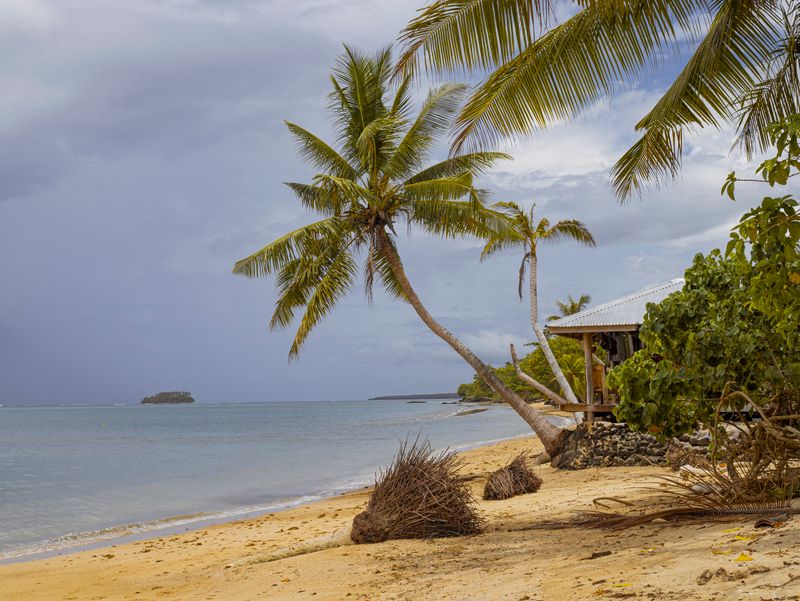
A flat coastal path rings the entire island, passing through all four villages, past churches, fales and gardens, and is easily walked in two to three gentle hours.
💡 Walk clockwise and greet villagers with a friendly ‘talofa’.
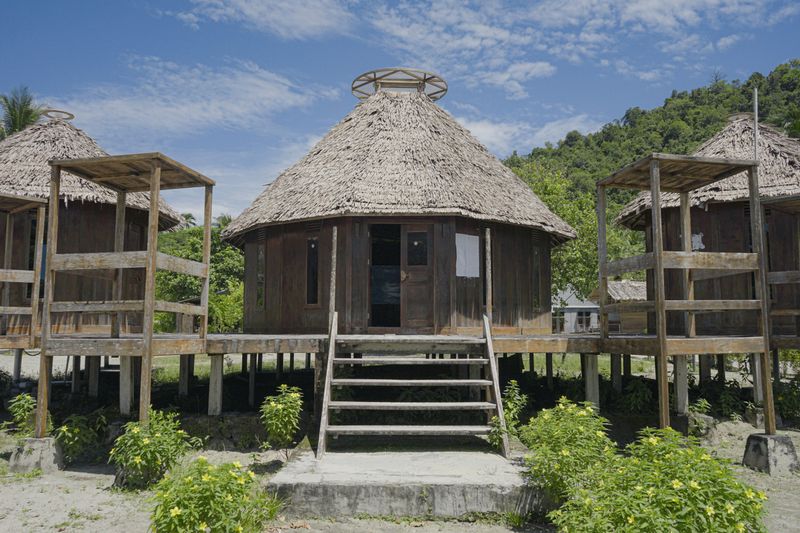
Manono’s four villages live by fa’a Samoa, the Samoan way, with open fales, communal life and a warmth that makes visitors feel like guests of the whole island.
💡 Accept hospitality graciously and observe evening prayer time.
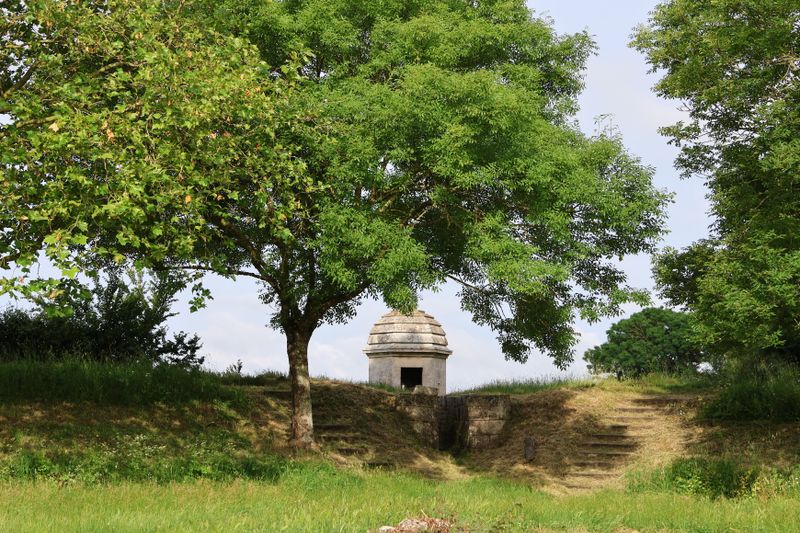
The island’s high point holds the largest ancient star mound in Polynesia, a mysterious stepped stone pyramid thought to have been used for chiefly rituals and pigeon-snaring.
💡 A short uphill path leads to the mound and island views.
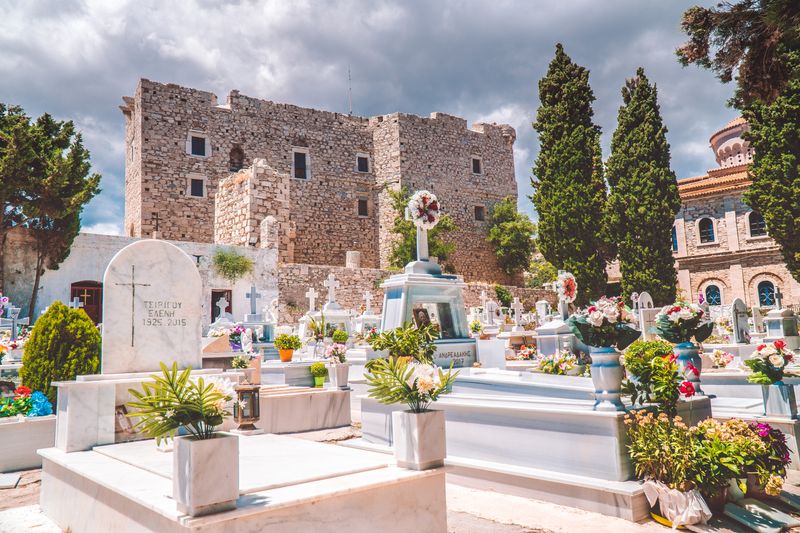
A curious monument marks the tomb of a high chief with 99 stones, one for each wife according to local legend, a stop on the island walk steeped in oral history.
💡 A local guide brings the legend and history to life.
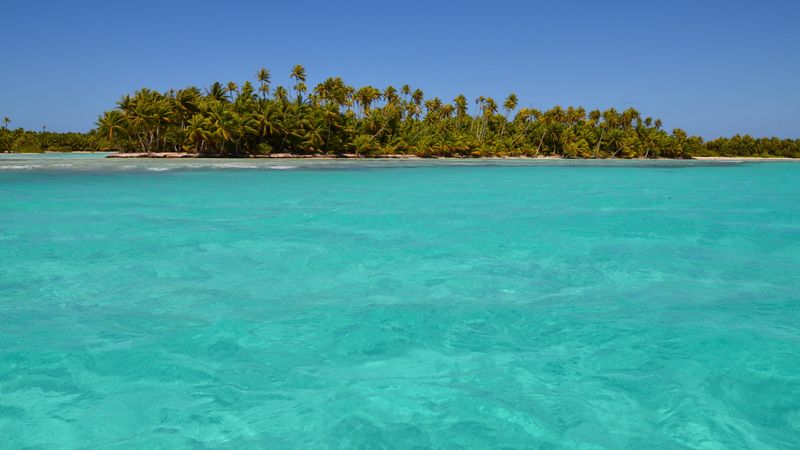
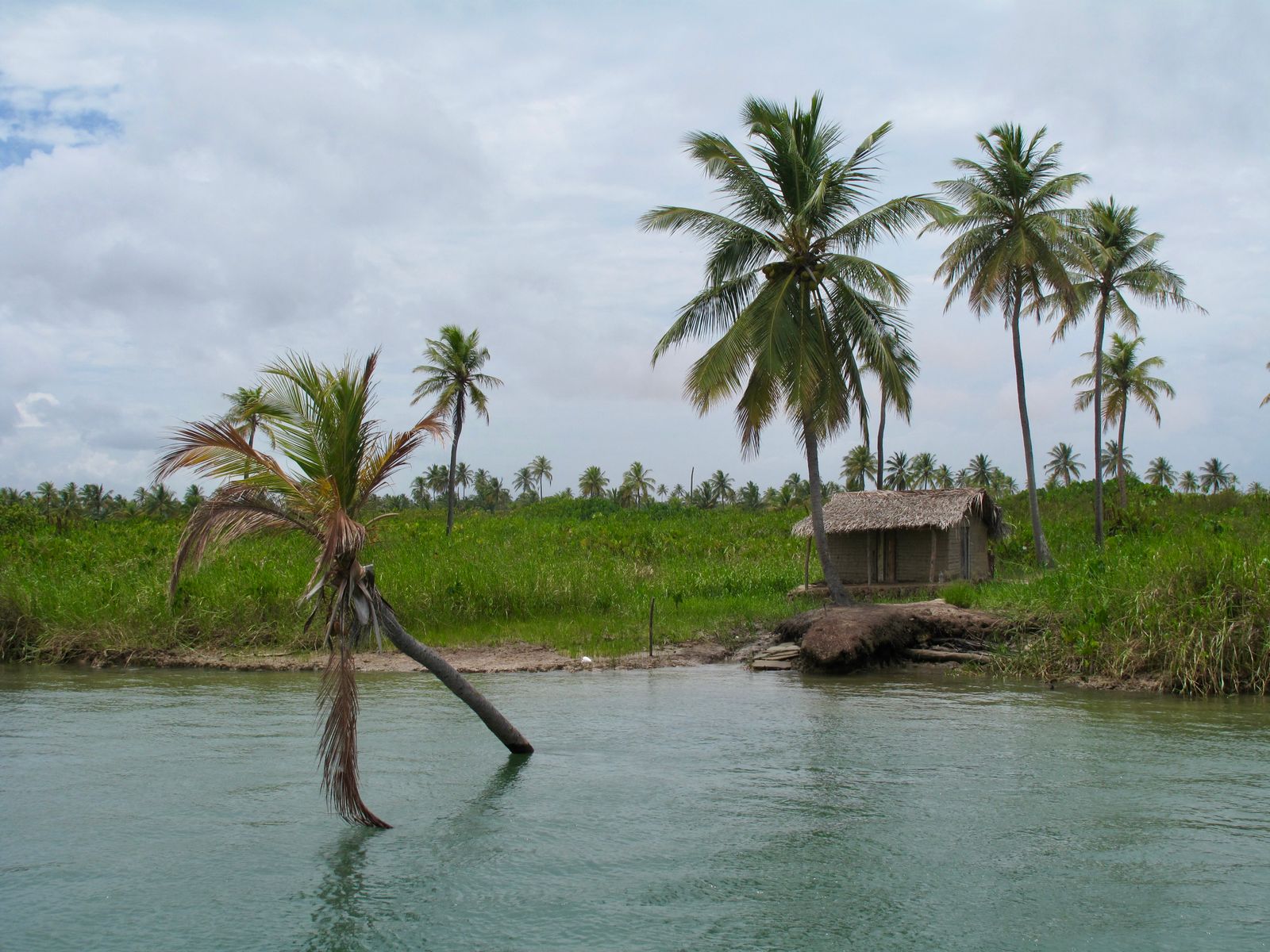
Calm, shallow lagoons and small beaches ring the island, safe for swimming and snorkelling, with the peaks of Upolu and Savai’i on the horizon.
💡 The lagoon is best at high tide for swimming.
There are no restaurants on Manono; visitors eat at their guesthouse or beach fale, where hosts serve home-cooked Samoan meals of fish, taro, breadfruit and coconut, usually included in the stay. Day-trippers should bring water and snacks. Sharing food with a host family is part of the experience, an unhurried, generous taste of village life far from any menu.
Take the short boat from Manono-uta on Upolu, then set off on the flat coastal path through the island’s villages.
Climb to the ancient Tia Seu star mound and visit the Grave of 99 Stones, learning the island’s oral history.
Cool off with a swim in the calm lagoon and share a meal with your hosts before the boat back, or stay overnight.
Boats leave from Manono-uta on Upolu; arrange a return time or an overnight with your fale in advance.
There are no shops or ATMs; carry tala for your stay, meals and any guide.
Dress modestly, ask before photographing people, and pause during evening prayer.
A local guide enriches the walk with legends, history and introductions.
Harbour-capital Apia, the To Sua Ocean Trench, the beaches of Lalomanu, wild Savai’i and car-free Manono — five sides of Samoa.