SR
Paramaribo
UNESCO-listed wooden capital on the Suriname River
UNESCO-listed wooden capital on the Suriname River

The UNESCO-listed old town centres on Independence Square (Onafhankelijkheidsplein), framed by the white Presidential Palace, the parliament building and rows of wooden colonial houses with shuttered windows and steep roofs.
Walk it early in the morning or late afternoon, when the light is softer and the heat bearable.
Photo: Medimir, CC BY-SA 4.0

This 17th-century star-shaped fort by the river is where the colony began. Today it houses the Suriname Museum, with exhibits on colonial and slavery history, and it is also remembered as the site of the 1982 December Murders of fifteen government critics.
Combine it with the Palmentuin (palm garden) behind the Presidential Palace, a few minutes’ walk away.
Photo: Medimir, CC BY-SA 4.0
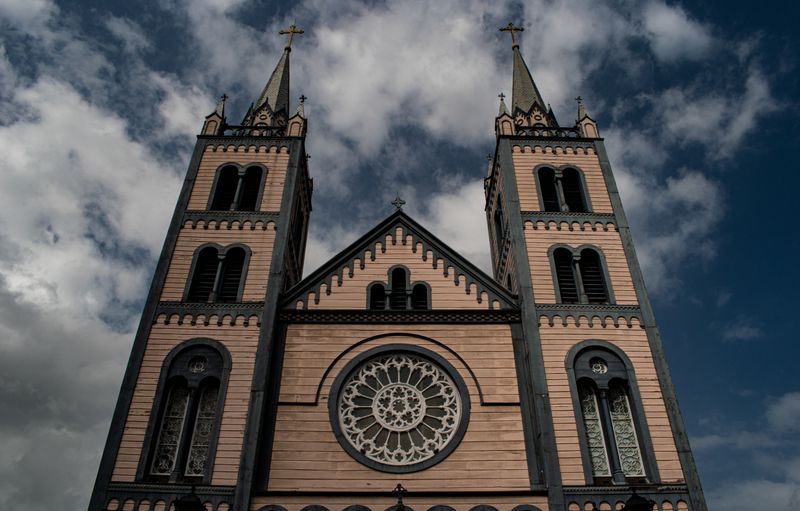
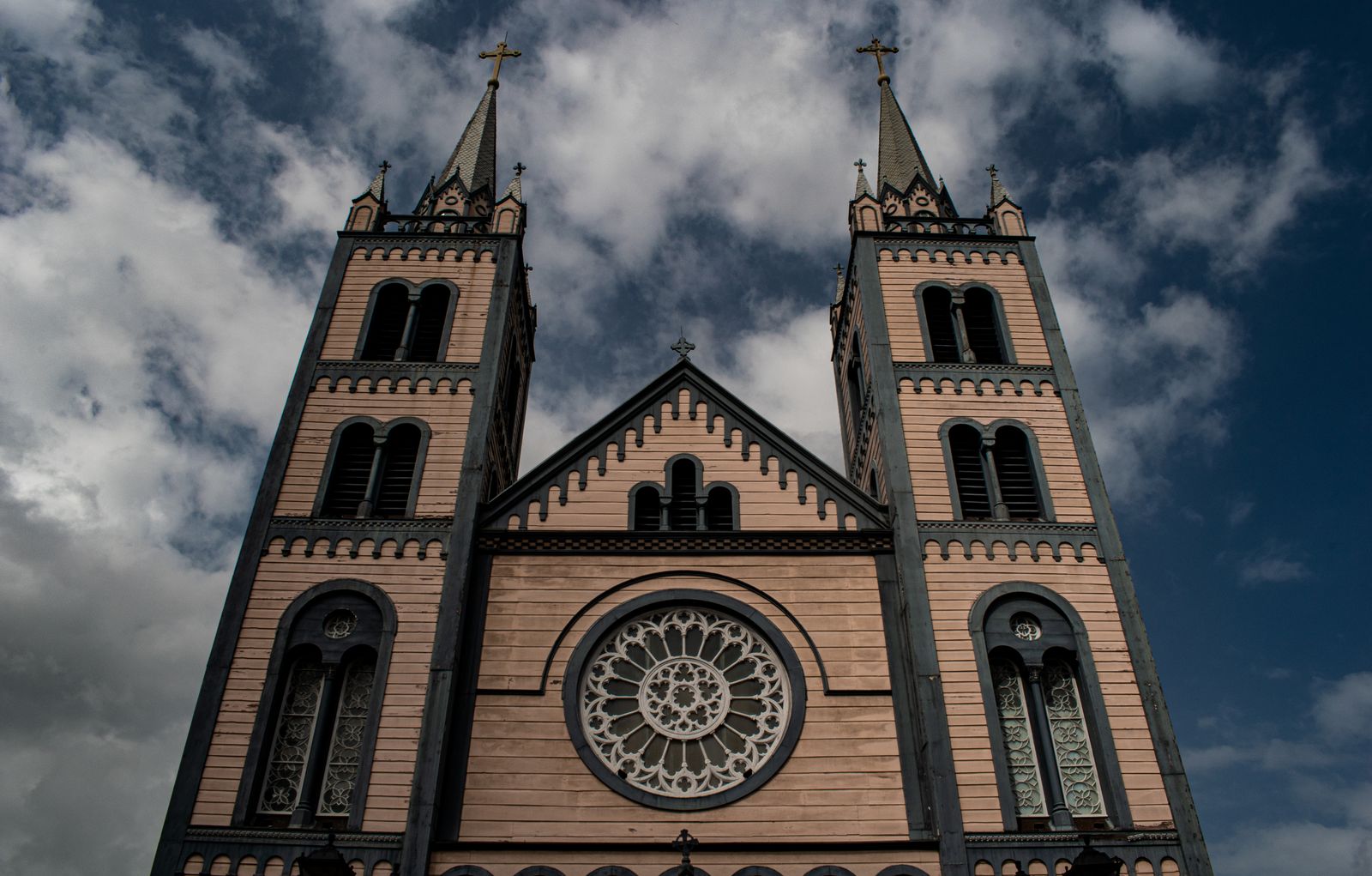
Consecrated in 1885 and built almost entirely of wood, the cathedral is one of the largest wooden buildings in the Americas. Its restored cedar interior is the most impressive in the city.
Dress modestly and check visiting times, as it is an active church.
Photo: E-Go Studios, Pexels

The Neveh Shalom Synagogue and the Keizerstraat Mosque stand next to each other, sharing a car park. It is the city’s best-known symbol of Suriname’s mix of faiths and cultures.
Cover shoulders and knees if you go inside either building.
Photo: Maarten van der Bent, CC BY-SA 2.0

The riverside street is lined with some of the finest colonial houses in the city and, in the evening, with food stalls and bars where locals gather to eat and watch the sunset over the Suriname River.
Come at sunset for grilled snacks and a cold Parbo beer by the water.
Photo: Otter, CC BY-SA 4.0

The big Centrale Markt on the Waterkant sells tropical fruit, fish, spices and household goods on the ground floor, with clothes and a maze of small stalls upstairs. It is the best place to see every community in the city in one building.
Go in the morning, carry small SRD notes and keep valuables out of sight.
Photo: -JvL-, CC BY 2.0
Paramaribo’s food mirrors its people. Try Hindustani roti with curried chicken and potato, Javanese bami, nasi and saoto soup from a warung, Creole pom (an oven dish of grated pomtayer root and chicken, a party favourite) and moksi alesi (rice cooked with meat and salt fish). Chinese bakeries sell cheap snacks and pastei pies are everywhere.
Roti shops and warungs serve the best-value meals; the Javanese area of Blauwgrond on the northern edge of the city is known for its warungs. In the evening, head to the stalls on the Waterkant. The local beer is Parbo, and fresh juices such as markoesa (passion fruit) are sold everywhere.
Johan Adolf Pengel International Airport (PBM) is about 45 km south of the city; the drive takes around 45 minutes to an hour. Take an official airport taxi or arrange a hotel transfer and agree the fare before you set off. Smaller Zorg en Hoop airport, inside the city, handles domestic flights to the interior.
The historic centre is compact and easy to walk. Beyond it, cheap privately run minibuses cover fixed routes, and taxis are inexpensive; use a taxi after dark. Suriname drives on the left. To reach Commewijne and its plantations, cross the Jules Wijdenbosch Bridge by car or take a boat across the river.
Local food and transport are cheap, but hotels and tours are priced closer to Caribbean levels. Figures are per person per day in US dollars, excluding flights.
A plate of roti or a Javanese bami from a local shop is filling, cheap and often the best meal in town.
Hotels and tour operators often quote in US dollars or euros; markets and small shops want Surinamese dollars.
A multi-day trip to a rainforest lodge in the interior is the natural splurge after a few days in the capital.
Three days covers the UNESCO-listed old town, the city’s food and faiths, and a trip across the river to the plantations of Commewijne.
Start at Independence Square and the Presidential Palace, stroll through the Palmentuin, then spend the late morning at Fort Zeelandia and the Suriname Museum. End the day with food stalls and sunset on the Waterkant.
A local walking guide brings the wooden houses and their history to life.
Visit Saints Peter and Paul Cathedral and the synagogue and mosque on Keizerstraat, then lose yourself in the Central Market. In the late afternoon, take a boat trip on the Suriname River to look for Guiana dolphins at sunset.
Dolphin cruises are best booked a day ahead through a local operator.
Cross the river to Commewijne. Walk or cycle the forest trails of Peperpot Nature Park, a former plantation known for its birds and monkeys, and visit Fort Nieuw Amsterdam’s open-air museum where the Suriname and Commewijne rivers meet.
Many tours combine the plantations with a riverside lunch and the dolphin cruise on the way back.
Cards are accepted in hotels and larger restaurants, but markets, minibuses and small shops need Surinamese dollars, and ATMs can run dry at weekends. US dollars and euros are useful backups.
Dutch is the official language and Sranan Tongo the everyday lingua franca, but English is widely understood in hotels, restaurants and tourism.
The centre is relaxed by day, but use a taxi after dark and keep phones and valuables out of sight, as petty theft does happen.
It is hot and humid all year. The drier months are roughly February to April and August to November; heavy showers are common from May to July.
Quick answers for planning time in Paramaribo, Suriname's capital.
The drier seasons, roughly February to April and August to November, are best. May to July is the main rainy season, with heavy showers most days.
Two to three days covers the historic centre, the markets, a dolphin cruise and a day trip to the Commewijne plantations. Add more time if you plan to visit the rainforest interior.
Johan Adolf Pengel International Airport is about 45 km south of the city. An official taxi or hotel transfer takes around 45 minutes to an hour; agree the fare before you leave.
Paramaribo is generally relaxed and welcoming, especially in the historic centre by day. Use taxis after dark and keep valuables out of sight, as petty theft does occur.
Hotels, tour operators and some restaurants accept US dollars or euros, but you will need Surinamese dollars (SRD) for markets, minibuses and small shops.
Download Paramaribo for offline navigation around the old town and beyond.
Free
Used everywhere in Suriname to book taxis, tours and guesthouses and to confirm pickups.
Free
Live exchange rates for the Surinamese dollar against US dollars and euros.
Free
Planning a wider trip? Our Suriname travel guide covers getting there, costs, when to go and more.