TR
Bodrum
The Aegean Pearl
The Aegean Pearl
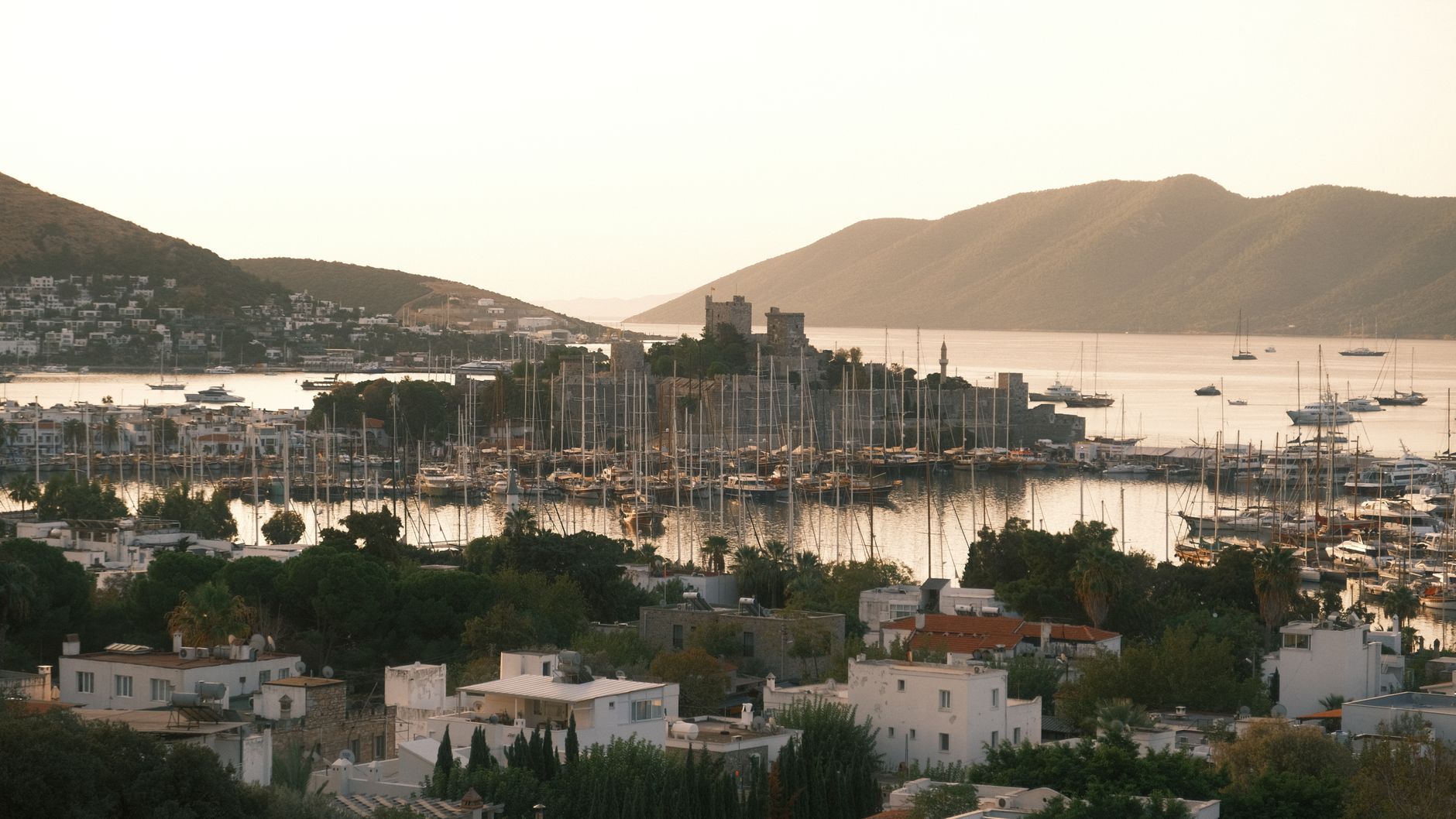
The 1402 Crusader fortress of St Peter houses the world’s finest Underwater Archaeology Museum — six halls tracing seafaring from the Bronze Age to Byzantine. The Uluburun shipwreck exhibit, recovered from 1300 BC, is the finest Bronze Age maritime find ever made.
The Uluburun Shipwreck exhibit in Bodrum Castle is the finest Bronze Age maritime find ever recovered — 1300 BC cargo intact across six rooms. The castle courtyard gives the finest view of the marina.
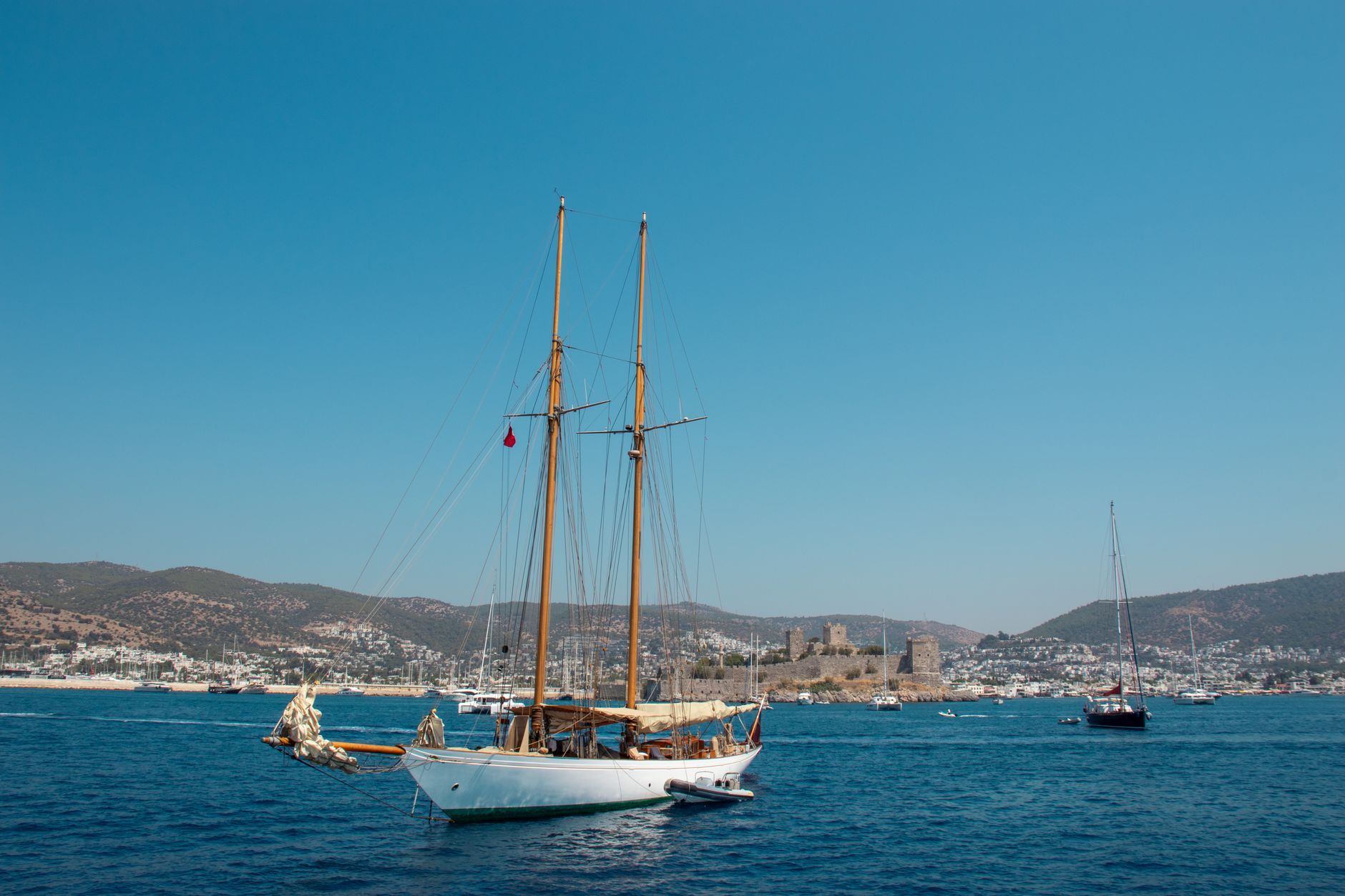
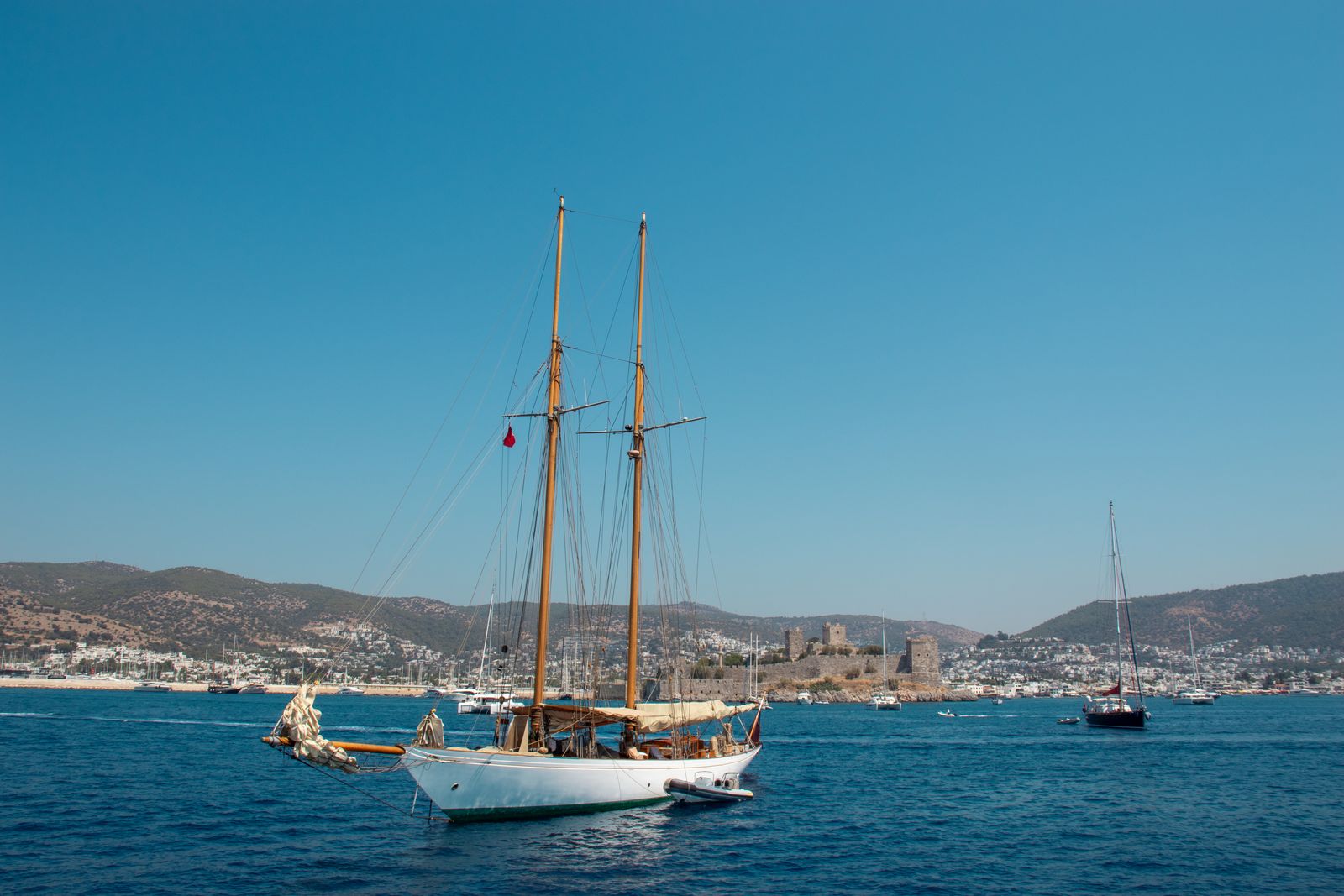
The gulet — a traditional Turkish wooden ketch — is the finest way to explore the turquoise coast on week-long Blue Voyage charters that reach coastline no road touches. The marina promenade below Bodrum Castle is the finest evening walk in the Aegean.
The gulet sailing holiday is the finest way to experience the turquoise coast — week charters along the Gökova Gulf reach coastline no road touches and are far better value than day trips.

One of the Seven Wonders of the Ancient World, built in 353 BC for the Persian satrap Mausolus — the origin of the word “mausoleum”. Most of the marble was plundered for Bodrum Castle. The reconstruction model in the site museum conveys the original 45m scale.
The Mausoleum is one of the Seven Wonders — mostly plundered for Bodrum Castle. The reconstruction model in the site museum is the best way to understand what stood here in 353 BC.

Gümüšlük has the submerged ruins of ancient Myndos visible just below the surface — fish restaurant tables extend over the water. Türkbükü is the most fashionable bay. Bitez and Ortakent have the finest free swimming on the western shore.
Gümüšlük has the submerged ruins of Myndos visible just below the surface — fish tables extend over the water. Come for lunch when the light is clearest over the ancient walls.
Bodrum Peninsula guide →
Bodrum’s food culture is the most sophisticated on the Turkish Aegean coast: the Aegean meze tradition (the wild herbs, the Aegean vegetables, the local cheese, the olive oil from the Muğla groves — the most distinguished olive oil-producing region in Turkey; the fresh Aegean fish from the Bodrum day boats; the grilled octopus; the sea bass; the sea bream), the lamb dishes of the interior Muğla region (the Bodrum köfte; the tandoor lamb), and the contemporary restaurant scene of the marina and the Turkbuku bay (the finest contemporary Turkish cuisine on the coast; Limon Restaurant at Ortakent; Kuum Hotel restaurant at Gündogan). The Bodrum fish market (Cumhuriyet Caddesi area; the morning market at 7–10am; the day’s catch from the Aegean; the octopus laid out on the dock to dry; the red mullet and the swordfish in season) followed by taking the fish to a neighboring restaurant for grilling (“pisi pisi” in Turkish — a restaurant that cooks your bought fish) is the most authentic Bodrum food experience.
The Bodrum peninsula is best explored by rental scooter (₺300–600/day; helmets included; the most enjoyable way to discover all 17 bays; the coastal road is flat and well-paved between the bays) or rental car (₺500–1,000/day; more comfortable for families; better for the more remote southern beaches). The dolmus system (shared minibuses departing from the Bodrum central bus terminal behind the marina; ₺15–40/ride depending on destination; the most economical for the main peninsula villages: Gümbet, Turkbuku, Yalikavak, Bitez, Gündogan) connects all major bays every 20–30 minutes in season. Water taxis run between Bodrum centre and the closest beaches (Kumbahce Beach, the marina restaurants) in season. The Bodrum–Kos ferry (daily in season; ₺400–600 return; 1h; passport required) gives a Greek island day trip.
Türkbükü is at its most glamorous midweek in June and September — the July–August crowds thin and the floating platforms are quieter.
A week-long gulet charter from Bodrum to Fethiye via Göcek is the finest way to see the turquoise coast — coastline accessible only from the sea, anchored in private coves each night.
The Uluburun Shipwreck Hall is best visited first at 9am before tour groups fill the castle. The 1300 BC cargo — tin ingots, ox-hide copper, Egyptian gold — is still arranged as found.
The Bodrum–Kos ferry takes an hour and needs a passport plus a valid Schengen visa. The Asklepion outside Kos Town — where Hippocrates taught — overlooks the Bodrum strait.
Buy a fish at the Bodrum harbour morning market and take it to a restaurant in the covered arcade behind — the cook-to-order grill experience is the most local meal in Bodrum.
The full peninsula circuit by scooter — Yalıkavak, Gündoğan, Türkbükü north, then Bitez and Gümüšlük south.
May–Jun and Sep–Oct are the sweet spots (22–30°C; Aegean sea warm and flat calm; the Castle and Mausoleum uncrowded). Jul–Aug is peak Bodrum season (very crowded; highest prices; DJ nights; the imbat afternoon wind cools but stirs the sea). Nov–Apr: the town returns to the locals — the Castle is quieter and the gulets are laid up in the yard.
Three days: the Castle Museum, the Mausoleum site, the peninsula bay circuit, a Kos ferry day trip, and a Turkbuku afternoon.
Bodrum Castle at 9am — Uluburun Shipwreck Hall first, then the amphora gardens. Walk to the Mausoleum site. Lunch at the harbour fish market. Marina walk at dusk.
Bodrum Castle fills with groups by 10:30am — arrive at 9am sharp for the Uluburun exhibit with the Bronze Age cargo still in the arrangement in which it was found.
Scooter north through Yalîkavak and Gündoğan to Türkbükü for lunch on the water. Return south through Bitez. Sunset from the hilltop windmills looking back at the castle.
Gümüšlük is best by scooter, 18km west — the last stretch along the water is the finest coastal approach on the peninsula. The submerged ruins are clearest before noon.
Morning ferry to Kos — the Castle of the Knights, the Hippocrates Plane Tree, the Asklepion on the hill. Greek lunch in the harbour. Return ferry at 4:30pm.
The Kos ferry needs a passport plus a valid Schengen visa. The Asklepion outside Kos Town is worth the taxi — the site Hippocrates used overlooks the Bodrum strait.
Bodrum is Turkey’s most expensive resort destination outside the luxury Istanbul hotels. July–August prices can be 3–4x the shoulder season rate. The Kos ferry (₺400–600) and the Castle Museum (₺500) are the best-value major attractions. Per person per day.
The pisi pisi harbour fish lunch (buy at the fish market; grill at an adjacent restaurant; ₺200–400 total for a sea bream) and the dolmus bay circuit (₺15–40 per bay; the public transport way to discover the)
The Kos ferry day trip (₺400–600 return; the Greek island 2km offshore; the Asklepion sanctuary; the octopus lunch in the Kos harbour; the Castle of the Knights) is the finest day trip from any Turkish resort town and gives.
The Blue Voyage gulet charter from Bodrum (the private gulet for 6–12 guests; the 7-day Bodrum–Gocek circuit; anchoring each night in a secluded bay; the sea swimming from the boat at dawn; USD 3,000–8,000 per person per)
Ferry timetables for Bodrum-Kos crossings and coastal routes between Bodrum and Marmaris.
Free
Restaurant discovery for Bodrum marina, Gumüslük waterfront dining and Turkbuku beach clubs.
Free
Audio guide to Bodrum Castle and the Underwater Archaeology Museum covering the Uluburun shipwreck.
Free
Download the Bodrum Peninsula offline map before arrival — essential for scooter and car navigation around the bays.
Free
Quick answers to the questions travellers most often ask before visiting Bodrum.
Late spring to autumn (May-October) is warm and sunny, with July and August the hot, busy peak. Spring and autumn are pleasant and quieter, and winters are mild but sleepy.
Three to four days for Bodrum Castle and its underwater archaeology museum, the beaches and marina, a gulet boat trip, and the ancient ruins, with time for the wider peninsula.
The town centre and marina are walkable; dolmuš shared minibuses and taxis serve the peninsula, and boats reach the coves. A car helps for exploring the beaches.
A chic Aegean resort — the medieval Bodrum Castle with its underwater archaeology museum, the site of the ancient Mausoleum (one of the Seven Wonders), lovely beaches, a lively marina, gulet cruises and buzzing nightlife.
Explore more of Turkey’s extraordinary cities and landscapes.
Planning a wider trip? Our Turkey travel guide covers getting there, costs, when to go and more.