
UG
Queen Elizabeth & Safari
The Pearl of Africa’s uncrowded savanna
The Pearl of Africa’s uncrowded savanna
⚠️ Travel advisory: check before you go
The US raised its advice for Uganda to do not travel in May 2026 during an Ebola outbreak, also citing crime, terrorism and the Anti-Homosexuality Act; other governments mainly advise against travel to specific border areas. Uganda has reported no active Ebola cases since July 2026, but the outbreak continues in neighbouring DR Congo. Gorilla trekking and safaris continue; check the latest health and travel advice for your route.
Latest official advice: UK FCDO · US State Department · Reviewed September 2026
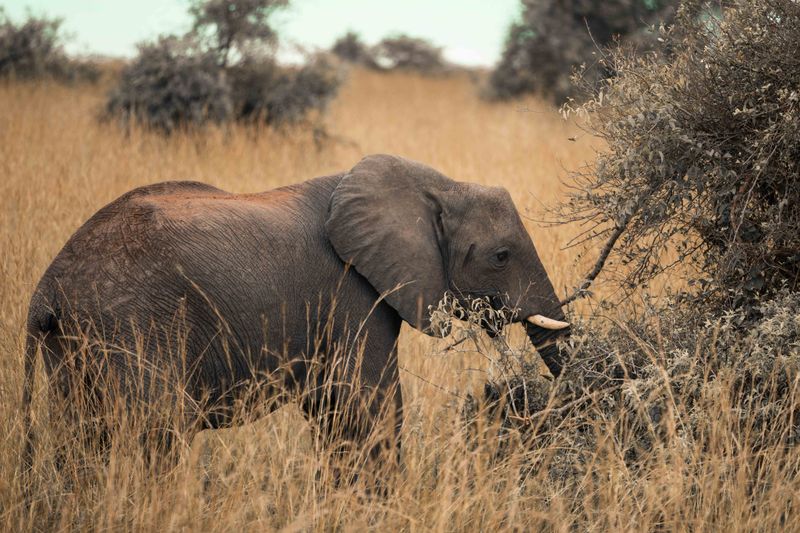
Uganda’s savannas are home to big herds of African elephant, often seen grazing the grasslands, crossing tracks or gathering at waterholes and the Kazinga Channel.
Dawn and dusk game drives offer the best light and most active wildlife.

The Ishasha sector of Queen Elizabeth is famous for its lions, which lounge in the branches of fig and acacia trees — a rare and remarkable behaviour found in few places.
Head to Ishasha in the morning to catch the lions up in the trees.

Elusive leopards prowl the grasslands and gallery forests, and with a good guide and patience, sightings of these secretive cats are one of the safari’s great thrills.
Leopards are shy — a knowledgeable ranger hugely improves your odds.

The plains shimmer with giraffe, zebra, buffalo, warthog and vast numbers of Ugandan kob and antelope — the classic cast of an East African savanna.
Kidepo and Murchison have especially rich concentrations of plains game.

A boat cruise on the Kazinga Channel is unmissable — drifting past one of the world’s densest hippo populations, plus crocodiles, buffalo and spectacular birdlife.
The afternoon boat cruise is a highlight — bring binoculars and a camera.
On safari in Uganda, most meals are taken at your lodge or tented camp, where the cooking blends international dishes with Ugandan flavours. Expect generous buffets and set menus — soups, grilled meats and fish (tilapia from the lakes is excellent), curries, fresh vegetables and tropical fruit. Local staples like matoke (steamed banana), posho, rice, beans and groundnut sauce feature too, and the ubiquitous rolex (chapati rolled with egg) makes a great snack on the road. Uganda’s coffee and tea are superb and locally grown, and sundowners — a cold Nile Special lager or a gin and tonic as the sun drops over the savanna — are a safari ritual. Lodges cater well to dietary requirements when notified in advance, and bottled water is provided on drives.
Uganda’s parks are explored on game drives in a 4×4, almost always with a professional driver-guide as part of an organised safari — by far the easiest and most rewarding way to travel. Most trips begin at Entebbe airport near Kampala; from there it’s a scenic drive of several hours to the parks (Queen Elizabeth is roughly 6-7 hours), or a quicker domestic flight to a park airstrip. Distances between reserves are long, so many visitors combine parks over a week or more, sometimes flying between them to save time. Roads range from good tarmac to rough murram tracks, so a sturdy vehicle is essential. Self-driving is possible for the experienced, but a guide’s local knowledge transforms the wildlife experience.
A dawn drive across the Kasenyi plains for lions, elephants and kob.
A boat cruise past hippos, buffalo, crocodiles and abundant birdlife.
Head south to Ishasha to find the famous tree-climbing lions.
Khaki and greens blend in; avoid bright white and dark blue/black.
A skilled driver-guide dramatically improves your wildlife sightings.
Take prophylaxis and use repellent — the parks are malaria areas.
Essential for distant cats and Uganda’s incredible birdlife.
Quick answers to the questions travellers most often ask about safari in Uganda.
It’s Uganda’s most popular savanna park, famed for elephants, buffalo, lions (including the tree-climbing lions of the Ishasha sector), leopards, hippos and over 600 bird species. The Kazinga Channel boat cruise, linking two lakes, is a signature experience with huge concentrations of wildlife.
Very — Uganda offers classic savanna game viewing with far fewer crowds than better-known destinations, plus the unique combination of Big Game safaris and primate treks (gorillas and chimpanzees). Its lush, green landscapes and rich birdlife make it one of Africa’s most rewarding and varied safari countries.
Elephants, buffalo, lions, leopards, hippos, giraffes, zebras, warthogs, Ugandan kob and many antelope, plus crocodiles and exceptional birdlife. Combined with gorilla and chimpanzee trekking elsewhere in the country, Uganda offers an unusually complete wildlife experience.
The drier seasons — roughly June to September and December to February — are best for game viewing, as animals gather near water and tracks are easier. The wetter months are lush, green and quieter, with superb birding, though some roads become challenging.
Download the Queen Elizabeth & Safari area for offline navigation, walking directions and public transport routes.
Free
Uganda’s three great wildlife experiences — gorilla trekking in Bwindi, classic savanna safari in Queen Elizabeth, and the thunder of Murchison Falls on the Nile.
Planning a wider trip? Our Uganda travel guide covers getting there, costs, when to go and more.