GB
York
Viking History and Medieval Walls
Viking History and Medieval Walls

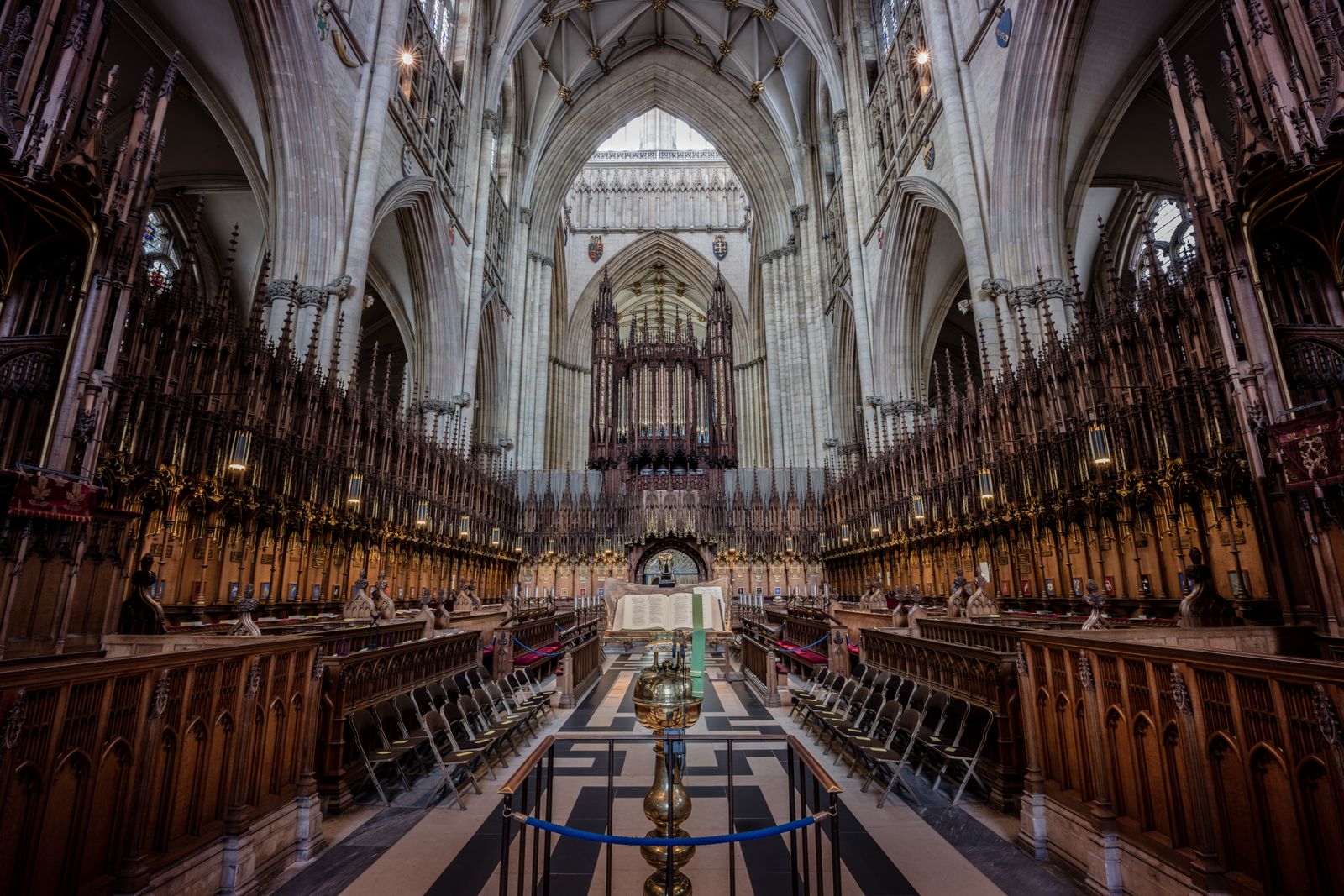
The largest Gothic cathedral north of the Alps, built over 252 years (1220–1472), contains half of all surviving medieval stained glass in England. Entry £14 (book at yorkminster.org); includes the Chapter House (13th-century vaulted ceiling), the undercroft (Roman foundations visible below the medieval floor) and the central tower climb (275 steps, best view of York). The Great East Window (1408) — 23 metres tall, the largest expanse of medieval stained glass in the world — is currently undergoing conservation and is partially visible from the nave.
Book the York Minster tour at yorkminster.org (£12.50; includes the Chapter House and the Undercroft Museum). Climb the Great Tower (275 steps; £7 extra; timed entry) for the finest elevated view of York and the Vale of York beyond.
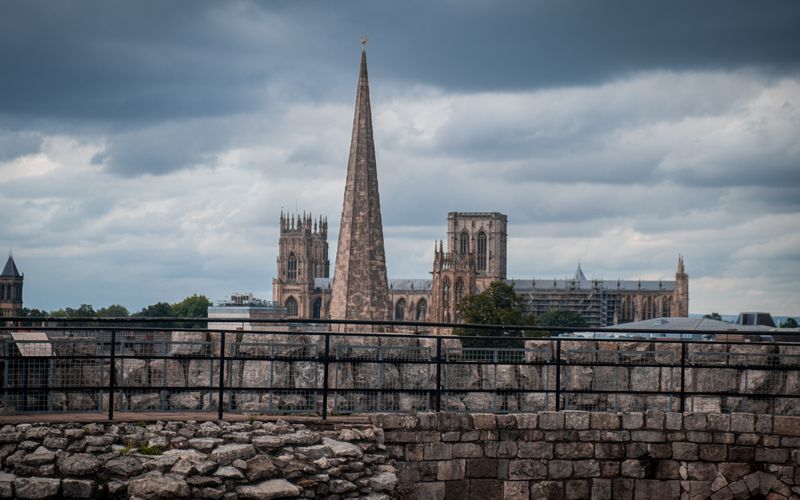
The most complete set of medieval walls in England: 3.4km, walkable as a continuous circuit, built on Roman foundations and rebuilt by the Normans in the 12th century. Free, accessible at any time. The four bars (gatehouses) — Bootham, Monk, Walmgate and Micklegate — date from the 12th to 14th centuries. The full circuit takes 1 hour. The north and east sections give the clearest views of the Minster. Begin at Bootham Bar (the northwest corner, 5 minutes from the Minster) and walk clockwise.
The 3.4km wall circuit (free; open year-round; closes at dusk) is the most complete medieval city wall in England. The walk takes 1.5–2 hours with stops. The Micklegate Bar and the Monk Bar are the most interesting of the four main gateways.
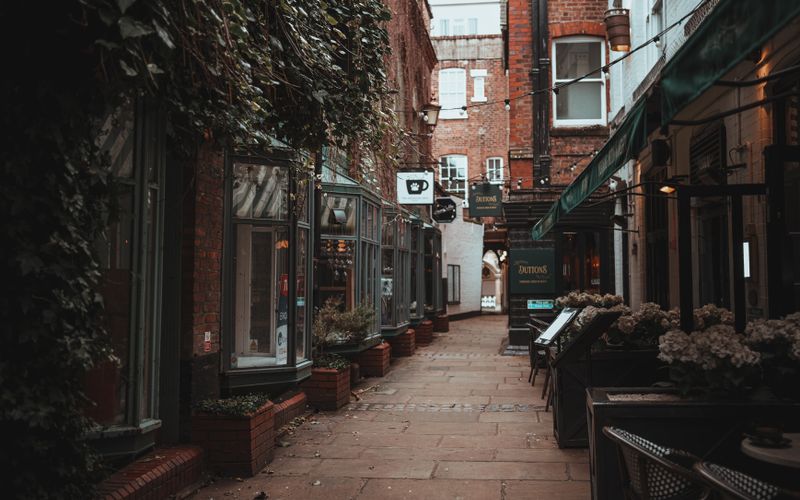
The best-preserved medieval commercial street in Europe: a narrow lane of 14th-century timber-framed buildings with jettied upper storeys leaning to within a metre of each other overhead. The street was originally a butchers’ row (the name derives from the Old English “fleshammels,” meaning shelves on which meat was displayed). Today it is independent shops. The most photogenic time is early morning, before 9am, when the street is empty. The surrounding network of medieval lanes — Petergate, Goodramgate, Gillygate — extends the atmosphere for another hour of walking.
The Shambles is at its finest before 9am when the tourist coaches haven’t arrived. The street overhangs reduce direct sunlight to the cobblestones for most of the day — an atmospheric early morning walk even in rain.

Built on the site of a Viking-age street excavated 1976–1981, the Jorvik Viking Centre (£14; book at jorvikvikingcentre.co.uk) reconstructs 10th-century Jórvík at street level using the actual objects found in the excavation. Ride-through capsules pass reconstructed Viking buildings; the museum beneath contains 40,000 objects from daily Viking life. The centre also holds the Lloyds Bank Coprolite — the largest fossilised human faeces ever found (20cm x 5cm, from a 9th-century Viking) and the subject of a disproportionate amount of visitor attention.
Book Jorvik online at jorvikvikingcentre.co.uk (£14.50) — the Viking street reconstruction built on the actual excavation site is surprisingly evocative. Allow 90 minutes. The DIG archaeological experience (adjacent; £8.50) is better for families with children.
York has two food identities. The first is Yorkshire: Yorkshire pudding (served here as a starter with gravy, not just a side), Yorkshire parkin (dense oat-and-ginger cake), Henderson’s Relish and Yorkshire tea. Betty’s Tea Rooms on St Helen’s Square — opened 1919, still family-owned — serves tea and made-in-Yorkshire cakes in an Art Deco interior. The queue is usually 20–30 minutes and moves quickly; it is the most specifically Yorkshire experience in the city. No reservations taken.
The second identity is chocolate: York was the centre of British chocolate manufacturing from the 18th century. Terry’s (founded 1767, later the chocolate orange), Rowntree’s (founded 1862, later Kit Kat, Smarties, Polo, Aero — all invented in York) and Craven’s (founded 1803) were all York companies. The York Chocolate Story (£15, King’s Square) tells this history and includes tasting. For serious dining, Skosh on Micklegate is the best mid-range restaurant in the city: small plates, local produce, walk-ins welcome at the bar seats.
York is compact within its walls and everything significant is within 20 minutes on foot from the railway station. The National Railway Museum is 5 minutes west of the station. The Minster is 10 minutes east. The Shambles is 15 minutes east. The city walls form the best circular walking route (3.4km, 1 hour). Bicycles can be rented near the station for the riverside paths. The Coastliner 840 bus to Whitby departs from the bus station adjacent to the railway station.
York is excellent year-round. May–September for warmest weather and outdoor events. December for the Christmas market (one of England’s best, on the streets around the Minster). April is the sweet spot: post-Easter calm, full Minster access, manageable crowds.
York is good value by English historic-city standards. The National Railway Museum is free. The Minster and Jorvik together are £28. Per person per day.
The National Railway Museum is one of the best free museums in Britain. Minster + Jorvik + NRM covers the three most significant York sights for £28 total.
Skosh on Micklegate is the best mid-range restaurant in York: small plates, local produce, bar seats for walk-ins.
The Star Inn at Harome (30 min by taxi, Michelin star) is a thatched-roof village pub with rooms — one of the finest gastropub experiences in England.
Two days covers York thoroughly: the Minster, the walls, Jorvik, the National Railway Museum and a day trip to Whitby or Castle Howard.
York Minster at opening (book ahead, £14 + tower climb £8). Walk the north walls from Bootham Bar to Monk Bar. The Shambles before noon. Betty’s Tearoom for lunch (join the queue by 12:15pm). Jorvik Viking Centre in the afternoon (book online). Evening at the King’s Arms pub on the Ouse riverside.
The Shambles at 8am (before the coaches), York Minster (book the 10am tour), walls circuit after lunch. York is entirely walkable — the old city sits within the medieval walls and the main sights are all 10 minutes from the Shambles.
National Railway Museum before 10am (free; Mallard locomotive, allow 2 hours). Coastliner 840 bus to Whitby at 10:30am (1h, £10 return): Whitby Abbey ruins, Magpie Café fish and chips, the harbour. Return bus by 4pm. Or: Castle Howard by bus (45 min), the Howard family home used in the Brideshead Revisited filming.
The National Railway Museum (free; 5 min walk from the station) is the finest transport museum in Britain: Mallard (world steam speed record holder), the Japanese Bullet Train, the Royal carriages. Whitby by train (50 min; £8 return) for the abbey ruins and fish & chips.
🛂 Entry rules: you need a UK ETA
Most visitors who don’t need a visa, including EU, US, Canadian and Australian citizens, must have an Electronic Travel Authorisation (ETA) before travelling to the UK, and airlines and ferry operators refuse boarding without one. It costs £20, allows stays of up to six months at a time and lasts two years or until your passport expires.
Apply in the official UK ETA app or on GOV.UK; most decisions come within minutes, but apply at least three working days before you travel. British and Irish citizens don’t need one, and neither do legal residents of Ireland arriving from Ireland.
Official information: GOV.UK: apply for an ETA · Reviewed September 2026
York Minster (£14; book at yorkminster.org; tower climb £8 extra; 275 steps; no lift) is the largest Gothic cathedral in Northern Europe. The tower gives the finest rooftop view of York.
Betty’s Café Tea Rooms (St Helen’s Square; queue at 9am opening; no reservations for tea service) is one of England’s finest traditional afternoon tea experiences.
York’s 3.4km medieval city walls (free; gateways open 8am) are finest at dawn when the Minster and roofscape are lit in early morning light.
The National Railway Museum (Leeman Road; free; open daily 10am–6pm) has the Flying Scotsman, Mallard, and Queen Victoria’s saloon carriage. The largest railway museum in the world, entirely free.
York’s Original Ghost Walk (The Kings Arms pub; 8pm nightly; from £10; no booking) has run since 1973. The Shambles and medieval lanes are genuinely atmospheric at night — well worth an evening.
Whitby (1 hour by Coastliner 840 bus; £10 return) has the ruined abbey (Dracula’s setting; £12; English Heritage), the finest fish and chips in Yorkshire, and 199 steps up to the cliff-top.
London King’s Cross to York: 1h50 by LNER from £12 advance. Edinburgh to York: 2h15. Leeds to York: 25 min by TransPennine Express. Buy well ahead for the cheapest advance fares.
Free
Download York offline. Navigation is most useful around the Shambles and Petergate network, where the medieval lanes have no clear street-level signage.
Free
Book tours, day trips and skip-the-line tickets in and around York.
Free
Quick answers to the questions travellers most often ask before visiting York.
Late spring to summer (May-September) offers the mildest weather, and December’s Christmas market is a highlight. It’s a year-round city and an easy stop between London and Edinburgh.
One to two days for York Minster, a walk along the medieval city walls, the Shambles, the Jorvik Viking Centre and the National Railway Museum.
The compact, walled centre is very walkable; trains connect it well, and park-and-ride sites serve those arriving by car. No car is needed in the centre.
Its towering Gothic Minster, the well-preserved medieval city walls and the crooked Shambles lane, its Roman and Viking history (told at the Jorvik Centre), the National Railway Museum, and its many ghost tours.
Discover more of the UK’s great destinations.
Planning a wider trip? Our United Kingdom travel guide covers getting there, costs, when to go and more.