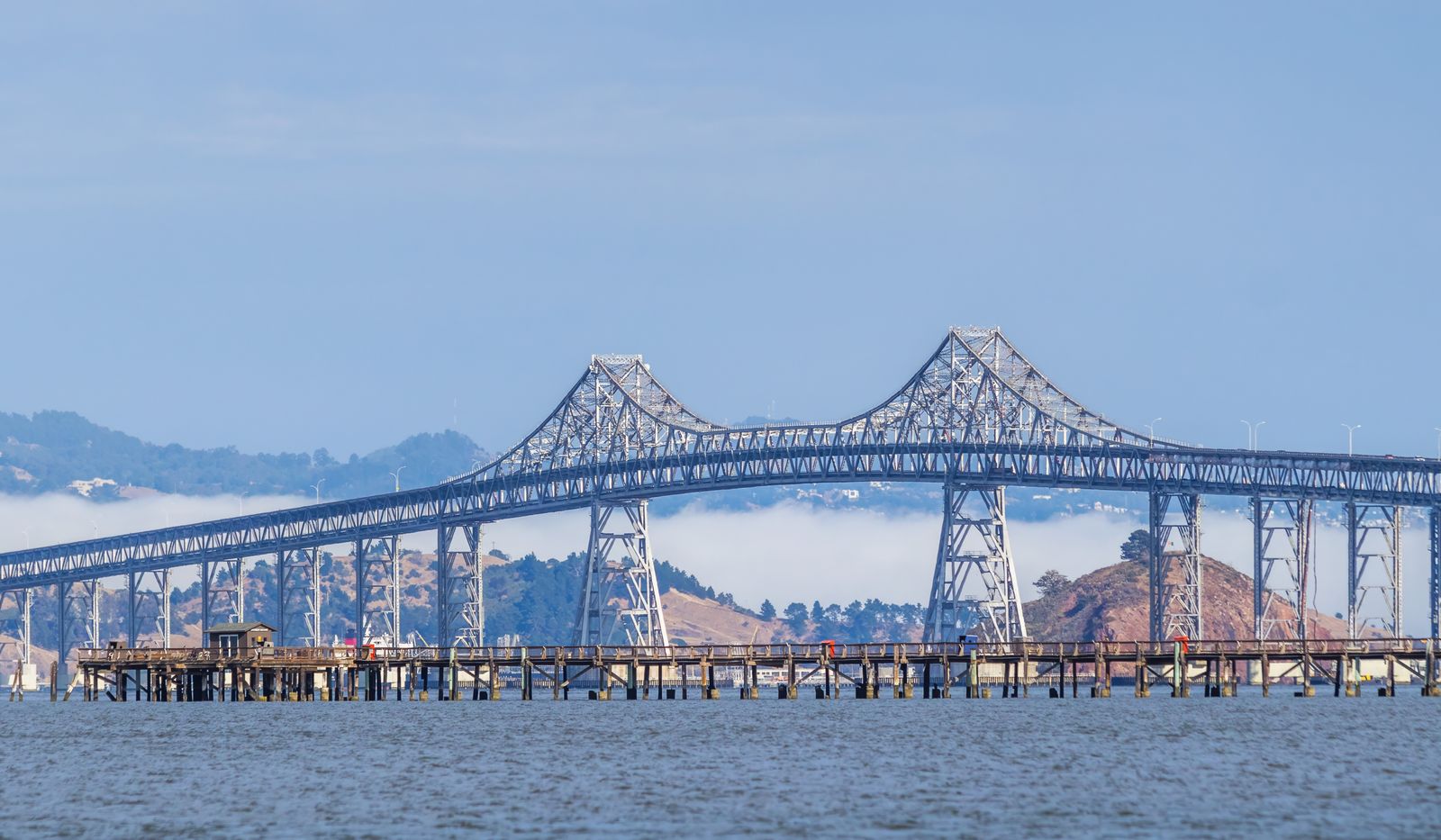
US
San Francisco
The City by the Bay
The City by the Bay

The Golden Gate Bridge (1937, Joseph Strauss) spans the 1.6km strait between San Francisco Bay and the Pacific Ocean at a height of 67 metres above the water. The bridge is free to walk or cycle across at all times (pedestrians: east sidewalk only; cyclists: both sides, hours vary). The best photography viewpoints: the north end (Fort Baker / Vista Point in Marin County, accessible by car or ferry from Sausalito) for the bridge with the SF skyline behind; Baker Beach (south) for the tower with the Pacific; the Marin Headlands above Fort Baker for the definitive wide shot. The bridge turns rose-gold in the late afternoon sun.
Walk the Golden Gate Bridge (1.7 miles; free; pedestrian path open 5am–9pm). Fort Point National Historic Site (below the south tower; free) gives the looking-up angle. Hawk Hill in the Marin Headlands (30 min drive north) gives the bridge-with-skyline panorama — the most photographed Golden Gate view.
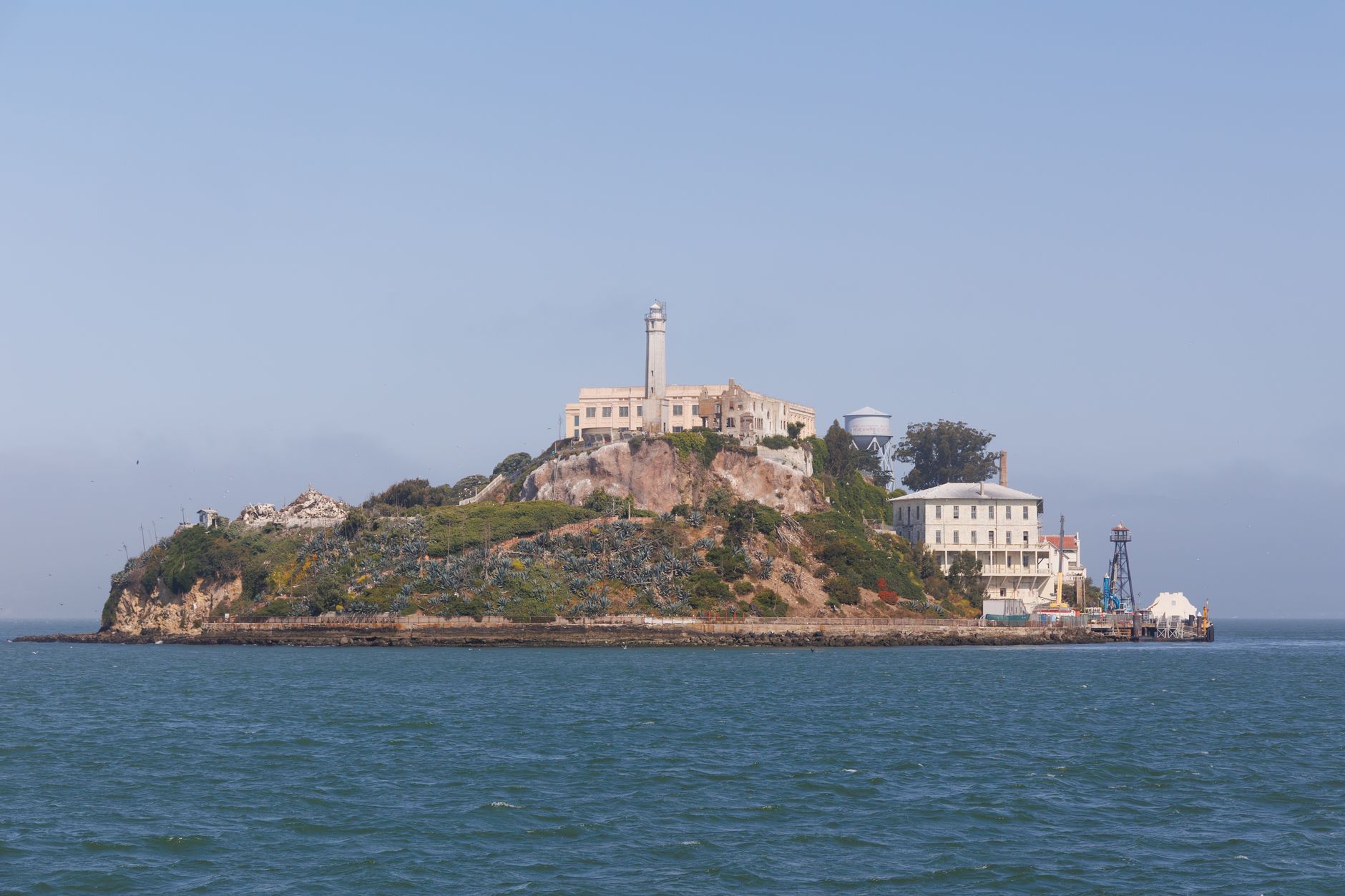
Alcatraz (Spanish: “island of pelicans”) operated as a federal penitentiary from 1934 to 1963, housing Al Capone, Robert Stroud (the “Birdman of Alcatraz”) and Machine Gun Kelly. The ferry from Pier 33 (Alcatraz Cruises, $44.25 adult; book at alcatrazcruises.com at least 1–2 weeks ahead) includes the audio tour narrated by former guards and inmates — one of the finest audio guides at any American attraction. The island also has a working lighthouse (1854, the oldest on the West Coast), a restored Native American occupation mural (1969–1971) and nesting colonies of western gulls.
Book at alcatrazcruises.com 3–4 weeks ahead ($44.25 adult; audio guide included). The night tour ($47) is more atmospheric. Take the 8:45am first ferry for the emptiest island. The audio guide is narrated by former inmates and guards — the solitary confinement section of D-Block is the most affecting part.
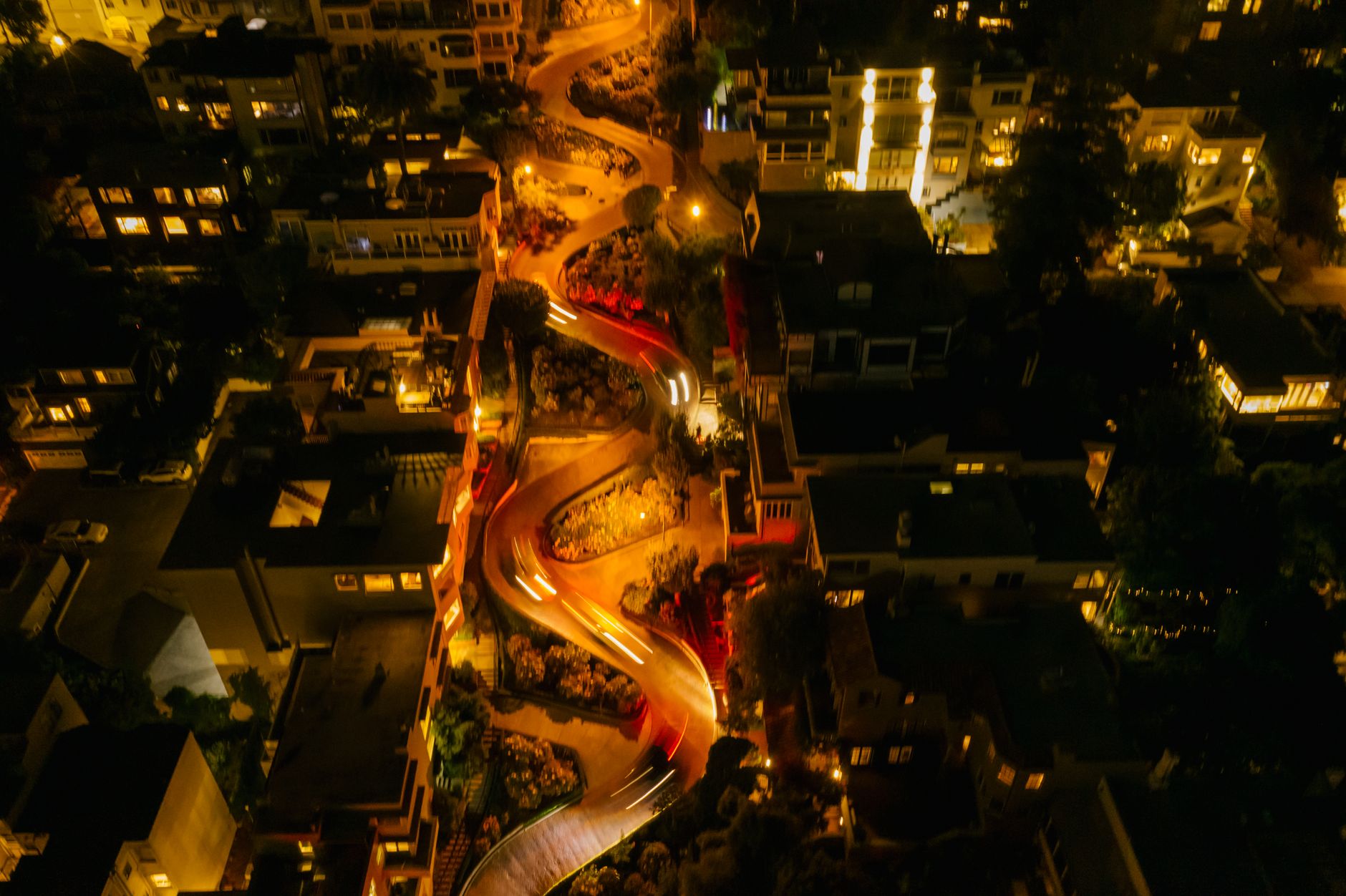
Lombard Street between Hyde and Leavenworth (the “crookedest street in the world” by number of hairpin turns per block, though Vermont Street in Potrero Hill is technically steeper) has eight switchbacks in one block, planted with hydrangeas. Walk up (or queue to drive down) for the view from the top. The Painted Ladies — seven Victorian houses on Steiner Street at Alamo Square, with the downtown skyline behind — are the most photographed houses in San Francisco and will be recognised from the TV series Full House. Alamo Square Park is free and the best viewpoint.
Lombard Street (Russian Hill; free to drive or walk the footpath) is best walked from the top down — the footpath gives better views of the flower beds than a car. The Painted Ladies at Alamo Square (free) are most photogenic at golden hour with the downtown skyline rising behind them.
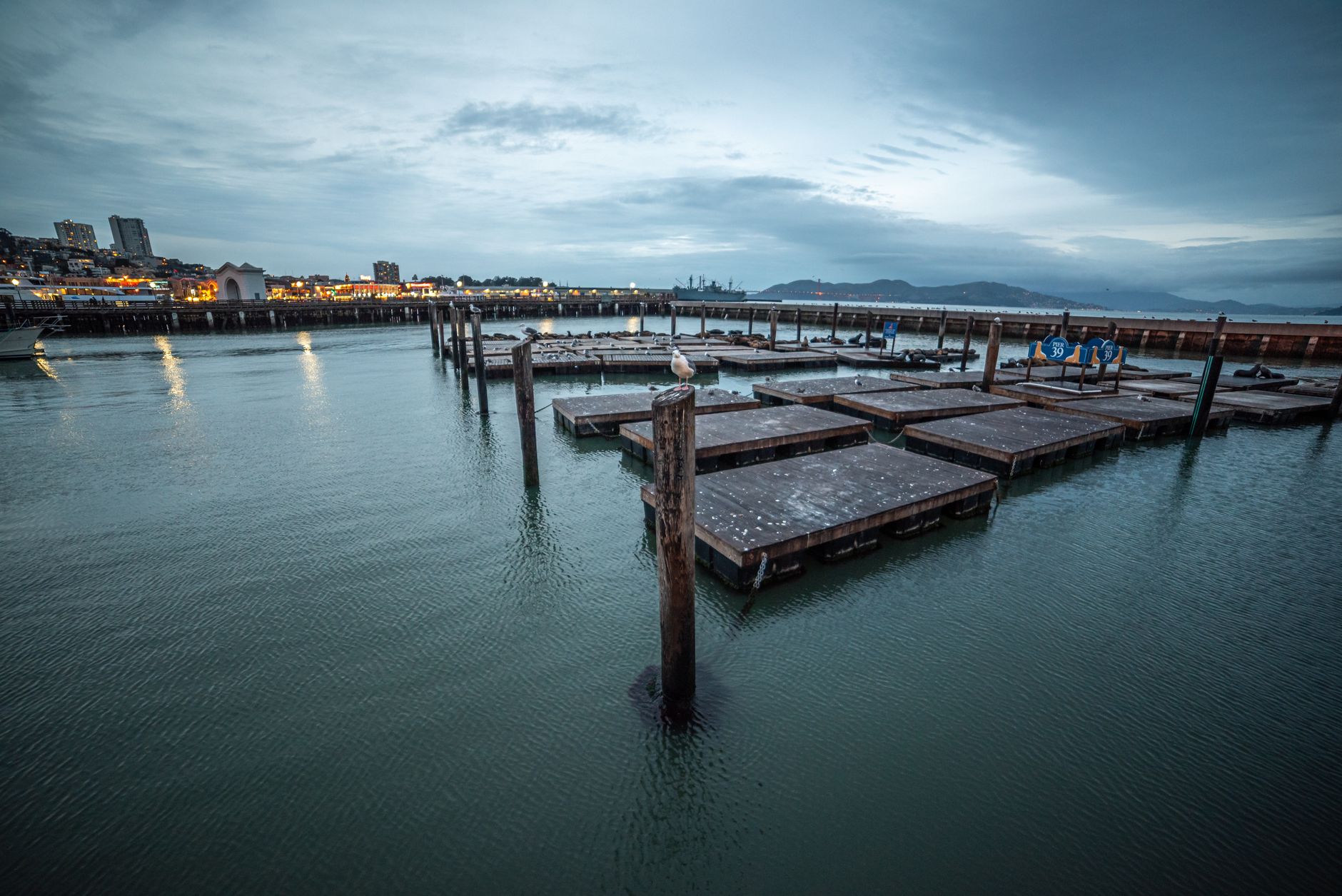
Fisherman’s Wharf (touristy but functional) has Pier 39 with the permanent colony of California sea lions (free to watch, arrived 1989 and never left), the Dungeness crab stands (seasonal, November–June), and the departure point for Alcatraz and bay tours. The Ferry Building Marketplace (1898) at the Embarcadero is the better food destination: the Tuesday and Saturday farmers market on the waterfront plaza, Slanted Door (Vietnamese), Acme Bread, Cowgirl Creamery and the best oyster selection in the city at Hog Island Oyster Co.
The Ferry Building Marketplace (Embarcadero; free; farmers market Tue, Thu & Sat) is the finest food hall in San Francisco — the sourdough from Acme Bread and the Dungeness crab from Hog Island Oyster Co are the two things to eat. The Wharf clam chowder in a sourdough bread bowl (Boudin; from $15) is the tourist version.
San Francisco has one of the finest food cultures in the USA: a direct link between the Bay Area farms (Sonoma, Marin, the Central Valley), the fishing boats of the Pacific and the restaurant kitchens of the Mission, Hayes Valley and the Embarcadero. The Mission District is the specific address for burritos (the Mission burrito is a distinct style — larger than a Mexican burrito, with rice, and wrapped in foil; La Taqueria on Mission Street and El Farolito on 24th are the two most credible addresses), which are as much a San Francisco invention as a Mexican one. The Tartine Bakery (18th and Guerrero, Mission) produces the finest sourdough bread in the USA; the morning queue for fresh-from-the-oven country bread forms 30 minutes before opening.
The fine dining scene: Atelier Crenn (Dominique Crenn, 3 Michelin stars, the only female chef in the USA with three stars), Quince (Michael Tusk, 3 stars), Benu (Corey Lee, 3 stars, the most innovative tasting menu in the city). The Ferry Building Marketplace on Tuesday and Saturday morning is the best farmers market in California: Frog Hollow Farm stone fruit, Hog Island oysters, Four Barrel Coffee (now Coffee Mission). The Nopa neighbourhood (Divisadero Street) has the best independent restaurant density in the city: RT Rotisserie, Nopa itself, Nopalito and Souvla.
San Francisco’s MUNI system (buses, Metro light rail, historic F-line streetcars along the Embarcadero and Market Street, and the famous cable cars) covers the city comprehensively. A single fare is $2.50; a day pass $5 (Clipper Card or app). The Powell-Hyde and Powell-Mason cable car lines (historic, $8/ride, only card payment on board) run from Union Square to Fisherman’s Wharf via the steepest streets. The F-line historic streetcar ($2.50, cash or Clipper) runs from Castro to the Ferry Building and Fisherman’s Wharf along Market Street and the Embarcadero — the most scenic public transit in the city. BART connects to the East Bay (Berkeley, Oakland) and the airport (SFO). For rideshare, Lyft is slightly more popular than Uber in the Bay Area.
Sep–Nov is the golden season: warm, clear, low crowds, “Second Summer” sunshine. Mar–May is good: mild temperatures and low rainfall. Summer (Jun–Aug) is paradoxically the coldest and foggiest season due to the marine layer. December and January are the wettest months.
San Francisco is one of the most expensive cities in the USA, with the highest hotel rates outside Manhattan. The Mission District and the Richmond are significantly cheaper for food than tourist-facing areas. Per person per day.
The Golden Gate Bridge walk, the Ferry Building Market and Golden Gate Park are all free. Alcatraz is the main paid attraction and the most worth-it.
Napa Valley tastings range from $30 (entry-level wineries) to $150+ per person (Opus One, Far Niente). Reserve 2–4 weeks ahead for premium wineries.
Atelier Crenn (Dominique Crenn, 3 Michelin stars) and Benu (Corey Lee, 3 stars) require reservations opened months in advance. Both run $300–450 per person before wine.
Three days covers the bridge, Alcatraz, the Mission and at least one neighbourhood in depth.
Walk to the Golden Gate Bridge via the Marina Green and Crissy Field (5km flat coastal walk, 1.5h). Cross the bridge on foot to Vista Point and back. North Beach (the Beat Generation neighbourhood) for lunch at Vesuvio café (where Kerouac drank) and City Lights bookshop (the original 1953 bookshop, still excellent). Fisherman’s Wharf for the sea lions at Pier 39. Cable car back to Union Square.
Cycle from Fisherman’s Wharf to Sausalito over the Golden Gate Bridge (bike rental at Blazing Saddles; $8/hour; 2h total). Take the ferry back from Sausalito ($14; 30 min) — the approach to San Francisco Bay from the water is the finest view of the city.
Alcatraz ferry at 9am from Pier 33 (book ahead at alcatrazcruises.com; 2.5 hours on the island). Ferry Building Marketplace for lunch after (Hog Island oysters, Acme bread, Frog Hollow jam). Explore the Embarcadero and the F-line streetcar to Castro for the late afternoon. Dinner in the Mission: La Taqueria burrito or Tartine Bakery (arrive by 4pm for bread).
The 8:45am Alcatraz ferry gives the emptiest island. Return by noon; Ferry Building lunch; SFMOMA in the afternoon ($25; sfmoma.org; the permanent collection of modern and contemporary art).
Haight-Ashbury (the epicentre of the 1967 Summer of Love, still a neighbourhood of independent record shops and vintage clothing). Golden Gate Park (1,017 acres; the de Young Museum, free on the first Tuesday of each month, $15 otherwise; the Japanese Tea Garden, $13). Twin Peaks at sunset (take the 37 bus from Castro) for the best panoramic city view.
Golden Gate Park (free; de Young Museum $15; Japanese Tea Garden $13; Conservatory of Flowers $15). Twin Peaks (free; 30 min by Muni from downtown) gives the finest 360° panorama of the Bay Area on a clear day.
🛂 Entry rules: ESTA for visa-free visitors
Citizens of Visa Waiver Program countries, including the UK, most of the EU, Australia, New Zealand and Japan, must have an approved ESTA before boarding a flight or ship to the United States. It costs about US$40, is valid for two years or until your passport expires, and allows stays of up to 90 days at a time.
Apply at least 72 hours before travel on the official CBP site or the ESTA Mobile app; many look-alike websites charge extra for the same form. Canadian citizens don’t need an ESTA. Everyone else needs a visa.
Official information: US CBP: official ESTA site · Reviewed September 2026
The 4.8km round-trip walk across the Golden Gate Bridge (free, east pedestrian path, open daily) takes 1.5–2 hours.
Tartine Bakery (18th & Guerrero, Mission) releases its country loaves daily at 4pm; the queue forms by 3:30pm.
The summer marine layer (June Gloom at its most extreme in SF) means July and August temperatures of 14–17°C and persistent fog from noon onward.
The Powell-Hyde cable car ($8 one-way, card only on board) is a genuine piece of 19th-century engineering and the correct way to understand the city’s relationship with its hills.
The Napa Valley wine country (1.5h by car via the 101 and 37) is best visited Tuesday–Thursday when the tasting rooms are quieter.
Muir Woods (45 min from SF by car) contains the only old-growth coast redwood forest accessible from a major US city — trees up to 1,000 years old and 75 metres tall.
Bay Area Rapid Transit: SFO airport connection (Powell St, 30 min, $10.65), East Bay (Berkeley, Oakland), and downtown SF stations. Buy Clipper card through the app for contactless payment.
Free
Official Alcatraz ferry and tour booking. Book the audio tour day visit or the night tour (more atmospheric, €48). The behind-the-scenes “Behind the Rocks” tour (€95) accesses areas closed to standard visitors.
Free
Download San Francisco offline. The hill topography and the MUNI network are the most-used navigation features; knowing which bus goes over which hill is not intuitive without the map.
Free
Book tours, day trips and skip-the-line tickets in and around San Francisco.
Free
Quick answers to the questions travellers most often ask before visiting San Francisco.
Autumn (September-November) is warmest and clearest; summer is famously cool and foggy; spring is pleasant and winter mild but wetter. Bring layers whatever the season — the weather shifts fast.
Three to four days for the icons (the Golden Gate Bridge, cable cars, Alcatraz) and the neighbourhoods, with a possible day trip to wine country or the redwoods.
The compact core is walkable, backed by Muni buses and metro, the historic cable cars and streetcars, and BART for the wider Bay Area and airport. A car is a hassle given the hills and parking.
Yes, one of the priciest US cities, especially for hotels. Offset it with the city’s diverse affordable food and its many free sights — the bridge, the parks and the viewpoints.
Discover more of America’s great destinations.
Planning a wider trip? Our USA travel guide covers getting there, costs, when to go and more.