
VU
Port Vila
Vanuatu's harbour capital of markets, waterfalls and reefs
Vanuatu's harbour capital of markets, waterfalls and reefs

The bustling Mama’s Market runs almost round the clock, piled with tropical produce, root vegetables, handicrafts and cheap cooked island food served by the women who grow it.
Grab a cheap, tasty lunch of laplap or fresh fish upstairs.

Just outside town, this series of turquoise pools and cascades climbs through the rainforest to a 35-metre waterfall, with swimming spots at every level.
Wear water shoes for the slippery climb between pools.
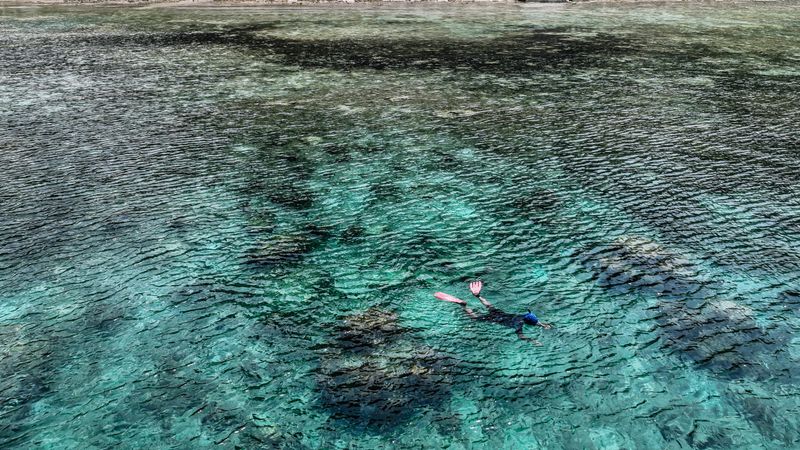
A short boat hop from Mele, this marine reserve offers superb snorkelling and diving, plus the world’s only underwater post office where you can mail a waterproof postcard.
Buy a waterproof postcard and dive it to the underwater post box.

East of town, the Eton Blue Lagoon is a glowing turquoise swimming hole fringed by jungle, with rope swings over the clear, deep water.
Weekdays are quietest; there is a small entry fee.

A living cultural village where guides in traditional dress share Ni-Vanuatu customs, medicine, weapons and legends, an engaging introduction to kastom life.
Tours run at set times; book ahead through your hotel.
Port Vila’s food reflects its French and Melanesian heritage. Try laplap, the national dish of grated root vegetables baked with coconut cream, often topped with chicken or fish; fresh reef fish and prawns; and Santo beef, raised on Vanuatu’s largest island. Waterfront restaurants and patisseries show the French influence.
The central Port Vila Market is the best place for cheap local meals and tropical fruit. In the evening, try a shell of kava at a nakamal (kava bar) — sip it quietly, as custom expects. The local beer is Tusker.
Bauerfield International Airport is only a few kilometres from town, with flights from Australia, New Zealand, Fiji and New Caledonia. A taxi to the centre costs around VT 2,500. Around town, minivan buses (plates starting with “B”) don’t follow fixed routes: flag one down and tell the driver where you’re going. Short trips cost about VT 150–200. Taxis have “T” plates and no meters, so agree the fare first. Domestic flights connect Port Vila with Tanna and Espiritu Santo.
Vanuatu is not cheap, because many goods are imported, but local buses and market food keep daily costs down. Figures are per person per day in US dollars, excluding flights.
Eating at the market is the best way to save money and meet locals.
Many attractions around Efate charge a small custom fee to the landowners.
Book cyclone-season travel (November to April) with flexible cancellation.
Three days covers Port Vila’s market and harbour, a waterfall climb and Efate’s lagoons.
Walk the harbourfront and Port Vila Market, try laplap for lunch, and end the day with dinner at a waterfront restaurant.
Visit the market in the morning, when it is busiest and the produce is freshest.
Climb the tiered pools of the Mele Cascades in the morning, then snorkel at Hideaway Island and post a card from its underwater post office.
Wear shoes with grip for the cascades, as the rocks are slippery.
Swim in the Blue Lagoon on Efate’s east coast, then visit a cultural village to learn about ni-Vanuatu traditions.
Hire a driver for the day to combine the lagoon with other stops around the island.
Red-plate minivans are the cheap local transport; wave one down and tell the driver your destination.
Cards work in resorts and better restaurants, but you need vatu cash for the market, buses and villages.
Vanuatu’s kava is strong; sip a shell at a nakamal and keep quiet and calm as custom expects.
May to October is cooler and drier; cyclone season runs November to April.
Quick answers to the questions people most often ask before visiting Port Vila.
Fly into Bauerfield International Airport, just outside town, with direct flights from Brisbane, Sydney, Auckland and Nadi. Port Vila is also a regular cruise-ship stop.
May to October, the cooler and drier season. November to April is hotter and wetter, and it is cyclone season.
Flag down one of the red-plate minivans (look for the 'B' on the number plate) — the cheap local transport — and tell the driver where you're going. Taxis are also available.
The Vanuatu vatu (VUV). Cards work at resorts and better restaurants, but carry cash for the market, minivans and villages.
Kava is a traditional drink made from pepper-plant root, served in local bars called nakamals. Vanuatu's kava is strong — sip slowly and follow the custom of keeping calm and quiet.
Download the Port Vila area for offline navigation, walking directions and public transport routes.
Free
Harbour-town Port Vila, the volcano of Tanna, the blue holes of Espiritu Santo, land-diving Pentecost and the volcanoes of Ambrym — Vanuatu end to end.
Planning a wider trip? Our Vanuatu travel guide covers getting there, costs, when to go and more.