ES
Barcelona
Gaudí, Beaches and Late Nights
Gaudí, Beaches and Late Nights
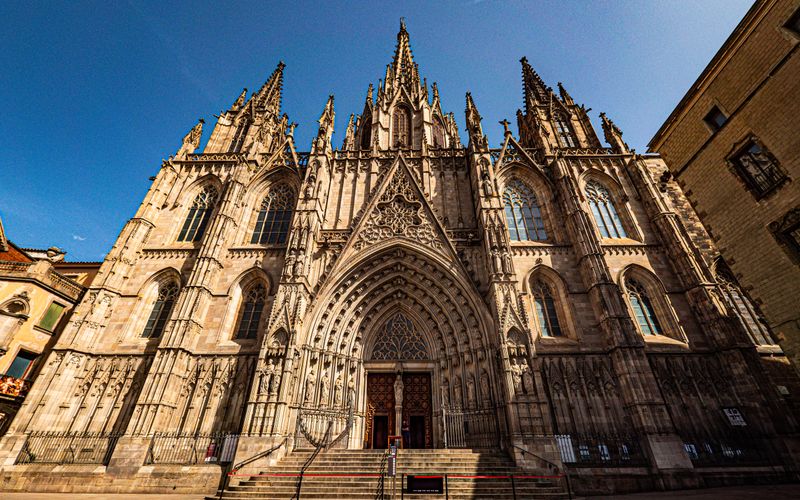
The Barri Gòtic is the medieval core: streets so narrow that adjacent balconies almost touch, Roman walls visible at ground level, Plaça Reial open and palm-lined at its heart. Walk it in the morning before the crowds arrive. El Born (immediately to the east) is the neighbourhood that replaced the Gothic Quarter as Barcelona’s coolest — better restaurants, better bars, a 19th-century market hall covering a completely excavated 1714 city beneath it.
The Gothic Quarter is most atmospheric before 9am — the medieval Barri Gòtic alleys are empty. The Picasso Museum in El Born (€12; museupicasso.bcn.cat) requires timed entry — Tuesday mornings have the shortest queues.

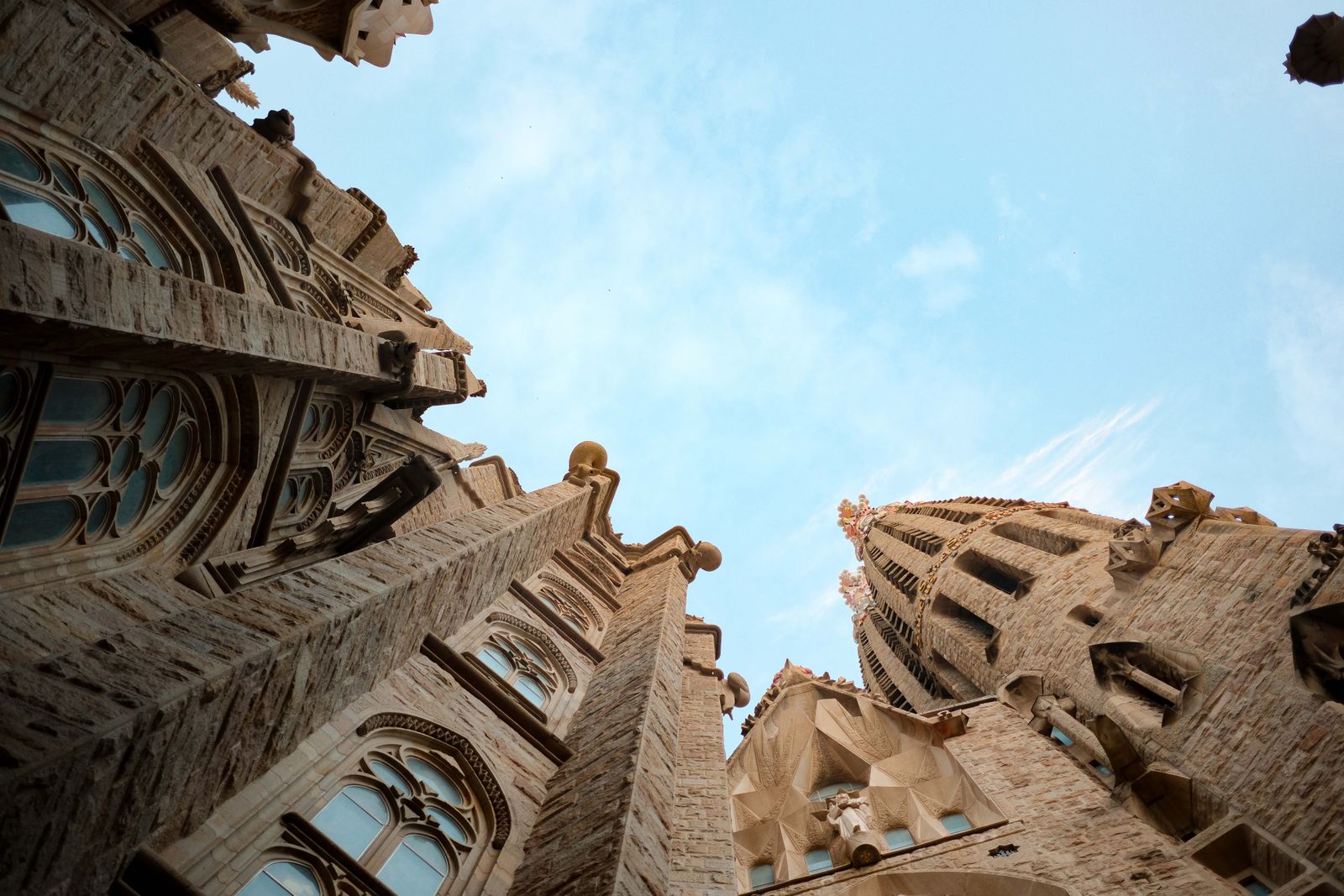
Book online at least two weeks ahead, longer in summer. The Sagrada Família has been under construction since 1882 — its central Tower of Jesus Christ reached full height in 2026, the centenary of Gaudí’s death, while work on the final façade continues into the 2030s. The towers are open (book separately, extra cost, €5–9). Go at 9am on a weekday morning: the light comes through the stained glass windows from the east side and turns the nave into something that is difficult to be entirely secular about.
Book at sagradafamilia.org weeks ahead (€26 basic; €36 with tower access). Go at 9am on a weekday — the Nativity façade in morning light is the finest architectural view in Barcelona. The audioguide (€4.50) is worth adding.

The ticketed monumental zone of Park Güell (€10, book online) includes the famous dragon stairway and mosaic terrace with the city panorama. Allow 30–45 minutes for the ticketed section. The rest of the park (free) is a pine forest. The walk down through the Gràcia neighbourhood (10 minutes) is the correct way to leave: it passes through one of Barcelona’s best local neighbourhoods.
The monumental zone (€10; parkguell.barcelona) requires advance timed entry. The free perimeter zones are excellent and need no booking — walk from Gràcia neighbourhood up through the free terraces for the best approach and the finest views.

Seven kilometres of beach attached to a major European city is the fact about Barcelona that still surprises people who haven’t been. Barceloneta is the nearest beach to the Gothic Quarter (20 min walk). The water is clean, the sand is crowded from July to September, and the chiringuito (beach bar) culture means beer and calamares from noon. Keep all belongings within arm’s reach — beach theft is common.
In July–August La Barceloneta is extremely crowded. The better beaches are north of the Olympic Port — Bogatell and Mar Bella (15 min walk) are cleaner and more local. The L4 Metro runs the full seafront.
Barcelona’s food identity is Catalan, not generic Spanish. Pa amb tomàquet (bread rubbed with ripe tomato and olive oil) is on every table. Fideuà (paella’s pasta-based cousin) and seafood arros caldos (brothy rice) are the correct local dish choices over the paella that most tourists order. The Mercat de Santa Caterina (less touristy than La Boqueria, better quality, same concept) is the market to eat at. La Boqueria on La Rambla has become largely a tourist experience — go to look, but eat elsewhere.
The vermut (vermouth) ritual runs from noon to 3pm on weekends: a glass of house vermouth on ice with an olive, accompanied by patatas bravas and boquerones (anchovies), at a bar with old tile walls. This is the correct Barcelona Saturday. The cocktail bar scene in El Born and Eixample is genuinely good — Barcelona has some of the best coctelerías in Spain. Dinner is never before 9pm; the restaurants are simply not ready before then.
The metro covers the major tourist areas: Gothic Quarter (Jaume I, Liceu), Sagrada Família (L2/L5), Park Güell (Lesseps, then 20 min walk). A T-Casual 10-trip card (€12.15) covers all metro, bus and tram. The Gothic Quarter and El Born are fully walkable. A BiciMad or Donkey Republic city bike is the fastest way along the seafront promenade to Barceloneta. Airport: the Aerobus (€6.75 one way) is faster than the metro for most central hotels.
May and June are the best months: warm enough for the beach, not yet at the 32°C peak of July, and the city before the tourist maximum. September is the second ideal window — the summer heat fading, the festivals continuing, the beaches still usable. July and August are the beach season but also the crowd maximum — La Sagrada Família queues and La Rambla density are at their worst.
Barcelona is mid-range to expensive by Spanish standards — significantly cheaper than Paris or London, somewhat more expensive than Madrid. The tourist tax adds €2.50–3.50/night. Per person per day, couple travelling.
The menú del día (set lunch menu: starter, main, dessert, wine) costs €10–15 and is the best-value meal in Barcelona.
The Picasso Museum (€14) is best visited Tuesday evenings when it’s free and quieter. The Gàudi sites dominate the tourist budget.
Disfrutar has been ranked among the world’s top 10 restaurants. Book 3–6 months ahead.
Five days covers Gàudi, the Gothic Quarter, a beach day, a day trip and enough time for one slow evening in Eixample. Don’t try to be efficient in Barcelona; the city rewards the unhurried.
Walk to El Born in the evening. The Mercat de Santa Caterina has a bar section that opens from 5pm. Dinner at 9:30pm in El Born. The Born Bar and Bar del Pla are the correct first-evening options.
El Born centres on the Mercat de Santa Caterina (open mornings; closed Sun) — more authentic than La Boquéria. The Basílica de Santa Maria del Mar (free) is the finest Gothic church in Barcelona.
Gothic Quarter at 9am before the crowds. The Roman Temple of Augustus inside a courtyard off Carrer del Paradis (free, often missed). Mercat de la Boqueria for a look. Lunch at La Mar Salà or any bar on the Barceloneta promenade. Afternoon: beach. Evening: Barceloneta sunset.
La Boquéria opens at 8am — the counter bars inside (Bar Central, Pinotxo) are far better than buying from the stalls. The Palau de la Música Catalana (€22; booked in advance) is more architecturally extraordinary than the Sagrada Família, according to some.
Sagrada Família at 9am (first slot). Tower access. Lunch in Eixample. Park Güell ticketed zone (afternoon slot). Walk down through Gràcia. Dinner in Gràcia neighbourhood.
The Gaudí day works as: Sagrada Família at 9am, Casa Batlló at noon (€35; book online), Casa Milà (La Pedrera) in the afternoon. Three major buildings in one walkable day along the Passeig de Gràcia.
Train from Plaça Espanya to Monistrol (1h), rack railway to monastery. The Sant Joan peak walk (2h round trip) is worth the effort. The monastery itself is free; the museum costs €7. Return by 6pm. Evening vermut in Sant Antoni.
R5 FGC train from Plaça Espanya to Aeri de Montserrat (1h; €10 return) connects to the cable car (€13 return). The Sant Joan peak walk (1h return) is the reason to stay after the basilica crowds — the views over Catalonia are extraordinary.
Eixample neighbourhood in the morning (the block interiors — illes — are beautiful and often open). Palau de la Música Catalana concert or tour (€22 guided). Lunch at any good Eixample restaurant. Afternoon: Fundació Joan Miró (€14). Farewell dinner in the Sant Antoni market area.
The Palau de la Música Catalana (€22; palaumusica.cat) is Domènech i Montaner’s Art Nouveau concert hall — the stained glass roof alone is worth the ticket. The Monday lunchtime concerts are half the price of evening performances.
🛂 Entry rules: EES and ETIAS
Spain is in the Schengen area, which has two EU border systems for non-EU visitors.
EES (in force): since 10 April 2026 the EU’s Entry/Exit System registers non-EU visitors’ passport details, fingerprints and a photo the first time they enter the Schengen area, replacing passport stamps. Allow extra time at the border on your first trip; later crossings are quicker. EU, EEA and Swiss citizens are not registered.
ETIAS (not yet running): a €20 online travel authorisation for visitors who don’t need a visa, such as UK, US, Canadian and Australian citizens. It hasn’t started and no start date has been confirmed, so nobody can apply yet; ignore websites that offer to “pre-register” you for a fee.
Visa-free visitors can stay up to 90 days in any 180-day period across the whole Schengen area, not per country.
Official information: EU: Travel to Europe (EES & ETIAS) · Reviewed September 2026
Walk-up queues are real and can run 2–3 hours. Book timed entry at sagradafamilia.org. The basic entry is €26; tower access is €5–9 extra.
La Rambla is one of the most pickpocket-dense streets in Europe. The restaurants on it are tourist traps. The flower stalls and pavement artists are pleasant.
The mosaic terrace (the famous Instagram image) is in the ticketed zone (€10, timed entry, book at parkguell.barcelona). The surrounding park is free.
The midday vermouth culture is Barcelona’s best-kept open secret.
Beach theft in Barceloneta is extremely common. Do not leave bags, phones or valuables on a towel while you swim.
Restaurants that display their menu in English and Catalan and Spanish outside are catering to different audiences.
Quick answers to the questions travellers most often ask before visiting Barcelona.
Yes — and well in advance. Tickets at sagradafamilia.org sell out weeks ahead in summer, and walk-up entry is extremely limited. Booking a guided tour with tower access is the most reliable way to guarantee entry.
Barcelona is generally safe but has one of the highest rates of tourist pickpocketing in Europe. La Rambla, the Gothic Quarter, and busy Metro lines are hotspots. Keep bags zipped and in front, use an inside pocket for your phone, and stay alert in crowded areas.
Catalan is the official language of Catalonia and appears on all street signs. Spanish is equally common in everyday conversation. English is widely spoken in tourist areas, hotels, and restaurants. Any effort with Spanish or Catalan is warmly appreciated.
May–June and September–October offer the best balance: warm enough for beaches (24–27°C), without the extreme heat and tourist density of July–August. Spring also brings the Sant Jordi festival on 23 April — the city’s most likeable local tradition.
Three days is enough for the Sagrada Família, Park Güell, the Gothic Quarter, La Boqueria, and a beach afternoon. Five days lets you explore the Eixample neighbourhood at leisure and add a day trip to Montserrat.
Commuter trains for Montserrat day trip (from Plaça Espanya) and intercity connections to Madrid (2h30 AVE), Valencia (3h) and Seville (5h30).
Free
Restaurant reservations across Barcelona. Book El Xampanyet and Bar del Pla in El Born 2–3 days ahead; good Eixample restaurants often fill the day before.
Free
Audio guide, building history and interactive architectural models. Download before entering; the in-building Wi-Fi is unreliable.
Free
Bike rental across Barcelona: dock-free and docked bikes for the seafront and Eixample grid. Day pass from €4. The waterfront cycle path from Barceloneta to the Forum is 5km.
Free
Download Barcelona offline. The Gothic Quarter lanes are not always well-signed; offline GPS prevents getting genuinely lost.
Free
Discover more of Spain's great destinations.
Planning a wider trip? Our Spain travel guide covers getting there, costs, when to go and more.