JP
Osaka
Japan’s Kitchen and Street-Food Capital
Japan’s Kitchen and Street-Food Capital

The entertainment district running along the Dotonbori canal is the most visually concentrated kilometre in Japan: neon signs, the giant mechanical Kani Doraku crab, the famous Glico Running Man billboard, restaurants stacked four floors high. Walk it at 9pm. A boat tour of the canal (¥1,200, 20 min) gives the neon-on-water perspective. The street food here is among the best in Osaka: eat from stalls rather than restaurants for the first evening.
Walk the full Dotonbori canal at night from Namba Ebisu Bridge to Tazaemon Bridge. The Glico Running Man sign and the giant Kani Doraku crab are on this 300-metre section. The canal is most photogenic at 9–11pm when the neon reflects on the water.
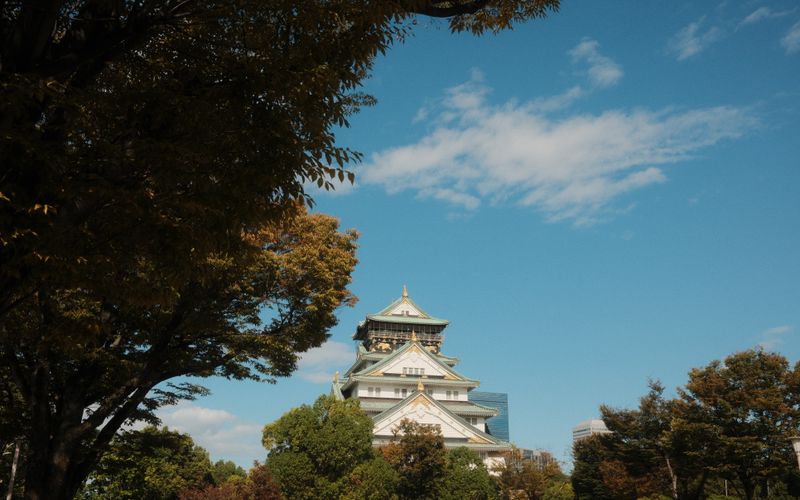
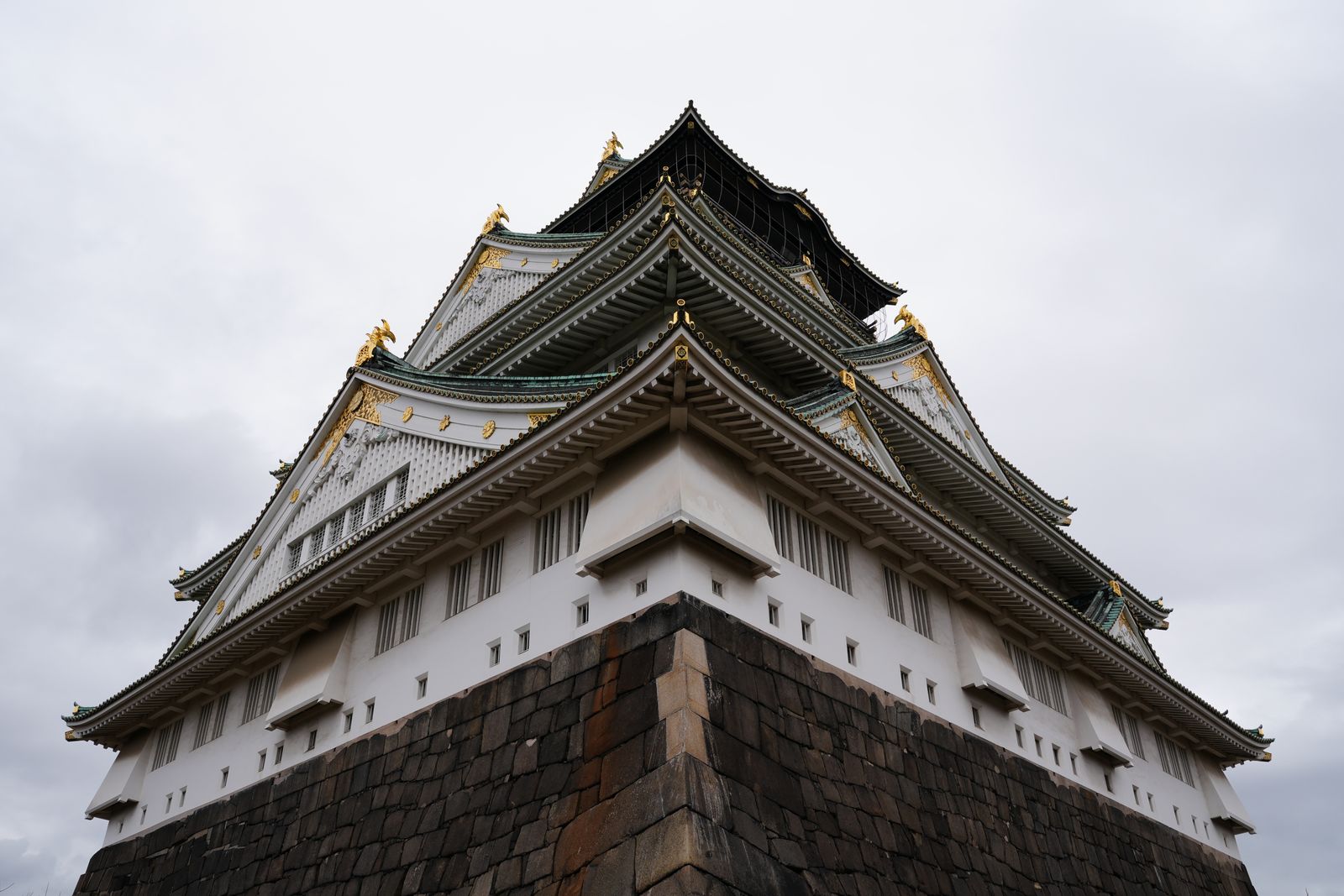
The 1583 castle of Toyotomi Hideyoshi was rebuilt in 1931 and again restored in 1997; the interior museum traces 400 years of Japanese unification history. Entry ¥600. The surrounding park is the best cherry blossom location in Osaka in April. The Nishimaru Garden section (¥350 extra, weekends only) is quieter and has the best castle views. The castle exterior and moat are free to walk around at any time.
The castle interior (¥600; 9am–5pm) is a concrete 1931 reconstruction. The exterior, the dry moat, the stone ramparts and the surrounding park are free and better than the interior. The castle from Nishinomaru Garden (¥200) gives the finest angle.

The 580-metre covered market known as “Osaka’s Kitchen” has 170 stalls: fresh Osaka Bay fish, wagyu beef vendors, freshly fried takoyaki and prepared food from specialist stalls. Open from 9am; best before 11am when stalls are at their fullest. Walking the entire length and eating from 4–5 stalls costs ¥1,500–2,500 and constitutes a serious meal. The tuna sashimi stall (where they cut fresh from the block) and the grilled scallop vendor are the essential stops.
Kuromon Ichiba runs Mon–Sat mornings — arrive by 10am. Buy fresh seafood directly from stalls and eat at the counter seats: grilled scallops, sea urchin on rice, live fugu. Budget ¥2,000–4,000 for a serious market breakfast.

The Namba area — Dotonbori, Shinsaibashi and Amerika-mura — is Japan’s most concentrated street food zone. Takoyaki (octopus balls in batter, ¥400–700 for 6–8 pieces) was invented in Osaka in 1935. Okonomiyaki (savoury pancake, cooked on a griddle at your table) is the other canonical dish. Kushikatsu (deep-fried skewers in shared communal sauce — one dip only, never re-dip) is Shinsekai’s contribution to the Osaka food canon.
Osaka street food is best in the backstreets. Takoyaki at Aizuya on Dotonbori (¥500 for 8), Kushikatsu in Shinsekai, Okonomiyaki at Fukutaro in Namba. The rule in Shinsekai: never dip a skewer twice into the communal sauce.
The Osaka food philosophy is kuidaore: eat until you drop. It is not ironic. Takoyaki was invented here (by street vendor Endo Tomekichi in 1935, in the Imazato neighbourhood) and remains the most important piece of street food in Japan by emotional resonance. The Wanaka chain near Dotonbori is the most famous; Kukuru and Takoyaki Juhachiban are the better-regarded local choices. Okonomiyaki in Osaka is the mixed (Kansai) style — all ingredients combined in the batter — as opposed to the Hiroshima layered style. They are different dishes; both are worth eating.
The izakaya scene in Osaka’s Tenma and Tanimachi districts is the most affordable serious eating in Japan. Standing bars (tachinomi) in the Tenma area serve cold beer and kushikatsu from ¥300 per item; a full evening costs ¥2,000–4,000 and the conversation with whoever is beside you is included by default. The kappo counter-dining tradition — a small restaurant with an open kitchen, counter seating, and a chef who cooks what is best today — is Osaka’s highest culinary form and ranges from ¥5,000 lunch omakase to ¥40,000 tasting menus.
The Osaka Metro’s Midosuji Line (red, Line M) runs north-south through the main districts: Umeda (shopping, station), Shinsaibashi (fashion, food), Namba (entertainment) and Tennoji (historic south). A day pass is ¥800. The JR Osaka Loop Line circles the major hubs. Shin-Osaka Station is the Shinkansen terminal — two metro stops north of central Osaka, serving Kyoto (15 min), Hiroshima (1h) and Tokyo (2h30). Walk everything in Namba and Dotonbori; the canal district is dense and requires no transit.
Osaka is excellent year-round for food. For comfort, March–May and October–November are ideal. Summer (July–August) is extremely humid but the evening street food culture keeps the city very much alive. Cherry blossom at Osaka Castle park in late March is among the best in Japan.
Osaka is the cheapest major city in the Kansai region. Street food and izakaya eating keeps food costs well below Tokyo or Kyoto. Per person per day.
Osaka is the best budget food city in Japan. A complete evening of street food, beer and a standing bar costs under ¥3,000.
Staying in Osaka and day-tripping to Kyoto saves 20–30% on accommodation vs staying in Kyoto.
Fujiya 1935 is Osaka’s finest tasting-menu restaurant: a kaiseki-meets-contemporary format at some of the best value per star in Japan.
Three days in Osaka works perfectly as a Kansai base: market and castle one day, Kyoto day trip the next, street food immersion throughout.
Walk to Dotonbori at 8:30pm. Takoyaki at Wanaka or Kukuru. Beer at a Hozenji Yokocho standing bar. Canal walk. Ramen at midnight if the izakaya pace allows. This is the correct Osaka introduction: not a castle, not a museum, but the neon and the food.
Dotonbori is most alive 8pm–midnight. Walk the canal from Shinsaibashi to Namba before eating — read the restaurant signs and pick by queue length. The queue outside a local restaurant is the best indicator of quality in Osaka.
Kuromon Market at 9am (tuna sashimi, grilled scallop, tamagoyaki omelette). Osaka Castle and park by 11am (cherry blossom if April). Shinsekai neighbourhood in the afternoon: the retro entertainment district with the Tsutenkaku tower and the original kushikatsu bars. Evening in Tenma for standing bars.
Kuromon market mornings, Osaka Castle park midday (exterior views better than the museum interior), and Shinsekai in the afternoon for kushikatsu at the original 1950s stands. Shinsekai TV Tower (¥1,000) gives the finest city view.
First Shinkansen from Shin-Osaka to Kyoto (15 min, ¥570). Fushimi Inari at 7am. Nishiki Market lunch. Higashiyama afternoon walk. Return Shinkansen by 6pm. Final Dotonbori takoyaki.
Kyoto is 15 min by Shinkansen (¥1,420) or 75 min by Hankyu Express (¥400) from Osaka. The Hankyu drops at Kawaramachi, the heart of central Kyoto. Focus on Nishiki Market, Fushimi Inari and the Philosopher’s Path.
Wanaka (Dotonbori area) is the most visited takoyaki vendor in Osaka. Kukuru (same area) is considered better by local standards. Both cost ¥600–700 for 8 pieces.
The communal dipping sauce at kushikatsu bars is shared by all diners.
The Shinkansen to Kyoto takes 15 minutes and costs ¥570. Staying in Osaka and day-tripping to Kyoto gives better food, better nightlife, cheaper accommodation and the same temple access.
The Dotonbori neon reaches its full intensity between 9pm and midnight. The canal reflections are clearest after dark.
The 1-day Osaka Amazing Pass (¥2,800) covers metro and entry to 40+ attractions including Osaka Castle.
Kansai International Airport (50 min from Namba, ¥930 by Nankai Line) is the practical gateway to Osaka, Kyoto and the Kansai region.
Japan restaurant guide: search Namba and Tenma for kushikatsu, takoyaki and kappo omakase by price range. Osaka’s Gold Award (3.5+) restaurants are uniformly excellent.
Free
Essential for menus in Shinsekai standing bars and Kuromon Market stall signs. Download Japanese offline pack before flying. Works without internet for the camera translation mode.
Free
Mobile payments: accepted at many Osaka restaurants and shops, particularly useful for smaller izakayas that don’t take cards but want to avoid cash handling. Set up with a foreign card before arriving.
Free
Download Osaka offline. Metro exit navigation is crucial in Namba (multiple confusing exits). Google Maps shows which numbered exit to use for your specific destination.
Free
Quick answers to the questions travellers most often ask before visiting Osaka.
Spring, for the cherry blossom, and autumn, for the foliage, are the most beautiful. Summers are hot and humid, and winters mild.
Two to three days for Osaka Castle, the neon nightlife and street food of Dotonbori, the Kuromon market and perhaps Universal Studios — and as a base for Kyoto, Nara and Kobe.
By an excellent subway, the JR loop line and trains; the Namba and Dotonbori areas are very walkable. No car needed.
Being “Japan’s kitchen” — famous for street food like takoyaki and okonomiyaki, the dazzling neon of Dotonbori, historic Osaka Castle, a friendly, energetic character, Universal Studios Japan, and as the hub of the Kansai region.
Discover more of Japan's great destinations.
Planning a wider trip? Our Japan travel guide covers getting there, costs, when to go and more.