GB
Bath
Georgian Spa City and Roman Baths
Georgian Spa City and Roman Baths
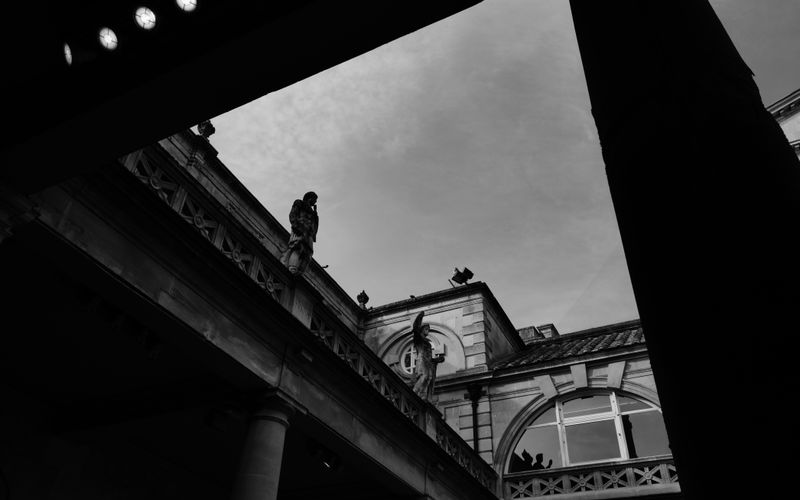
The Great Bath is the centrepiece of a complex that extends well beyond what visitors expect: the Sacred Spring, the Temple of Sulis Minerva, the changing rooms and cold plunge pools, the hot room, and a museum containing extraordinary Roman objects including a gilded bronze head of Minerva and 12,000 Roman coins thrown into the sacred spring. The audio guide (included) is narrated by a Roman citizen and is better than most museum audio guides. Entry £22; book at romanbaths.co.uk to guarantee entry. Open daily; evening events run Thursday–Saturday.
Book online at romanbaths.co.uk (£22.50; timed entry strongly recommended in summer). The audio guide (included; narrated by Bill Bryson) is essential. Go in the evening when the baths are candlelit (Nov–Feb; £22.50) for the most atmospheric visit.
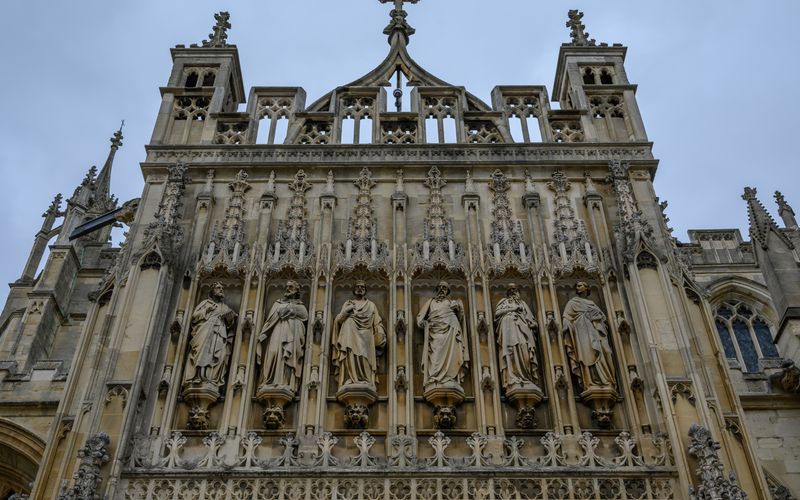
Bath Abbey was the site of Edgar’s coronation as the first King of England in 973 AD; the current building dates from 1499 and is one of the last great medieval churches built in England before the Reformation. The west front depicts angels climbing and descending a ladder to heaven, a literal realisation of a dream by Bishop Oliver King who commissioned the building. Entry is free (donation requested); the tower tours (£8) climb 212 steps to the roof with the best view of Bath. Directly across the square from the Roman Baths.
The Bath Abbey (free to enter; £4 suggested donation) is the finest fan-vaulted ceiling in England. Climb the tower (£8; 212 steps) for the best view of the city roofline. The “Ladder to Heaven” window at the east end is the most extraordinary piece of glass in Bath.
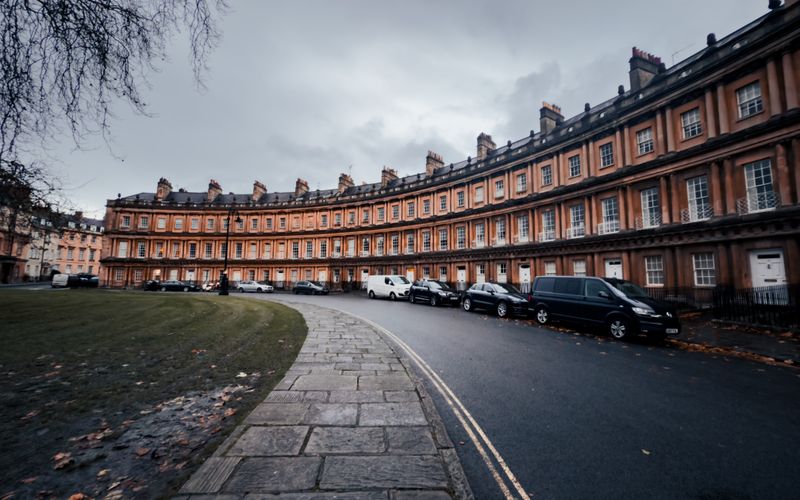
The Royal Crescent, completed in 1774 by John Wood the Younger, is the finest achievement of Georgian architecture in Britain: 30 townhouses in a continuous arc of 114 Ionic columns 180 metres long, curving across the brow of a hill above the city. No. 1 Royal Crescent is preserved as a Georgian museum house (£14). The Royal Crescent Hotel (No. 15–16) occupies two townhouses. The grass slopes below the Crescent are public — the correct way to see it is walking up from the city past the Circus (a circular arrangement of 33 houses built in 1768, John Wood the Elder) and arriving from behind.
The Royal Crescent is the finest example of Georgian architecture in Britain. No. 1 Royal Crescent is now a museum (£14; book at no1royalcrescent.org.uk) showing how an 18th-century Bath town house was lived in. The lawn in front is free and permanently open.

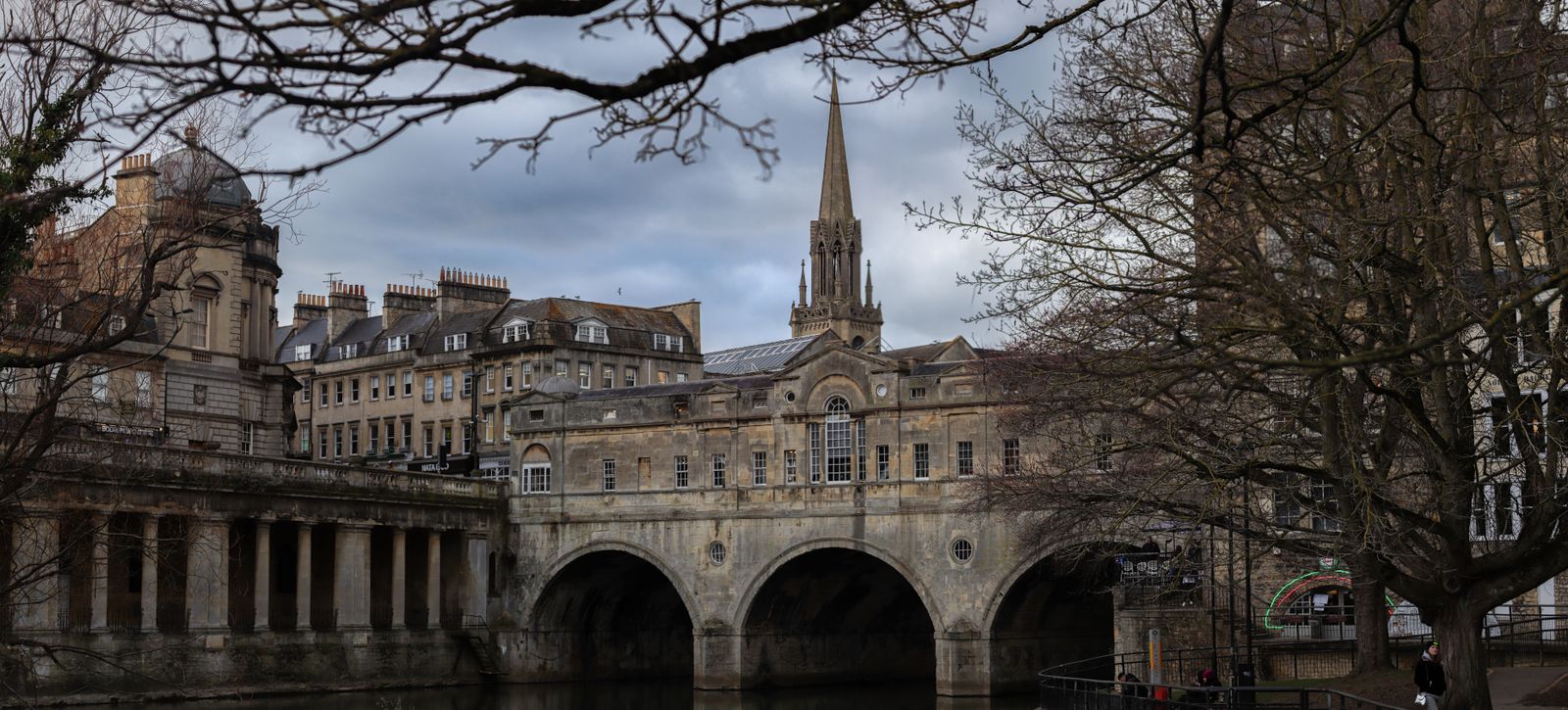
One of only four bridges in the world with shops on both sides (with the Ponte Vecchio and the Bridge of Sighs), Pulteney Bridge (1774, Robert Adam) spans the River Avon in three arches, its downstream side overlooking the Pulteney Weir — a semicircular cascade that is the most photographed point in Bath. The view from the opposite bank, looking back at the bridge and weir together, is the definitive Bath photograph. Great Pulteney Street behind it is the grandest street in Bath, 1,000 feet long, leading to the Holburne Museum (free permanent collection).
Pulteney Bridge (one of only four bridges in the world lined with shops on both sides) is best photographed from the weir below — walk down the steps to the riverside level on the south bank. The view of the bridge and the weir together is the most-photographed image in Bath.
Bath has the food culture of a city that has been hosting well-heeled visitors for 300 years and knows what it is doing. Sally Lunn’s — one of the oldest houses in Bath (c.1482), in the basement of which you can see the original medieval kitchen — serves the original Bath Bun: a large, brioche-like enriched bread roll, sweet or savoury, made to the same recipe since 1680. The queue moves quickly and it is worth it. The Circus Restaurant (a few steps from the Circus itself) is the best serious restaurant in Bath: seasonal British cooking with a fixed-price menu, consistently good for twenty years. The Pump Room, next to the Roman Baths, serves the canonical Bath experience of morning coffee or afternoon tea with a string quartet and Georgian ceiling mouldings; go for the room, not primarily for the food.
The Thermae Bath Spa (£40 for 2 hours) is not a restaurant but belongs in the eating-and-drinking section because it is the most distinctive thing you can do in Bath that has no equivalent elsewhere: bathing in geothermally heated water on a rooftop overlooking the Georgian skyline, something the Romans did at 46°C and the Georgians did indoors in assembly rooms, now done outdoors on the roof of a Herzog & de Meuron building. Book ahead at thermaebathspa.com; the rooftop pool is the only outdoor thermally heated public pool in Britain.
Bath is a walking city. The Roman Baths, Bath Abbey, Pulteney Bridge and Sally Lunn’s are all within 5 minutes of each other. The Royal Crescent and the Circus are 15 minutes uphill from the Baths. The train station is 5 minutes from the Baths. No car is needed in Bath, and parking is expensive and inconvenient. Buses cover the surrounding hills and villages. The Stonehenge Tour bus operates from the Bath Bus Station next to the train station.
Bath is genuinely good year-round — the Roman Baths are indoors, the Georgian architecture is best appreciated in clear weather, and the city is compact enough that rain is rarely a major inconvenience. May–September for the outdoor spa rooftop pool and the gardens. December for the Christmas market.
Bath is one of the more expensive English cities outside London, primarily on accommodation. The main attraction (Roman Baths, £22) is priced for the quality. The spa is an additional significant cost. Per person per day.
Prior Park National Trust is free for NT members; £10 walk-in. Well worth it for the Palladian bridge view.
The Thermae Bath Spa (£40, 2 hours) and the Roman Baths (£22) in one day covers the two things most specific to Bath.
The Gainsborough Bath Spa Hotel has direct access to the natural thermal waters from its own below-ground spa pool.
Two days covers Bath properly: the Roman Baths, the Georgian architecture, the spa, and time for a day trip or a slow afternoon.
Roman Baths at 9am (book online). Bath Abbey immediately after (free, 20 min). Sally Lunn’s for lunch (£8–12). Walk up Gay Street to the Circus, on to the Royal Crescent. Lie on the grass below the Crescent. Royal Victoria Park. Dinner at The Circus restaurant (book ahead) or a pub in the Barton Street area.
Arrive early for the Roman Baths (book the 9am slot) before the tour groups. Then the Abbey tower climb, then lunch at the Bath Market (Guildhall Market; Mon–Sat; covered market with food stalls from £5).
Thermae Bath Spa at 9am (book ahead at thermaebathspa.com; 2 hours in the thermal pool, including the rooftop). Dry off, walk to Pulteney Bridge (5 min). Great Pulteney Street to the Holburne Museum (free permanent collection). Afternoon: Prior Park (20 min uphill walk, National Trust). Return via the city for Pump Room afternoon tea or a pub.
Walk the full Royal Crescent, then turn right for the Circus (John Wood the Elder’s circular street from 1768), then east to the Assembly Rooms (£14; the 18th-century social scene). The whole circuit is 30 minutes on foot.
🛂 Entry rules: you need a UK ETA
Most visitors who don’t need a visa, including EU, US, Canadian and Australian citizens, must have an Electronic Travel Authorisation (ETA) before travelling to the UK, and airlines and ferry operators refuse boarding without one. It costs £20, allows stays of up to six months at a time and lasts two years or until your passport expires.
Apply in the official UK ETA app or on GOV.UK; most decisions come within minutes, but apply at least three working days before you travel. British and Irish citizens don’t need one, and neither do legal residents of Ireland arriving from Ireland.
Official information: GOV.UK: apply for an ETA · Reviewed September 2026
The Roman Baths (£27.50; book at romanbaths.co.uk; timed slots) sell out on summer weekends. Thursday evening lates (July–August) offer the Baths lit by torchlight — the finest version.
Thermae Bath Spa (£40 for 2 hours; book at thermaebathspa.com; capacity strictly managed) is the only place in Britain to bathe in geothermal spring water. The rooftop pool needs advance booking.
Arrive at the Circus from Brock Street, walk the full circle, then exit back onto Brock Street to emerge at the Royal Crescent lawn.
The First Group Bath to Stonehenge bus (£29 return + entry; departs Bath bus station; no booking needed) is the simplest way to visit. Book Stonehenge timed entry at english-heritage.org.uk.
Prior Park Landscape Garden (National Trust; £11; 20-min walk from centre; no parking) has one of four Palladian bridges in the world and the finest panoramic view of Bath from the hillside.
The Pump Room (historic; house trio plays; from £32) vs The Circus Restaurant (local produce; relaxed; from £28) vs The Bath Priory (finest quality; from £55) — three very different afternoon tea experiences.
Prior Park Landscape Garden, Lacock Abbey and village (day trip), Dyrham Park. NT membership (£99/year) covers entry to all three and makes the visits substantially cheaper.
Free
Restaurant reservations in Bath: The Circus, Allium, The Olive Tree. Book at least 1–2 weeks ahead for weekend evenings. The Pump Room afternoon tea is also on OpenTable.
Free
Download Bath offline. The walk from the station to the Roman Baths, up Gay Street to the Royal Crescent and down to Pulteney Bridge is best navigated with GPS in the Georgian street network.
Free
Book tours, day trips and skip-the-line tickets in and around Bath.
Free
Quick answers to the questions travellers most often ask before visiting Bath.
Late spring to early autumn (May-September) offers the mildest weather; summer is busiest, and December brings a popular Christmas market. Bath is a year-round destination and an easy day trip from London.
One to two days for the Roman Baths, Bath Abbey, the Royal Crescent and the Georgian streets, plus perhaps a soak at the modern Thermae Bath Spa.
The compact, historic centre is very walkable; trains from London take about 90 minutes, and buses run to nearby sights, with many tours to Stonehenge and the Cotswolds starting here.
Its remarkably preserved Roman baths, honey-coloured Georgian architecture (a UNESCO World Heritage city), links to Jane Austen, and its long history as an elegant spa town.
Discover more of the UK’s great destinations.
Planning a wider trip? Our United Kingdom travel guide covers getting there, costs, when to go and more.