PE
Cusco
The Capital of the Inca World
The Capital of the Inca World

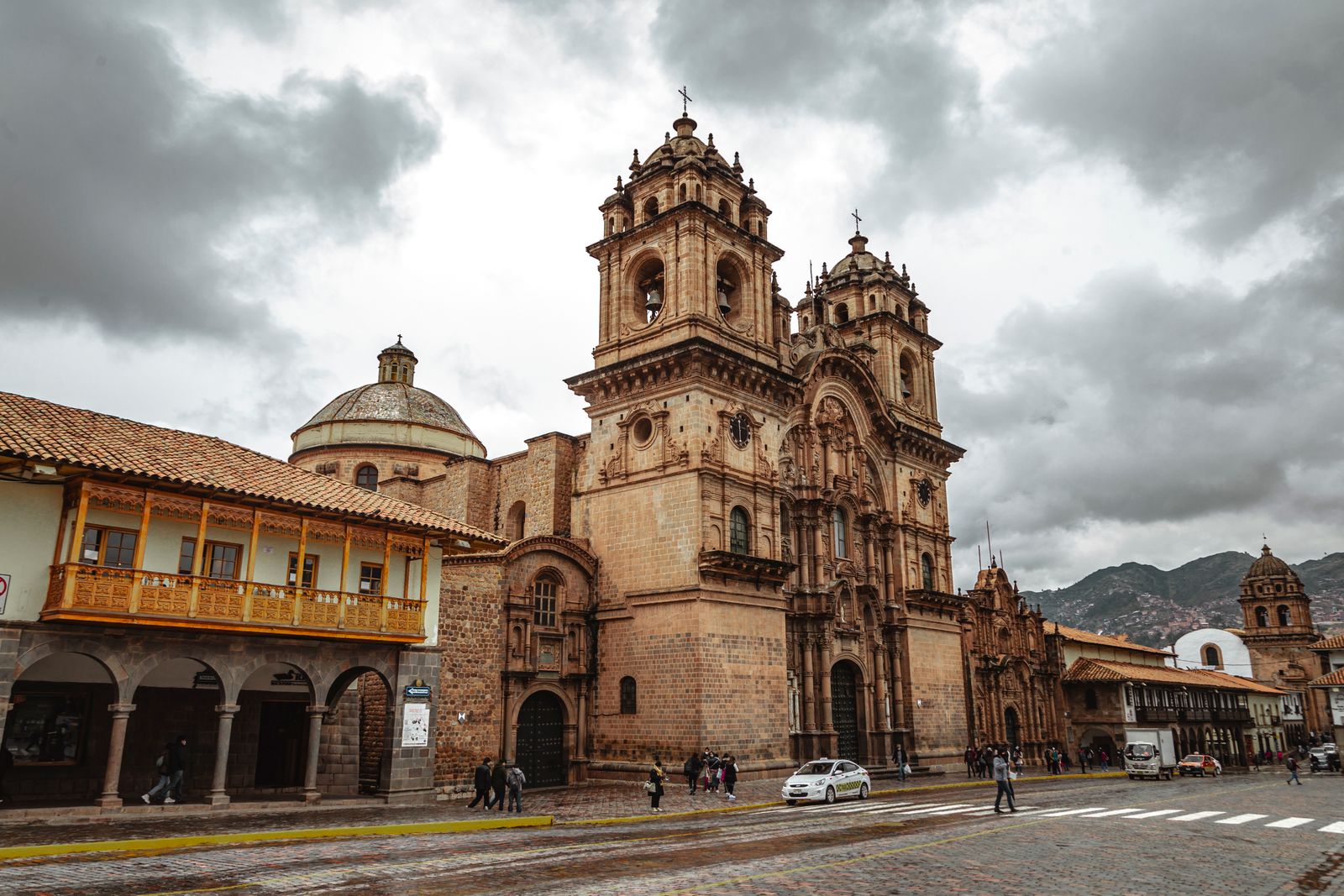
The Cusco Plaza de Armas is the finest colonial square in South America — the Spanish Cathedral (1654; built on the Inca Kiswarkancha palace; the largest church in colonial Peru) and the Compañía de Jesús Jesuit church (1668; the finest baroque façade in Peru) face each other across the plaza. Inca stonework is visible at the base of every colonial building.
Sacsayhuamán at 7am (Boleto Turístico S/130) is best in the first 90 minutes before the tour groups arrive — the 125-tonne rampart stones in the morning light are the finest single example of Inca masonry.
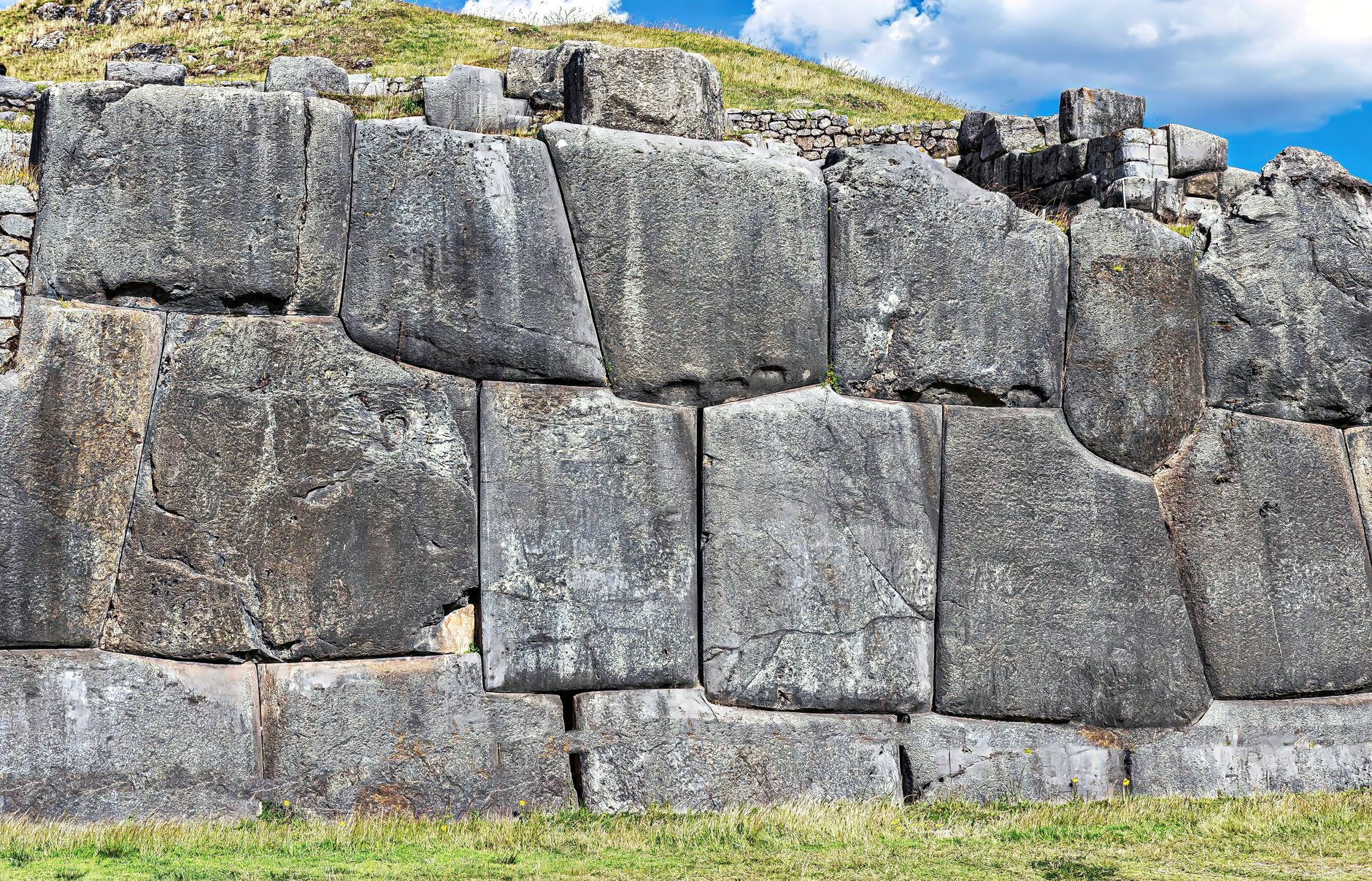
Sacsayhuamán is the finest example of Inca stone construction in the world — three zigzag ramparts of precisely interlocked limestone blocks, the largest weighing 125 tonnes, demonstrating a masonry precision achievable only by centuries of Andean stone-working tradition. The citadel was stormed by Francisco Pizarro’s forces in 1536.
The Cusco Boleto Turístico (S/130; 10-day pass; covers 16 sites; buy at the Ministry of Culture on Avenida Sol) is essential for anyone visiting more than 2 sites outside Machu Picchu.

San Blas is the finest neighbourhood in Cusco — the cobblestone lanes uphill from the Plaza de Armas, the whitewashed colonial houses built on Inca stone foundations, and the artisan workshops producing the finest handwoven Quechua textiles and carved woodwork in Peru. The San Blas Church has the finest baroque woodcarving pulpit in the Americas.
San Blas Church has the finest baroque woodcarving pulpit in the Americas (free entry) — arrive at opening (Mon–Sat 10am; Sun noon) when the light comes through the side windows.
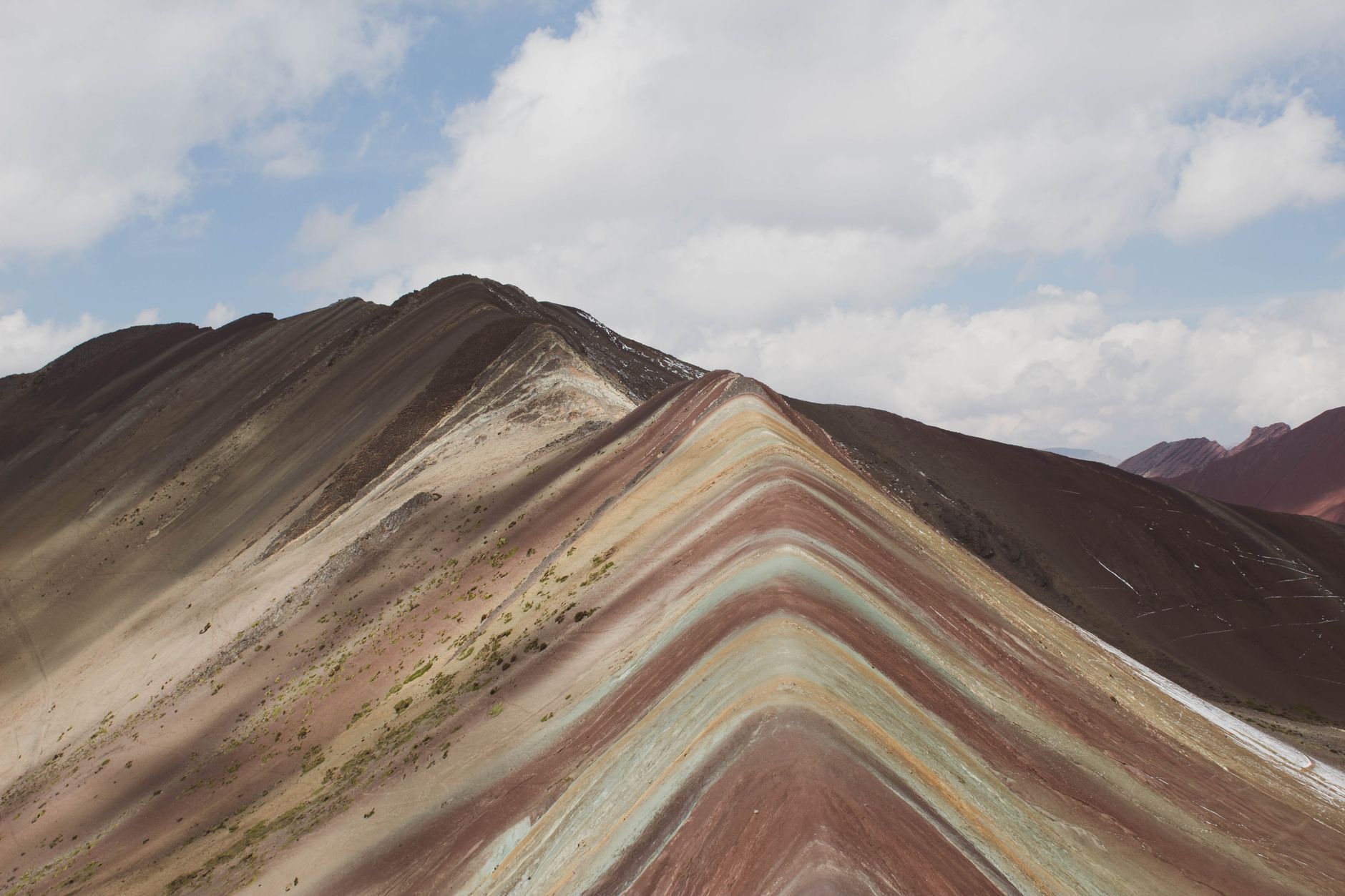
Vinicunca (Rainbow Mountain; 5,200m; 3h drive and 5km hike from Cusco; depart at 4am) is a mountain of layered mineralised clay whose colours (red, orange, yellow, green) were covered by glacier until the ice retreated in the 2010s. The finest single hike accessible from Cusco, though altitude sickness at 5,200m affects most first-time visitors.
Chicha de jora from a San Blas chichería (red flag on a pole; S/2–4 a glass) is the most authentic drink in Cusco — the Andean purple maize beer that predates the Inca Empire.
Cusco has the most distinctive Andean food culture in Peru: the cuy (guinea pig; the roasted whole — the head, the feet, the body; the most ceremonial Andean protein; reserved traditionally for festivals and important guests; PEN 60–120 for a whole roasted cuy at any Cusco restaurant serving the traditional preparation; the texture between rabbit and suckling pig; the most specifically Cusco food), the chicharrón (the deep-fried pork belly; the most common Cusco breakfast; PEN 15–25 from the Mercado San Pedro), the corn and potato varieties (Cusco sits in the centre of the Andean highlands where 3,000 varieties of potato and 55 varieties of corn were domesticated — the purple corn, the giant white corn of the Sacred Valley, the choclo served with the fresh cheese; PEN 5–10 from the market), the chicha de jora (the traditional fermented corn beer; the most ancient Andean beverage; PEN 3–8 at the picanterias — the traditional Cusco eateries with the red plastic bag hung on the door indicating freshly made chicha; the most authentic Cusco drinking experience), and the Mercado San Pedro (the covered market 5 min from the Plaza de Armas; the juice stalls, the cuy stalls, the chicharrón, the empanadas, the highland cheese; the most complete Andean market experience in Cusco; PEN 3–15 for any market item).
The Cusco historic centre is entirely walkable at altitude pace (slower than sea level; the first day especially requires a reduced walking speed and frequent rest stops; the short steep ascent to San Blas at 3,400m takes twice as long as the same ascent at sea level would feel). Taxi (PEN 8–15 for most city journeys; negotiate the price before entering — the standard plaza to airport fare is PEN 25–35; no meters; the taxi to Sacsayhuamán is PEN 10–15). For the Sacred Valley and Ollantaytambo, the shared colectivo taxi from the San Pedro market (PEN 10–15 pp; departs when full; 1h to Pisac, 1.5h to Ollantaytambo) is the most economical approach; the private tour (PEN 60–120 group; PEN 200–400 private car) is more comfortable.
Arrive in Cusco at least 24 hours before any significant activity — the altitude (3,400m) causes headaches, nausea, and breathlessness in most visitors from sea level.
Sacsayhuamán fortress (2km uphill walk or taxi S/6; opens 7am; covered by the Cusco Boleto Turístico S/130) is best in the first 90 minutes before the tour groups arrive.
The Cusco Boleto Turístico (S/130; 10-day multi-site pass; available at the Ministry of Culture office on Avenida Sol) covers 16 sites including Sacsayhuamán, Q’enqo, Pisac, Ollantaytambo, and Chinchero.
The Inca Trail (4 days; 43km; maximum 500 permits/day total; classic route to Machu Picchu via Inti Punku) books out 4–6 months ahead for May–September.
San Blas (the artisan quarter uphill from the Plaza de Armas) has the San Blas Church — the finest baroque woodcarving pulpit in the Americas (free entry).
Chicha de jora (the Andean purple maize beer; fermented in large clay pots; identified by the red flag or plastic bag above the entrance; S/2–4 a glass) is the most authentic drink in Cusco.
May–Oct is the dry season (clear sky; the best photography; cold nights; the Inti Raymi festival on 24 June). Nov–Apr is the wet season (afternoon rains; the Andes green; the orchids; significantly cheaper hotels; Machu Picchu atmospheric if cloudy). Jun–Aug is the absolute peak (book months ahead).
Three days: Day 1 rest and acclimatise; Day 2 Sacsayhuamán and the historic centre; Day 3 Sacred Valley and Ollantaytambo for the train to Machu Picchu.
Arrival day: rest (altitude 3,400m; coca tea; no exertion). Plaza de Armas and Cathedral at noon. San Blas neighbourhood and artisan workshops at 3pm.
The Inca Trail permits book out 4–6 months ahead for May–September — book through an authorised operator at the same time as the Cusco flights.
Sacsayhuamán at 7am (Boleto Turístico; the rampart stones). Q’enqo and Puca Pucará (the smaller Boleto sites uphill). San Blas afternoon (the church pulpit; the textiles).
Altitude sickness (soroche) at Cusco affects approximately 25% of visitors from sea level — the symptoms peak in the first 24 hours and resolve by 48 hours. Diamox (acetazolamide; 250mg twice daily; start 24h before arrival) reduces symptoms significantly.
Sacred Valley day trip: Pisac market (Tue, Thu, Sun; the largest Andean market) and Pisac ruins. Ollantaytambo (the finest Inca military architecture). Depart for the Machu Picchu train from Ollantaytambo in the evening.
Vinicunca Rainbow Mountain departs Cusco at 4am and involves 5km of hiking at 5,000–5,200m — acclimatise for a minimum of 2 nights in Cusco (3,400m) before attempting it.
Cusco is mid-range for Peru. The Boleto Turístico (PEN 130), the Machu Picchu ticket (PEN 152–200), and the train (PEN 300–800) are the main costs. Food and taxis are very affordable. Per person per day.
The menú del día (the set lunch; PEN 12–20; the soup, the second course, the dessert, and the chicha morada or emoliente herbal drink; available at any local restaurant from noon to 3pm; the most economical and most)
The Boleto Turístico full circuit (PEN 130; 16 sites; 10-day validity; Sacsayhuamán, Q’enqo, Puca Pucara, Tambomachay, the Cusco museums, Chinchero, Moray, and the Sacred Valley sites) gives the most complete Cusco.
The Mil restaurant (Virgílio Martínez and Pia León; in the Moray archaeological site in the Sacred Valley; the tasting menu of 14 courses using exclusively Andean highland ingredients collected from the altitude zones)
Detailed offline maps of Cusco, handy for trails and areas with patchy signal.
Free
Cusco restaurant discovery with Plaza de Armas, San Blas, and Andean cuisine filtering.
Free
Maps.me for offline Cusco navigation — the San Blas lanes aren’t well-mapped on Google Maps.
Free
Download the Cusco offline map before arrival — the historic centre’s Inca stone alleys don’t correspond to street addresses.
Free
Quick answers to the questions travellers most often ask before visiting Cusco.
The dry season from May to October (especially June to August) is best for trekking and Machu Picchu, with clear skies. The November-March wet season is greener but rainier. Allow time to acclimatise to the altitude.
Three to four days, including time to acclimatise, to explore the city, the Sacred Valley and the Inca sites — plus the trip to Machu Picchu.
The historic centre is walkable but steep and high (around 3,400m), so take it slowly; taxis are cheap, and trains via Ollantaytambo reach Machu Picchu.
Being the ancient Inca capital and the gateway to Machu Picchu — famed for its colonial-on-Inca architecture, the Sacred Valley, the fortress of Sacsayhuamán, the San Blas quarter, and rich Andean culture at high altitude.
Explore more of Peru’s extraordinary cities and landscapes.
Planning a wider trip? Our Peru travel guide covers getting there, costs, when to go and more.