PE
Puno
Gateway to the World's Highest Lake
Gateway to the World's Highest Lake

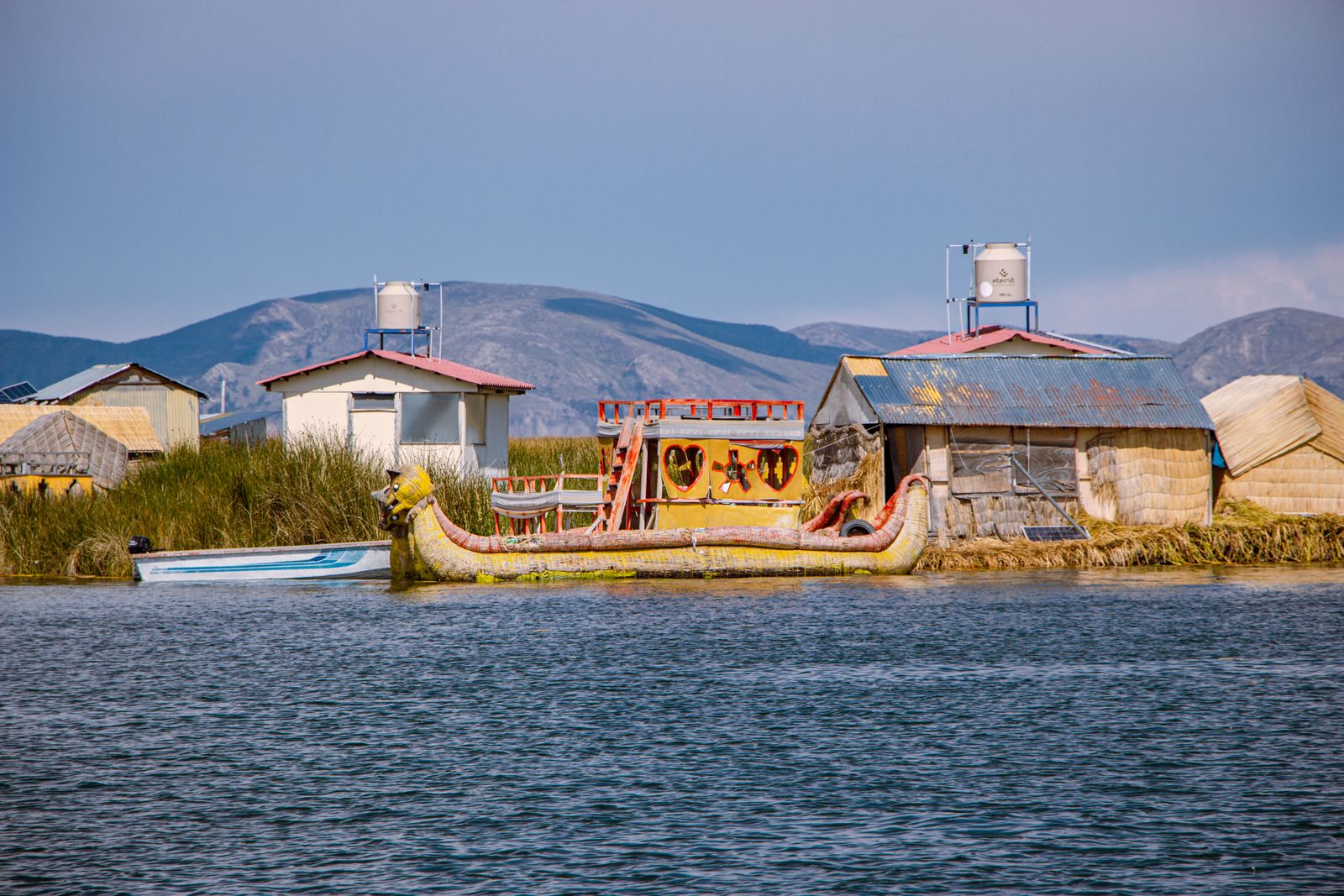
The Uros Floating Islands (70+ islands; 5km offshore from Puno; the totora reed platforms range from 30m to 200m in diameter) were built by the Uros people to float on the lake surface — the islands are anchored by ropes and repositioned periodically. The reed platforms require constant renewal (new totora is added every 3 months; old reed decomposes from the bottom).
💡 The first boat to the Uros Islands (7:30am from Puno port; S/10 boat + S/10 island entry) reaches the islands before the afternoon tour flotilla — the reed islands and the morning light are at their best.
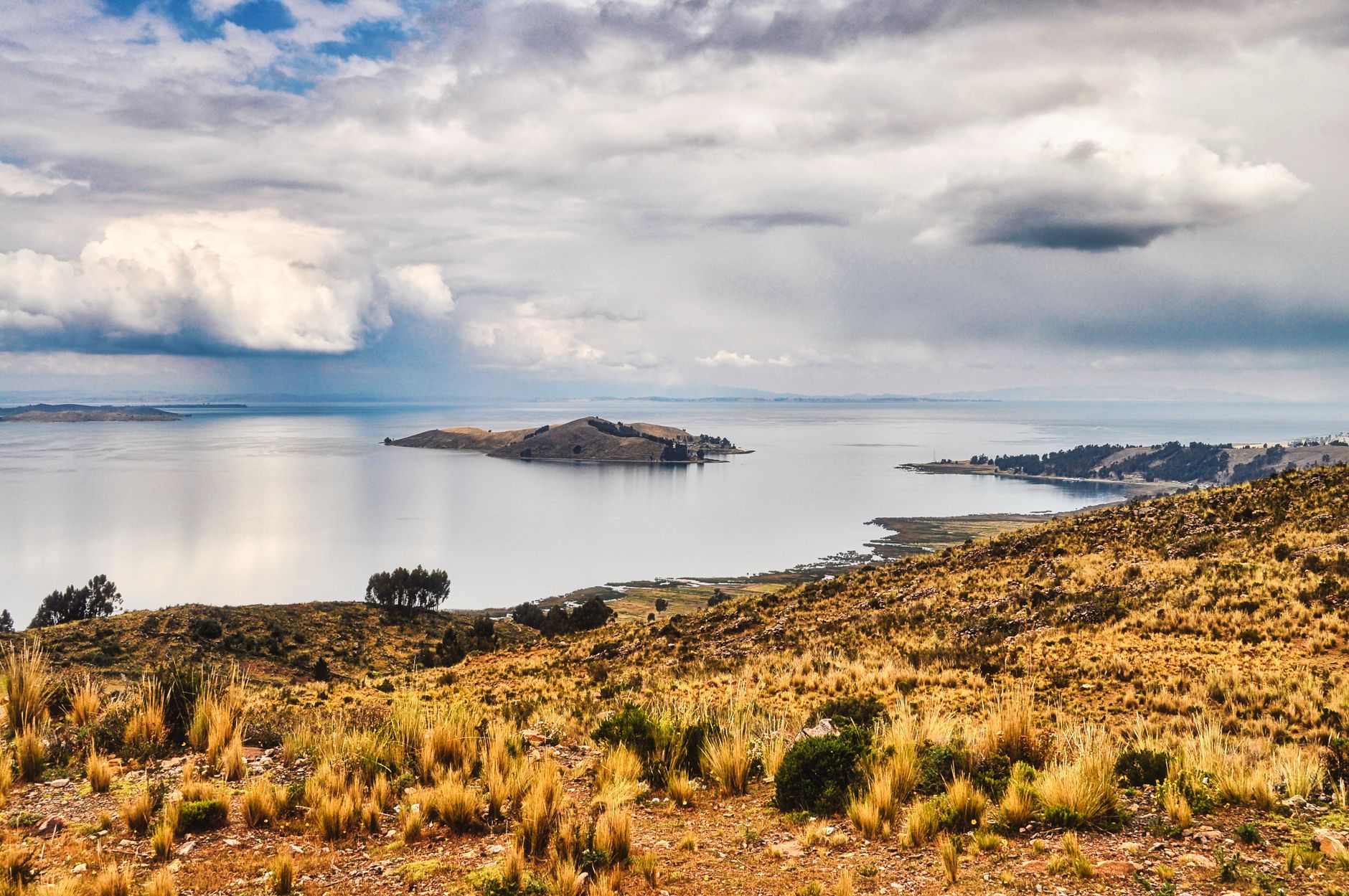
Taquile Island (3h from Puno by boat; a 7km-long island at 3,950m) has the finest traditional Quechua weaving culture in Peru — the men weave the chullo (the finest knitted cap in the world) and the women weave the skirts and shawls in complex patterns coding family and status information. The tradition is listed by UNESCO as an Intangible Cultural Heritage.
💡 Taquile Island Sunday textile market (3h by boat; S/25 + S/10 entry; the men’s UNESCO Intangible Heritage chullos) combined with the S/15 trout and quinoa lunch is the finest island day trip on Lake Titicaca.

Lake Titicaca at sunset (3,812m above sea level; 8,372km²) turns from the deepest blue to gold to purple as the Bolivian Cordillera Real appears above the opposite shore. The Paseo Romántico in Puno and the Uros Islands at dusk are the two finest sunset positions on the Peruvian side of the lake.
💡 The Amantañí Island 2-day homestay (S/120–150 all-inclusive; Puno port operators) includes the evening ceremony, a night with an Aymara family, and the pre-dawn Pachamama summit at 4,120m.

Amantañí Island (4h from Puno; a 9km² island at 3,950m; no cars, no hotels, no electricity beyond solar) has the finest community tourism programme in the Andes — the homestay with a local Aymara family includes the evening traditional dress ceremony, the communal dinner, and the pre-dawn hike to the Pachamama temple at 4,120m.
💡 Sillustani funeral towers at 4pm (S/15; 35km north by taxi S/50–70 return) are best when the afternoon light turns the chullpa stones and the lake surface gold.
Puno food is Andean altiplano cooking: hearty, potato-based, warming against the altitude cold. The sopa de quinua (the quinoa soup; quinoa is native to the Lake Titicaca basin; PEN 8–15 at any Puno restaurant; the most specific Lake Titicaca food), the trucha a la plancha (the grilled Lake Titicaca trout; the freshwater trout introduced to the lake in the 1940s and now the primary protein of the lake economy; PEN 20–40; available at every Puno restaurant), the chullo (the freeze-dried potato; the most ancient Andean food preservation — the potato frozen overnight at altitude and then dried in the sun; the texture different from fresh potato; the most historically significant food in Puno), the emoliente (the warm herbal drink of barley water, flaxseed, aloe vera and lemon; PEN 3–8 from the street carts at 7am; the most warming morning drink at altitude), and the dinner at a Taquile Island community restaurant (the quinoa soup, the trout and the lake view at 4,050m; the most specifically Titicaca meal) cover the Puno food landscape.
The Puno port (15 min walk from the Plaza de Armas along the Av. El Puerto and the Malecon; or PEN 5 tuk-tuk; the departure point for all Lake Titicaca tours) and the city centre are both accessible by the tuk-tuk (the three-wheeled motor-rickshaw; PEN 3–5 for any city journey; the most Puno-specific transport and the cheapest urban vehicle in this Peru guide) or on foot (the entire Puno city centre covers 1 km²; the main sights — the Plaza de Armas, the Malecon, and the port — are all within 20 min walk of each other). For the Bolivia border crossing: the Cruz del Sur bus to Copacabana (PEN 20–40; 2.5h) or the shared colectivo (PEN 15–20; departs when full from the Puno bus terminal).
The first boat to the Uros Floating Islands (departs Puno port at 7:30am; S/10 boat + S/10 island entry) reaches the islands before the afternoon tour flotilla &mdash.
Taquile Island’s Sunday textile market (the finest Quechua weaving market in Peru; UNESCO Intangible Heritage; S/25 boat + S/10 entry; 3h from Puno) is combined with a Taquile lunch (trout from the lake; quinoa soup; S/15) &mdash.
The Amantañí Island 2-day homestay (S/120–150 all-inclusive; arranged through any Puno agency) puts you with a local Aymara family for one night &mdash.
The Puno waterfront sunset over Lake Titicaca (free; the Paseo Romántico promenade; 10 min walk from the Plaza de Armas) is the finest free experience in the city &mdash.
The Sillustani funeral towers (chullpas; S/15; 35km north by taxi S/50–70 return; the finest pre-Inca funerary architecture on the altiplano; built by the Colla people before the Inca conquest) are best at 4pm when the afternoon light turns the stone towers and the lake gold.
Puno at 3,830m is the highest major city in Peru — 430m higher than Cusco. Rest, coca tea, and no exertion on the first day.
Apr–Nov is the dry season (clear lake; cold nights; best photography). Dec–Mar is the rainy season (afternoon showers; the altiplano green). February brings the spectacular Carnaval de la Candelaria festival (2 weeks of costumed dancing; the most spectacular Andean festival).
Two days: the Uros Floating Islands at 7:30am, Taquile Island lunch at the summit, overnight on Amantani, and the Pachatata sunrise ceremony.
Puno port at 7:30am: Uros Floating Islands (the reed islands; the reed boats). Taquile Island lunch (trout; quinoa soup; S/15). Return to Puno port by 5pm. Sunset from the Paseo Romántico.
💡 Puno’s altitude (3,830m) is the highest overnight stop in the Peru circuit — spend 2 nights in Cusco (3,400m) before taking the overnight train to Puno for 48h of progressive acclimatisation.
Amantañí Island 2-day homestay: boat from Puno at 7:30am, Uros stop, Amantañí arrival by noon, homestay family, traditional dress ceremony, dinner. Pre-dawn hike to Pachamama temple (4,120m) for sunrise. Return to Puno by 3pm day 2.
💡 The Cusco–Puno overnight train (PeruRail Andean Explorer; 10h; departs Cusco 8am; arrives Puno 6pm; S/300–600 depending on class) is the finest train journey in South America — the route crosses the altiplano at 4,315m.
Puno is the most affordable destination in this Peru guide. The 2-day Lake Titicaca tour (PEN 80–150 all-inclusive) is the most significant cost. The tuk-tuk (PEN 3–5), the trout dinner (PEN 25–40), and the quinoa soup (PEN 8–15) keep the daily costs very low. Per person per day.
The 2-day Lake Titicaca tour with the Amantani overnight homestay (PEN 80–150 pp all-inclusive: the boat, the Uros, the Taquile lunch, the Amantani family home, the traditional dinner, the sunrise, and the return boat) is the single.
The Uros Khantati floating lodge (sleeping on the actual reed island platform; USD 80–200 pp full board; the reed platform visible below the traditional reed cabin; the lake water around the entire structure; the sunrise on the lake)
The Titilaka Lodge (the all-inclusive lake lodge on the Chucuito peninsula south of Puno)
Google Translate with Spanish and Aymara offline — essential for communicating with host families on Amantañí Island.
Free
LATAM and Sky Airline for Lima–Juliaca (Puno) flights — the 2h flight is far preferable to the 20h bus.
Free
PeruRail booking for the Cusco–Puno Andean Explorer and the Puno–Aguas Calientes routes.
Free
Puno tour operator and boat tour booking for the Uros–Taquile circuit and Amantañí homestay.
Free
iNaturalist for Lake Titicaca endemic species — the giant reed frog and the Titicaca grebe are found nowhere else.
Free
Download the Lake Titicaca offline map before arrival — the island boat routes have no mobile signal on the lake.
Free
Explore more of Peru’s extraordinary cities and landscapes.