ES
Granada
The Alhambra and the Last Moorish Kingdom
The Alhambra and the Last Moorish Kingdom

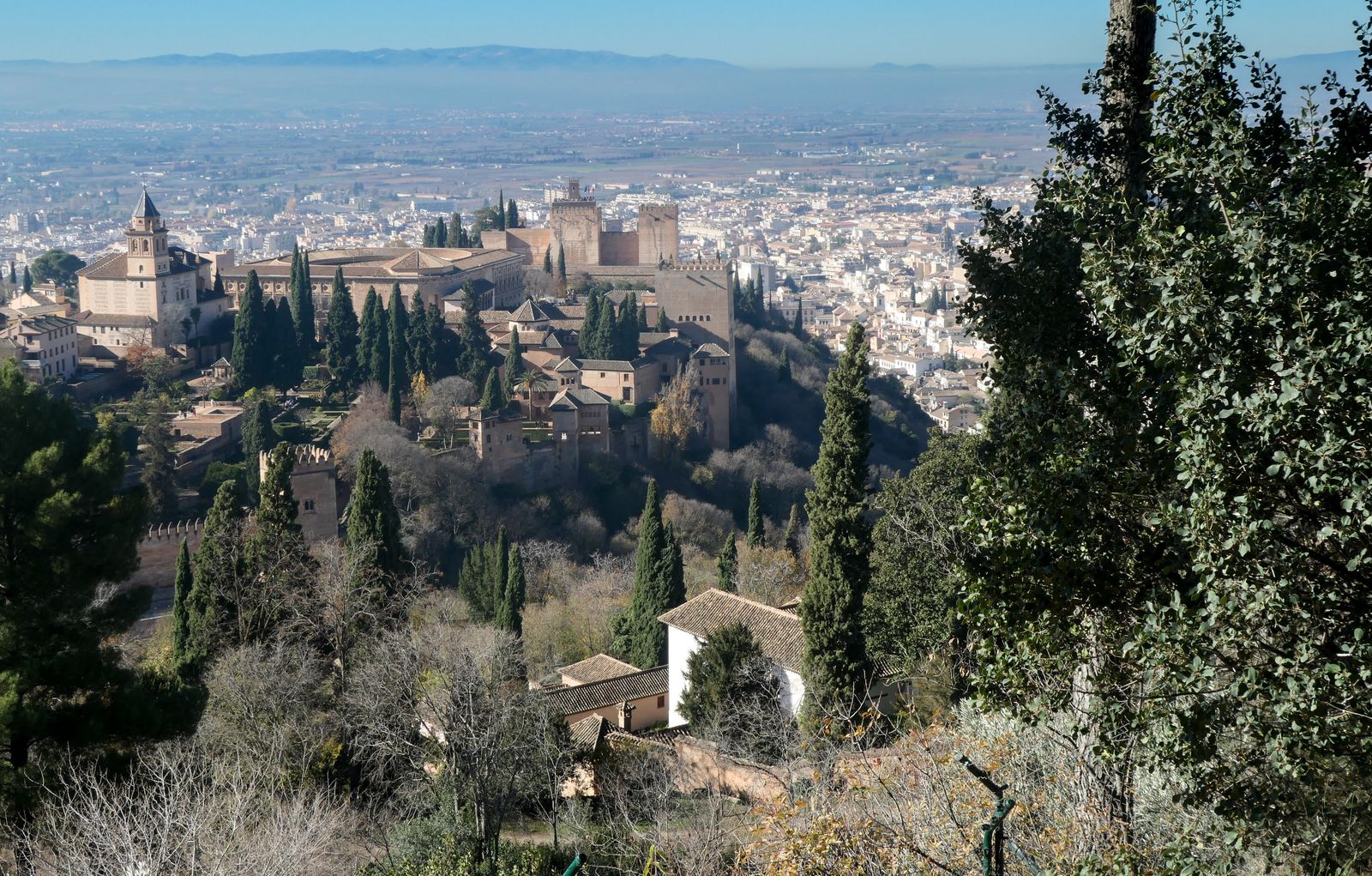
The Alhambra (alhambra-patronato.es; €19 for Nasrid Palaces + Alcazaba + Generalife; €14 for Generalife gardens only; morning session 8:30am–2pm is the standard visit; 1km uphill walk from the city centre or Bus 30 from Gran Vía) is the finest Moorish palace complex in existence — a 13th–14th century Nasrid dynasty complex of interlocking palace rooms built around water channels, geometric tilework, muqarnas honeycomb ceilings, and arabesques of extraordinary mathematical and aesthetic complexity. The Nasrid Palaces (specifically the Comares Hall and the Court of the Lions) are the finest rooms in Spain.
Book Alhambra tickets weeks ahead for spring and summer; months ahead for April and June when they sell out 60+ days in advance. The morning session (8:30am–2pm) allocates timed entry to the Nasrid Palaces; arrive at least 10 minutes before your allocated time. Spend 2–3h in the palace complex (Nasrid Palaces 1.5h; Alcazaba fortress 30 mins; Generalife gardens 45 mins).
Photo: Mgimelfarb, CC BY-SA 4.0

The Albaicín (the UNESCO-listed medieval Moorish quarter north of the Darro River; free to explore; 30-minute uphill walk from Plaza Nueva or Bus C1 from Calle Alhambra) is a dense network of white-washed houses, narrow carmens (walled villa-gardens), Moorish fountains, and neighbourhood mosques built during the Nasrid period (13th–15th centuries). The Mirador de San Nicolás (a viewpoint at the highest point of the Albaicín) provides the most photographed view in Andalusia: the Alhambra palace complex against the Sierra Nevada snow-capped peaks beyond.
Visit the Albaicín at 7am (before tour groups; the light on the Alhambra from the Mirador de San Nicolás is extraordinary at dawn; very few other visitors). Walk up through the white-washed lanes from Plaza Nueva (30 mins; steep). The neighbourhood is most alive between 5pm and 9pm when locals return from work.
Photo: CEphoto, Uwe Aranas, CC BY-SA 3.0
Sacromonte (the hillside gypsy cave neighbourhood east of the Albaicín; Bus C2 from Calle Alhambra or 20-minute walk from Plaza Nueva) has genuine flamenco performances in cave tablaos — small underground venues cut into the hillside where the art form has been performed continuously for 200+ years. La Cueva de la Rocio (Camino del Sacromonte 70; €20–30 per person; includes one drink; performances nightly 9pm and 10:30pm) and Zambra María la Canastera are the most authentic venues.
Book a Sacromonte cave flamenco performance for the late show (10:30pm; the artists are at their best for the second performance of the evening). Arrive 15 minutes early — the cave interiors seat 20–40 people and the experience is intimate. The walk from Plaza Nueva up to Sacromonte (20 mins; slightly uphill through the Albaicín edge) is itself atmospheric at night.

The Capilla Real (Royal Chapel; €5; Mon–Sat 10am–6:30pm; 5 minutes from the Alhambra ticket office in the city centre) is the mausoleum of Ferdinand and Isabella — the monarchs who commissioned Columbus, completed the Reconquista, and expelled the Moors from Granada in 1492. Their lead coffins are in the crypt below ornate marble effigies and above the royal treasury (Isabella’s personal crown, sceptre, and Fernando’s sword are on display). The adjacent Granada Cathedral (free; the largest Renaissance cathedral in Spain) frames the entire complex.
Visit the Capilla Real in the morning for the finest light through the Renaissance chapel windows. The royal treasury room (Isabella’s crown is here: the original gold and gemstone crown she wore at the fall of Granada; displayed in a cabinet in a small room off the sacristy) is the single most significant object in the complex.
Photo: Jebulon, CC0
Granada is Spain’s finest food city for value — free tapas (a small plate of food included automatically with every drink) is still the norm at traditional bars. The finest tapas crawl starts at Bodegas Castañeda (Almireceros 1; sherry from €2–3; free tapa of jamón or queso; standing room only from 1pm). Bar Avila (Calle Verónica de la Magdalena; the local neighbourhood bar furthest from the tourist zone; free tapas; €3 per drink; the finest) and Taberna La Tana (Placeta del Agua; Albaicín; natural wine from €3; the most serious wine list in the neighbourhood) are the standout options. Teh Café (next to the Capilla Real; the finest tea house in Spain modelled on a Moroccan riad; mint tea and baklava for €4) is the most distinctive Granada-specific afternoon stop. For dinner: El Trío (Calle San Matías; contemporary Andalusian; €18–28; the finest modern food in the city).
8:15am: Bus 30 from Gran Vía to Alhambra (or walk 20 mins uphill). Alhambra entry at allocated time (€19; Nasrid Palaces 1.5h; Alcazaba 30 mins; Generalife gardens 45 mins; allow 3h total). Return to city for lunch (free tapas with a beer at Bar Avila; €3). Afternoon rest (Granada is hottest 2–5pm). 5pm: walk up to Albaicín (30 mins; Bus C1 from Alhambra). Mirador de San Nicolás at sunset (6–7pm; panoramic Alhambra + Sierra Nevada view). Dinner in Albaicín (traditional riad restaurant; €15–20). 10:30pm: Sacromonte cave flamenco (€25; book ahead; 1h).
6:30am: taxi to Mirador de San Nicolás (€4) for dawn. Walk back down through the Albaicín lanes (45 mins; photograph the waking neighbourhood; carmens, cats, fountains). Breakfast at a Plaza Nueva cafe (€4–6). Capilla Real (€5; 1h; the royal coffins and Isabella’s crown). Granada Cathedral (free; 20 mins). Alcaicería (the old Moorish silk market; now crafts and spices). Lunch: free tapas crawl on Calle Elvira (4–5 bars; 2 drinks each; €3/drink; full lunch at €12–15 total). Afternoon: shopping the Alcaicería for leather goods and Moorish-design ceramics. Evening train or bus to Seville (3h) or fly from Granada Airport.
🛂 Entry rules: EES and ETIAS
Spain is in the Schengen area, which has two EU border systems for non-EU visitors.
EES (in force): since 10 April 2026 the EU’s Entry/Exit System registers non-EU visitors’ passport details, fingerprints and a photo the first time they enter the Schengen area, replacing passport stamps. Allow extra time at the border on your first trip; later crossings are quicker. EU, EEA and Swiss citizens are not registered.
ETIAS (not yet running): a €20 online travel authorisation for visitors who don’t need a visa, such as UK, US, Canadian and Australian citizens. It hasn’t started and no start date has been confirmed, so nobody can apply yet; ignore websites that offer to “pre-register” you for a fee.
Visa-free visitors can stay up to 90 days in any 180-day period across the whole Schengen area, not per country.
Official information: EU: Travel to Europe (EES & ETIAS) · Reviewed September 2026
Alhambra tickets (alhambra-patronato.es; €19 for the full Nasrid Palace visit; timed entry slots) sell out 60+ days ahead in spring (April–May) and summer (June–September).
In Granada (unlike Madrid, Barcelona, or Seville), ordering a beer or glass of wine at any traditional bar includes a free tapa: a small plate of food brought automatically.
The Albaicín neighbourhood at 7am has the Mirador de San Nicolás empty (usually packed with tourists from 9am), the dawn light on the Alhambra making it glow orange-pink, and the neighbourhood dogs and cats as the only company.
The Sierra Nevada (35km east of Granada; bus from Palacio de Congresos bus stop from €5 return; ski season December–April; day ski pass €36–48) is the highest ski resort in Western Europe (peak: Mulhacén at 3,479m) and visible from the Alhambra grounds.
Granada’s Sacromonte cave tablaos are not staged tourist performances in the sense of most Spanish flamenco shows.
The finest Granadan tapas are at bars away from the tourist triangle: Bodegas Castañeda (Calle Almireceros) serves free tapas with every drink. Granada is the last major Spanish city where drinks automatically come with free food.
Download Granada offline. The Albaicín lanes are a maze; offline GPS is essential for navigating to the Mirador and back.
Free
Ride-hailing available in Granada. Useful for the 6:30am Mirador taxi and late-night returns from Sacromonte.
Free
Best multi-currency EUR card. Carry €30 cash for tapas bars and the Capilla Real.
Free
Download the Spanish offline pack and use camera mode for menus and signs.
Free
Quick answers to the questions travellers most often ask before visiting Granada.
Spring (April-June) and autumn (September-October) offer the most pleasant weather. Summers are very hot, and winters can be cold, with snow on the nearby Sierra Nevada.
Two to three days for the Alhambra and Generalife, the Moorish Albaicín quarter, the Sacromonte caves, the cathedral and the city’s famous free-tapas scene.
The centre is walkable, though the Albaicín is steep; small minibuses and taxis help with the hills. No car needed — and book Alhambra tickets well in advance.
The magnificent Alhambra palace and Generalife gardens, the whitewashed Moorish Albaicín quarter, the flamenco caves of Sacromonte, its beloved tradition of free tapas with a drink, and views to the snow-capped Sierra Nevada.
Explore Spain’s most remarkable cities.
Planning a wider trip? Our Spain travel guide covers getting there, costs, when to go and more.