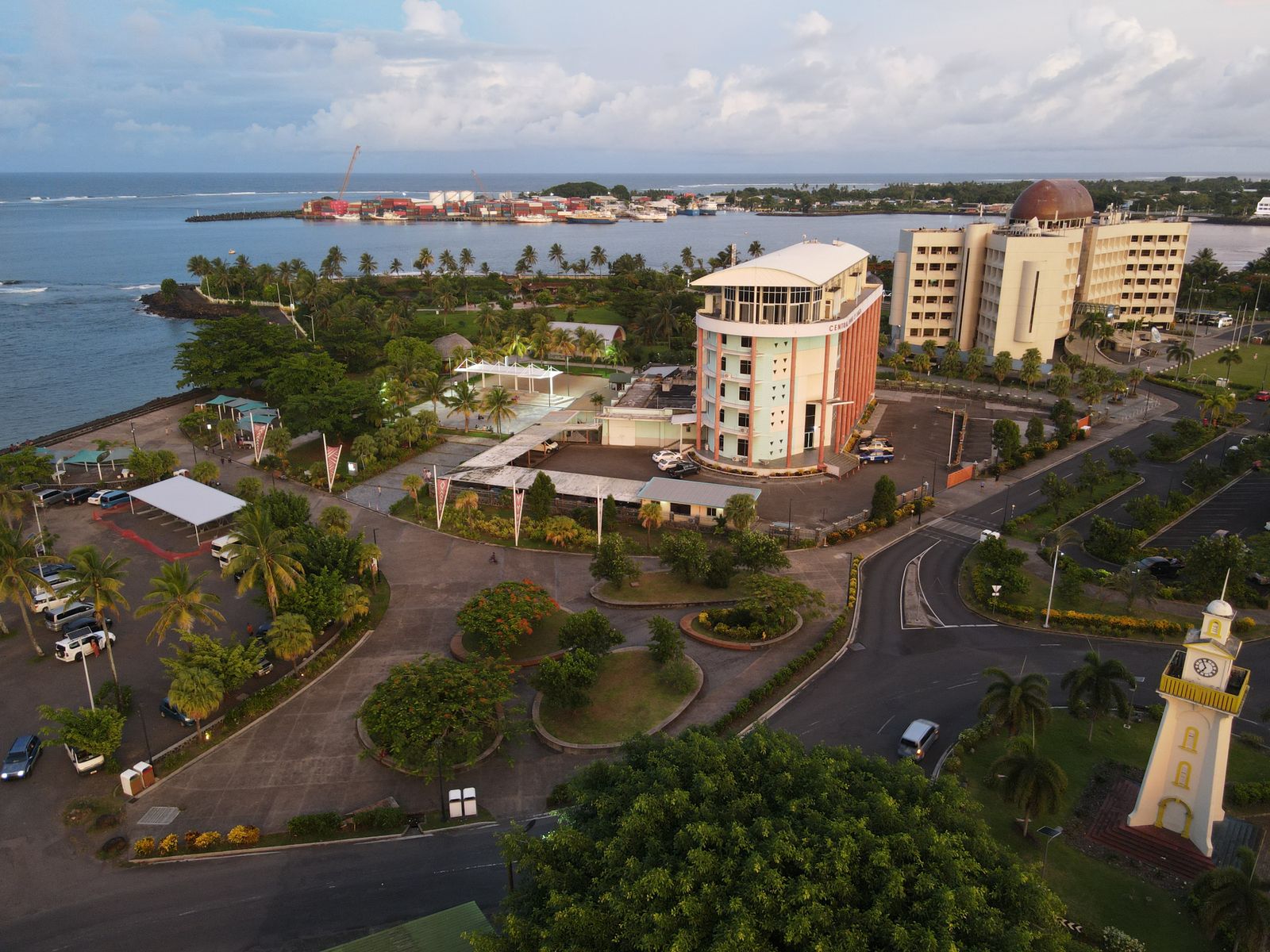
WS
Apia
Samoa's easygoing harbour capital of markets and legends
Samoa's easygoing harbour capital of markets and legends
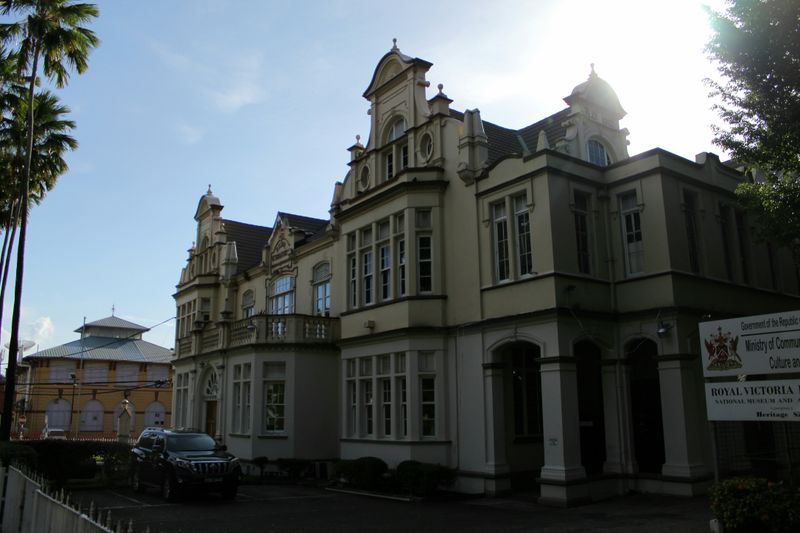
The lovingly restored villa of the Treasure Island author, who spent his last years here and is buried on the hill above, offers a window into colonial Samoa and a rewarding hike to his tomb.
Hike the Mount Vaea trail to Stevenson’s tomb for harbour views.
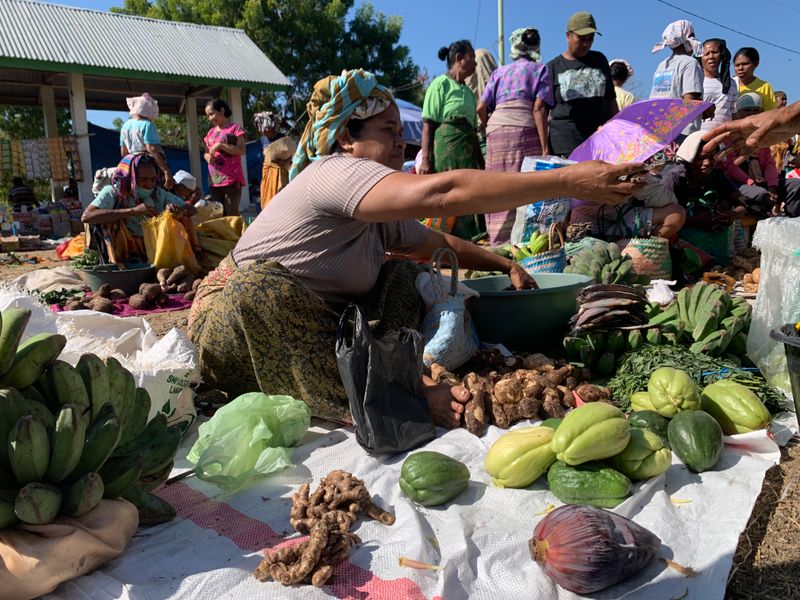
Apia’s sprawling main market throbs with life day and night, piled high with taro, coconuts, tropical fruit, handicrafts and cooked island food, the best place to feel the city’s pulse.
Try local dishes like palusami and oka raw fish here.
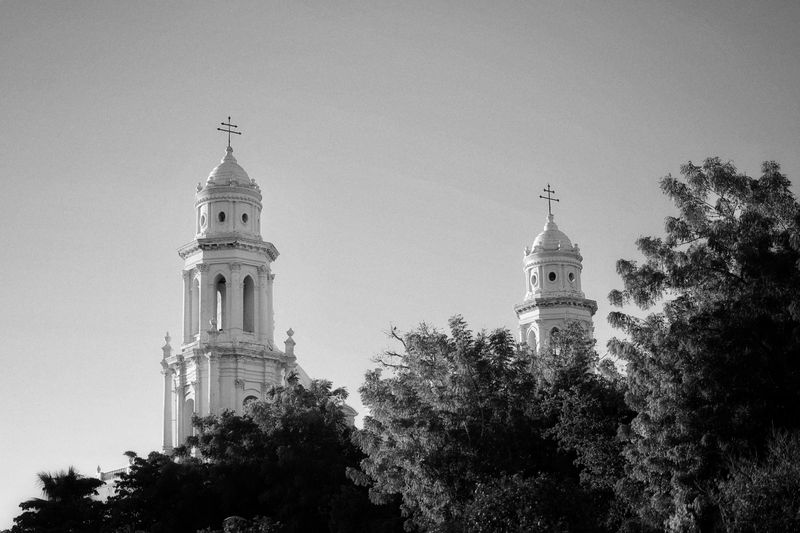
The gleaming white waterfront cathedral is Apia’s landmark, its twin towers rising over the harbour and packed with singing worshippers in white on Sundays.
Attend a Sunday service to hear the extraordinary choral singing.
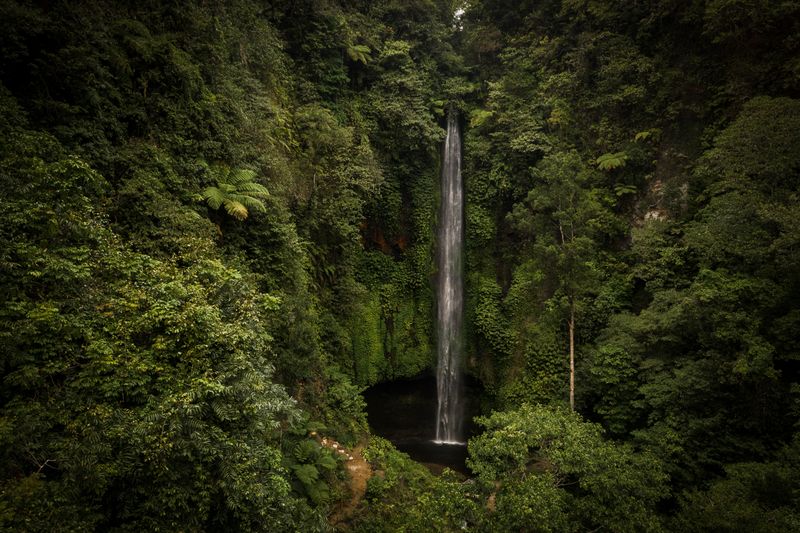
A short drive inland, this dramatic 100-metre waterfall plunges into a jungle gorge, viewed from a roadside lookout amid Upolu’s lush volcanic interior.
Best after rain when the falls are in full flow.
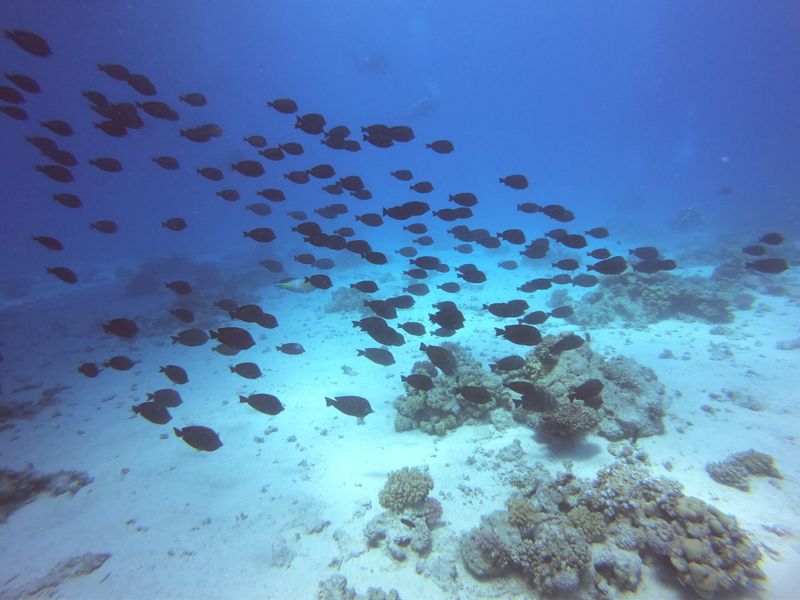
A marine reserve right in town where a short swim from the beach brings you to a coral drop-off teeming with fish, an easy snorkel without leaving the capital.
Go at high tide for the easiest access to the deep.
Samoan food is built on taro, breadfruit, bananas, coconut and fresh fish. Try oka (raw fish cured in lime and coconut cream), palusami (young taro leaves baked in coconut cream), sapasui (the Samoan take on chop suey), and pork, chicken or fish from the umu, the traditional earth oven. Koko Samoa, a rich drink made from local cocoa, is worth seeking out.
In Apia, the Maketi Fou market has cheap cooked-food stalls and piles of fruit, and the fish market near the harbour sells the morning catch. Cafes, Chinese restaurants and seafront bars line Beach Road, and Vailima is the local beer. Sunday is a day of church and family umu feasts, so many restaurants close; plan meals ahead or eat at your hotel.
Faleolo International Airport is about 35 km west of Apia, roughly 45 minutes to an hour by road, with flights from Auckland, Sydney, Brisbane, Fiji and elsewhere. Airport shuttles and taxis meet flights; agree taxi fares first. Samoa drives on the left. Around Upolu, colourful local buses leave from Apia’s markets and are very cheap but run on flexible timetables and rarely on Sundays. Hiring a car is the easiest way to reach the waterfalls, To Sua and the south coast; a temporary local licence is needed.
Samoa is moderately priced for the Pacific; beach fales keep costs down. Estimates are per person per day in USD.
Two days covers Apia’s markets and history, plus a waterfall and a reef swim close to town.
Explore the Maketi Fou market and the harbourfront Immaculate Conception Cathedral, then visit the Robert Louis Stevenson Museum at Vailima and hike up Mount Vaea to his hilltop tomb.
Hike to the tomb in the cool early morning.
Drive inland along the Cross Island Road to Papapapaitai Falls, then snorkel the Palolo Deep marine reserve and enjoy a seafront dinner back in town.
Snorkel at high tide for the best visibility at Palolo Deep.
Sunday is sacred in Samoa; most shops close and villages rest, so plan food and activities around it.
Cover shoulders and knees in villages and churches; a lavalava wrap is handy and respectful.
Cards work in hotels and bigger shops, but you need Samoan tala for markets, buses and villages.
May to October is drier and cooler; the wet season brings heavy tropical downpours.
Quick answers for visiting Apia, Samoa's capital.
May to October, the dry season, has less rain and lower humidity. November to April is wetter and brings a cyclone risk.
Visit the Robert Louis Stevenson Museum at Vailima, the Maketi Fou market, the cathedral, Papapapaitai Falls and snorkelling at Palolo Deep.
Two days covers the town, then head out to Upolu's beaches and on to Savai'i.
Sunday is a day of church and rest. Many shops close, so plan ahead and join a traditional to'ona'i lunch if invited.
Download the Apia area for offline navigation, walking directions and public transport routes.
Free
Harbour-capital Apia, the To Sua Ocean Trench, the beaches of Lalomanu, wild Savai’i and car-free Manono — five sides of Samoa.
Planning a wider trip? Our Samoa travel guide covers getting there, costs, when to go and more.