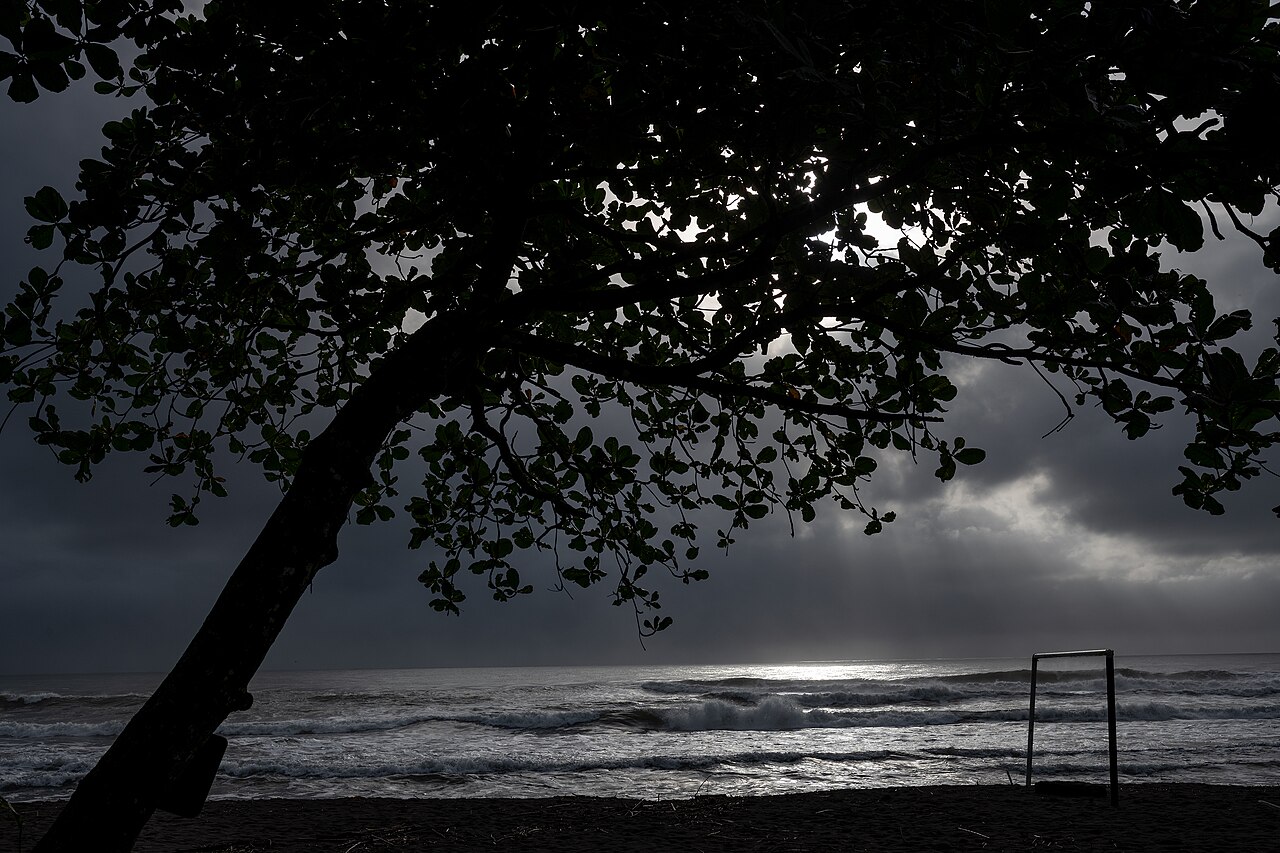
Sea Turtle Nesting Canals of the Caribbean

The Tortuguero sea turtle nesting experience (July–October peak; the licensed guided night tour USD 25; maximum 8 visitors per group per beach section; the green sea turtle — 150–180kg; emerging from the Caribbean surf at 9pm; the 2-hour nesting process (the crawl up the beach; the body-pit excavation; the egg-laying — 80–120 eggs; the covering; the crawl back to the sea); the licensed guides use red-light torches only — red light does not disorient the turtles; the most extraordinary wildlife night experience in Central America) requires: a pre-booked guided tour through any Tortuguero lodge or the park ranger station (walk-in tours not available during nesting season; all viewing is managed through licensed guides; the guides radio each other to locate an actively nesting turtle before bringing groups).
💡 Arrive in Tortuguero in the afternoon (the boat from Sarápiqui or Limón arrives 11am–2pm; check into lodge; the afternoon for the canal wildlife boat tour; the turtle night tour begins at 9pm). Book the night tour at your lodge reception or at the Tortuguero National Park visitor centre (the CCC — Caribbean Conservation Corporation — office in the village; USD 25 per person; maximum 8 per group; the guide takes you to an actively nesting turtle within 30 minutes of beach patrol start). Do not bring flash photography (strictly prohibited; the guides carry red-light torches only).

The Tortuguero canal system (the network of natural and man-made canals running parallel to the Caribbean coast; the primary wildlife observation environment at Tortuguero; accessible only by boat; the daily morning wildlife boat tour from any Tortuguero lodge (5:30am departure; USD 25–40 per person; 2h; the narrow canals through the primary rainforest; the caiman (American crocodilian — visible floating at the water surface 1–3m from the boat); the river otter (the neotropical river otter; the rarest Tortuguero mammal; seen on 30% of morning canal tours); the 3-toed sloth hanging in the cecropia trees above the water; the Jesus Christ basilisk lizard walking on the water surface across the canal; the montezuma oropendola weaving its 1m hanging nest from the palm; the great green macaw above the canal) is the finest single wildlife boat experience in Central America.
💡 The morning canal tour (5:30am departure; the dawn chorus beginning at the canal’s edge; the caiman most active at dawn; the sloth most visible in the early morning before they ascend higher into the canopy; the birds at their most active and vocal — the 320 species of Tortuguero all calling simultaneously; 2h; the finest 2h of wildlife viewing accessible from the village) is the essential Tortuguero experience. Request a specialist bird guide (the certified birding guides at the CCC office; USD 45 additional; the great green macaw is the most sought-after Tortuguero bird and requires a guide who knows its current territory).

The green turtle hatchling emergence (October–November; 60 days after nesting; the hatchlings emerging from the nest at night; 80–120 baby turtles the size of a credit card scrambling toward the moonlight on the ocean horizon; the race to the sea (the hatchlings are vulnerable to black vultures and frigatebirds during daylight emergence; the night emergence is the evolutionary adaptation); the moment the first wave takes the last hatchling — the most emotionally moving wildlife moment in Costa Rica and among the most powerful in the Americas) is the finest optional season extension for the Tortuguero visit.
💡 Book a Tortuguero stay in October–November for the hatchling season (the nesting season (July–October) plus the hatching season (September–November) overlap; October is the finest month for both; the nesting females and the hatchling emergence often on the same beach the same night; the lodge manager will notify guests when a hatchling nest is due to emerge). The hatchling emergence is not guaranteed (the timing is not precisely predictable) but October has the highest probability.

Cerro Tortuguero (the 119m hill visible above Tortuguero village; the highest point in the region; a 2km return trail from the village; the finest vantage point over the Tortuguero canal system, the Caribbean Sea, and the rainforest canopy; the howler monkey troop at the summit trees; the blue morpho butterfly on the trail; the trail is muddy year-round and requires waterproof shoes; the summit view of the canal–sea–forest trifecta is the finest single landscape photograph in Tortuguero; 1.5h return) is the only land-based hiking available at Tortuguero (all other exploration is by boat).
💡 Walk Cerro Tortuguero in the early morning (6:30am; the summit before the cloud arrives at 10am; the best light on the canal; the Caribbean silver in the early sun; the howler monkeys at the summit; the blue morpho butterflies in the forest; return to village by 8am for the 9am canal boat tour). The trailhead is at the north end of the village main street; the trail is self-guided; no entry fee.
Tortuguero’s food scene is small and lodge-based. The lodge all-inclusive packages (most Tortuguero lodges offer full-board; all meals included in the lodge rate; the typical lodge breakfast is eggs, gallo pinto, and fresh fruit; the lunch is a casado; the dinner is a more elaborate buffet) are the standard eating arrangement. The village restaurants on the main street (Miss Junias — the most beloved; the Caribbean-style rice and beans cooked in coconut milk; the fried fish; USD 8–15; the most authentic Costa Rican Caribbean food experience in Tortuguero) and the village pulperías (the small general stores; cold Imperial beer and snacks) are the village eating options. The Caribbean rice and beans (cooked in coconut milk and Panam’a spice; served with salsa caribeña — the tomato-based Caribbean salsa; fundamentally different from the Pacific side’s gallo pinto — the most important regional food distinction in Costa Rica) is the essential food experience at Tortuguero.
The turtle night tour (USD 25; max 8 per group; licensed guides only; book at your lodge on arrival) watches green sea turtles nesting (July–October peak). Tours fill 2–3 nights ahead in high season.
The most common route: bus from San José to Caño Blanco (3h; USD 8), then boat (2h; USD 10) through the canals. No road reaches Tortuguero — the boat journey is half the experience.
The 5:30am canal tour (book through your lodge; all guesthouses offer it) has river otters, kingfishers, caiman, and roosting toucans visible only in the first hour of light.
Tortuguero (5,000mm annual rainfall; 100% humidity) has the highest mosquito pressure in Costa Rica. DEET 30%+ is non-negotiable — apply before any canal tour or forest walk.
Tortuguero is Costa Rica’s wettest destination. Waterproof bags, quick-dry clothing, and rubber-soled shoes are essential. Everything gets damp — pack accordingly and accept the conditions.
The great green macaw (endangered; 90cm wingspan) is most reliably seen in Tortuguero’s canals January–April when almond trees are fruiting. Dawn canal tours give the highest encounter rate.
Morning boat arrival from Sarápiqui (2h; USD 30). Check into lodge. Afternoon rest. 3pm: village walk (the main street; the Caribbean rice and beans at Miss Junias USD 10; the CCC office turtle research display; free). 4pm: Cerro Tortuguero hike (1.5h; the summit canal view). 6pm: dinner at lodge. 9pm: turtle night tour (USD 25; the guide radio contact; 2h on the beach; the nesting female; July–October).
5:30am: morning canal boat tour (USD 30; the caiman at dawn; the sloth; the otter if lucky; 2h; return 7:30am). Lodge breakfast (gallo pinto; eggs; fruit). 9:30am: village souvenir shopping (the CCC turtle merchandise; the best turtle-conservation souvenir in Central America). 10am: boat return to Sarápiqui (2h; the final canal wildlife through the rainforest). Bus San José or onward.
Download Tortuguero bird checklist (320+ species). The great green macaw, the snowy egret, and the neotropical river otter (audio alert) are the most sought-after encounters.
Free
Download the Caribbean Costa Rica wildlife guide. Identify the caiman species (American crocodilian), the river otter, the poison dart frogs, and the 4 sea turtle species.
Free
Download Tortuguero offline. Google Maps does not map the canal system; Maps.me has the canal network, the village streets, and the Cerro Tortuguero trail mapped.
Free
Carry CRC cash for the village restaurants and boat transfers. The lodges accept USD cash and cards. The village ATM is unreliable; bring sufficient cash from San José.
Free
Arenal volcano and hot springs, Monteverde cloud forest canopy walks, Manuel Antonio’s monkeys and beaches, Tortuguero’s sea turtle canals, and the Caribbean coast of Puerto Viejo.