EE
Tallinn
A fairy-tale medieval old town of towers and ramparts, in one of Europe’s most digital capitals
A fairy-tale medieval old town of towers and ramparts, in one of Europe’s most digital capitals

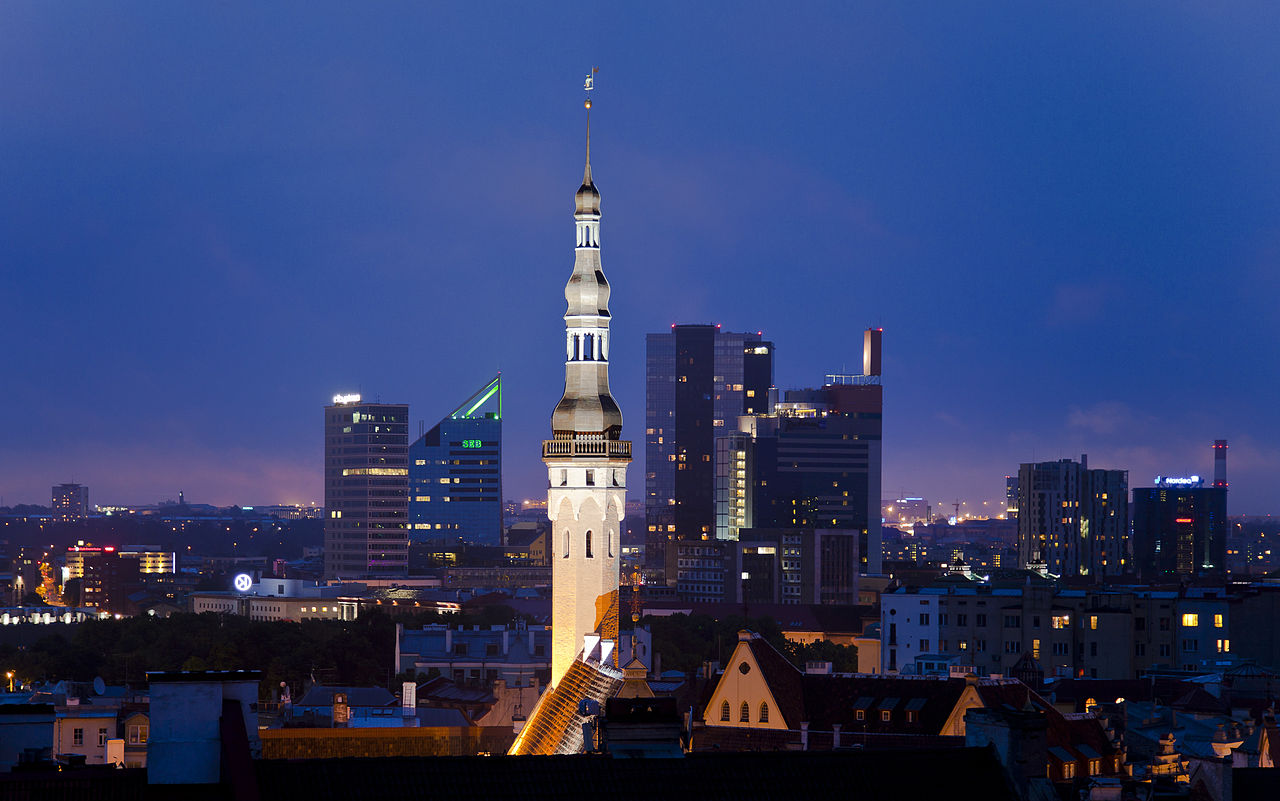
The heart of the Lower Town, dominated by the Gothic Town Hall, completed in the early 15th century, and lined with cafés. It hosts a Christmas market in winter.
Photo: HartOve, CC BY-SA 4.0

The Upper Town on a limestone hill, home to Estonia’s parliament in Toompea Castle, the onion-domed Alexander Nevsky Cathedral and viewing platforms over the rooftops.
Visit the Kohtuotsa and Patkuli viewpoints for the classic views.
Photo: Diego Delso, CC BY-SA 3.0

A Baroque palace and park built for Peter the Great in the 18th century, now an art museum, next to Kumu, Estonia’s main art museum.
Photo: Acediscovery, CC BY 4.0

A former industrial complex turned into a hub of restaurants, shops, street art and the Fotografiska photography museum, next to the Balti Jaam market.
Photo: Liilia Moroz, CC BY-SA 4.0
Try black rye bread, smoked fish, verivorst (blood sausage, at Christmas), kama and Estonian craft beer.
Old Town restaurants are atmospheric but pricey; Telliskivi, Kalamaja and the Balti Jaam market are better value.
Tallinn Airport is about 4km from the centre; tram 4 and buses reach the city in about 15–20 minutes. Ferries to Helsinki take about two hours, and buses link Tallinn with Riga.
Estonia is in the EU and the Schengen area and uses the euro. EU citizens need only an ID card; citizens of the UK, US, Canada, Australia and many other countries can visit visa-free for up to 90 days in any 180-day period, with biometric registration under the EU Entry/Exit System. An ETIAS travel authorisation is also due to be introduced. Check current rules before you travel.
Tallinn is cheaper than Helsinki or Stockholm, though Old Town prices are higher. Estonia uses the euro.
Old Town and beyond.
Explore Town Hall Square, climb St Olaf’s Church tower or walk the city walls, then head up to Toompea for the views.
Visit Kadriorg Palace and Kumu, then spend the evening in Telliskivi and Kalamaja.
🛂 Entry rules: EES and ETIAS
Estonia is in the Schengen area, which has two EU border systems for non-EU visitors.
EES (in force): since 10 April 2026 the EU’s Entry/Exit System registers non-EU visitors’ passport details, fingerprints and a photo the first time they enter the Schengen area, replacing passport stamps. Allow extra time at the border on your first trip; later crossings are quicker. EU, EEA and Swiss citizens are not registered.
ETIAS (not yet running): a €20 online travel authorisation for visitors who don’t need a visa, such as UK, US, Canadian and Australian citizens. It hasn’t started and no start date has been confirmed, so nobody can apply yet; ignore websites that offer to “pre-register” you for a fee.
Visa-free visitors can stay up to 90 days in any 180-day period across the whole Schengen area, not per country.
Official information: EU: Travel to Europe (EES & ETIAS) · Reviewed September 2026
The Tallinn Card covers public transport and many museums.
The Old Town fills with cruise passengers in summer; explore early or late.
Winters are cold and dark, but the Christmas market is magical.
Card and contactless payments are accepted almost everywhere.
Quick answers for planning time in Tallinn.
Yes, Estonia has used the euro since 2011.
Yes, it was listed in 1997.
By ferry, in about two hours.
By tram 4 or bus, in about 15–20 minutes.
Two days covers the Old Town and the main districts beyond it.
Estonian is the language; English is widely spoken, especially by younger people.
Free
Planning a wider trip? Our Estonia travel guide covers getting there, costs, when to go and more.