EE
Estonia
Medieval Tallinn, digital republic & primeval bog forests
Medieval Tallinn, digital republic & primeval bog forests
Estonia is the most digitally advanced society on earth — a small Baltic republic that invented Skype, pioneered e-governance and has been the world’s most innovative digital state since the 1990s. Yet its greatest treasures are analogue: Tallinn’s medieval old town is among the best-preserved in all of Europe, its cobblestoned streets, Gothic town hall, merchant houses and city walls so intact that it rivals Prague and Bruges for medieval atmosphere. Estonia’s island archipelago, stretching west from the mainland, contains Saaremaa with its medieval bishop’s castle, ancient windmills and meteorite craters; Hiiumaa’s lighthouses and juniper-scented coastal heathland; and dozens of smaller islands of peaceful beauty.
Estonia’s bog landscape, singing festival tradition and unique language — related to Finnish and Hungarian but to nothing else nearby — make it culturally distinct from all its neighbours. The summer white nights and the amber-lit winter make any season rewarding.
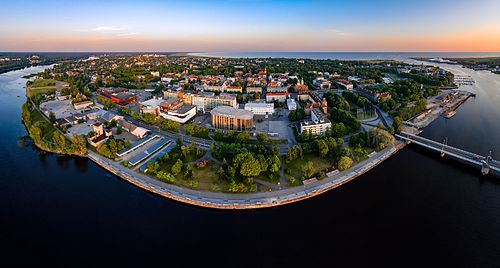
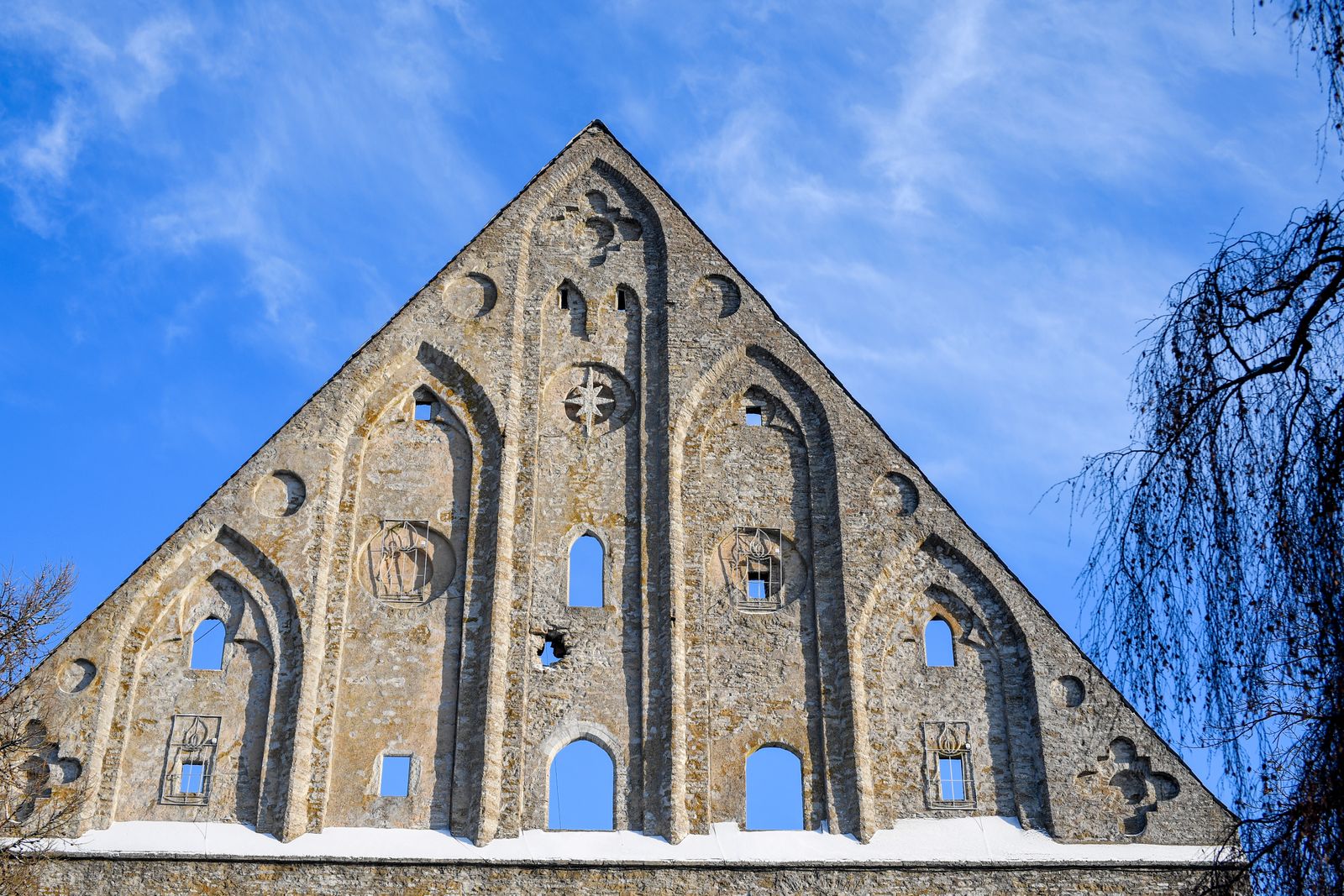
A UNESCO World Heritage Site of great completeness — Tallinn’s medieval old town covers two distinct areas: the upper Toompea hill (seat of power since the 9th century, now home to the parliament and three medieval churches) and the lower town (the merchants’ quarter with its Gothic Town Hall, the 15th-century pharmacy still in operation, and the best-preserved medieval street layout in northern Europe). The city walls, 26 defence towers and medieval gates are almost entirely intact.
Estonia’s oldest and largest national park, on the north coast 70km from Tallinn, protects intact boreal forest, ancient boulders deposited by glaciers, remote fishing villages and manor houses from the Baltic German era. The Viru Bog boardwalk trail across a primeval raised bog at sunrise is one of the most peaceful and otherworldly walks in northern Europe.
Estonia’s intellectual capital and university town (founded 1632) runs on student energy, a handsome 18th-century neoclassical centre and the remarkable Estonian National Museum — a contemporary masterpiece whose 355-metre long facade is oriented precisely along the runway of a former Soviet military airbase, symbolising Estonia’s trajectory towards its European future.
Estonia’s largest island, reached by ferry from Virtsu, has Kuressaare’s magnificent 14th-century bishop’s castle (the best-preserved medieval fortress in the Baltic states), traditional windmills, ancient juniper forests and the Kaali meteorite crater field — nine craters formed around 1500 BC that were sacred to ancient Estonian peoples.
Dense, sour rye bread (leib) — the national staple, eaten with every meal.
Layers of dark rye bread spread with butter, smoked sprats, hard-boiled eggs, cream cheese and dill, stacked and chilled into a cylindrical “cake” — served sliced at Estonian celebrations in place of a starter. A savoury showstopper.
Potato and barley porridge with fried pork and sour cream — a southern Estonian classic.
Estonia’s boreal forest provides elk, wild boar and deer year-round, plus wild bilberries, lingonberries and golden chanterelles in autumn. Elk steak with lingonberry sauce is the restaurant signature; chanterelle toast on rye is a seasonal ritual.
The oil-rich herring of the Baltic Sea — eaten smoked, marinated in vinegar and onion, or pickled in mustard. Served at every traditional Estonian breakfast and Christmas table; the Estonian relationship with Baltic herring is as deep as the Scandinavian one.
Estonian curd cheese (quark), eaten with jam or in kohuke, a chocolate-coated curd snack.
A sweet rum-based liqueur with spices and citrus. Estonia also has a lively craft-beer scene.
Tallinn Lennart Meri (TLL) is the main hub. Ryanair, Wizz Air and Nordica serve European routes. The Helsinki–Tallinn ferry (2h) and Stockholm overnight ferry are classic Baltic connections. For trip planning, see the official Estonia tourism portal.
Ryanair and Wizz Air have made Tallinn one of the most accessible Baltic capitals from the UK. The Helsinki–Tallinn Tallink fast ferry (2h, from €15) is an excellent connection for a Finland–Estonia circuit.
The Lux Express coach connects all three Baltic capitals (Tallinn–Riga–Vilnius) in a single comfortable journey with reclining seats, WiFi and free coffee — one of Europe’s finest budget multi-city routes.
Tallinn public transport (trams 1–4 + buses) is among the cheapest in the EU — the 20-minute journey from airport to old town costs €1.50. Download the Pilet.ee app to buy tickets by mobile.
Estonia is compact — car hire from TLL (€25–50/day) is the best option for Lahemaa, Saaremaa and the bogs. Rural public transport is infrequent; the main highways are good and fast.
May to September is the best window — Tallinn’s medieval old town at its most atmospheric, the islands warm and accessible, the forests green. June brings magical white nights (barely dark at midnight). December has one of Northern Europe’s finest Christmas markets.
📅 Estonia is in its best season in May, June, July, August, September. See where else is good to go in those months, or browse where to go by month.
Estonia is mid-range EU — slightly cheaper than Finland or Scandinavia, with medieval architecture, strong craft beer, and one of the most walkable old towns in Europe.
Tallinn public transport (trams, buses, trolleybuses) is free for registered residents and only €1.50 for visitors per trip — one of the cheapest city transit systems in the EU. Download the Pilet.ee app for mobile payment.
Estonian craft beer (Tänker, Põhjala, Lehe) has become one of the most internationally acclaimed small-brewery scenes in Northern Europe.
The Von Stackelberg Hotel Tallinn and Hotel Telegraaf (a restored 19th-century telegraph office) are the finest old-town addresses — from €180–400/night, with medieval limestone walls visible from the bedroom windows.
Tallinn for three days, Lahemaa National Park for one, Saaremaa island for two, the Soomaa bogs for one. Estonia is Nordic in digital sophistication, medieval in its old town, and ancient in its bog landscapes.
Tallinn’s old town (UNESCO World Heritage Site) is one of Northern Europe’s most completely preserved medieval cities — 13th-century limestone walls, towers and merchant guild houses almost entirely intact. The Town Hall Square, Toompea Castle (seat of the Estonian parliament) and Patkuli viewpoint over the lower town.
Tallinn’s old town survived World War II entirely undamaged — unlike Riga, Warsaw or Vilnius, it was not bombed into rubble. The medieval street plan, guild houses and defensive towers remain exactly where they were laid in the 14th century.
Toompea (the upper town, seat of historical German noble and Tsarist administration) — the Alexander Nevsky Cathedral (1900, built by the Russian Empire as a deliberate architectural statement of authority opposite the Estonian parliament). The Kalamaja creative district (former fishermen’s quarter, now Tallinn’s most creative neighbourhood with the Telliskivi complex of galleries and street food).
Estonia is the world’s most digital society — taxes filed in under 5 minutes, e-voting, e-prescriptions and an e-residency programme open to any citizen of any country. The e-Estonia showroom in Tallinn covers a governance model now being studied worldwide.
KUMU (2006, Estonia’s national art museum, a limestone-and-glass building cut into a hillside — the finest art museum in the Baltic states). Kadriorg Park (grounds of Peter the Great’s 1718 baroque summer palace, residence of the Estonian president, Japanese garden included).
The KUMU permanent collection spans Estonian art from the 18th century through Soviet-era paintings to contemporary work — the Soviet section is particularly striking, showing how Estonian painters navigated censorship with formal innovation rather than explicit dissent.
70km east of Tallinn. Lahemaa (the first national park in the Soviet Union, 1971) — the Viru Bog boardwalk (3.5km wooden path through a raised bog, carnivorous sundews, crane migration in October) and the Palmse Manor (the best-preserved Baltic German manor house in Estonia, 18th century, fully restored).
Estonian bogs cover 22% of the country’s land area — a higher proportion than almost any other country. The Viru raised bog at sunrise in autumn, with frost on the sphagnum moss and migrating cranes overhead, is one of the most unexpectedly moving landscapes in Northern Europe.
2h30 from Tallinn + 30-min ferry. Saaremaa (Estonia’s largest island, 2,673km², juniper heath, wind-bent pines) — the Kuressaare Episcopal Castle (14th century, moated, the best-preserved medieval castle in the Baltic states) and the Kaali meteorite crater (110m wide, formed 7,500 BCE, now a small lake).
The Kaali meteorite impact 7,500 years ago destroyed a populated area — bronze-age settlements were immediately abandoned. The event may be the origin of Estonian and Finnish mythology about the sun falling to earth. The crater is 9km from Kuressaare and admission is free.
Saaremaa has 900km of cycling routes through forest, heathland and coastal cliffs. The Angla windmill hill (five trestle windmills from the early 20th century, the only intact ensemble in Estonia) and the Sõrve Peninsula (the southernmost point, WW2 fortifications, the Baltic’s finest autumn bird migration).
Saaremaa has more juniper trees per square kilometre than anywhere else on earth — a species that colonised coastal meadows as farming retreated. The juniper berry is the basis of Saaremaa gin (Slaavik) and the island’s distinctive grey-green landscape.
2h from Saaremaa via Soomaa National Park (“Land of Bogs”) — traditional dugout canoe on flooded forest in spring, or a bog walk on sphagnum in summer. Return to Tallinn Lennart Meri Airport (TLL).
Soomaa’s spring flood (“the fifth season”) raises water levels 5m in 48 hours, turning the surrounding forest and farmland into a temporary lake. Local Estonians navigate between villages in traditional haabjas (dugout canoes). The flood is entirely predictable, recurring every spring.
🛂 Entry rules: EES and ETIAS
Estonia is in the Schengen area, which has two EU border systems for non-EU visitors.
EES (in force): since 10 April 2026 the EU’s Entry/Exit System registers non-EU visitors’ passport details, fingerprints and a photo the first time they enter the Schengen area, replacing passport stamps. Allow extra time at the border on your first trip; later crossings are quicker. EU, EEA and Swiss citizens are not registered.
ETIAS (not yet running): a €20 online travel authorisation for visitors who don’t need a visa, such as UK, US, Canadian and Australian citizens. It hasn’t started and no start date has been confirmed, so nobody can apply yet; ignore websites that offer to “pre-register” you for a fee.
Visa-free visitors can stay up to 90 days in any 180-day period across the whole Schengen area, not per country.
Official information: EU: Travel to Europe (EES & ETIAS) · Reviewed September 2026
EU/Schengen zone — EU citizens enter freely; Schengen visa covers Estonia. UK, US, Australian citizens enter visa-free up to 90 days.
Regular Tallink and Viking Line ferries cross from Helsinki to Tallinn in 2-2.5 hours. One of the easiest border crossings in the world.
Estonia invented Skype and digital ID cards. Over 99% of government services are online. The e-Residency program allows non-citizens to establish EU companies remotely.
Estonia was the first former Soviet country to join the eurozone (2011). Cards accepted virtually everywhere.
Tallinn summer (June-August) is long-light, lively and extremely popular. Winter is cold (-10°C), dark and quiet but atmospheric in the medieval old town with Christmas markets.
Estonia’s e-residency programme allows foreigners to establish EU-registered businesses digitally. Free Wi-Fi covers virtually the entire country including forests and bogs.
Tallinn’s old town is entirely walkable. Trains and buses to Tartu (2h) and Pärnu; ferries to Saaremaa and Hiiumaa. Car hire recommended for national parks.
Quick answers to the questions people most often ask before visiting Estonia.
Fly into Tallinn Airport (TLL), with direct flights from London and many European cities, or take the ferry from Helsinki, which takes about 2 hours. Overnight ferries also run from Stockholm.
Yes — frequent ferries make the crossing in about 2–2.5 hours, so a day trip to Tallinn's medieval Old Town is easy.
Estonia is in the EU and the Schengen Area. EU citizens enter freely, and UK, US and Australian citizens can visit visa-free for up to 90 days in any 180.
May to September, with white nights in June when it barely gets dark. December brings one of northern Europe's prettiest Christmas markets in Tallinn.
It's mid-range for the EU — cheaper than Finland and Scandinavia. Expect around €45–75 per day on a budget and €120–200 mid-range. The currency is the euro.
Estonian-founded ride-hailing app, excellent in Tallinn and other cities.
FreeDownload offline maps before you travel so navigation works without mobile data — essential for walking, driving and finding local spots.
FreePoint your camera at menus, signs or street text for instant translation. Download the language pack offline before you arrive for full use without data.
FreeReal-time and offline exchange rates for all world currencies — converts prices instantly so you always know what you are paying in your home currency.
FreeFrom medieval Tallinn and university Tartu to Baltic beaches, island windmills, and the most geopolitical border in the EU.
Estonia sits within easy reach of several other destinations — each with a completely different character.