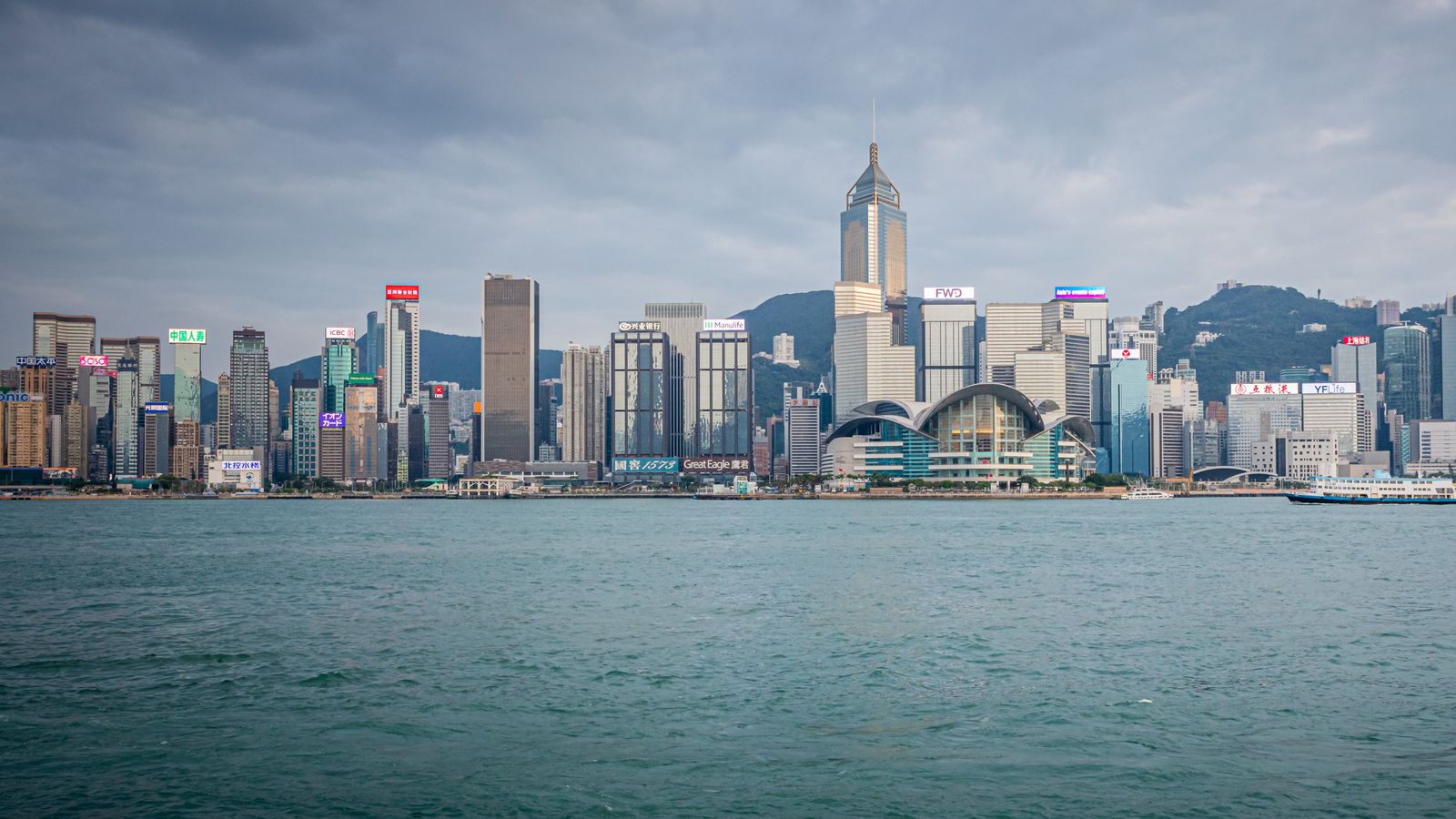
HK
Central
Glass towers, ding-ding trams and The Peak's endless skyline
Glass towers, ding-ding trams and The Peak's endless skyline
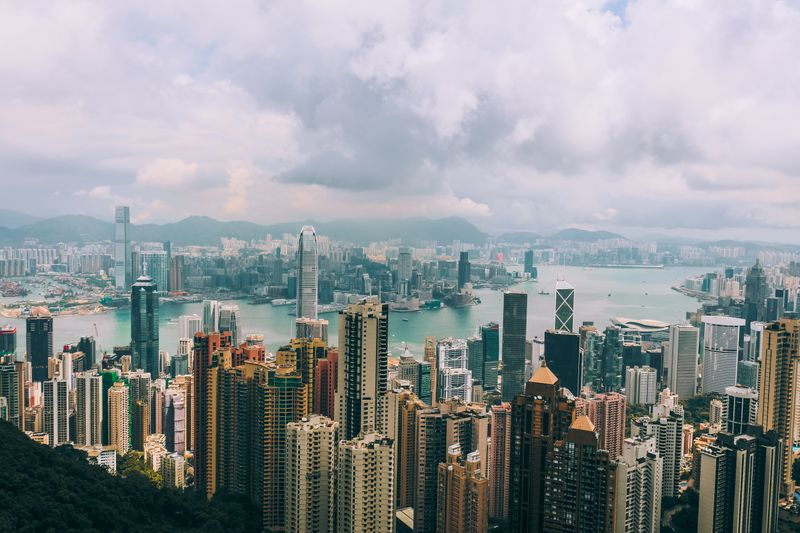
The Peak is Hong Kong’s signature view — a 552-metre summit looking straight down over the forest of skyscrapers, the harbour and Kowloon beyond, spectacular by day and jaw-dropping when the whole city lights up at night. Ride the historic funicular Peak Tram up the near-vertical slope, then walk the easy, level Peak Circle for even better, quieter panoramas.
Go up in late afternoon to catch the view by day, at dusk and after dark — and book Peak Tram tickets ahead to skip the queue.
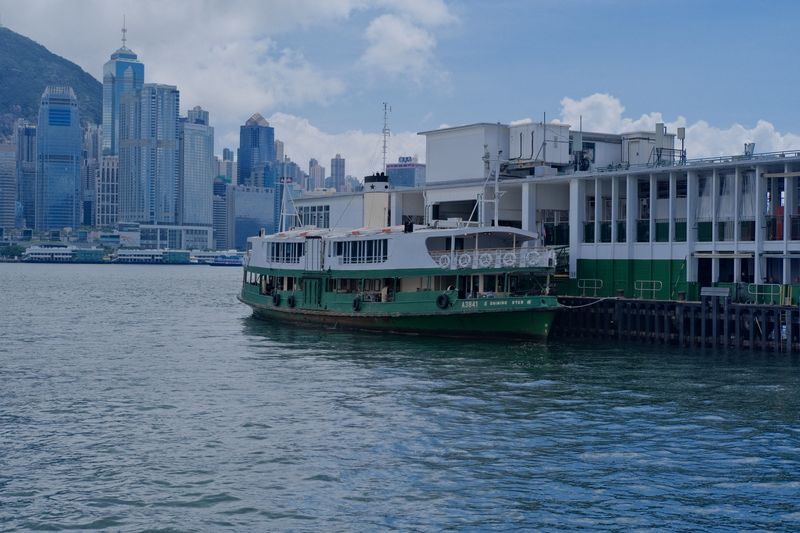
The green-and-white Star Ferry has crossed Victoria Harbour since 1888, and the ten-minute ride between Central and Kowloon remains one of the world’s great (and cheapest) journeys — a slow, salt-aired glide beneath the towering skyline for the price of a postcard. It is transport, sightseeing and nostalgia in one.
Ride at dusk for the skyline in golden light, and sit on the open lower deck.
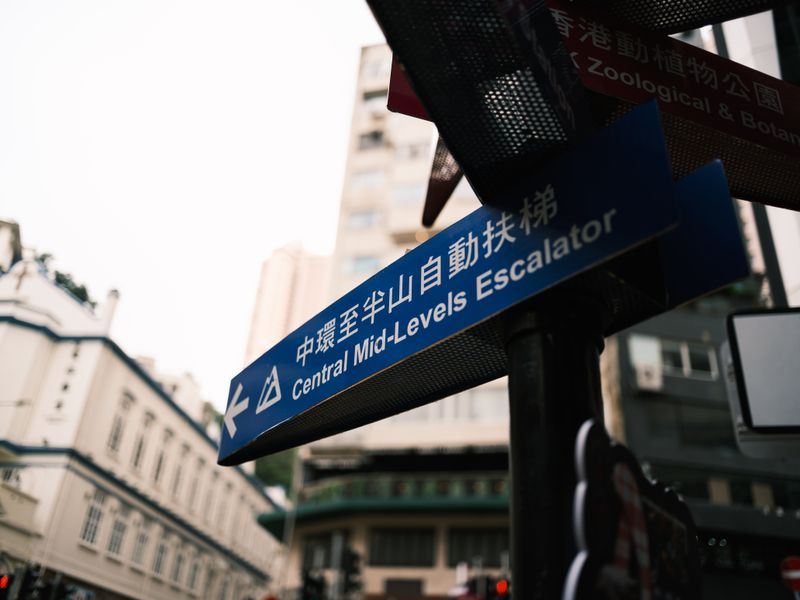
The world’s longest outdoor covered escalator climbs 800 metres up the steep hillside, linking Central with the residential Mid-Levels through the heart of Soho. Hop on and off to explore the buzzing lanes of restaurants, galleries and bars that have grown up along its length — a genuinely unique way to see the city.
It runs downhill in the morning rush and uphill the rest of the day — ride up and wander down through Soho.
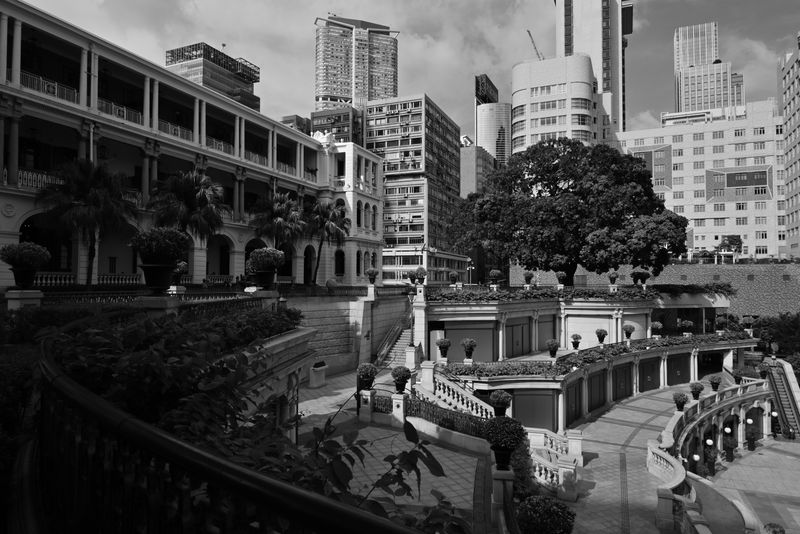
A beautifully restored former police station, magistracy and prison compound, Tai Kwun is now Hong Kong’s standout heritage and arts centre — a cluster of colonial buildings around leafy courtyards, filled with galleries, exhibitions, restaurants and bars. It is a peaceful, fascinating window on the city’s colonial past.
Entry is free; wander the courtyards, then stop for a drink or a meal in one of the old cell blocks.
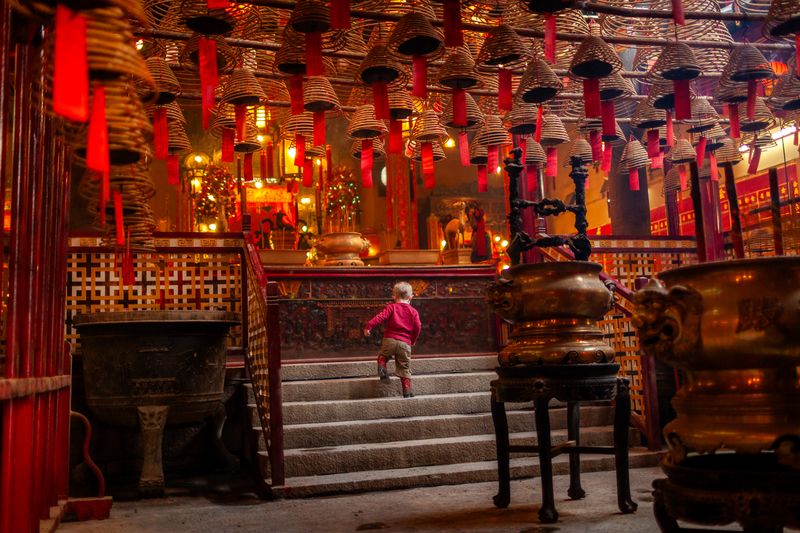
On Hollywood Road, this atmospheric 1847 temple honours the gods of literature (Man) and war (Mo), its dim interior thick with the smoke of enormous hanging incense coils that burn for days. Amid the antique shops of the surrounding lanes, it is one of the oldest and most evocative temples in the city.
Combine it with the antique shops and galleries of Hollywood Road and Cat Street nearby.
Central spans the full range from three-Michelin-star dining rooms to hole-in-the-wall noodle shops, and eating here is a highlight in itself. Come hungry for dim sum in a bustling tea house, a bowl of springy wonton noodles, roast goose or char siu over rice, and the strong milk tea and pineapple buns of a cha chaan teng (Hong Kong’s beloved diners). Don’t miss an egg tart or a bowl of fishball noodles from a street stall. After dark, the slopes of Lan Kwai Fong and Soho — reached by the Mid-Levels escalator — fill with wine bars, speakeasies and cuisines from every corner of the world, alongside some of Asia’s best cocktail bars. Whether you spend a little or a lot, Hong Kong is one of the planet’s great food cities, and Central is its showcase.
Central has arguably the best public transport on earth, and you rarely need a taxi. The backbone is the fast, spotless MTR metro, reaching every district in minutes; tap in and out with a stored-value Octopus card, which also works on almost everything else. Historic double-decker trams (the ‘ding dings’) trundle along the island’s north shore for a pittance — a wonderful, slow way to sightsee. The Star Ferry crosses to Kowloon, and the Peak Tram climbs the mountain. Central itself is steep but supremely walkable via its network of elevated footbridges and the Mid-Levels escalator, so you can cross much of the district without touching street level. Taxis are plentiful and metered (red on the island). The airport is 30-40 minutes away on the dedicated Airport Express, and buses and green minibuses fill any gaps — but the MTR and your own two feet will get you almost everywhere.
The best time to visit Hong Kong is autumn, roughly October to early December, when the humidity drops, the skies clear and temperatures are pleasantly warm — ideal for the Peak views and walking the city. Spring (March-April) is mild but can be humid and foggy. Summer (May-September) is hot, sticky and wet, with a genuine typhoon risk that can shut the city down for a day or two. Winter (December-February) is cool, dry and comfortable, and rarely cold. For clear harbour views and comfortable sightseeing, aim for autumn.
The Peak by tram for the view, a Star Ferry crossing, the Mid-Levels escalator up into Soho, and Man Mo Temple and Tai Kwun — the essential Hong Kong Island.
Cross to Kowloon for the Tsim Sha Tsui waterfront and the Symphony of Lights, the neon markets of Mong Kok, and the museums along the promenade.
A ferry or MTR out to the Big Buddha on Lantau, the beaches and hiking of Sai Kung, or the old fishing village and market at Stanley — the green, coastal side of Hong Kong.
Buy one on arrival — it works on the MTR, trams, ferries, buses and even shops, and saves endless fumbling for change.
The double-decker trams and the Star Ferry are the cheapest sightseeing in the city — ride them just for the views.
Go up Victoria Peak in late afternoon to see the view by day, at sunset and lit up at night — and book Peak Tram tickets ahead.
Summer is hot, humid and typhoon-prone; if a typhoon signal 8 is hoisted the city shuts down, so check forecasts and aim for autumn.
Central is vertical — use the footbridges and the Mid-Levels escalator to cross the district without touching the traffic.
Quick answers to the questions travellers most often ask before visiting Hong Kong’s Central district.
Autumn, roughly October to early December, is best — dry, clear and pleasantly warm, ideal for the Peak views. Summer (May-September) is hot, humid and typhoon-prone; winter is cool and comfortable; spring can be humid and foggy.
By the superb MTR metro, paid with a stored-value Octopus card, plus historic trams, buses, the Star Ferry and taxis. Central is very walkable via elevated footbridges and the Mid-Levels escalator, and you rarely need a car.
Three to four days for the island icons (the Peak, Star Ferry, Central and Soho), Kowloon’s waterfront and markets, and a day trip to Lantau’s Big Buddha or the beaches. Stay longer to explore the outlying islands and hiking trails.
It can be, especially hotels, but street food and cha chaan teng meals, the cheap trams and ferries, and free sights like the Peak walk, the harbour views and the temples keep it manageable on any budget.
Ride the Peak Tram for the view, cross the harbour on the Star Ferry, take the Mid-Levels escalator up into Soho, visit Tai Kwun and Man Mo Temple, feast on dim sum, and enjoy the bars of Lan Kwai Fong and Soho after dark.
Download the Central area for offline navigation, walking directions and public transport routes.
Free
Skyscraper-packed Central, neon Tsim Sha Tsui, the Big Buddha on Lantau, seafood-and-hiking Sai Kung and breezy Stanley — five very different sides of Hong Kong.
Planning a wider trip? Our Hong Kong travel guide covers getting there, costs, when to go and more.