IR
Tehran
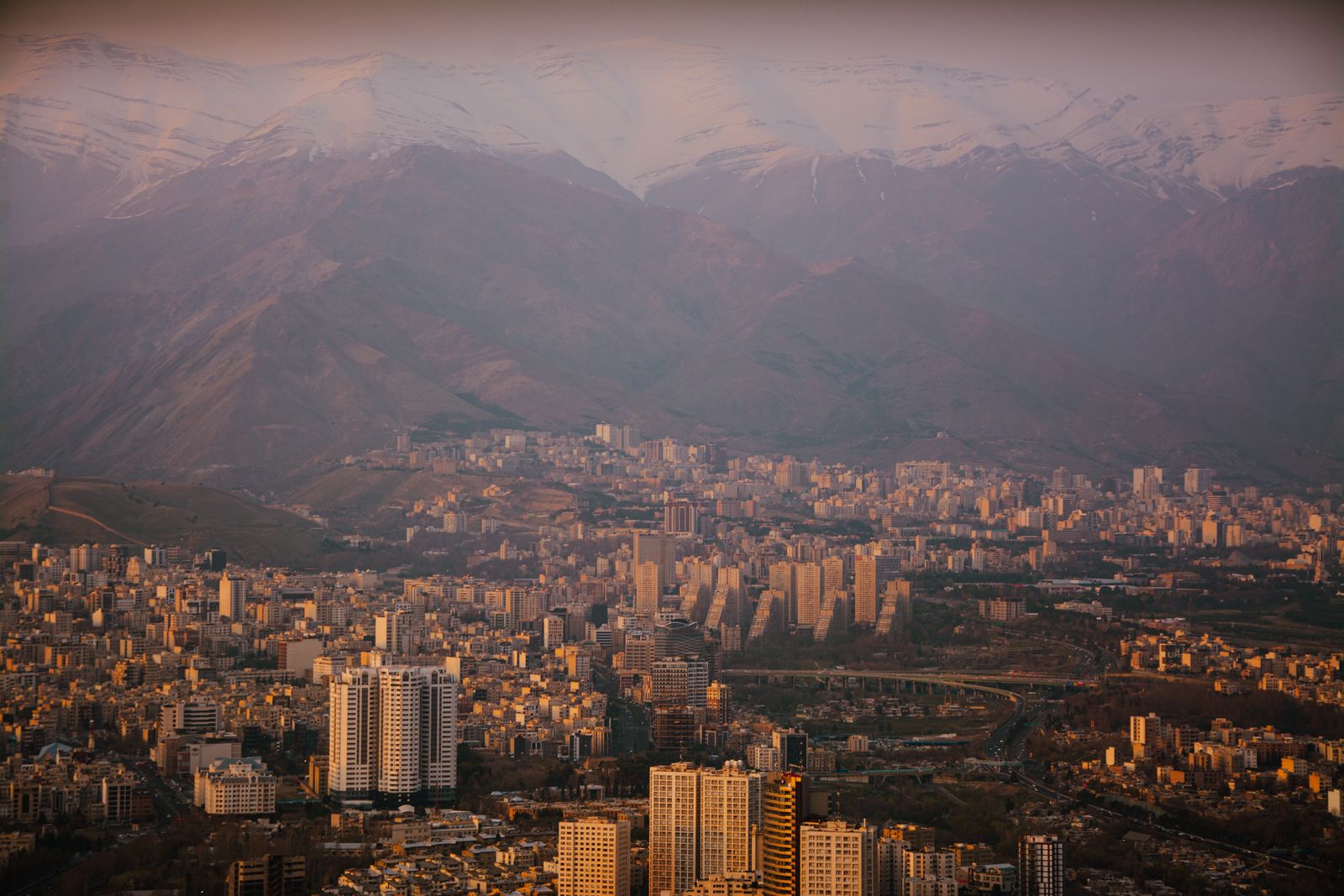
Iran's sprawling capital beneath the Alborz peaks
Iran's sprawling capital beneath the Alborz peaks
⚠️ Travel advisory: most governments advise against travel
The US, UK and many other governments advise against all travel to Iran. Foreign and dual nationals face a serious risk of arbitrary detention, and regional hostilities have led to airspace closures. This guide is kept for background and future planning.
Latest official advice: UK FCDO · US State Department · Reviewed September 2026

The UNESCO-listed royal complex of the Qajar dynasty dazzles with mirrored halls, painted tilework, marble thrones and gardens, a lavish showcase of 19th-century Persian art.
Buy separate tickets for the individual palace halls that interest you.

Tehran’s sprawling covered bazaar is a labyrinth of alleys trading carpets, spices, gold, copper and everything else, the commercial and social heart of the old city.
Go with time to get lost; stop for tea and traditional lunch.

The country’s premier museum traces Persian civilisation from prehistory through the Achaemenid and Sassanid empires, with treasures echoing the glories of Persepolis.
A great primer before visiting Iran’s ancient sites.

One of the world’s tallest towers, Milad rises over western Tehran with observation decks giving panoramic views across the immense city to the mountains.
Visit on a clear day for views to the Alborz range.

An award-winning curving pedestrian bridge connects two parks over a highway, a modern icon and favourite gathering spot with cafes and city views.
Come at sunset when locals gather and the city lights up.
Persian cuisine is one of the world’s great food traditions. In Tehran, savour fragrant kababs with saffron rice, rich stews (khoresh) like ghormeh sabzi and fesenjan, and tahdig, the prized crispy rice. The city has everything from humble kababis to stylish modern Persian restaurants and traditional teahouses. Finish with saffron-and-rosewater ice cream and a glass of sweet tea; note that alcohol is prohibited.
Tour the opulent Golestan Palace, dive into the Grand Bazaar for lunch and carpets, and visit the National Museum.
See the crown jewels, ride up Milad Tower for the views, and end at Tabiat Bridge as the city lights come on.
Entry requirements and travel advisories for Iran change; verify the latest guidance and visa rules before booking.
International cards do not work in Iran; bring enough foreign cash to exchange, or use a local tourist debit card.
Women must wear a headscarf and modest clothing in public; men should avoid shorts.
Tehran’s metro is cheap and useful; ride apps like Snapp work well and avoid fare haggling.
Quick answers about visiting Tehran. Check your government's current travel advice first, since many countries advise against travel to Iran.
Many governments currently advise against all or non-essential travel to Iran, including over the risk of arbitrary detention of foreign nationals. Read your government's latest advice before considering a trip.
International cards do not work in Iran because of sanctions, so visitors need to bring cash for the whole trip.
April to May and September to October bring mild weather.
Golestan Palace, the Grand Bazaar, the National Museum of Iran, Milad Tower and Tabiat Bridge.
Download the Tehran area for offline navigation, walking directions and public transport routes.
Free
Book tours, day trips and skip-the-line tickets in and around Tehran.
Free
Capital Tehran, the domes of Isfahan, poetic Shiraz, desert Yazd and ancient Persepolis — the great highlights of Persia.
Planning a wider trip? Our Iran travel guide covers getting there, costs, when to go and more.