
NI
Corn Islands
Castaway Caribbean beaches and Creole island calm
Castaway Caribbean beaches and Creole island calm
⚠️ Travel advisory: check before you go
The US asks travellers to reconsider travel to Nicaragua because of arbitrary enforcement of laws and the risk of detention, and entry can be refused without explanation. Check the latest advice before booking.
Latest official advice: UK FCDO · US State Department · Reviewed September 2026
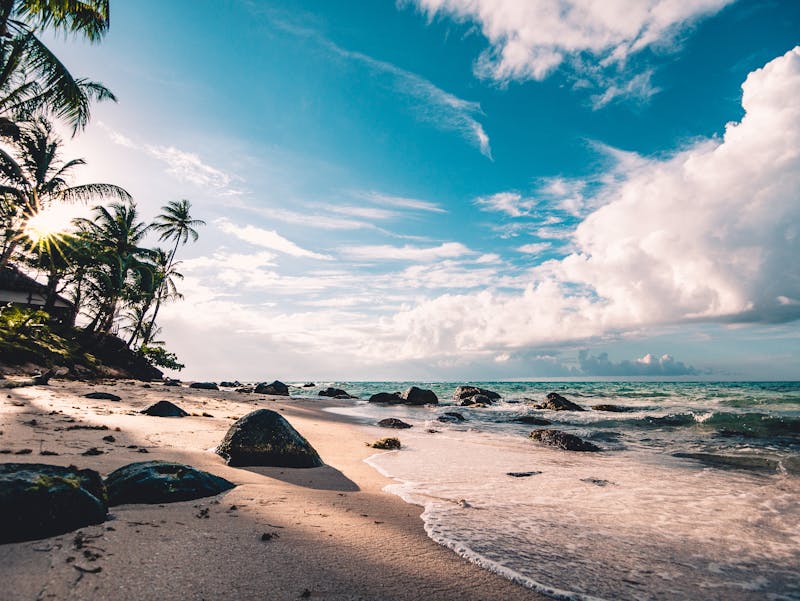
The larger island offers palm-backed beaches like Long Bay, a relaxed local vibe, seafood shacks and easy exploring by bike or taxi around its single coastal road.
Rent a bike or golf cart to circle the island in a day.

Car-free and utterly laid-back, Little Corn is reached by a bumpy panga ride and rewards with dreamy beaches, jungle paths, sea views and a barefoot traveller scene.
The panga crossing can be rough; sit at the back and hold on.

The clear, warm Caribbean water and healthy coral around the islands make for superb, affordable diving and snorkelling, with reef sharks, rays and turtles.
Little Corn has well-run, good-value dive shops.

Big Corn’s finest stretch of powdery white sand and calm turquoise shallows, perfect for swimming, sunbathing and watching the fishing boats come and go.
Bring your own shade and water; facilities are minimal.

The islands’ English-speaking Creole heritage shows in the music, the relaxed rhythm and above all the food, from coconut-infused rundown stew to just-caught lobster.
Try rondon (rundown), the islands’ signature coconut seafood stew.
The Corn Islands have a Creole Caribbean food culture. The signature dish is rondon (also called rundown), a stew of fish or lobster, plantain, cassava, breadfruit and dumplings simmered in coconut milk. Lobster is cheap by international standards in season, and fresh fish is grilled, fried or cooked in coconut sauce with rice and beans.
Coconut bread and patties are sold by local bakers. On Big Corn, beachside restaurants and small shacks serve seafood with cold beer and rum; on car-free Little Corn, a handful of places cook to order and can fill up, so book dinner ahead in busy periods. Prices are a little higher than the mainland, as much is shipped in.
Big Corn Island has an airstrip with daily flights from Managua, taking about 90 minutes, often via Bluefields; book ahead, as small planes fill up and have strict luggage limits. A slower overland route goes by bus and boat via El Rama or Bluefields, then a ferry that takes several hours. From Big Corn, pangas (open boats) cross to Little Corn in about 30 to 40 minutes and can be very rough; protect bags from spray. Taxis and bicycles get around Big Corn, and Little Corn is explored on foot.
The Corn Islands cost more than mainland Nicaragua, mainly for flights and seafood. Estimates are per person per day in USD.
Three days covers both islands, with time on the reef.
Fly in from Managua, circle Big Corn by bike or taxi, and relax on Long Bay beach with a fresh seafood dinner at sunset.
Bring cash; ATMs are few and can run dry.
Take the morning panga to car-free Little Corn, find a beach hammock on the quieter east side, and snorkel or dive the coral reefs.
Morning pangas usually have calmer seas.
Spend a final day diving, swimming and sampling Creole rondon before the flight back to the mainland.
Reconfirm your flight; schedules can change.
Small planes serve Big Corn from Managua; the overland-and-boat route via Bluefields is long and rough.
ATMs are scarce and unreliable, especially on Little Corn; carry enough cordobas and dollars.
The open boat crossing to Little Corn can be wet and bumpy; pack valuables in dry bags.
The Caribbean side is wetter year-round; February to April is the driest, calmest window.
Quick answers for planning a trip to Nicaragua's Corn Islands.
Fly from Managua to Big Corn Island, then take a small boat (panga) to Little Corn Island if you are staying there.
February to April is the driest period and the best time for beaches and diving.
Snorkelling and scuba diving on the reefs, relaxing on Long Bay Beach and experiencing the islands' Creole culture and lobster.
Big Corn has more services and roads; Little Corn has no cars and a quieter, more barefoot feel. Many visitors see both.
Download the Corn Islands area for offline navigation, walking directions and public transport routes.
Free
Colonial Granada, revolutionary Leon, the twin volcanoes of Ometepe, surf town San Juan del Sur and the castaway Corn Islands — Nicaragua at its best.
Planning a wider trip? Our Nicaragua travel guide covers getting there, costs, when to go and more.