RW
Nyungwe Forest
Africa's Finest Primate Forest & Canopy Walk
Africa's Finest Primate Forest & Canopy Walk
⚠️ Travel advisory: check before you go
The US advises travellers to reconsider travel to Rwanda because of the large Ebola outbreak in neighbouring DR Congo, although Rwanda has reported no cases. Rwanda refuses entry to foreign nationals who have been in DR Congo in the previous 30 days, and border crossings can close at short notice. Several governments advise against travel near the DRC border, including Rubavu (Gisenyi) and Rusizi districts. Gorilla trekking continues; check the latest advice before booking.
Latest official advice: UK FCDO · US State Department · Reviewed September 2026

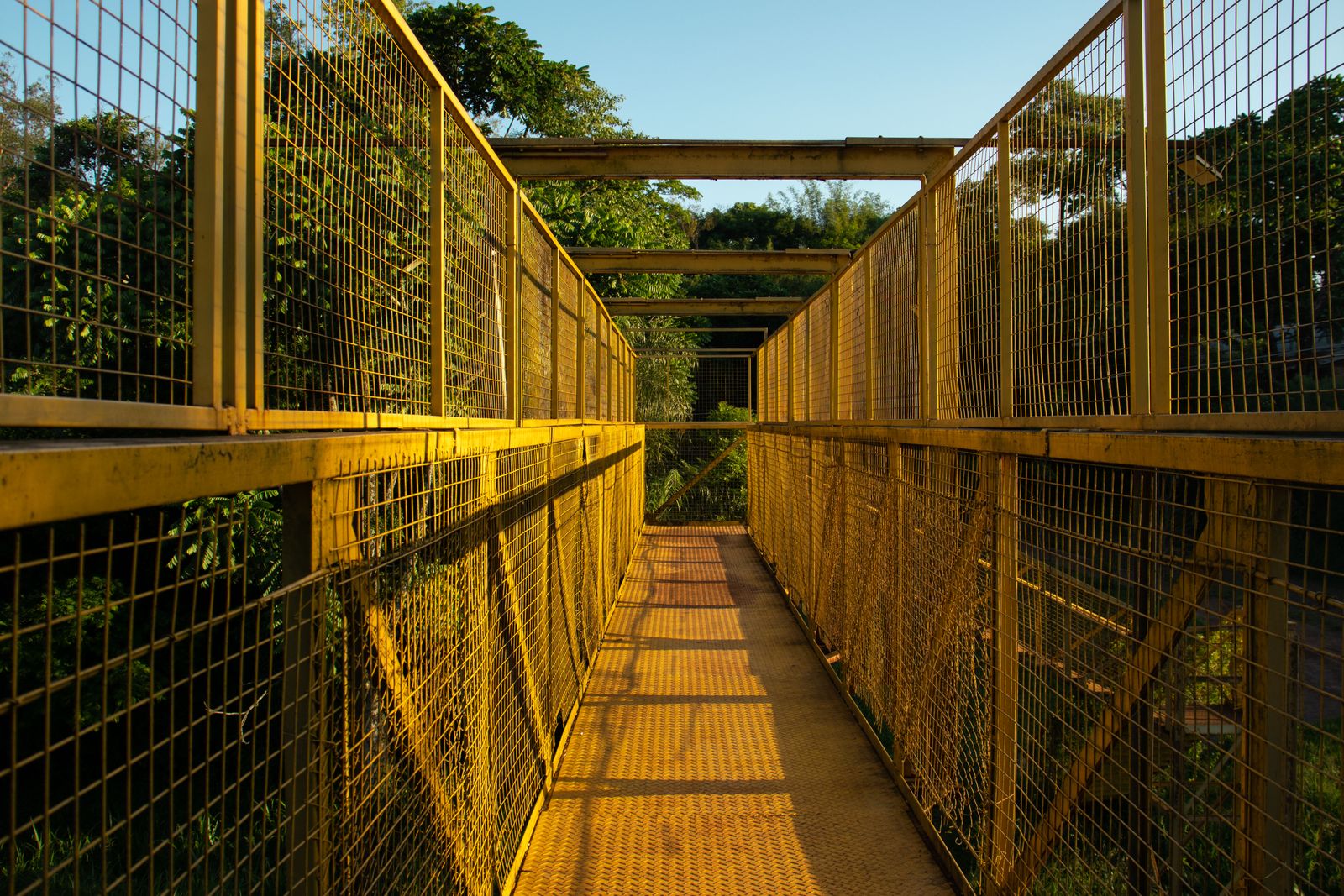
The Nyungwe Canopy Walkway (Uwinka Visitor Centre; USD 60 per person; the 200m suspension bridge across 3 towering trees at 50m height in the Nyungwe rainforest canopy; the most extraordinary single outdoor experience in Rwanda; the bridge sways gently in the breeze; the canopy visible at eye level; the forest floor 50m below; the birds of the canopy visible at close range; the Angolan colobus monkeys frequently in the surrounding trees during the walkway experience; the views north over the Congo Nile Divide and east toward Lake Kivu are extraordinary in the morning; accessible from the Uwinka Visitor Centre on a 2km circular trail) is the most distinctive Rwanda experience after the gorilla trek.
Walk the Canopy Walkway in the early morning (8–10am; the colobus monkeys most active in the forest around the walkway in the morning; the bird calls at their peak; the canopy light most dramatic from the east in the first 2 hours of daylight; the walkway is less crowded before 10am). The 2km Canopy Trail circuit (the walkway is the centrepiece; the trail through the primary montane forest approach and return adds the forest floor perspective — the giant tree ferns; the moss-covered branches; the orchids on the bark) takes 2.5–3 hours total.
Photo: travelmag.com, CC BY 2.0

Chimpanzee trekking in Nyungwe (the habituated Cyamudongo and Uwinka chimpanzee communities; USD 150 per person per trek; daily 6am briefing at the park HQ; maximum 8 visitors per community per day; the 2–6 hour forest trek to the habituated group; the chimpanzee encounter — up to 80 individuals in one community; the vocalisations — the pant-hoot call that carries 1km through the forest; the social grooming; the tool use — the Nyungwe chimps use sticks to extract insects from bark; the infant chimps; the dominant males; the 1-hour timed visit) is comparably extraordinary to the gorilla trek at one-tenth of the permit cost.
The chimpanzee encounter is less guaranteed than gorilla trekking (the chimps are not as predictably stationary as the habituated gorilla families; the encounter may be brief or distant; some treks find the chimps immediately; others require 5–6h of forest tracking; the vocalisations are usually heard before the chimps are seen; the encounter quality varies by day). Book 2–3 consecutive chimp days if chimpanzees are the primary motivation for Nyungwe; the second or third day often provides the finest encounter when the trackers have located the group’s preferred area.
Photo: Rod Waddington, CC BY-SA 2.0
The Angolan colobus monkey (Colobus angolensis ruwenzorii; the black-and-white colobus with the spectacular flowing white cape; the troop at Uwinka Visitor Centre in Nyungwe; an estimated 400 individuals — the largest known Angolan colobus troop in the world; visible in the canopy above the visitor centre every morning; the troop audible from 500m as the individuals crash through the branches; the dramatic leaping between trees; the white cape flowing in flight; the infants with pure white coats) is the most impressive single wildlife group in Rwanda and the most easily visible primate in Nyungwe.
Arrive at the Uwinka Visitor Centre by 6:30am (the Angolan colobus troop is most active in the first 2 hours of daylight; the troop returns to the forest near the visitor centre most mornings; the viewing is free from the visitor centre area; the troop is loud — their calls and the sound of crashing branches announce their arrival minutes before they appear; a 1h wait at the visitor centre almost always produces a troop sighting; the spectacle of 400 black-and-white colobus in flight through the canopy is one of the finest primate spectacles in Africa).
The Congo Nile Divide (the ridge running through Nyungwe Forest that separates the watersheds of the Congo River basin — draining westward to the DRC and the Atlantic — from the Nile River basin — draining eastward through Uganda, Sudan, and Egypt to the Mediterranean; the trail along the divide is the most conceptually extraordinary hike in Rwanda; at 2,100–2,500m; the tea estate visible on the lower slopes; the forest above; the panorama of the DRC hills to the west and Lake Kivu to the northwest on clear days) and the Nyungwe tea estate (the Gisakura Tea Estate; the green hills covered in tea; the tea pickers in the morning; the tea factory tour available from the Gisakura Guest House; the most beautiful agricultural landscape in Rwanda) are the finest non-primate Nyungwe experiences.
Walk the Congo Nile Divide Trail from the Uwinka Visitor Centre (the 7km trail; 4–5h return; USD 30 trail fee plus guide; the highest point of the Nyungwe trail network; the panoramic views west into the DRC and east toward Lake Kivu; the trail through primary montane forest with the richest orchid and bird diversity in Rwanda). Stop at the Gisakura Tea Estate (adjacent to the park entrance; the morning tea-picking; the green rows of tea against the forest background; a tea factory tour is available for RWF 5,000) for the finest Rwandan agricultural landscape.
Food in Nyungwe is primarily lodge-based. The Nyungwe Forest Lodge (the finest food in southern Rwanda; the morning tea service before the chimp trek; the full breakfast on the tea estate terrace; the lunches after primate trekking; the dinner with views of the forest; all-inclusive from USD 300/night) is the definitive Nyungwe dining experience. The Gisakura Guest House (the Rwanda Development Board guesthouse; USD 40–80/night; meals available; the standard Rwandan lunch — rice, beans, green vegetables, and fried plantains for RWF 3,000; functional and filling) is the most affordable on-site option. The tea estate worker canteens (not formally accessible to tourists but visible in passing; the basic worker lunch is the most authentic meal in Nyungwe) provide context for the agricultural landscape. Pack a substantial breakfast before any chimp or canopy walk departure.
Nyungwe chimpanzee permits (USD 150/person; rdb.rw) must be booked in advance. Numbers are limited daily. Sighting rates above 90% are typical with an experienced forest guide.
The Nyungwe Canopy Walkway (USD 60; 2.5h; departs park HQ at 8am) hangs 50m above the forest across two suspension bridges. Excellent hornbill and colobus sightings from the walkway.
The southern Rwanda circuit (Kigali → Huye/Butare (National Museum; 2h south) → Nyungwe Forest (2h further south; 2–3 nights; chimp trek + canopy walk) &rarr).
Nyungwe Forest generates its own rainfall independent of season. Rain falls on most days, typically in afternoon bursts. A waterproof jacket and bag cover are non-negotiable at any time of year.
Nyungwe is Rwanda’s premier birdwatching destination (300 species; 27 endemic to the Albertine Rift; the finest montane forest birds in East Africa: the ruwenzori turaco; the handsome francolin; the African green broadbill).
Getting to Nyungwe independently: minibus from Kigali to Huye (3h; RWF 3,000) then taxi-moto to the park gate (1h; RWF 5,000). A hired 4WD from Kigali (USD 100–150/day) is simpler.
7am: depart Kigali (private car; 2h to Huye). 9am: National Museum of Rwanda, Huye (USD 5; 1.5h; the finest African ethnographic collection). 11am: drive to Nyungwe (2h; the tea estate approach; the first forest views). 1pm: Nyungwe Forest Lodge check-in (lunch). 3pm: Uwinka Visitor Centre (the Angolan colobus in the canopy above; the ranger introductory briefing; free; 1.5h). 4:30pm: Canopy Walkway (USD 60; 2.5h; the 200m suspension bridge at 50m height; the forest canopy at eye level). Return lodge. Dinner. Briefing for 5:45am chimp departure.
5:45am: depart lodge for park HQ (6am briefing; USD 150 permit; ranger assignment; tracking). Chimpanzee trek (duration 2–6h; the pant-hoot heard in the distance; the approach; the community of up to 80 chimps; the 1-hour encounter). Return lodge (10am–1pm depending on trek duration). 2pm: Gisakura Tea Estate walk (free; 1h; the tea rows; the pickers; the Congo Nile Divide views). 4pm: drive to Rubavu/Lake Kivu (1.5h). Arrive Lake Kivu for sunset dinner.
Download the Nyungwe bird checklist (300+ species including 27 Albertine Rift endemics). The ruwenzori turaco and African green broadbill are the two most sought-after species.
Free
Download the Rwanda primate and mammal guide offline. The 13 Nyungwe primate species include some of the most visually distinctive primates in Africa.
Free
Download the Nyungwe and southern Rwanda region offline. The Uwinka–Gisakura road and the tea estate approach are mapped.
Free
Carry USD and RWF cash. The Nyungwe Forest Lodge accepts cards; the Gisakura Guest House and trail fees prefer cash.
Free
Quick answers to the questions travellers most often ask before visiting Nyungwe Forest.
The drier seasons (June-September and December-February) make trekking easier, though the rainforest can see rain at any time of year. The forest is lush and green throughout.
Two to three days for chimpanzee trekking, the canopy walkway and a colobus-monkey or birding walk, plus the travel time to reach this remote southwestern corner of Rwanda.
It’s several hours’ drive from Kigali, usually by private transfer or tour; the treks and walks themselves are done on foot with guides, and permits are required for chimpanzee trekking.
One of Africa’s oldest and largest montane rainforests — chimpanzee trekking, a thrilling canopy walkway suspended high above the trees, troops of colobus monkeys, exceptional birdlife, and surrounding tea estates.
Mountain gorillas in the Virunga volcanoes, chimpanzees in Nyungwe Forest, the sparkling waters of Lake Kivu, and Africa’s most inspiring capital city.
Planning a wider trip? Our Rwanda travel guide covers getting there, costs, when to go and more.