TH
Chiang Mai
The Rose of the North
The Rose of the North

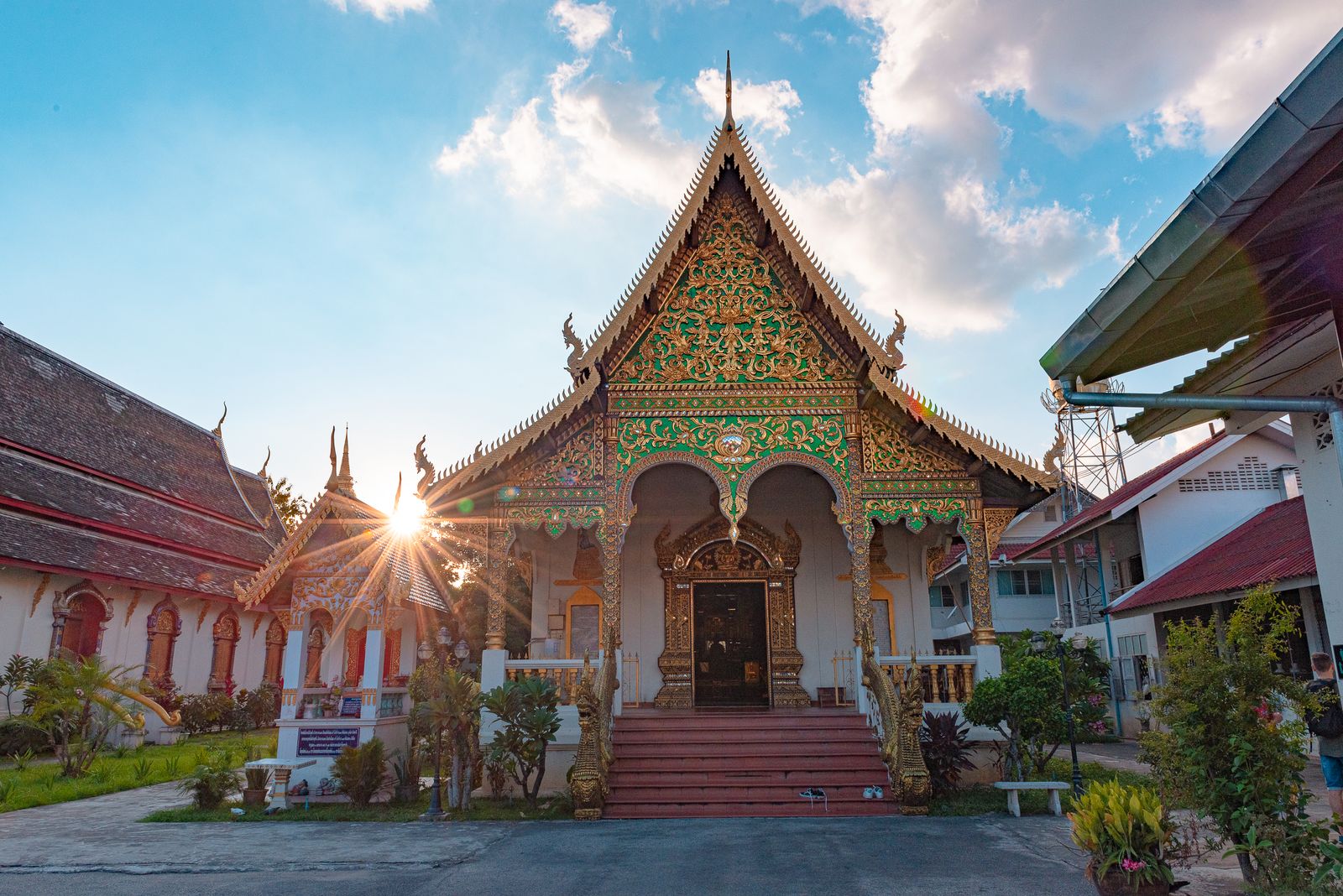
Wat Phra That Doi Suthep (on the summit of Doi Suthep mountain, 15km west and 1,080m above Chiang Mai; songthaew from the Old City ฿60 each way; entry ฿30; open daily 6am–8pm) is the most sacred temple in northern Thailand: a gilded chedi (reliquary tower) built in 1383, surrounded by smaller chedis, temple buildings and the finest view of the Chiang Mai valley from its terrace. Climb the 309-step naga staircase (the balustrades are two enormous nagas, the serpent deities of Thai mythology) or take the funicular (฿30 return) from the car park. Go at dawn for the valley in morning cloud; the temple is used actively by monks for morning chanting at 6am.
Doi Suthep (songthaew from the Chiang Mai Zoo; 50 THB return; 30 min; the sacred mountain temple above Chiang Mai; 30 THB entry) requires a 300-step stair climb (or cable car; 20 THB each way). Arrive before 9am for the fewest visitors and the morning view of the city below the mist.

Chiang Mai’s markets are among the finest in Thailand. The Night Bazaar (Chang Klan Road; daily 6pm–midnight) is the most accessible: covered stalls selling hill tribe textiles, lacquerware, silver jewellery, silk scarves and teak carvings. The Sunday Walking Street (Wualai Road; Sunday 4–10pm) is the most authentic: local artisans selling handmade goods directly, no tourist-facing intermediaries, the best silverwork in the city. The Saturday Walking Street (Wualai Road, different section; Saturday 4–10pm) is similar in character. The Warorot Market (Talat Warorot; daily; the oldest market in Chiang Mai, primarily serving locals — fresh produce, dried goods, fabrics at the lowest prices in the city).
The Sunday Walking Street (Wualai Road; 4–10pm; free to browse; the finest craft market in Chiang Mai) has the best silver jewellery and textiles at the fairest prices. The Night Bazaar (Changklan Road; nightly; more commercial) is better for street food. Never pay the first asking price.

The Old City of Chiang Mai (the square moat-and-wall district, roughly 1.5km per side) contains more than 35 significant wats within walking distance. The three most important: Wat Chedi Luang (the ruins of a 15th-century chedi that was once the tallest structure in the Lanna Kingdom; entry ฿40; free monk chat programme 9am–6pm), Wat Phra Singh (the finest intact Lanna-style temple in Chiang Mai; houses the most revered Buddha image in the north, the Phra Singh; entry ฿20), and Wat Chiang Man (the oldest wat in the city, founded 1297 by King Mangrai; free). Rent a bicycle and map a circuit.
The Old City (the square moat area; free to walk) has over 30 temples within a 1km radius. The three essentials: Wat Chedi Luang (40 THB; the ruined Lanna chedi), Wat Phra Singh (40 THB; the finest Lanna temple interior in Chiang Mai), and Wat Suan Dok (free; white chedi garden). All within 15 minutes’ walk of each other.
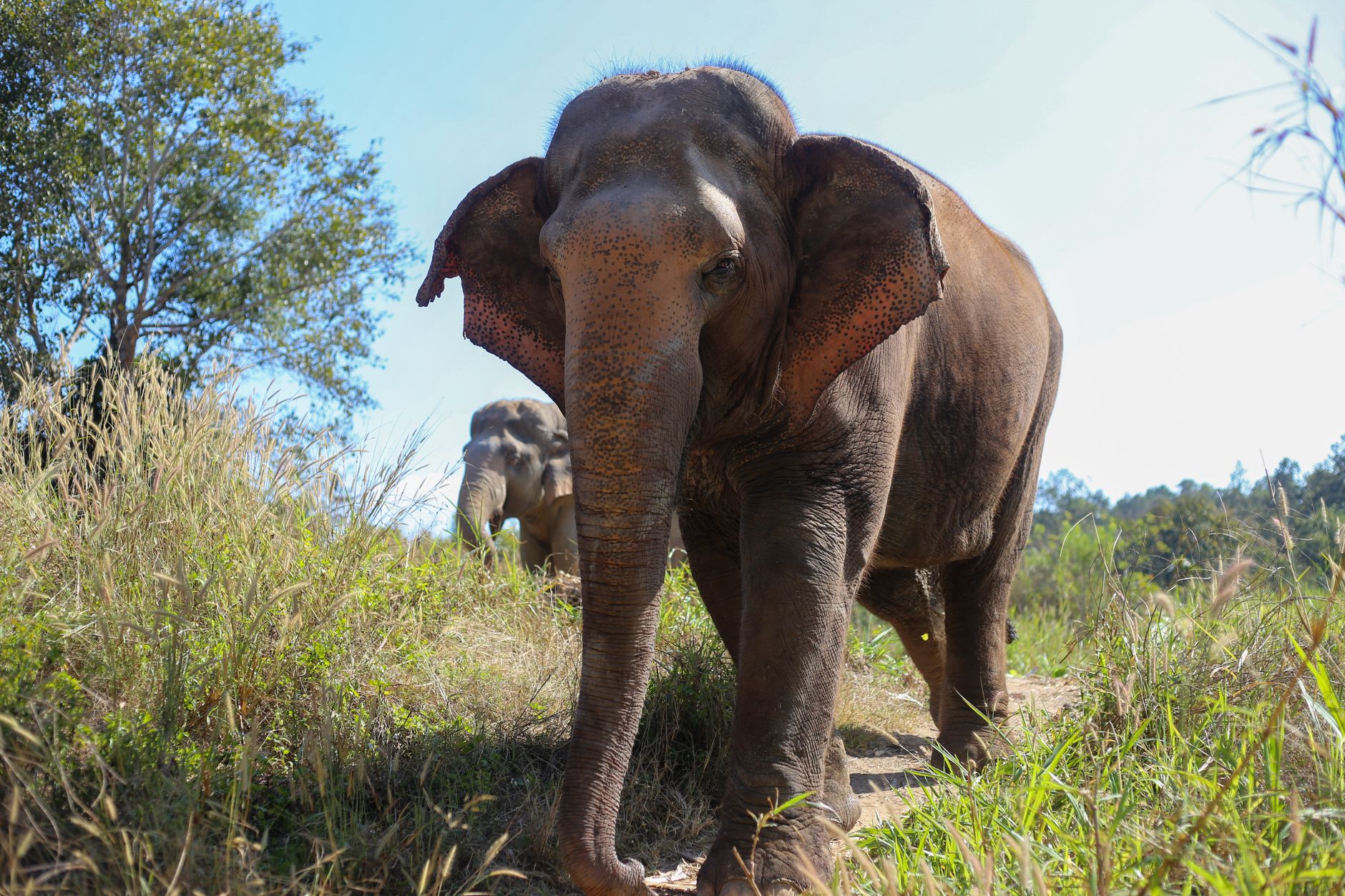
Chiang Mai is the centre of the ethical elephant sanctuary movement in Thailand. The Elephant Nature Park (60km north; founded by Lek Chailert; full-day visit ฿2,500; booking essential at elephantnaturepark.org) is the most respected and the original: rescued elephants from the logging and entertainment industries living in a large natural area, with visitors observing and walking alongside (no riding, no shows, no hooks). Several smaller sanctuaries around Chiang Mai operate on similar principles; check that the sanctuary you choose prohibits riding and bullhook use before booking.
Ethical elephant sanctuaries in Chiang Mai allow feeding, bathing, and walking alongside elephants — no riding. Elephant Nature Park (elephantnaturepark.org; from 2,500 THB/day; the most reputable; book weeks ahead in peak season) is the gold standard. Avoid any sanctuary that offers elephant riding or performing shows.
Chiang Mai has a distinct northern Thai cuisine (khao soi — a rich curried coconut milk noodle soup with crispy fried noodles on top — is the dish you come for and will eat at every meal; the best khao soi in Chiang Mai is at Khao Soi Khun Yai, Charoen Rat Road), laab (minced meat salad with herbs, toasted rice powder and lime), sai ua (northern Thai pork sausage with lemongrass and kaffir lime, sold from every market stall), and naem (fermented pork sausage wrapped in banana leaf). The Old City restaurant scene caters to tourists; the best local food is at the Warorot Market food section (฿40–80/dish), the Nimman Road neighbourhood (coffee culture and modern Thai restaurants), and the Saturday and Sunday Walking Streets.
Chiang Mai is also the best city in Thailand for cooking schools: a half-day class (market visit to buy ingredients, then cook 4–5 dishes) costs ฿1,000–1,500 and is consistently one of the most praised experiences in the city. The Thai Farm Cooking School and Mama Noi’s Cookery School are the two most consistently recommended.
The Old City is flat and compact: walking or cycling covers the main temples. Red songthaews (the shared red pickup truck taxis that operate like a bus on irregular routes; ฿30–50 per person for most city journeys) are the main local transport. Hail one and tell the driver your destination; agree the price before boarding. Grab operates in Chiang Mai and is increasingly reliable for point-to-point rides (฿60–150 for most city journeys). Renting a bicycle (฿50–80/day from any guesthouse or shop near the Old City) is the best way to explore the moat road and the Nimman area. For Doi Suthep, a shared songthaew from the Old City is ฿60 each way (30 min).
Nov–Feb is the ideal season: cool and dry (18–28°C), the temples are at their most photogenic, the Loi Krathong festival (November full moon) launches floating lanterns over the moat. Mar–May is hot and the burning season makes air quality poor in March. Jun–Oct is the green, cooler rainy season with fewer tourists.
Chiang Mai is the best-value city in Thailand and one of the best-value cities in Southeast Asia. Accommodation, food and transport are all cheap; the elephant sanctuary is the main one-off cost. Per person per day.
Chiang Mai is where the famous “฿100 meal” is genuinely true: a bowl of khao soi, a plate of pad kra pao and a Chang beer from a walking street stall costs under ฿200.
The Elephant Nature Park (฿2,500/person) and a cooking class (฿1,000) are the two main one-off costs that push up the mid-range daily total on the days you do them.
The Dhara Dhevi (a luxury resort built as a replica Lanna royal compound north of the city) is the most theatrical hotel in northern Thailand and one of the finest in Southeast Asia.
Three days: the Old City temples, Doi Suthep, an elephant sanctuary and a cooking class.
Rent a bicycle and cycle the Old City moat road (the tree-lined outer ring road, flat, 4km). Temples: Wat Phra Singh, Wat Chedi Luang (and the Monk Chat programme), Wat Chiang Man. Khao soi lunch at Khao Soi Khun Yai (5 min south of the Old City by bicycle). Sunday Walking Street or Night Bazaar in the evening. Dinner from the walking street food stalls.
Old City temples: Wat Phra Singh, Wat Chedi Luang, Wat Suan Dok (2h; free to 40 THB each). Sunday Walking Street (Wualai Road; 4–10pm) for the silver jewellery and khao soi noodle soup. Night Bazaar for street food if arriving on a weekday.
Shared songthaew to Doi Suthep at 7am (฿60 from the Old City gate; 30 min). Temple at dawn before tour groups arrive. Return via the Bhubing Royal Winter Palace Gardens (open January–April only; 3km above Doi Suthep). Lunch in the Nimman area (the coffee and restaurant district west of the Old City: Ristr8to coffee, Salad Concept, Ginger Farm Kitchen). Afternoon: explore the Maya Mall rooftop or the Nimman shops. Early dinner and bed ahead of the 5am elephant sanctuary pickup.
Doi Suthep by songthaew from the Zoo (50 THB return; 30 min). Arrive before 9am. Nimman neighbourhood (Nimmanhaemin Road; independent cafes, boutiques and the One Nimman complex) for the afternoon — the most liveable area in Chiang Mai.
Full-day visit to the Elephant Nature Park (pickup from hotel 5–6am; 60km north; return by 5pm; ฿2,500; book well ahead). Walk alongside the rescued elephants, help prepare their food, observe them in the river. No riding, no shows. Afternoon cooking class option if not visiting the sanctuary: Thai Farm Cooking School (market visit + cook 4–5 dishes + eat; ฿1,000–1,200).
Elephant Nature Park full-day (book online; from 2,500 THB; the most reputable ethical sanctuary in Thailand). The bus picks up from Chiang Mai guesthouses. No riding; feeding and bathing in the river.
Khao soi (a rich, curried coconut milk noodle soup with crispy fried egg noodles on top, served with pickled mustard greens, shallots and lime; ฿60–80) is the defining dish of northern Thailand and one of the great soups of the world.
Book the Elephant Nature Park (elephantnaturepark.org; ฿2,500 full day, ฿1,500 half day) at least 1 week ahead — it operates at a fixed daily visitor limit to protect the animals.
The agricultural burning season in northern Thailand (February–April, peaking in March) produces serious air quality problems in Chiang Mai: AQI values regularly exceed 200 (hazardous) in March.
A half-day Thai cooking class (฿1,000–1,500; includes market visit + cooking 4–5 dishes + eating everything you cook) is one of the best half-days you can spend in Chiang Mai.
The Monk Chat programme at Wat Chedi Luang (free; monks who are studying English invite visitors to sit and talk with them in the temple courtyard) is the most genuine cultural exchange in Chiang Mai.
Songkran in Chiang Mai is the most intense water festival in Thailand: 3 days of continuous water battles across the entire city, with the moat road as the epicentre.
Fixed-price rides across Chiang Mai: more reliable than songthaews for point-to-point journeys and essential for late-night returns. GrabFood delivers from the best Nimman restaurants.
Free
Real-time air quality index for Chiang Mai: essential from February to May to monitor the burning season. AQI above 150 means outdoor activities should be avoided or N95 masks worn.
Free
Camera translation for menus and market signs in Thai. Download the Thai offline pack before arriving. Essential at the Warorot Market and local restaurants outside the tourist zone.
Free
Best local restaurant discovery in Chiang Mai: the khao soi ranking, the Nimman coffee shop map and the Warorot Market stall guide are the three most useful features.
Free
Download Chiang Mai offline. The Old City moat circuit and the road to Doi Suthep (Route 1004, 15km mountain road) are the most important offline routes.
Free
Quick answers to the questions travellers most often ask before visiting Chiang Mai.
The cool, dry season from November to February is most pleasant. March to April is hot and hazy from agricultural burning, and the June-October rains are green but wetter. Aim for November to February.
Three to four days for the Old City temples, the markets and food, an ethical elephant sanctuary, and a trip up to Doi Suthep or the surrounding mountains.
The compact Old City is walkable and bike-friendly; red songthaews, tuk-tuks and the Grab app cover longer trips. Many rent a scooter for the temples and countryside.
Yes — it’s one of Thailand’s best-value destinations, with inexpensive food, accommodation and activities, which is part of why it’s so popular with long-stay visitors.
Discover more of Thailand’s extraordinary destinations.
Planning a wider trip? Our Thailand travel guide covers getting there, costs, when to go and more.