ZA
Cape Town
The Mother City at the Cape
The Mother City at the Cape
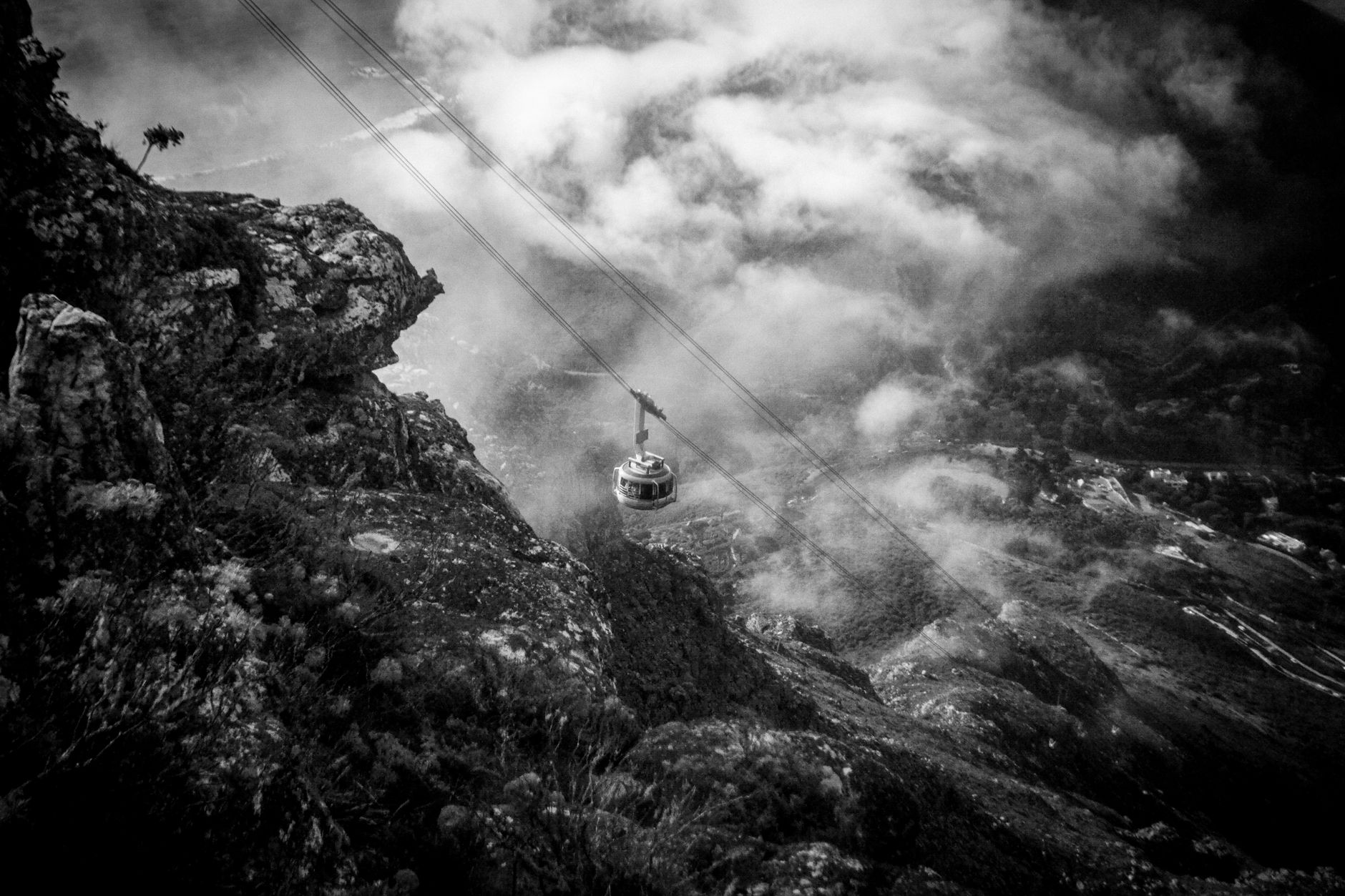
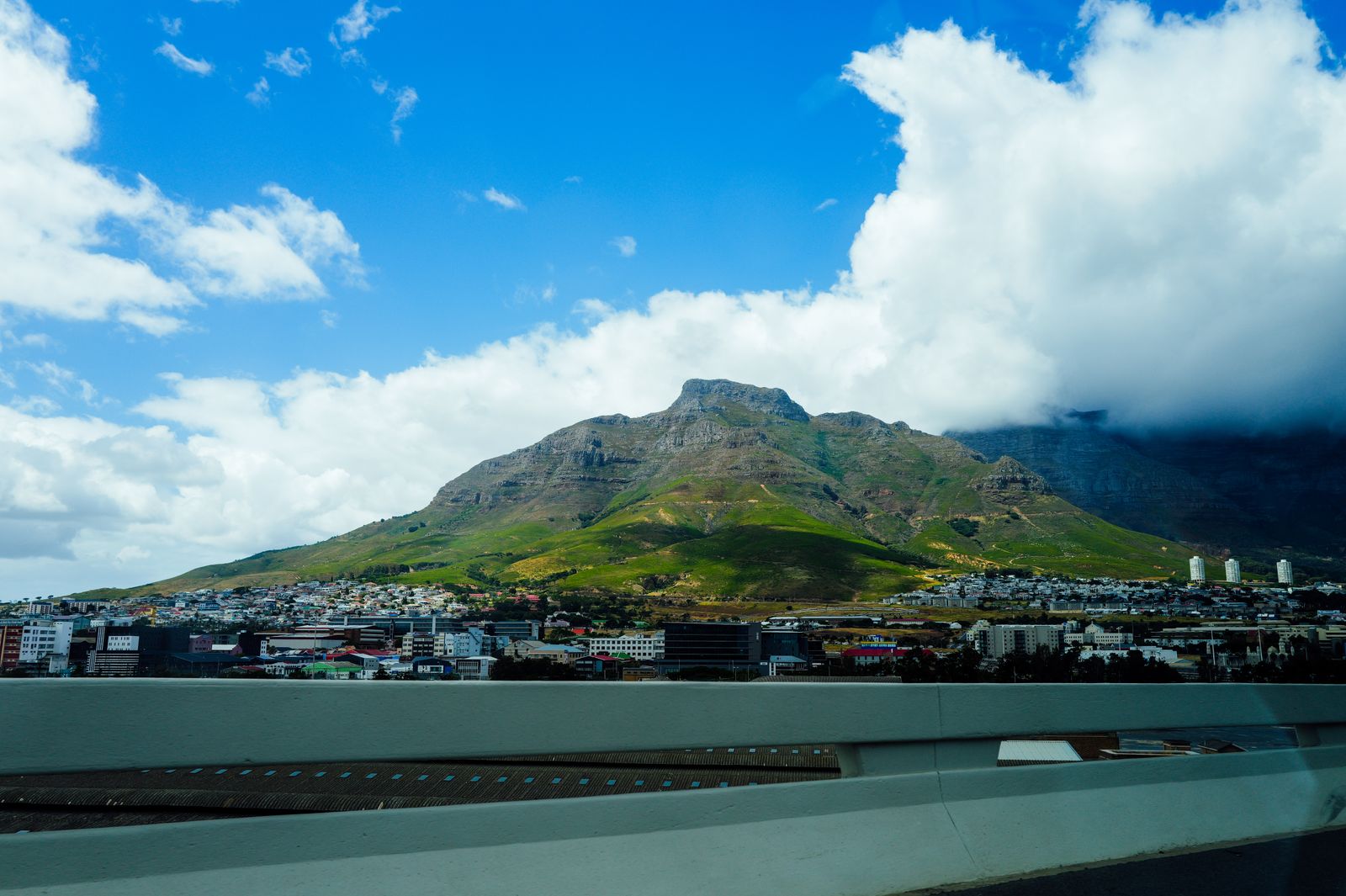
Table Mountain (1,086m; the most recognisable mountain skyline in the world) has the Aerial Cableway (R430 return; rotating floor; 360° views) as its standard access, with the Platteklip Gorge trail (2.5h up; free) as the physical alternative. The summit plateau is 3km of flat sandstone walking with views over the full Cape Peninsula.
Table Mountain cableway (R430; book at tablemountain.net; the red flag at the base means cloud-closed) is best on the first clear morning — check the flag and book the night before for the 8am first car.
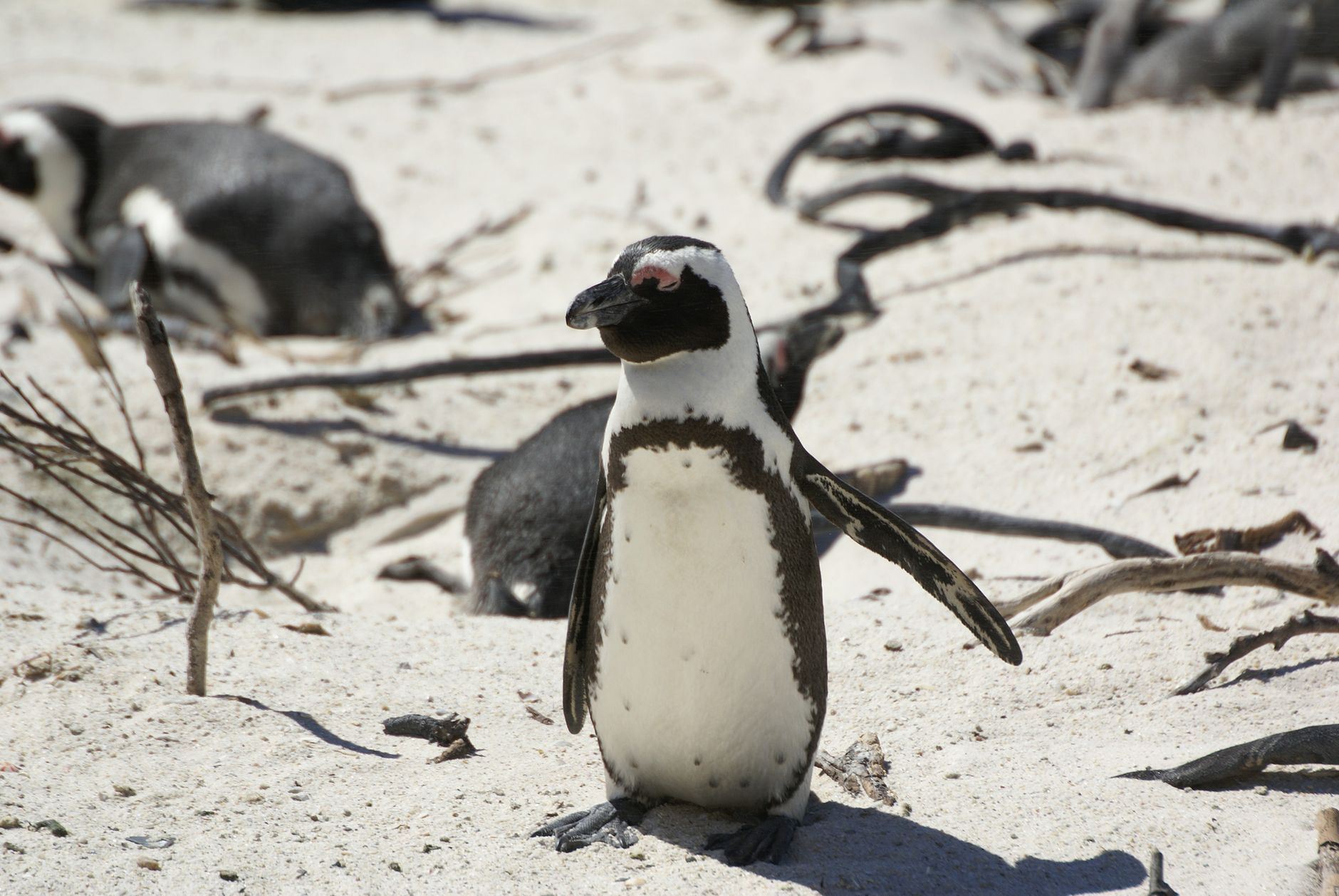
Boulders Beach at Simon’s Town is the finest penguin beach in Africa — the colony of 2,200 African penguins (the only penguin species to breed in Africa) was established here in 1983. The penguins share the beach with swimmers at the adjacent Main Beach.
Robben Island 9am ferry (R850; book at robben-island.org.za 3 days ahead) gives the finest morning light on Table Mountain from the island and the best former-prisoner guide allocation.
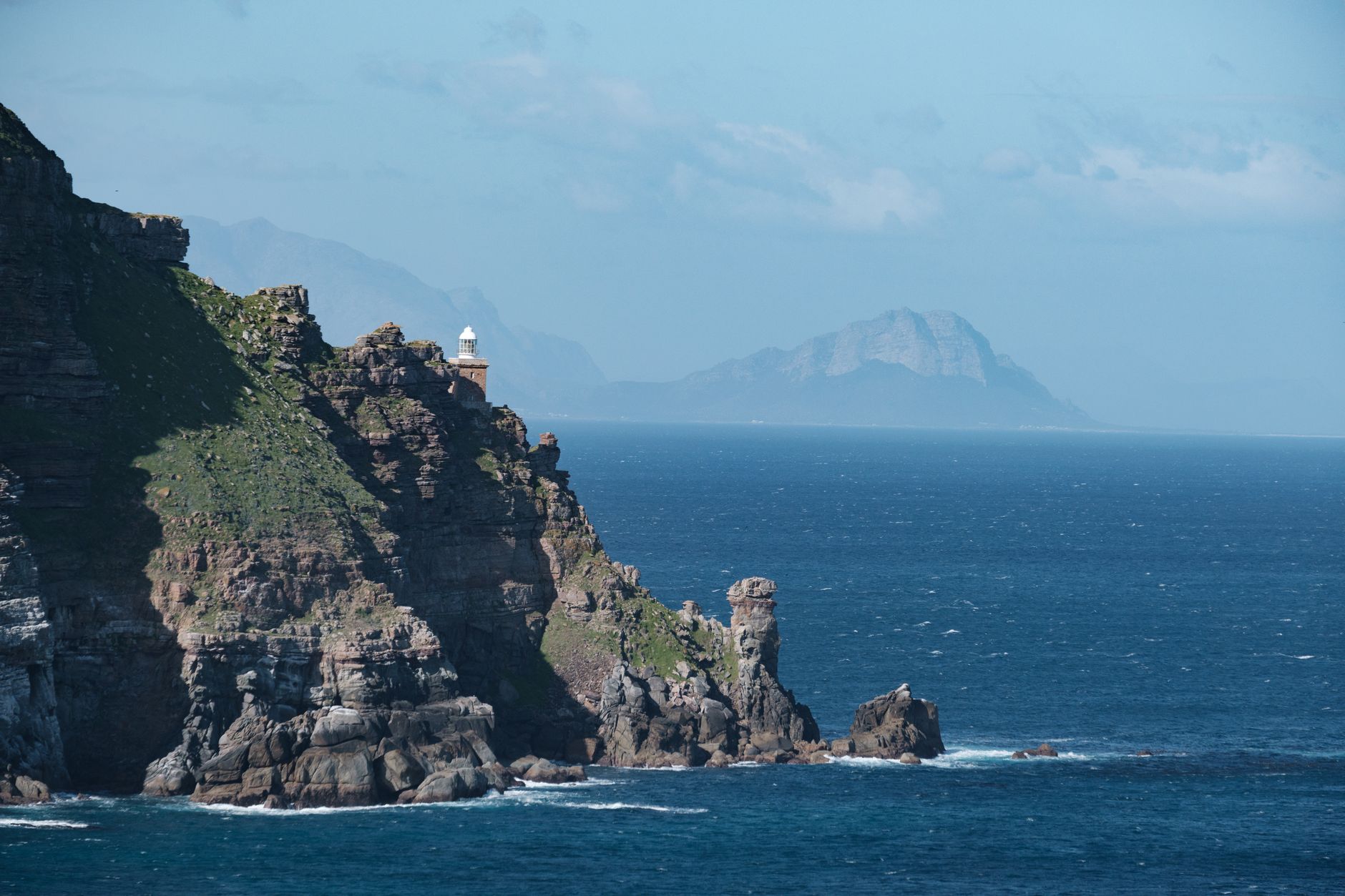
Cape Point is the southwestern tip of the Cape Peninsula — the original lighthouse (1860), the new lighthouse (1919), and the Portuguese Sea Route monument stand on the dramatic quartzite cliffs above the Atlantic and Indian Ocean current confluence. The Cape of Good Hope (the most southwesterly point of Africa; 2.3km southwest) is the most famous geographic landmark in South Africa.
Boulders Beach penguins (R240; Simon’s Town; 45 min south by car or train) are most active at 8–9am when the colony is feeding — the African penguins share the beach with swimmers at the adjacent Main Beach.

The V&A Waterfront is the finest working harbour development in Africa — 450 shops, 80 restaurants, and the Nobel Square public space around the Victorian Albert and Victoria Basins. The Robben Island ferry departs from the Clock Tower Precinct — the 30-minute crossing gives the finest Table Mountain skyline view.
Bo-Kaap at 7am (the Cape Malay quarter; 10 min walk from the city centre; the coloured houses and the cobblestone streets) has the early light on the painted facades before the tour groups arrive.
Cape Town has the finest restaurant scene in Africa and a wine culture (the Cape Winelands produce the finest wines in the southern hemisphere; the Pinotage — the South African grape cultivar; the Chenin Blanc; the Sauvignon Blanc from the Constantia Valley within the Cape Town city limits — available in every restaurant from R 80–250 per bottle) matched only by Johannesburg on the continent. The Bree Street (the most concentrated restaurant street in Cape Town; the Truth Coffee Roasters — voted the world’s best coffee shop; the Chefs Warehouse — the shared-plates tapas restaurant of the year multiple times; the Bocca Woodfire kitchen), the V&A Waterfront restaurants (the Harbour House for the fresh line fish; the Cape Grace hotel Sunday brunch; R 350–600 pp), the Camps Bay restaurant strip (the seafood and steak restaurants facing the Atlantic; the Paranga; the Bombay Brasserie), and the Biesmiellah restaurant in Bo-Kaap (the Cape Malay curry; the bredie — the slow-cooked stew; R 80–150 pp; the most authentic Cape Malay cooking in Cape Town; cash only) give the Cape Town food range from the R 80 Cape Malay curry to the R 800 fine dining tasting menu within the same city.
Uber (the essential Cape Town transport; R 50–150 for most City Bowl and V&A Waterfront journeys; R 100–250 to Camps Bay or the Cable Car lower station; safe, reliable and dramatically affordable by European and American standards) is the primary visitor transport. The MyCiTi BRT bus (R 12–20 per journey; the most economical; connects the airport, the City Bowl, the V&A Waterfront and the Atlantic Seaboard from Sea Point to Camps Bay). The Cape Peninsula (Chapman’s Peak, Cape Point, Boulders Beach) requires a rental car (R 400–800/day; the most flexible option) or a guided day tour (R 600–1,200 pp; includes all the peninsula highlights in one day). Never use the minibus taxis independently as a tourist visitor; they are safe for locals who know the routes but confusing and occasionally unsafe for tourists.
The Table Mountain Aerial Cableway (R430 return; book at tablemountain.net to avoid the queue; opens 8am in summer) is best on the first clear morning — the “tablecloth&rdquo.
The Robben Island ferry (R850; departs V&A Waterfront at 9am, noon, and 3pm; book at robben-island.org.za at least 3 days ahead in summer).
Chapman’s Peak Drive (R50 toll; 9km of cliff-face road between Hout Bay and Noordhoek; the finest coastal drive in Africa) is best driven southbound at sunset.
The Bo-Kaap (the Cape Malay quarter; 10 min walk from the city centre; the brightly coloured houses on Signal Hill) is best at 7am before the tourist groups.
The African penguins at Boulders Beach, Simon’s Town (R240 entry; 45 min by car south of the city; or 45 min by train from Cape Town station) are most active at 8–9am.
Bree Street and the Old Biscuit Mill Saturday market (Woodstock; 9am–2pm; the finest Cape food market) are the evening and morning hearts of Cape Town’s food culture.
Oct–Apr is summer (25–35°C; dry; best for Table Mountain; the penguins; wine harvest Feb–Apr; Dec–Jan peak with highest prices). May–Sep is the Cape winter (cooler; rain; 40–50% cheaper; whale season Aug–Oct in Hermanus).
Day 1: Table Mountain and Bo-Kaap. Day 2: Cape Peninsula drive (Chapman’s Peak, Cape Point, Boulders penguins). Day 3: Robben Island and the V&A Waterfront.
Table Mountain cableway at 8am (the flat summit plateau; the 360° view). Bo-Kaap at 10am (the coloured houses; the Cape Malay quarter). Bree Street for dinner.
The Cape Peninsula day circuit (Chapman’s Peak → Cape Point → Boulders Beach → Simon’s Town; 110km; 6h) is best done anticlockwise (via Hout Bay southbound on Chapman’s Peak) for the finest coastal views.
Robben Island ferry at 9am (R850; the former-prisoner tour; the view of Table Mountain from the island). V&A Waterfront afternoon. Old Biscuit Mill Saturday market (Woodstock; 9am–2pm).
Cape Town’s “Cape Doctor” SE wind is most ferocious in summer (Nov–Feb) from noon onward — plan outdoor activities for mornings and reserve restaurants and the waterfront for the afternoon.
Cape Peninsula day circuit (rental car): Chapman’s Peak Drive, Cape Point lighthouse, Boulders Beach penguins, Simon’s Town harbour. Return to Cape Town for Signal Hill sunset.
The Old Biscuit Mill Saturday market (Woodstock; 9am–2pm; R0 entry) has the finest Cape food producers in one place — Franschhoek wine merchants, Karoo biltong stalls, and Cape Malay curry vendors.
Cape Town is extremely affordable by European or American standards due to the weak Rand. The cable car (R 420; USD 22), a restaurant meal (R 150–400; USD 8–21) and a bottle of Stellenbosch Cabernet (R 80–200; USD 4–11) illustrate the value. Per person per day in ZAR.
The Lion’s Head sunset hike (the Signal Hill Road trailhead; 2h 30min circular; free entry; the chains and ladders near the summit; the sunset over the Atlantic from 669m; the Table Mountain profile to the south; the finest free evening in)
The Cape Winelands day trip (Uber to Stellenbosch R 350–500 one way; 3 wine estate tastings R 100–200 each at Jordan, Delaire Graff and Tokara; the finest food at the Tokara Delicatessen R 150–250 pp; Uber back; total R)
The Test Kitchen of Luke Dale-Robert.
Compare and book hotels, guesthouses and apartments in Cape Town.
Free
Download the Cape Town offline map — the Bo-Kaap cobblestone lanes and Cape Peninsula coastal roads require offline navigation.
Free
Book tours, day trips and skip-the-line tickets in and around Cape Town.
Free
Quick answers to the questions travellers most often ask before visiting Cape Town.
Summer (November-March) is warm, dry and peak season, ideal for beaches and Table Mountain. Autumn and spring are pleasant and quieter, while winter (June-August) is wetter and green — and good for whale watching.
Four to five days for Table Mountain, the V&A Waterfront, the Cape Peninsula and Cape Point, the Boulders Beach penguins, Robben Island, and a day in the nearby winelands.
A rental car or rideshare is easiest, as the sights are spread out; the MyCiTi bus and hop-on-hop-off tours cover key routes. Take normal city safety precautions.
One of the world’s most beautiful cities — Table Mountain, the dramatic Cape Peninsula and Cape of Good Hope, the penguins at Boulders Beach, Robben Island and its Mandela history, and the winelands and beaches close by.
Explore more of South Africa’s extraordinary cities and landscapes.
Planning a wider trip? Our South Africa travel guide covers getting there, costs, when to go and more.