BE
Liege
Belgium's Boldest City
Belgium's Boldest City
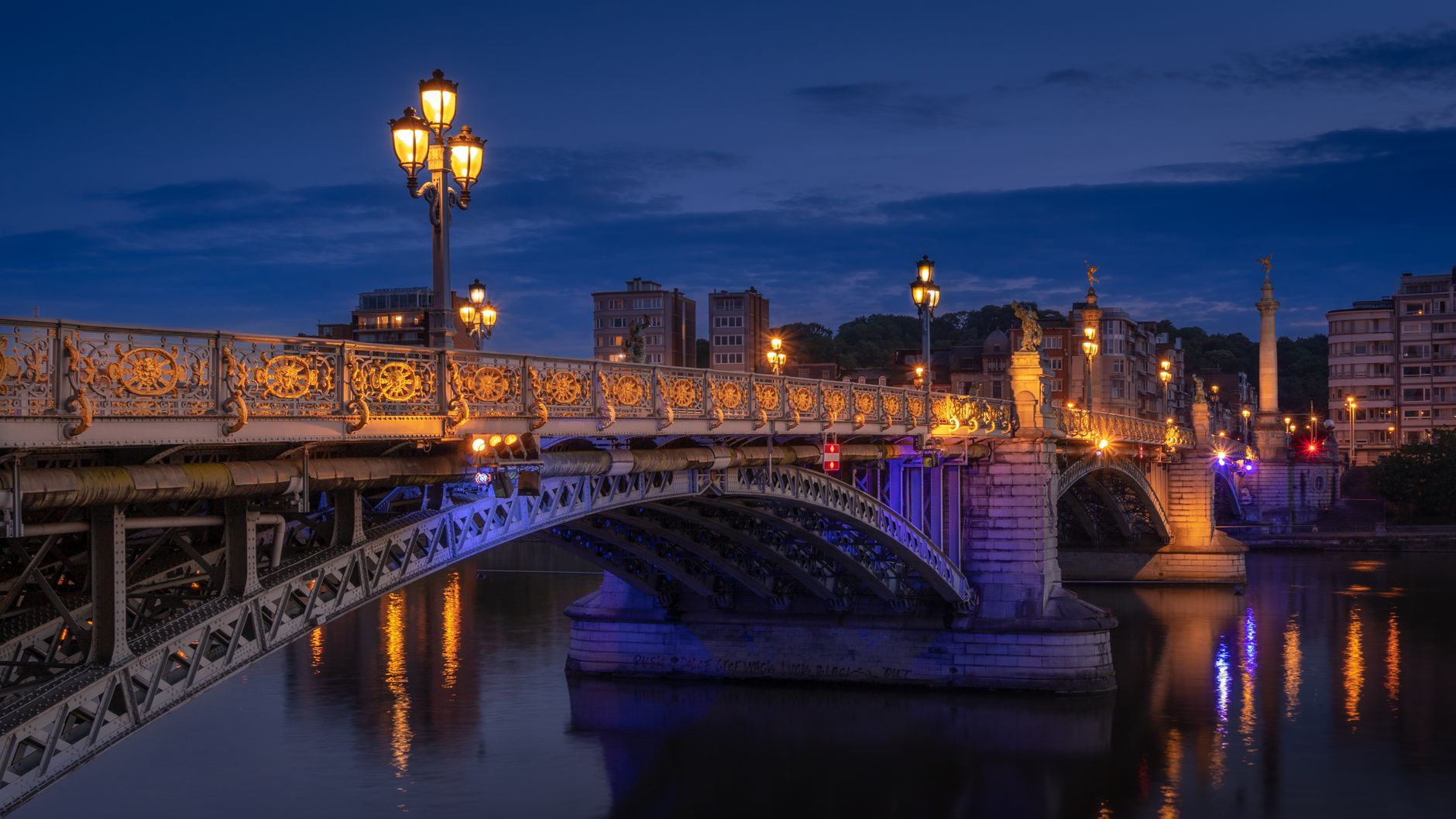
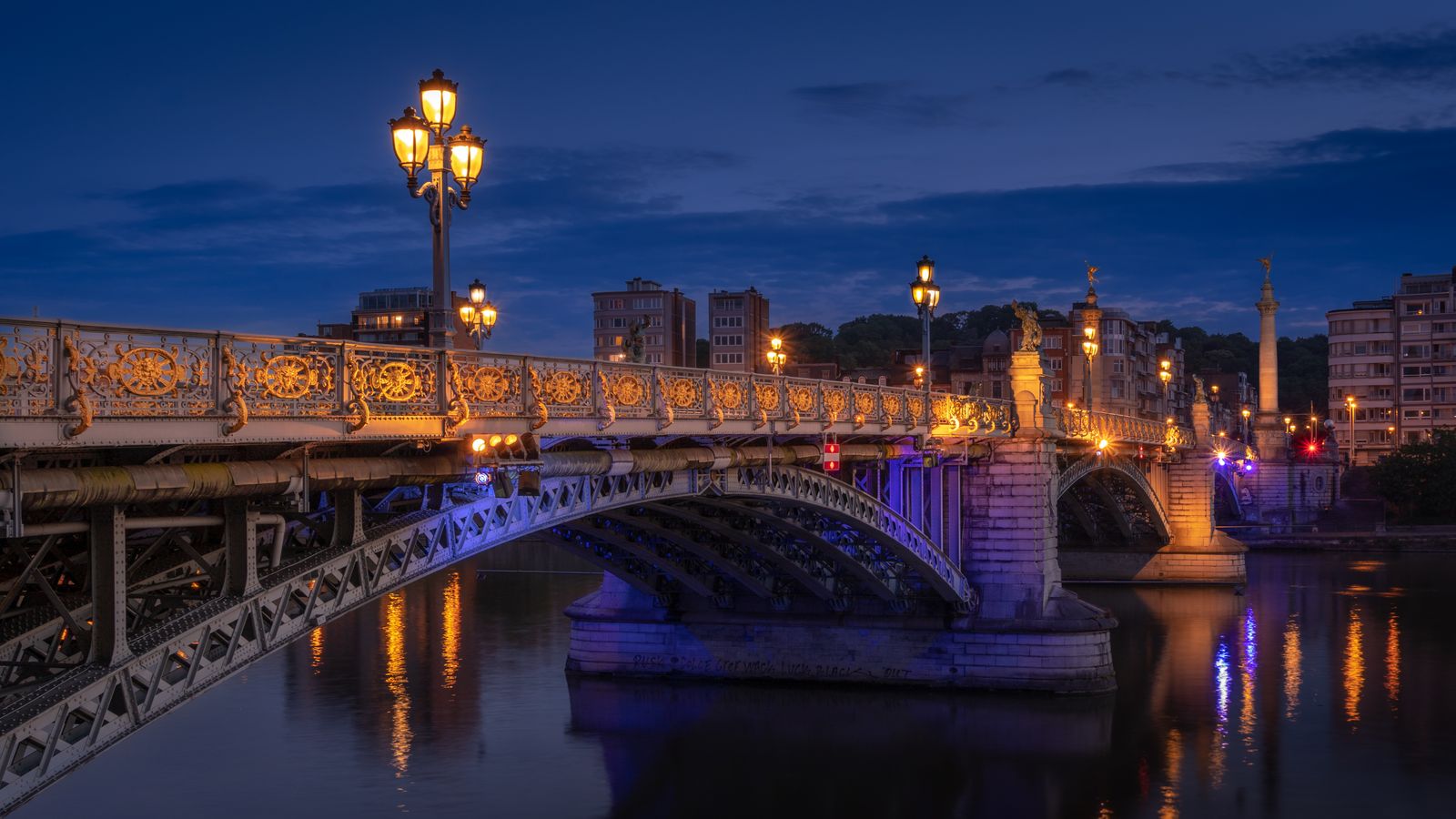
The Meuse quays (the 15km quayside along the Meuse; La Batte (the oldest street market in Belgium; every Sunday 8am–1pm; the finest Sunday market in Europe; the Walloon food stalls); the Guillémins TGV Station (Santiago Calatrava; 2009; the finest contemporary architecture in Belgium; 35 white steel ribs; free to walk through)) define the Liège waterfront experience.
💡 Guillémins TGV Station (Santiago Calatrava; 2009; the finest single piece of public architecture in Belgium; the 35 white steel ribs; free to walk through) — arrive by train to experience the finest contemporary station in Europe.
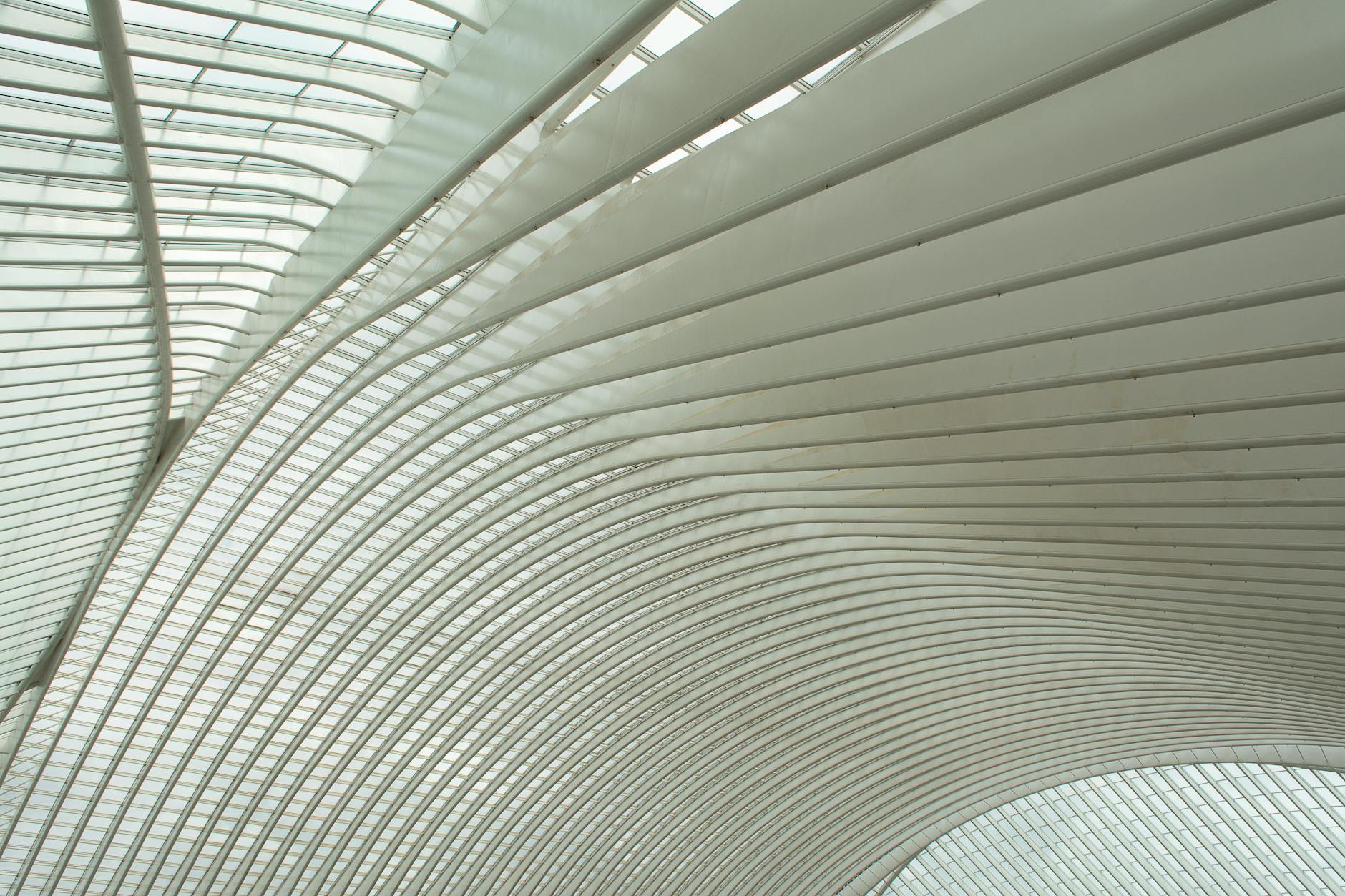
The Guillémins TGV Station (Santiago Calatrava; 2009; the finest single piece of public architecture in Belgium; the 35 white arching steel ribs covering the 200m-long main hall; the finest contemporary train station in Europe; free to walk through) is the finest reason to arrive in Liège by train.
💡 La Batte market (every Sunday 8am–1pm; 15km along the Meuse quays; the oldest street market in Belgium; the finest free Sunday morning in Belgium) — arrive at 8am when the Walloon food stalls are freshest.

The Montagne de Bueren (the 374-step staircase in the Old City; built 1875; the finest viewpoint in Liège from the top; free) and the Old City (the Place Saint-Lambert; the Prince-Bishops’ Palace (the finest Renaissance civil building in Belgium; the largest arcaded inner courtyard in Europe; free to walk through)) are the two essential free Old City experiences.
💡 Montagne de Bueren (374 steps; the steepest public staircase in Belgium; free; the finest viewpoint in Liège (the Meuse Valley and the Ardennes hills beyond)).
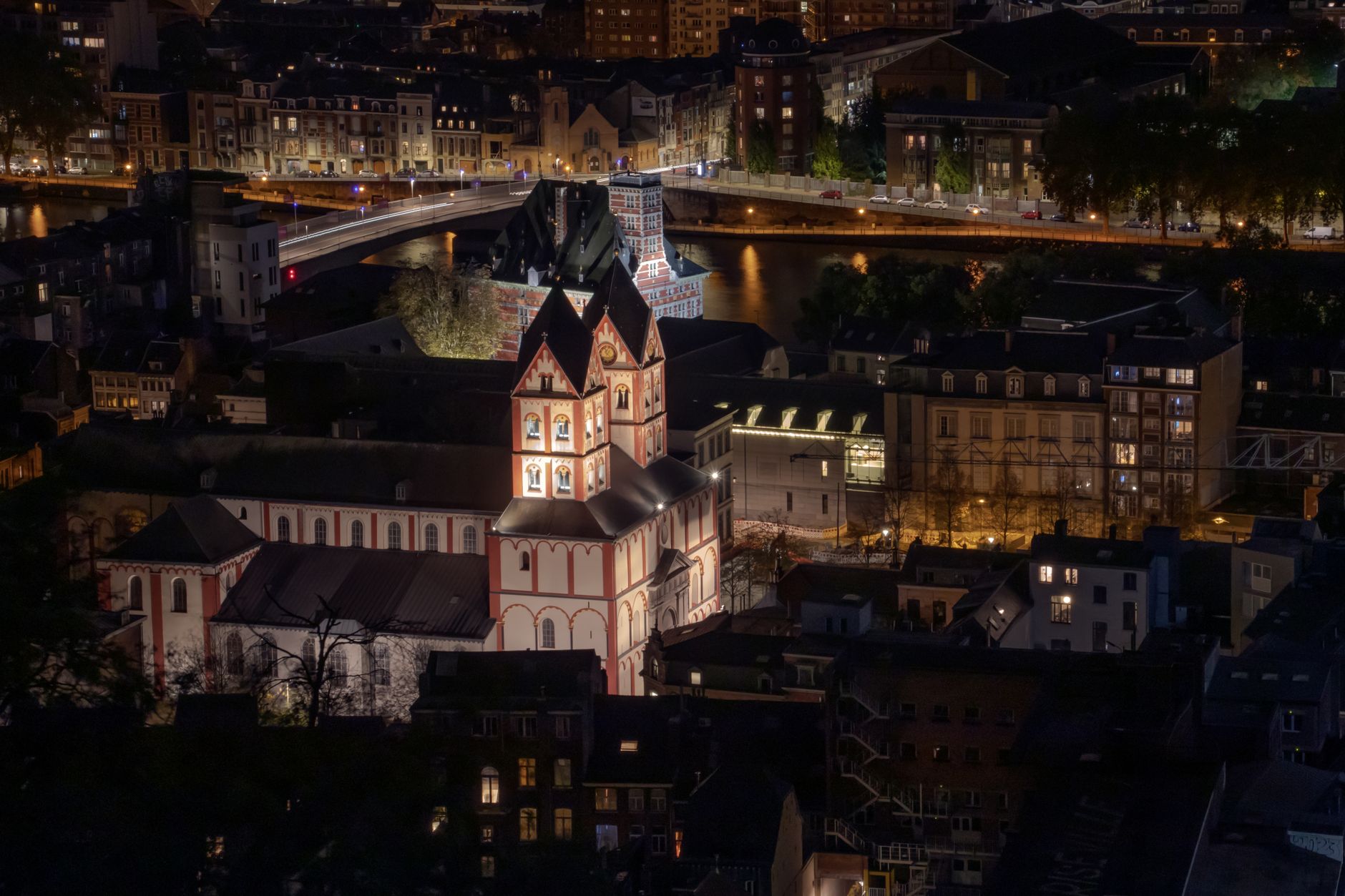
The Grand Curtius Museum (9 €; Wed–Mon 10am–6pm; the finest decorative arts museum in Belgium; 100,000+ objects; the Mosan art (the finest Byzantine-influenced metalwork in Western Europe); the weaponry collection (400 years of Liège as the arms capital of Europe)) is the finest museum in Wallonia.
💡 Grand Curtius Museum (9 €; Wed–Mon 10am–6pm; the finest decorative arts museum in Belgium; the Mosan art collection; the finest Byzantine-influenced metalwork in Western Europe).
Liège eating is the most specifically Walloon in Belgium: the boulet à la sauce lapin (the large Liège meatball in the sirop de Liège (the dark apple-and-pear syrup) and cream sauce — the most specifically Liègeois single dish; €14–22 at any local brasserie), the la gaufre de Liège (the Liège waffle — rounder, denser, and sweeter than the Brussels waffle due to the pearl sugar baked into the dough; invented in Liège by the cook of the Prince-Bishop in the 18th century; €2–4 at the La Batte market; the most affordable extraordinary street food in Belgium), the fromage de Herve (the square washed-rind cheese from the Liège plateau; the most strongly flavoured Belgian cheese; €4–8 at the La Batte market), and the Maître Jacques (the Liège bistro genre — the zinc-topped counter, the chalkboard menu, the house terrine, the Liège endive gratin; the most characterful and most affordable restaurant type in any Belgian city). The Café Lequet at the foot of the Montagne de Bueren (the most historic single bar in Liège; the pig’s trotters; the Liège sausage; the zinc counter) is the most specifically Liègeois eating experience.
La Batte Sunday market (Quai de la Batte; 8am–2pm; 3km along the Meuse — Europe’s longest river market) has Liège waffle stalls at the south end.
Calatrava’s Liège-Guillemins station (2009; 200m white-steel arch) is open 24 hours with free public access. Walking the concourse is one of the finest architectural experiences in Belgium.
The 374-step Montagne de Buëren staircase climbs to the Citadel. The panorama over Liège from the top is the finest in the city.
The Liège waffle (round; dense; pearl sugar caramelised inside; warm; no toppings) is the original. The rectangular Brussels waffle with cream and strawberries was invented for tourists.
La Batte market (Sunday 8am–1pm; the finest Sunday market in Europe; free; the Walloon food stalls). Guillémins TGV Station (Calatrava; free; the finest contemporary architecture in Belgium). Montagne de Bueren (374 steps; free; the finest Liège viewpoint). Grand Curtius Museum (9 €; the Mosan art).
💡 Liège is 1h by train from Brussels (from 12 €) and 2h by TGV from Paris (from 29 €) — the finest 1-night addition to a Belgian itinerary combining Brussels + Liège (the French-speaking Belgium that most visitors miss).
Liège is the most affordable of the four major Belgian cities — 30–40% less expensive than Brussels, 20–30% less expensive than Bruges.
The Grand Curtius Museum (€9; the Mosan Romanesque metalwork collection — the most important medieval enamel and metalwork collection in Belgium) is the most overlooked major museum in any Belgian city.
Liège has fewer luxury hotel options than Brussels or Antwerp but the overall value-to-quality ratio is the best of any Belgian city — the same meal and experience quality at 30–40% lower prices than the Flemish cities.
SNCB/NMBS for the Brussels–Liège train (1h; from 12 €) and the Liège–Maastricht cross-border connection.
Free
TEC (Wallonia public transport) for bus real-time departures from the Guillémins station.
Free
Grand Curtius Museum (grandcurtius.be) for the 9 € entry ticket and the Mosan art exhibition guide.
Free
Explore more of Belgium’s extraordinary cities and landscapes.