AU
Melbourne
The Cultural Capital
The Cultural Capital

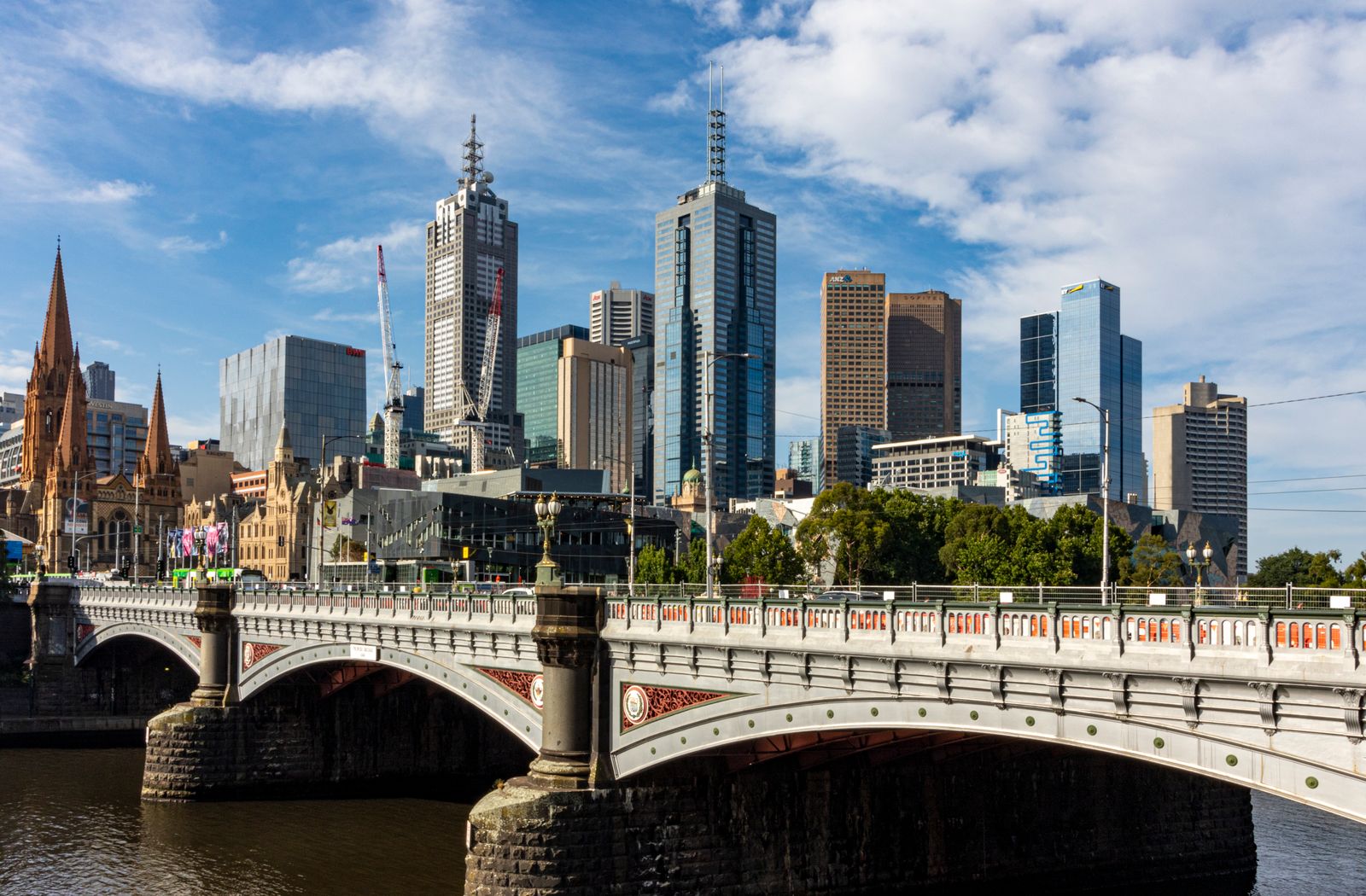
Flinders Street Station (the corner of Flinders Street and Swanston Street; free to enter the main hall; tram to any Flinders Street stop) is the most recognisable building in Melbourne: the Baroque-Edwardian sandstone building with its ochre dome, the meeting point under the clocks that has been Melbourne’s most traditional rendezvous for over a century. The station faces Federation Square (the contemporary arts precinct opened 2002; ACMI, the Australian Centre for the Moving Image; the Ian Potter Centre NGV Australia; free). Hosier Lane (the most celebrated graffiti laneway in Melbourne; 2 minutes east of Federation Square) and Degraves Street (the most concentrated café laneway in Melbourne; 3 minutes west of the station) are the two essential CBD laneways.
💡 Degraves Street café strip (parallel to Flinders; 2 min south; 20+ independent cafes in one block) is the heart of Melbourne coffee culture. Flinders Street Station (1910; free to enter) is the most photographed building in Melbourne. The Town Hall balcony (free; Swanston at Collins; open business hours) gives the finest street-level CBD view.
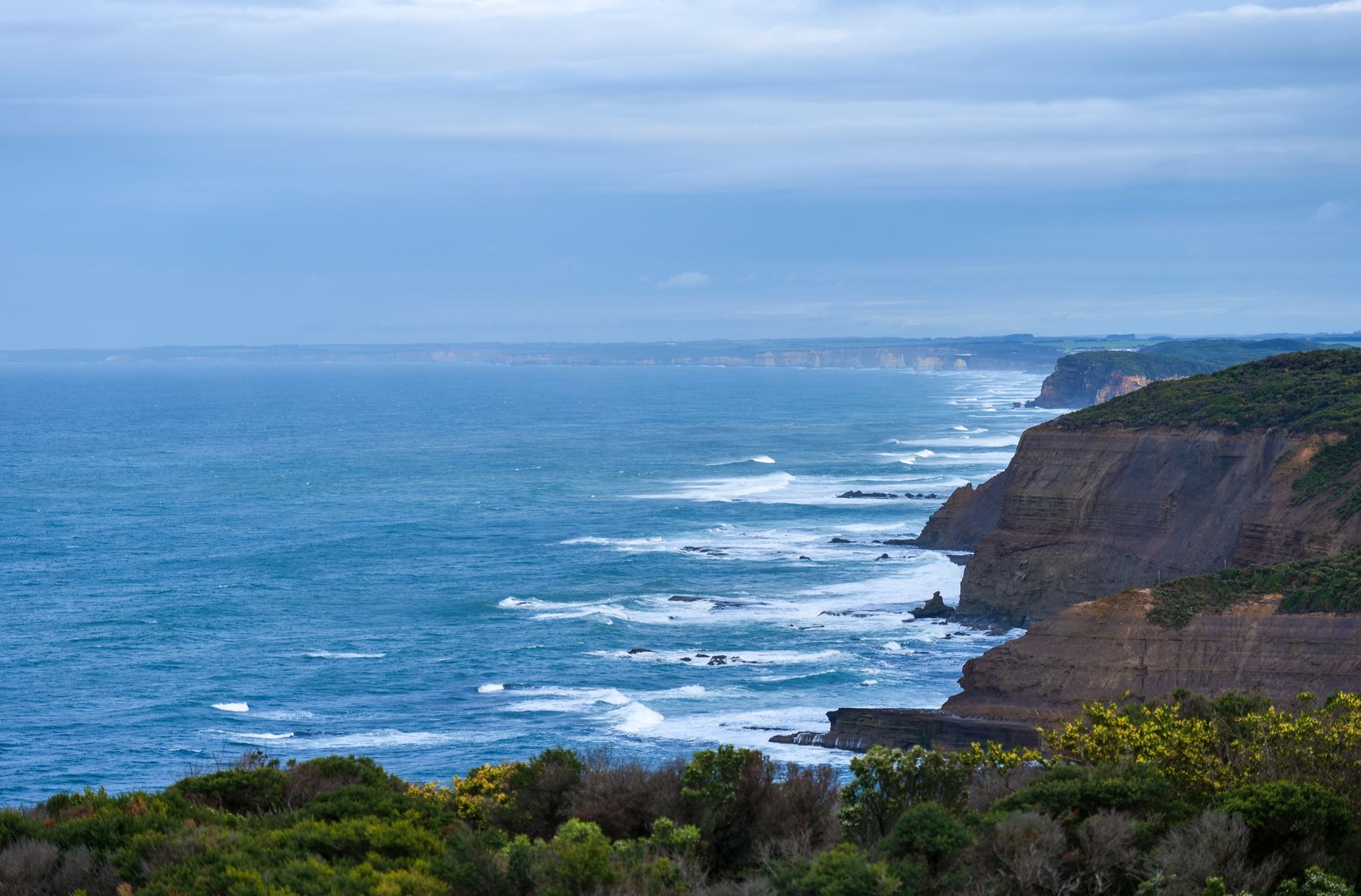
The Great Ocean Road (248km coastal road from Torquay to Allansford; built by returned World War One soldiers 1919–1932; one of the world’s great scenic drives) is the most famous day trip from Melbourne: 3h drive to the Twelve Apostles (the sea stacks rising from the Southern Ocean at Port Campbell; best photographed at dawn when no tour buses are present; free). Gibson Steps (the staircase to the beach below the Apostles; the best ground-level view of the stacks) and Loch Ard Gorge (the inlet where the eponymous iron clipper wrecked in 1878; the most dramatic sea arch and gorge on the coast) are the two must-stops. Rent a car from Melbourne for a self-drive (allow a full day); or take an organised tour from the CBD.
💡 Go at sunrise for the Twelve Apostles (free; open year-round) — the western light is best and the car parks are empty before 8am. Loch Ard Gorge (free; 2km east) is more intimate than the Apostles and far less crowded. The full Great Ocean Road return from Melbourne (rental car; full day; leave by 7am) covers both.

Melbourne’s covered laneways and graffiti alleys are the most photographed urban feature of the city. Hosier Lane (off Flinders Street; the most famous graffiti laneway; the entire lane surface is covered in layered street art that changes monthly; free, open 24h) is the most visited. ACDC Lane (named for the band, not the electrical abbreviation; off Flinders Lane) is the most atmospheric. Centre Place and Degraves Street (both off Flinders Lane) are the two finest laneway café strips in Melbourne, with espresso bars in premises the size of a large wardrobe and some of the best flat whites in the country.
💡 Hosier Lane (free; between Flinders Lane and Flinders Street), Centre Place, Degraves Street and AC/DC Lane form a 4-laneway circuit walkable in 20 minutes — the highest concentration of street art in Australia. The NGV (National Gallery of Victoria; free; 180 St Kilda Road; closed Tue) is the most visited gallery in Australia.
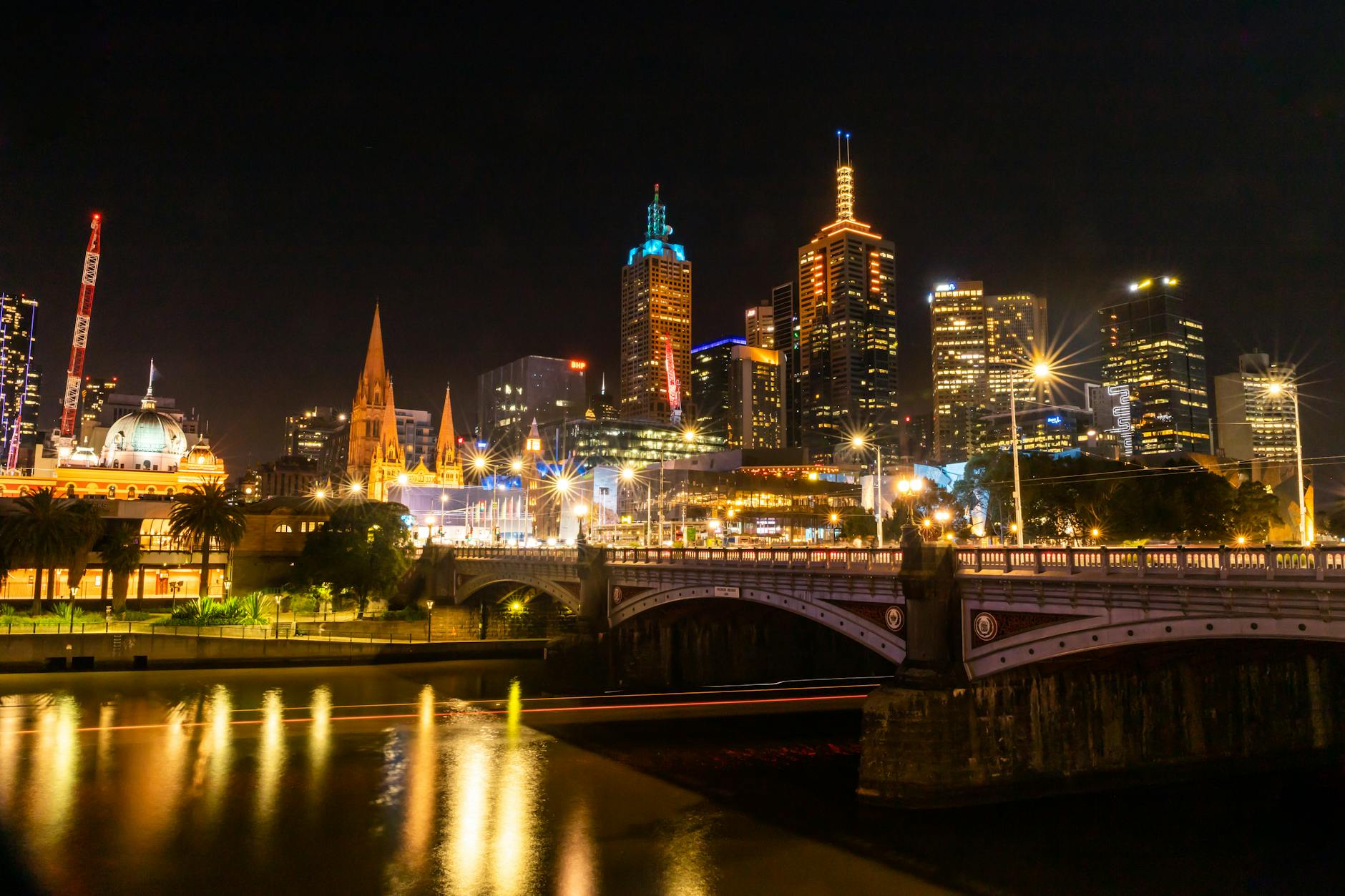
The Melbourne CBD is laid out on the original Hoddle Grid (a perfectly square kilometre planned in 1837 by surveyor Robert Hoddle; the origin of Melbourne’s unusually wide main streets and the laneway system that fills the blocks between them). The Yarra River (south of the CBD; Southbank Promenade; the Crown Casino complex; the National Gallery of Victoria International, the largest public art museum in Australia; free permanent collection, Tuesdays closed) is the most navigable waterfront in Melbourne. The Southgate complex and the riverfront restaurants are the most popular dining precinct. The NGV International (180 St Kilda Road; free; the Great Hall stained glass ceiling is the largest in the Southern Hemisphere) is the most significant art museum in Australia.
💡 Southbank Promenade (free; Yarra River south bank) has the finest city skyline view in Melbourne. The NGV International (free; permanent collection) and the Arts Centre Melbourne (free lobby; Crown Entertainment Complex on the north bank; free to walk) round out the Southbank precinct.
Melbourne has consistently ranked among the world’s top five food cities by the major international food publications (Bon Appétit, Time Out, Monocle) for the past decade. The diversity is the key: the Italian coffee and pasta culture of Carlton (Lygon Street has been Melbourne’s “Little Italy” since the 1950s), the Vietnamese food of Victoria Street Richmond (the best pho and banh mi outside Vietnam), the Japanese omakase restaurants of the CBD, the Greek tavernae of Oakleigh (the largest Greek community in Australia) and the contemporary Australian tasting-menu restaurants that define the cutting edge of the city’s food identity.
Specific addresses: Attica (Ripponlea; Ben Shewry’s restaurant, consistently on the World’s 50 Best Restaurants list; Australian native ingredients, the most important restaurant in Australian history; book 6–12 months ahead), Vue de Monde (Rialto Tower, 55th floor; the most spectacular dining room in Australia), and the Flower Drum (Chinatown, Little Bourke Street; classic Cantonese, open since 1975, still the finest Chinese restaurant in Australia).
The CBD free tram zone (all tram services within the rectangle bounded by Spring/Flinders/Spencer/La Trobe streets; free, no Myki needed) covers all CBD attractions. The Myki card (A$6 card; load at any 7-Eleven or station; A$4.60/2h for any tram, train or bus outside the free zone; A$9.20/day cap) covers travel to Fitzroy, St Kilda, Collingwood and Richmond. Uber is available and used widely for off-network journeys (A$12–25 for most inner suburbs). The SkyBus from the airport to Southern Cross Station (30–40 min, A$23) is the most reliable airport connection — there is no train to Tullamarine Airport.
Oct–Nov (spring) and Mar–Apr (autumn) are the ideal seasons: mild and settled. Jan (summer) includes the Australian Open but also Melbourne’s notorious heat waves (40°C+). Jun–Aug is cool (8–14°C) with the richest arts and cultural calendar.
Melbourne and Sydney are the two most expensive cities in Australia — and the two most affordable in the Asia-Pacific luxury hotel tier. The CBD free tram zone makes day-to-day transport very cheap. Per person per day.
The CBD free tram zone covers all the major tourist attractions. Victoria Street Richmond (the Vietnamese quarter) has pho and banh mi from A$12–18. The NGV permanent collection is free and world-class.
Attica (book 6–12 months ahead) and Vue de Monde are the two most significant restaurants in Melbourne. The Great Ocean Road day trip (A$80–120 in a rented car) is the best single day trip from any Australian city.
Vue de Monde on the 55th floor of the Rialto Tower (Collins Street) serves contemporary Australian cuisine with the finest city view in Melbourne. Book well ahead for dinner.
Three days: the CBD laneways, the Great Ocean Road, and the inner-suburb food and bar circuit.
Tram to Flinders Street Station. Walk: Federation Square (ACMI, Ian Potter Centre), Hosier Lane, Degraves Street (flat white), Block Arcade. National Gallery of Victoria International (St Kilda Road; free; the Great Hall glass ceiling). Tram to Fitzroy: Smith Street and Gertrude Street bar and restaurant circuit. Dinner at Tipo 00 (pasta) or Embla (natural wine and wood-fire cooking).
💡 Degraves Street espresso at 8am. Hosier Lane street art circuit (20 min; free). NGV International (free; 2h minimum). Fitzroy (Smith Street; Brunswick Street) for dinner — the best independent restaurants in Melbourne.
Rent a car at 6am. Drive to Torquay (1h; the birthplace of the Rip Curl and Quiksilver surf brands; the Australian National Surfing Museum; free). Great Ocean Road coastal drive via Lorne and Apollo Bay (2h). Twelve Apostles (Port Campbell; arrive by 11am; free; helicopter tour optional). Loch Ard Gorge (15 min west of the Apostles; the most dramatic gorge on the coast). Return by 7pm.
💡 Leave by 7am (rental car from A$55/day). Bells Beach, Lorne, Apollo Bay. Twelve Apostles by 3pm (the western light is better than morning). Loch Ard Gorge before the return. Back in Melbourne by 9pm.
Tram to St Kilda: the Esplanade (Sunday Esplanade Market), St Kilda Beach, Acland Street (the finest European-style cake shops in Australia; the apple strudel at Monarch Cakes has been made from the same recipe since 1934). Tram to South Yarra: Chapel Street (boutiques, wine bars). Tram to Carlton: Lygon Street (the original Melbourne Italian restaurant strip; Di Stasio, Tiamo, Donnini’s). Late night: Fitzroy or Collingwood bar circuit.
💡 St Kilda tram 96 (20 min from CBD; free first stop). Esplanade Hotel for live music (free entry most evenings). Sunday Market (10am–4pm). The penguin colony under the pier (free; dusk; Oct–Apr). Carlton’s Lygon Street (oldest Italian restaurant strip in Australia) for dinner.
Melbourne’s coffee culture is rigorous — single-origin espresso at precisely 65°C is the standard. Proud Mary and Seven Seeds are the benchmark roasters. Order at the counter.
Australian Open (January) tickets go on sale in October. Rod Laver Arena finals sell out immediately. Ground passes (AU$50) give access to outer courts up to the day of play.
An AFL match at the MCG (from AU$35; Saturday afternoon; walk-up tickets usually available) is one of the finest live sport experiences in the world. Book ahead for finals.
The Twelve Apostles limestone stacks (4 hours west; Great Ocean Road) have no visitors before 8am. Sunrise turns them golden. Helicopter tours from the site run 10 minutes.
The Royal Botanic Gardens (36 hectares; sunrise to sunset; free) has city skyline views across the ornamental lake. The paperbark walk and lake circuit are finest in morning light.
Yarra Valley (1 hour east; Punt Road, Oakridge, Yering Station) produces Australia’s finest cool-climate Chardonnay and Pinot Noir. Plan 3–4 cellar doors; book ahead at weekends.
Official transport app: tram, train and bus routes across Melbourne. The CBD free tram zone map and the Myki balance checker are the most-used features. Real-time tram tracking is reliable.
Free
Melbourne’s most reliable point-to-point transport: A$12–25 for inner suburbs, A$40–70 for the airport (Tullamarine; no train connection). Surge applies during AFL finals and the Australian Open.
Free
Melbourne’s most trusted food and culture guide: the best new restaurants, café openings and bar reviews. The Fitzroy restaurant map and the CBD laneway café guide are the two most-used features.
Free
Hiking and walking trails: the Twelve Apostles Walk (Great Ocean Walk; 104km total), the Mornington Peninsula Coastal Trail and the Dandenong Ranges National Park walks east of Melbourne.
Free
The NGV International collection (180 St Kilda Road) is partially documented in Google Arts & Culture: the Great Hall ceiling, the European Old Masters and the NGV blockbuster exhibition schedule.
Free
Download Melbourne offline. Mark the CBD free tram zone boundary, the Great Ocean Road route (Torquay to Port Campbell) and the Fitzroy/Collingwood restaurant streets before travelling.
Free
Quick answers to the questions travellers most often ask before visiting Melbourne.
Autumn (March-May) and spring (September-November) offer the most settled weather; summer is warm but can spike very hot; winter is cool and grey. Melbourne is famous for “four seasons in one day”, so pack layers whenever you go.
Three to four days for the laneways, coffee culture, markets and museums, plus a day trip along the Great Ocean Road or to the Yarra Valley wineries.
By the extensive tram network (free in the central City Circle zone), trains and buses via a Myki card; the centre is very walkable. A car helps only for regional day trips.
Yes, it’s one of Australia’s pricier cities, but its celebrated coffee, multicultural food and many free galleries, gardens and laneway strolls keep it enjoyable on a range of budgets.
Discover more of Australia’s extraordinary destinations.